Coenzyme Q10 and Cellular Energy: What the Science Says for Healthy Aging
CoQ10 powers mitochondrial energy production and may support healthy aging. This evidence-based guide reviews age-related decline, statin effects, heart failure (Q-SYMBIO), migraine prevention, fertility research, bioavailability of ubiquinone vs. ubiquinol, and PQQ as a complementary compound.
·10 min read
This content is for informational purposes only and does not constitute medical advice. Always consult a qualified healthcare provider before starting, stopping, or changing any supplement or medication regimen.
What it is: A fat-soluble molecule present in virtually every cell, essential for mitochondrial energy production and antioxidant defense (Evidence: strong)
Why it matters with age: Tissue levels tend to decline over time and may be lowered by certain medications, including statins (Evidence: strong)
Key areas studied: Heart failure, migraine prevention, male and female fertility, and bioavailability differences between ubiquinone and ubiquinol (Evidence: moderate overall)
Complementary nutrient: PQQ (pyrroloquinoline quinone) may support mitochondrial biogenesis and synergize with CoQ10 (Evidence: emerging)
What Is CoQ10 and How Does It Power Your Cells?
Coenzyme Q10 (also called ubiquinone in its oxidized form and ubiquinol in its reduced form) is a central player in cellular energy metabolism. Within mitochondria—the cell’s power stations—CoQ10 transfers electrons between Complex I/II and Complex III of the electron transport chain, enabling ATP generation via oxidative phosphorylation. This bioenergetic role is foundational biochemistry, validated for decades across species and tissues (Evidence: strong). Beyond energy transfer, CoQ10 helps limit oxidative damage by accepting and donating electrons, thereby stabilizing membranes and regenerating other antioxidants such as vitamin E (Evidence: strong).
Aging, Medications, and CoQ10 Levels
Multiple tissue studies suggest CoQ10 concentrations decline with age, most notably in high-energy-demand organs like heart, kidney, and skeletal muscle. Early work by Scandinavian groups and subsequent analyses have reported lower ubiquinone content in elderly tissues compared with younger adults (Evidence: strong). While the exact reasons remain under investigation, proposed contributors include reduced biosynthesis, increased utilization to counter oxidative stress, and changes in lipoprotein transport.
Statins and CoQ10: What the Evidence Shows
Statins inhibit HMG-CoA reductase, a key enzyme in the mevalonate pathway shared by cholesterol and CoQ10 biosynthesis. Systematic reviews and meta-analyses consistently report that statins lower circulating CoQ10 levels compared with baseline or non-statin controls (Evidence: strong). Whether this biochemical change translates to clinically meaningful effects—such as muscle symptoms—remains debated. Trials of CoQ10 to address statin-associated muscle symptoms show mixed results across studies (Evidence: moderate). Still, the reduction in plasma CoQ10 with statin therapy is among the more reproducible findings in this field.
Cardiovascular Health: Spotlight on Heart Failure
Chronic heart failure stresses mitochondrial energetics and elevates oxidative burden—conditions where CoQ10’s roles are biologically relevant. The Q-SYMBIO trial, a multicenter, randomized, double-blind, placebo-controlled study, found that adjunctive CoQ10 improved functional status and reduced major adverse cardiovascular events over long-term follow-up in patients with chronic heart failure (Evidence: moderate to strong). Several meta-analyses of randomized trials report small but significant improvements in left ventricular ejection fraction and New York Heart Association class with CoQ10 compared with placebo, though heterogeneity exists and not all outcomes are uniformly positive (Evidence: moderate). Professional guidelines have not universally adopted CoQ10 for heart failure, but research suggests it may provide supportive benefits when layered onto standard care.
Neurology: Migraine Prevention
Mitochondrial dysfunction is one proposed mechanism in migraine pathophysiology. Randomized controlled trials in adults and adolescents have evaluated CoQ10 for migraine prevention, with several showing reductions in monthly migraine days and attack frequency versus placebo. Systematic reviews pooling these trials generally report a modest benefit, particularly for frequency outcomes, with a favorable tolerability profile (Evidence: moderate). While results vary between studies, the direction of effect tends to be consistent enough that some clinicians consider CoQ10 as an adjunctive, non-pharmacologic option for prevention.
Reproductive Health: Fertility Applications
Female fertility. Oocyte development is energy-intensive, and oxidative stress may compromise egg quality. Small randomized trials and cohort studies in women with diminished ovarian reserve suggest CoQ10 may improve markers of ovarian response and embryo quality in assisted reproduction settings, though evidence for live birth improvement remains limited (Evidence: emerging). Larger, well-controlled trials are needed to determine who benefits most and which outcomes are affected.
Male fertility. Meta-analyses of randomized trials indicate CoQ10 may improve semen parameters such as motility and concentration in men with idiopathic infertility, but evidence for increased pregnancy or live birth rates is less certain (Evidence: moderate for semen parameters; emerging for clinical pregnancy outcomes). As with many antioxidant strategies in male infertility, improvements in laboratory measures do not always translate to definitive reproductive endpoints.
Ubiquinone vs. Ubiquinol: Does the Form Matter?
CoQ10 cycles naturally between ubiquinone (oxidized) and ubiquinol (reduced) within the body. Commercial products come in both forms, often with different delivery systems (oils, emulsions, nanoparticles) to enhance absorption because CoQ10 is lipophilic and has a relatively large molecular size. Comparative pharmacokinetic studies report that certain ubiquinol formulations can achieve higher plasma CoQ10 concentrations than some ubiquinone formulations at comparable intakes, but head-to-head research indicates that formulation technology (e.g., solubilization, dispersion) can be as important as the redox form itself (Evidence: moderate). In other words, not all ubiquinone or ubiquinol products perform the same, and inter-individual variability is common. Clinically, higher circulating levels do not always predict outcome benefits; thus, efficacy evidence by condition remains the more meaningful guide.
PQQ: A Complement to CoQ10?
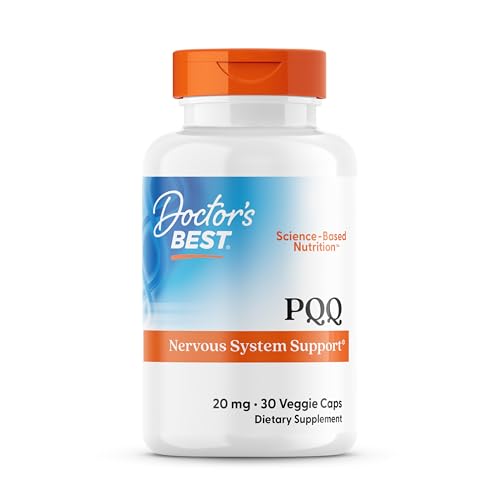
Pyrroloquinoline quinone (PQQ) is a redox-active compound that research suggests may influence mitochondrial biogenesis, partly through pathways involving PGC-1α and NRF-1. Small human trials report that PQQ may improve markers related to mitochondrial function, perceived fatigue, and sleep quality, and may favorably affect inflammation and oxidative stress biomarkers (Evidence: emerging). Preclinical data and limited human research suggest that combining PQQ with CoQ10 could have additive or synergistic effects on cellular energetics and antioxidant capacity, though robust clinical outcome trials are sparse (Evidence: emerging). For now, PQQ can be viewed as a potentially complementary tool rather than a substitute for CoQ10.
Food Sources, Lifestyle, and Traditional Perspectives
Dietary CoQ10 is found in organ meats (heart, liver), fatty fish, and certain plant foods, though typical diets provide relatively modest amounts compared to levels often used in clinical research (Evidence: strong). From a lifestyle lens, habits that support mitochondrial health—nutrient-dense eating patterns, regular physical activity, restorative sleep, stress reduction—may work in parallel with CoQ10’s roles in bioenergetics (Evidence: strong for lifestyle benefits on mitochondrial function, indirect for CoQ10 augmentation).
Bridging traditions, East Asian and Ayurvedic medical systems have long framed vitality in terms of life force (qi/prana) and kidney/adrenal “essence,” emphasizing practices and botanicals that sustain stamina and reproductive potential. While CoQ10 is a modern nutrient discovered in the mid-20th century and clinically studied in Japan and Europe for cardiovascular health, its mitochondrial energy support parallels these traditional aims of nourishing core vitality and resilience (Evidence: traditional for the conceptual link; scientific validation pertains to CoQ10’s biochemistry and clinical trials).
Tolerability and Practical Considerations
CoQ10 is generally well tolerated in clinical studies, with gastrointestinal discomfort being the most commonly reported issue (Evidence: strong). Because CoQ10 is transported in lipoproteins, consistent intake with meals containing fat has been used in studies to support absorption, and plasma levels usually rise over weeks of steady use (Evidence: moderate). CoQ10 may interact with certain medications and laboratory assays; individuals on prescription therapies, especially anticoagulants, should discuss potential interactions with their clinician (Evidence: moderate). This article is informational and not a substitute for personalized medical guidance.
Where the Evidence Is Strong vs. Where It’s Emerging
Strong: Fundamental bioenergetic role of CoQ10; age-related and statin-associated declines in circulating levels; general safety profile.
Moderate: Adjunctive benefits in chronic heart failure and migraine prevention; improvements in male semen parameters; differences in bioavailability across formulations.
Emerging: Fertility outcomes such as live birth rates; PQQ’s clinical synergy with CoQ10; optimal product selection strategies beyond bioavailability metrics.
Bottom Line
Coenzyme Q10 is integral to how your cells make energy and buffer oxidative stress—a role that becomes increasingly relevant with age and certain medications like statins. Research suggests CoQ10 may help as an adjunct in chronic heart failure and in preventing migraines, with supportive (though not definitive) signals in male and female fertility. Differences between ubiquinone and ubiquinol likely matter less than the overall formulation and individual response. PQQ shows promise as a complementary compound for mitochondrial support, but human outcomes data remain early. For healthy aging, CoQ10 sits at the intersection of modern bioenergetics and time-honored goals of sustaining vitality—best considered in the context of comprehensive lifestyle strategies and shared decision-making with a healthcare professional.
Key References to Explore
Q-SYMBIO randomized trial in chronic heart failure (cardiovascular outcomes)
Systematic reviews/meta-analyses on statin-induced CoQ10 reductions
Systematic reviews/meta-analyses on CoQ10 for migraine prevention
Meta-analyses on CoQ10 and male infertility parameters; early RCTs for female ovarian response
Comparative pharmacokinetic studies of ubiquinone vs. ubiquinol formulations
Early human trials on PQQ and mitochondrial-related biomarkers
This content is for informational purposes only and does not constitute medical advice. Always consult a qualified healthcare provider before starting, stopping, or changing any supplement or medication regimen.
Introduction
[Coenzyme Q10 (CoQ10)](/supplements/coq10)—also known as ubiquinone in its oxidized form and ubiquinol in its reduced form—is a lipid-soluble molecule found in virtually every cell. It sh
Overview
[Coenzyme Q10 (CoQ10)](/articles/coenzyme-q10-cellular-energy-healthy-aging) sits at the heart of how cells make energy. This lipid-soluble molecule ferries electrons along the mitochondrial
Coenzyme Q10. CoQ10, Ubiquinone. ## Overview
**Coenzyme Q10 (CoQ10)** is a naturally occurring, vitamin-like compound found in nearly every cell of the body. It plays a central role in **mitochondrial energy production** and also functions as an **antioxidant**, helping protect cell membranes and lipids from oxidative damage. CoQ10
Coenzyme Q10 (CoQ10) and Statin myopathy (statin‑associated muscle symptoms, SAMS). Coenzyme Q10 (CoQ10) is a vitamin‑like compound central to mitochondrial energy production and cellular antioxidant defenses. Statin myopathy—often described as statin‑associated muscle symptoms (SAMS)—includes muscle aches, weakness, cramps, and, rarely, severe injury. Understanding how CoQ10 and S
Supplements for Healthy Aging: An Evidence‑Based Guide to What Works, Dosage & Safety. Aging well is about staying strong, sharp, and active—not chasing immortality. If you’re wondering which supplements for healthy aging are actually worth considering, research suggests a focused, evidence‑based plan can support bones, heart, brain, mitochondria, skin, and stress resilience. Suppleme