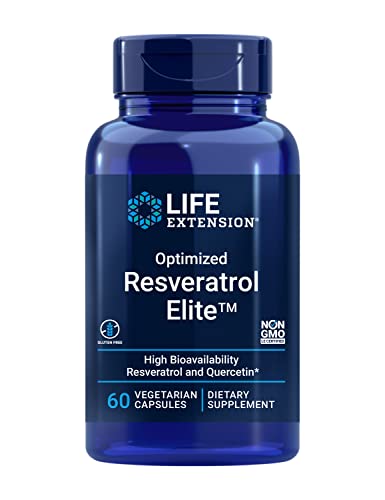
Beyond the French Paradox: What Resveratrol and Polyphenols Really Mean for Longevity
Resveratrol helped spark the French Paradox era and the hunt for “longevity molecules.” Two decades later, evidence shows mixed human benefits, bioavailability hurdles, and nuanced sirtuin biology—while other polyphenols like EGCG, curcumin, and quercetin show more consistent effects on select health markers. A food-first, tradition-informed approach remains the most evidence-aligned path for healthy aging.
·10 min read
This content is for informational purposes only and does not constitute medical advice. Always consult a qualified healthcare provider before starting, stopping, or changing any supplement or medication regimen.
Introduction
Resveratrol burst into public consciousness through the “French Paradox” in the 1990s: the observation that French populations consuming relatively high amounts of saturated fat had lower coronary mortality than expected, with red wine proposed as a partial explanation. Since then, resveratrol and other polyphenols have been studied as potential longevity-supporting compounds. Two decades on, what does high-quality evidence actually show? This article unpacks the origin story, the sirtuin hypothesis and controversies, why bioavailability is a sticking point, what clinical trials have found (and not found), how other polyphenols compare, and how traditional medicine has long used polyphenol-rich plants.
The French Paradox: Origin Story and What It Did (and Didn’t) Prove
What it was: A 1992 analysis linked lower coronary heart disease mortality in France to dietary patterns that included wine, despite relatively high saturated fat intake. Evidence level: moderate (observational correlation; confounding possible).
What it wasn’t: Proof that red wine—or resveratrol specifically—prevents heart disease. Wine contains many compounds besides resveratrol (ethanol, other polyphenols), and lifestyle factors (meal patterns, activity) likely contributed. Evidence level: strong (methodological consensus).
Takeaway: The French Paradox catalyzed interest in wine polyphenols, especially resveratrol, but did not establish causality.
What Is Resveratrol?
Resveratrol is a stilbene polyphenol found in grape skins, red wine, peanuts, and Japanese knotweed (Polygonum cuspidatum). Concentrations in red wine are modest and highly variable. In plants, resveratrol acts as a phytoalexin—part of the plant’s own stress defense. In cells and animals, it influences pathways related to oxidative stress, inflammation, and energy sensing. Evidence level: strong (chemical identification; preclinical mechanisms).
Sirtuins and the Longevity Hype—What the Science Shows (and Doesn’t)
The early spark: In 2003, laboratory work reported that resveratrol activated sirtuins (SIR2/SIRT1), a family of proteins implicated in lifespan regulation in yeast and potentially in mammals. Follow-up animal studies found improved metabolic health and survival in mice on high-fat diets. Evidence level: emerging to moderate (preclinical; mixed reproducibility).
The controversy: Later work questioned whether resveratrol directly activates SIRT1 or whether early findings were artifacts of specific assay substrates. Subsequent studies suggest context-dependent, allosteric activation may occur for certain SIRT1 substrates, and that resveratrol may indirectly influence sirtuins via upstream pathways like AMPK and cAMP signaling. Evidence level: moderate (mechanistic refinement; ongoing debate).
Translation gap: Lifespan extension in simple organisms does not reliably translate to mammals under normal diet. In mice, resveratrol improved health markers under metabolic stress but did not consistently extend maximum lifespan. No human trial has demonstrated life extension. Evidence level: strong (animal and human trial outcomes to date).
Industry and research turbulence: Development of synthetic sirtuin activators (e.g., through Sirtris Pharmaceuticals) generated excitement, but later setbacks and questions about target engagement tempered the field. Separately, misconduct findings related to a researcher unaffiliated with sirtuin companies further clouded public perception. Evidence level: strong (historical record).
The Bioavailability Problem
A key challenge is pharmacokinetics. Orally ingested resveratrol is well absorbed but rapidly metabolized (glucuronidation and sulfation) with very low levels of free resveratrol in circulation. Conjugated metabolites may have activity or serve as reservoirs in tissues, but definitive human data on target engagement remain limited. Formulation strategies (e.g., micronization, lipid-based delivery, nanoparticles) and co-ingestion with food may increase exposure, yet whether this meaningfully changes clinical outcomes is unsettled. Evidence level: strong for rapid metabolism; emerging for clinical relevance of enhanced formulations.
Human Clinical Trials: Mixed Signals
Across conditions, clinical results are heterogeneous. Key areas:
Cardiometabolic health: In people with type 2 diabetes or metabolic syndrome, meta-analyses of randomized controlled trials report small improvements in fasting glucose, insulin sensitivity, and some inflammatory markers. Effects are inconsistent in healthy adults. Evidence level: moderate (multiple RCT meta-analyses; small effect sizes, heterogeneity).
Lipids and blood pressure: Some trials show modest reductions in systolic blood pressure and improvements in flow-mediated dilation (endothelial function). Lipid effects are variable. Evidence level: moderate (systematic reviews of RCTs; modest magnitude).
Neurodegeneration: A phase II trial in Alzheimer’s disease reported changes in cerebrospinal fluid biomarkers and brain volume but no clear cognitive benefit over the study period. Evidence level: emerging (limited RCT data; biomarker shifts without clinical endpoints).
Nonalcoholic fatty liver disease: Small trials show mixed changes in liver enzymes and steatosis markers. Evidence level: emerging (inconsistent RCT findings).
Cancer prevention or treatment: Preclinical data are extensive, but controlled human trials have not established clear benefits on clinical endpoints. Evidence level: emerging/insufficient (no definitive RCT outcomes).
Overall, research suggests resveratrol may help select risk factors in specific populations, but robust evidence for disease prevention or longevity in humans is lacking.
How Do Other Polyphenols Compare?
While resveratrol is iconic, other dietary polyphenols have more consistent human data for certain outcomes relevant to healthy aging.
Quercetin (a flavonol found in onions, apples, capers)
Blood pressure: Meta-analyses of RCTs report small but statistically significant reductions in systolic and diastolic blood pressure, particularly in individuals with elevated baseline values. Evidence level: moderate (multiple RCTs; consistent but modest effects).
Inflammation and lipids: Findings are mixed, with small improvements in some studies and null results in others. Evidence level: emerging to moderate.
EGCG and Green Tea Catechins (Camellia sinensis)
Cardiovascular and metabolic markers: RCTs and systematic reviews indicate small reductions in LDL cholesterol, modest improvements in blood pressure and endothelial function, and minor effects on weight in some populations. Cohort studies in East Asia associate regular tea intake with lower cardiovascular and all-cause mortality. Evidence level: moderate (consistent epidemiology; RCTs show modest improvements).
Caveat: Benefits in supplements versus brewed tea may differ due to dose and matrix; safety profiles also differ. Evidence level: strong (nutritional epidemiology principles; safety literature varies).
Curcumin (from turmeric, Curcuma longa)
Inflammation and musculoskeletal symptoms: Meta-analyses of RCTs suggest improvements in osteoarthritis pain and reductions in inflammatory biomarkers (e.g., CRP). Evidence level: moderate (multiple RCTs; heterogeneity in formulations).
Bioavailability remains a challenge; many trials use enhanced formulations. Evidence level: strong (pharmacokinetic consensus).
Where does that leave resveratrol compared with peers? For hard outcomes, none of these polyphenols yet has definitive longevity data in humans. However, green tea catechins and curcumin show more consistent clinical effects on specific intermediate endpoints, while quercetin shows modest vascular effects. Resveratrol’s human data remain mixed despite compelling preclinical mechanisms.
Traditional Medicine: A Long History with Polyphenol-Rich Plants
Long before modern longevity labs, traditional medical systems used polyphenol-rich botanicals:
East Asia: Green tea has been consumed for centuries for alertness and “clearing heat.” Japanese knotweed (Hu Zhang) appears in Traditional Chinese Medicine texts for addressing “damp-heat” and circulatory stasis; it is a rich source of resveratrol and polydatin. Evidence level: traditional (historical use; phytochemical validation is modern).
South Asia: Turmeric is central in Ayurveda for “balancing” and supporting digestion and joints; modern analyses identify curcuminoids as active polyphenols. Evidence level: traditional with moderate modern support for select indications.
Mediterranean and Persian traditions: Pomegranate, olives, grapes, and culinary herbs (rosemary, sage) provide diverse polyphenols and are embedded within dietary patterns linked to healthy aging. Evidence level: traditional with moderate modern epidemiological support.
These traditions emphasize whole plants and dietary patterns—an approach modern research increasingly studies through Mediterranean- and tea-rich dietary patterns rather than isolated compounds.
Mechanisms: From Antioxidants to Adaptive Stress
Older narratives cast polyphenols primarily as antioxidants. Contemporary research suggests they often act as signaling molecules that may trigger adaptive stress responses (hormesis), upregulating endogenous defenses (e.g., Nrf2 pathways), modulating inflammation (e.g., NF-κB), and tuning energy sensors (e.g., AMPK). Resveratrol’s proposed indirect activation of SIRT1 through AMPK/cAMP cascades fits this broader picture. Evidence level: moderate to strong (cell and animal data; human confirmation via biomarkers is mixed).
Practical, Food-First Takeaways (Not Medical Advice)
Dietary patterns rich in varied polyphenols—tea, berries, colorful vegetables, herbs, extra-virgin olive oil, cocoa, nuts, and legumes—are repeatedly linked to healthy aging markers. Evidence level: strong for patterns (cohort studies; some RCTs on risk factors), emerging for direct longevity effects.
Whole-food matrices may aid bioavailability and provide synergistic compounds that isolated supplements cannot fully replicate. Evidence level: moderate (nutritional science; limited head-to-head human trials).
For supplements, human data on long-term hard outcomes are limited across polyphenols, including resveratrol. Individuals should consider personal health contexts and consult qualified clinicians. Evidence level: strong (current state of evidence; safety best practices).
Bottom Line
Resveratrol helped launch modern interest in “longevity molecules,” but human trials show mixed benefits on cardiometabolic and neurological endpoints, and no evidence yet for extending human lifespan. Evidence level: moderate overall.
The sirtuin activation story evolved from early excitement to nuanced, context-dependent mechanisms with ongoing debate. Animal benefits appear more robust under metabolic stress than in normal aging. Evidence level: moderate.
Other polyphenols—green tea catechins, curcumin, and quercetin—show more consistent, if modest, effects on specific health markers relevant to healthy aging. Evidence level: moderate.
Traditional medical systems have long leveraged polyphenol-rich plants within dietary and therapeutic frameworks. Modern research is beginning to validate selected uses, particularly when embedded in whole-food patterns. Evidence level: traditional with modern support.
For longevity, a diversified, food-first approach to polyphenols within an overall healthy lifestyle is best supported by current evidence.
References and Notes (selected)
French Paradox observational analysis (1992, Lancet): linked wine consumption and lower CHD mortality; correlation, not causation (observational; moderate evidence).
Sirtuins and resveratrol activation (2003, Nature): initial in vitro activation reports; later assay-dependent controversies (emerging to moderate evidence).
Mouse studies on high-fat diets (2006, Nature; 2008, Cell Metabolism): improved metabolic health; limited effects on maximum lifespan (moderate evidence).
This content is for informational purposes only and does not constitute medical advice. Always consult a qualified healthcare provider before starting, stopping, or changing any supplement or medication regimen.
Resveratrol’s rise began with the [French Paradox](/articles/resveratrol-polyphenols-french-paradox-sirtuins-longevity)—the 1990s observation that France’s relatively low rate of heart disease coexist
Resveratrol. Trans-Resveratrol, Resveritrol. ## Overview
**Resveratrol** is a naturally occurring **polyphenol** found in grapes, red wine, peanuts, berries, and several medicinal plants, including *Polygonum cuspidatum* (Japanese knotweed), a common commercial source of supplemental resveratrol. It has attracted broad scientific and public i
Introduction
Autophagy—literally “self-eating”—is the cell’s housekeeping program for recycling damaged proteins and organelles. In 2016, Yoshinori Ohsumi received the Nobel Prize in Physiology or Med
Telomeres and aging have captivated headlines for two decades. But beyond the buzz, what do telomeres actually do, how much do lifestyle choices really influence them, and what should we make of telom
Introduction
[Coenzyme Q10 (CoQ10)](/supplements/coq10)—also known as ubiquinone in its oxidized form and ubiquinol in its reduced form—is a lipid-soluble molecule found in virtually every cell. It sh
Introduction
The mechanistic target of rapamycin (mTOR) has become a central character in longevity science. From robust mouse studies to early human trials, research suggests that dialing down mTOR s