Natural Supplements for Eye Health: An Evidence‑Based Guide to Lutein, Zeaxanthin, Omega‑3s, Zinc & Safety
Which supplements support eye health? Evidence‑based look at lutein, zeaxanthin, omega‑3s, zinc, and more—what works, doses, safety, and who benefits.
·12 min read
This content is for informational purposes only and does not constitute medical advice. Always consult a qualified healthcare provider before starting, stopping, or changing any supplement or medication regimen.
If you’re noticing more screen fatigue, dry eyes, or you’re thinking ahead about age‑related vision changes, you might wonder which natural supplements for eye health are truly worth considering. Research suggests certain nutrients can help maintain healthy vision or slow progression of specific conditions, while others are best obtained from food. This guide bridges western clinical evidence with traditional use, so you can make informed choices.
Key nutrients and botanicals for eye health (and what they target)
Lutein and zeaxanthin (macula; blue‑light filtering; retinal neurons)
What they are: Yellow carotenoids concentrated in the macula (the retina’s center for sharp vision). They act as antioxidants and filter high‑energy blue light.
Biological role: Stabilize photoreceptors, reduce oxidative stress, and improve macular pigment optical density (MPOD).
Target: Macular health and visual performance; studied most in age‑related macular degeneration (AMD).
Evidence level: Strong for slowing progression from intermediate to advanced AMD (AREDS2); moderate for improving MPOD and glare/contrast in healthy or at‑risk adults.
Evidence level: Moderate for dry eye signs/symptoms (mixed trials, supportive meta‑analyses); limited for AMD prevention or progression (no added benefit in AREDS2).
Vitamin A (retinoids and carotenoids) (phototransduction; corneal/ocular surface)
What it is: Retinol/retinyl esters and provitamin A carotenoids support the visual cycle.
Biological role: Forms retinal (11‑cis‑retinal) for photoreceptor function; maintains conjunctival and corneal integrity.
Target: Night vision, ocular surface health—especially in deficiency states.
Evidence level: Strong for correcting deficiency‑related eye disease; emerging/mixed for other retinal disorders when not deficient.
Vitamins C and E (lens; retina; antioxidant network)
What they are: Antioxidant vitamins concentrated in the aqueous humor (C) and cell membranes (E).
Biological role: Quench reactive oxygen species; regenerate other antioxidants.
Target: Oxidative stress in lens (cataract) and retina.
Evidence level: Moderate for observational links to reduced cataract risk; RCTs largely negative or mixed for cataract and AMD progression beyond AREDS formulations.
Zinc (retina; retinal pigment epithelium)
What it is: A cofactor for retinal enzymes (including retinol dehydrogenase) and antioxidant proteins (e.g., superoxide dismutase).
Target: AMD progression in combination with antioxidants.
Evidence level: Strong within the AREDS/AREDS2 context for slowing intermediate AMD progression at high doses (with copper); limited outside that setting.
AREDS (Age‑Related Eye Disease Study): High‑dose antioxidants (vitamin C 500 mg, vitamin E 400 IU) + beta‑carotene + zinc (80 mg as zinc oxide) + copper (2 mg) slowed progression from intermediate to advanced AMD. Benefit was strongest in participants with intermediate AMD; not preventive in those without AMD.
AREDS2: Replaced beta‑carotene with lutein (10 mg) and zeaxanthin (2 mg), and tested omega‑3s. Results: Lutein/zeaxanthin were as effective—and safer for smokers—than beta‑carotene; omega‑3s provided no additional benefit for AMD progression. Zinc dose (80 mg) continued to show benefit within the formulation.
Lutein/zeaxanthin: Strong for slowing progression in intermediate AMD; limited for primary prevention.
Zinc (with antioxidants): Strong in the AREDS context; high dose outside that context is less certain.
Omega‑3s: Limited/negative for AMD progression (AREDS2).
Key gap: Optimal dosing for individuals with different genotypes or dietary patterns remains unclear; primary prevention benefits are not well established.
Cataracts
Observational studies: Higher dietary vitamin C, E, and carotenoids associate with lower cataract risk.
RCTs: Antioxidant supplements alone have not consistently reduced cataract incidence or progression. AREDS and AREDS2 formulations did not yield robust cataract benefits, though some subgroup signals exist.
Evidence grade: Moderate for observational association; limited/contradictory for RCT efficacy. Food‑first strategies likely matter most.
Dry eye disease (DED)
Omega‑3s: Meta‑analyses indicate improvements in tear break‑up time (TBUT), Schirmer’s test, and symptom scores, yet a large well‑designed trial reported no significant symptom advantage over an olive‑oil placebo after 12 months. Study differences (dose, EPA:DHA ratio, baseline diet, and placebo choice) likely explain mixed findings.
Astaxanthin and mixed carotenoids: Small RCTs suggest improvements in eye strain, TBUT, and accommodation metrics—especially when combined with lutein/zeaxanthin.
NAC: Topical NAC (often 5–10%) helps filamentary keratitis and reduces mucus strands; limited oral data suggest potential benefit in meibomian gland dysfunction.
Evidence grade: Moderate for omega‑3s (symptom/sign improvement in meta‑analyses, with notable contradictory trial); emerging for astaxanthin and NAC.
Diabetic retinopathy (DR)
Antioxidants and omega‑3s: Observational data link higher omega‑3 intake with lower risk of sight‑threatening DR in some cohorts; small trials with various antioxidant blends show mixed outcomes.
Carotenoids: Limited direct RCT evidence targeting DR endpoints.
Evidence grade: Emerging. Glycemic control and ophthalmologic care remain primary; supplements may be adjunctive but not substitutes.
Glaucoma
Ginkgo biloba: Small randomized trials in normal‑tension glaucoma report improvements in visual field indices and ocular blood flow without altering intraocular pressure (IOP). Evidence does not show structural disease modification.
Omega‑3s and antioxidants: Preclinical rationale for neuroprotection, but clinical data are insufficient.
Evidence grade: Emerging to moderate for ginkgo in normal‑tension glaucoma adjunctive care; limited for others. Standard IOP‑lowering therapies remain foundational.
Dosing, forms, and food‑first strategies
Therapeutic ranges cited here reflect commonly studied amounts. Individual needs vary; consult a clinician.
Lutein: 10 mg/day; Zeaxanthin: 2 mg/day (AREDS2 used these). Free‑form lutein (e.g., marigold‑derived) with fat‑containing meals may aid absorption. Expect 8–12 weeks to measurably increase macular pigment; AMD progression benefits accrue over years.
Omega‑3s (EPA + DHA): 1000–2000 mg/day combined is typical for dry eye trials; higher intakes (up to ~3000 mg/day) are sometimes used under supervision. Triglyceride or re‑esterified TG forms may enhance bioavailability. Allow 8–12 weeks for symptom change.
Vitamin A: Meet the RDA via food (men 900 mcg RAE; women 700 mcg RAE). Avoid high‑dose retinol unless medically indicated (e.g., deficiency). Beta‑carotene supplements are generally avoided in current or former smokers due to lung cancer risk signals in past trials.
Vitamin C: 500–1000 mg/day commonly used in eye formulations, though food sources are preferred for cataract risk reduction.
Vitamin E: 200–400 IU/day appears in older eye formulas; benefit beyond AREDS context is uncertain and high doses carry risks (see Safety).
Zinc: 25–80 mg/day elemental zinc appears in trials. AREDS used 80 mg zinc oxide with 2 mg copper to prevent deficiency. For long‑term non‑AREDS use, many clinicians favor ≤40 mg/day to minimize adverse effects, unless under ophthalmologic guidance.
Copper: 1–2 mg/day when taking high‑dose zinc.
Astaxanthin: 4–12 mg/day; often combined with lutein/zeaxanthin for eye strain or dry eye support; allow 4–8 weeks for effect.
Bilberry extract: Standardized to 25–36% anthocyanins; 80–160 mg anthocyanins/day commonly studied for eye fatigue.
Ginkgo biloba extract (EGb 761 or similar): 120–240 mg/day in divided doses; consider 8–12 weeks to assess visual field metrics in normal‑tension glaucoma (adjunct to standard care).
N‑acetylcysteine (NAC): Oral 600–1200 mg/day is used in small studies for meibomian gland support; topical 5–10% is prescription‑guided for filamentary keratitis.
Food‑first strategies
Dark leafy greens (spinach, kale), egg yolks, and corn provide lutein/zeaxanthin that are well absorbed with fat.
Oily fish (salmon, sardines) 2–3 times per week supplies DHA/EPA and supports cardiovascular health as well.
Citrus, berries, peppers, and nuts/seeds support the antioxidant network (vitamins C and E).
Orange/yellow vegetables (carrots, sweet potatoes) provide provitamin A carotenoids.
When supplementation makes sense
Intermediate AMD: An AREDS2‑style formula (with lutein/zeaxanthin, C, E, zinc, copper) is evidence‑based to slow progression.
Dry eye not fully controlled by lifestyle and ocular surface therapies: A time‑limited omega‑3 trial (8–12 weeks) is reasonable; consider astaxanthin or NAC as adjuncts.
Diets low in leafy greens/eggs/fish: Supplemental lutein/zeaxanthin or omega‑3s can “backfill” gaps while dietary habits improve.
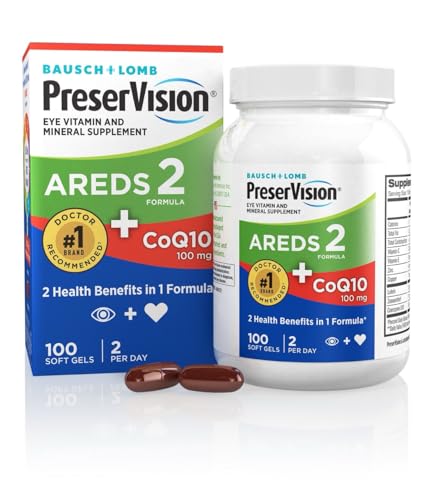
Many people find a third‑party‑tested AREDS2‑style blend AREDS2 Eye Formula helpful for matching trial‑based doses, and a re‑esterified triglyceride fish oil like Omega‑3 TG 1000 convenient for dry eye trials. For traditional support of visual comfort during screen use, a standardized extract such as Bilberry 36% Anthocyanins is an option; evidence is emerging and individual responses vary.
Safety considerations, interactions, and when to pause
General guidance
Avoid stacking multiple eye formulas that duplicate vitamins/minerals.
Reassess need every 6–12 months with your eye care professional.
Upper limits (ULs) and cautions
Vitamin A (retinol/retinyl): UL 3000 mcg RAE (≈10,000 IU) daily. High doses can cause liver toxicity, birth defects, and raised intracranial pressure. Avoid high‑dose retinol in pregnancy; use only under medical supervision for deficiency.
Beta‑carotene: Not recommended for current or former smokers due to increased lung cancer risk seen in large trials (ATBC, CARET). AREDS2 removed beta‑carotene for this reason.
Vitamin E: Very high doses (≥400 IU/day in some studies) may increase bleeding risk and interact with anticoagulants/antiplatelets; discuss if on warfarin, DOACs, or high‑dose aspirin.
Vitamin C: UL 2000 mg/day; higher intakes can cause GI upset and may raise kidney stone risk in predisposed individuals.
Zinc: UL 40 mg/day for chronic use. AREDS used 80 mg/day with copper 2 mg; long‑term high‑dose zinc can cause copper deficiency anemia, neuropathy, and GI symptoms. Monitor if using high‑dose.
Omega‑3s: At typical doses (≤3000 mg/day EPA+DHA), bleeding risk is low but be cautious with anticoagulants/antiplatelets. May interact with some blood pressure medications (additive hypotensive effect).
Ginkgo biloba: Antiplatelet effects may increase bleeding risk with warfarin, DOACs, aspirin, NSAIDs. Rare reports of headache or GI upset.
NAC: May potentiate nitroglycerin (enhancing vasodilation and headache); use caution with antihypertensives. Can cause GI upset or sulfur odor. Asthmatics should consult a clinician.
Astaxanthin and bilberry: Generally well tolerated; may mildly lower blood pressure or blood glucose—monitor if on related medications.
Medication and condition red flags
On anticoagulants/antiplatelets: Be cautious with high‑dose vitamin E, omega‑3s, ginkgo, and possibly bilberry.
Pregnancy or trying to conceive: Avoid high‑dose vitamin A (retinol); beta‑carotene from food is acceptable.
Liver disease: Use vitamin A with caution; discuss with your clinician.
Statins: No consistent harmful interactions with lutein/zeaxanthin or omega‑3s; coenzyme Q10 reductions from statins are separate from ocular concerns.
Who is most likely to benefit—and practical next steps
Who may benefit
Adults 50+ with intermediate AMD (as diagnosed by an eye care professional): AREDS2‑style supplementation has strong evidence to slow progression.
People with dry eye symptoms (burning, fluctuating vision, contact lens discomfort), especially with screen‑heavy work: A time‑limited omega‑3 trial and attention to blinking/environmental factors may help; consider astaxanthin or NAC as adjuncts.
Diet patterns low in leafy greens, eggs, and fish: Lutein/zeaxanthin and omega‑3s can bridge gaps while dietary changes are made.
Normal‑tension glaucoma patients: Ginkgo may be considered as an adjunct under physician supervision—evidence is emerging and not a substitute for IOP management.
People with vitamin A deficiency risk (malabsorption, restrictive diets): Medical evaluation and targeted therapy are essential; do not self‑treat with high‑dose retinol.
Selecting quality supplements
Look for third‑party testing seals (USP, NSF, or ConsumerLab) to reduce contamination and label‑claim issues.
Choose standardized extracts:
Bilberry: 25–36% anthocyanins
Ginkgo: 24% flavone glycosides and 6% terpene lactones (EGb 761 or equivalent)
Astaxanthin: From Haematococcus pluvialis
Carotenoids: Many clinical studies used free‑form lutein and zeaxanthin; take with a meal containing fat for absorption.
Fish oil: Triglyceride or re‑esterified TG forms may absorb better; verify peroxide and anisidine values for freshness when available.
Monitoring outcomes
AMD: Use an Amsler grid weekly to watch for distortion; report changes promptly.
Dry eye: Track symptoms (e.g., OSDI questionnaire), contact lens comfort hours, and use of lubricating drops.
Glaucoma: Visual field testing and OCT nerve fiber layer assessments are clinician‑run; do not rely on supplements without regular follow‑up.
When to seek ophthalmologic care
Sudden vision changes, flashes/floaters, a curtain over vision, eye pain, or rapid vision loss warrant urgent evaluation.
If you start supplements and develop unusual bruising/bleeding, severe headaches, GI distress, or rash, stop and contact your clinician.
For diagnosed intermediate AMD: An AREDS2‑style formula with lutein/zeaxanthin, vitamin C, vitamin E, zinc, and copper is supported by strong evidence to slow progression.
For dry eye: Trial 1000–2000 mg/day EPA+DHA for 8–12 weeks; consider adding astaxanthin or discussing topical/oral NAC with your clinician if symptoms persist.
Emphasize food: Leafy greens/eggs for lutein/zeaxanthin; fish for DHA/EPA; colorful produce and nuts/seeds for a robust antioxidant network.
Prioritize safety: Mind ULs, avoid beta‑carotene if you smoke or formerly smoked, and be cautious with bleeding risks (vitamin E, ginkgo, omega‑3s) if on anticoagulants.
Choose quality and monitor: Prefer third‑party‑tested, standardized products and track symptoms or vision metrics with your eye doctor.
Disclaimer
This article is for educational purposes and should not replace personalized medical advice. Supplements can interact with medications and may not be appropriate for everyone. Work with your eye care professional to tailor a plan to your diagnosis and health history.
This content is for informational purposes only and does not constitute medical advice. Always consult a qualified healthcare provider before starting, stopping, or changing any supplement or medication regimen.
Natural Supplements for Brain Health: An Evidence‑Based Guide to Nootropics, Omega‑3s, and Key Vitamins. If you’re searching for natural supplements for brain health, you’re likely looking for safe, evidence‑based ways to support memory, focus, mood, or long‑term cognitive resilience. This guide reviews what research suggests works, how these supplements may act in the brain, and how to use them though
Supplements for Healthy Aging: An Evidence‑Based Guide to What Works, Dosage & Safety. Aging well is about staying strong, sharp, and active—not chasing immortality. If you’re wondering which supplements for healthy aging are actually worth considering, research suggests a focused, evidence‑based plan can support bones, heart, brain, mitochondria, skin, and stress resilience. Suppleme
Supplements for Heart Health: Evidence‑Based Options, Dosage & Safety. If you’re looking into supplements for heart health, you’re not alone. Many people want to know which nutrients can support cholesterol, blood pressure, triglycerides, heart rhythm, and overall cardiovascular resilience—without overpromising or overlooking risks. This guide reviews research-backed o
Nutritional Supplements for Memory Improvement: An Evidence‑Based Guide. If you’re exploring nutritional supplements for memory improvement, you’re not alone. Many people—students under stress, busy professionals, and older adults noticing “tip‑of‑the‑tongue” moments—look for safe, research‑backed ways to support recall, focus, and long‑term brain health. This guide synt
Top Vitamins for Skin Health: An Evidence‑Based Guide to Vitamin C, E, A, D, Biotin & More. If you’re wondering which nutrients truly nourish your skin, you’re not alone. Many people search for the top vitamins for skin health to address dryness, acne, fine lines, or uneven tone. Research suggests specific vitamins play distinct biological roles in collagen synthesis, antioxidant defense,
Supplements for Energy Boost: Evidence‑Based Options, Dosage, and Safety. Feeling drained and wondering which supplements for energy boost actually work? Before reaching for a pill or powder, it helps to understand why energy dips happen and when supplements may help versus when a medical evaluation is the smarter first step. This guide bridges western research and time‑t