Optimal Vitamins for Children’s Health: An Evidence‑Based Guide for Parents
Parent-focused guide to optimal vitamins for children’s health—age-based dosages, food sources, when to supplement, safety, and quality tips.
·12 min read
This content is for informational purposes only and does not constitute medical advice. Always consult a qualified healthcare provider before starting, stopping, or changing any supplement or medication regimen.
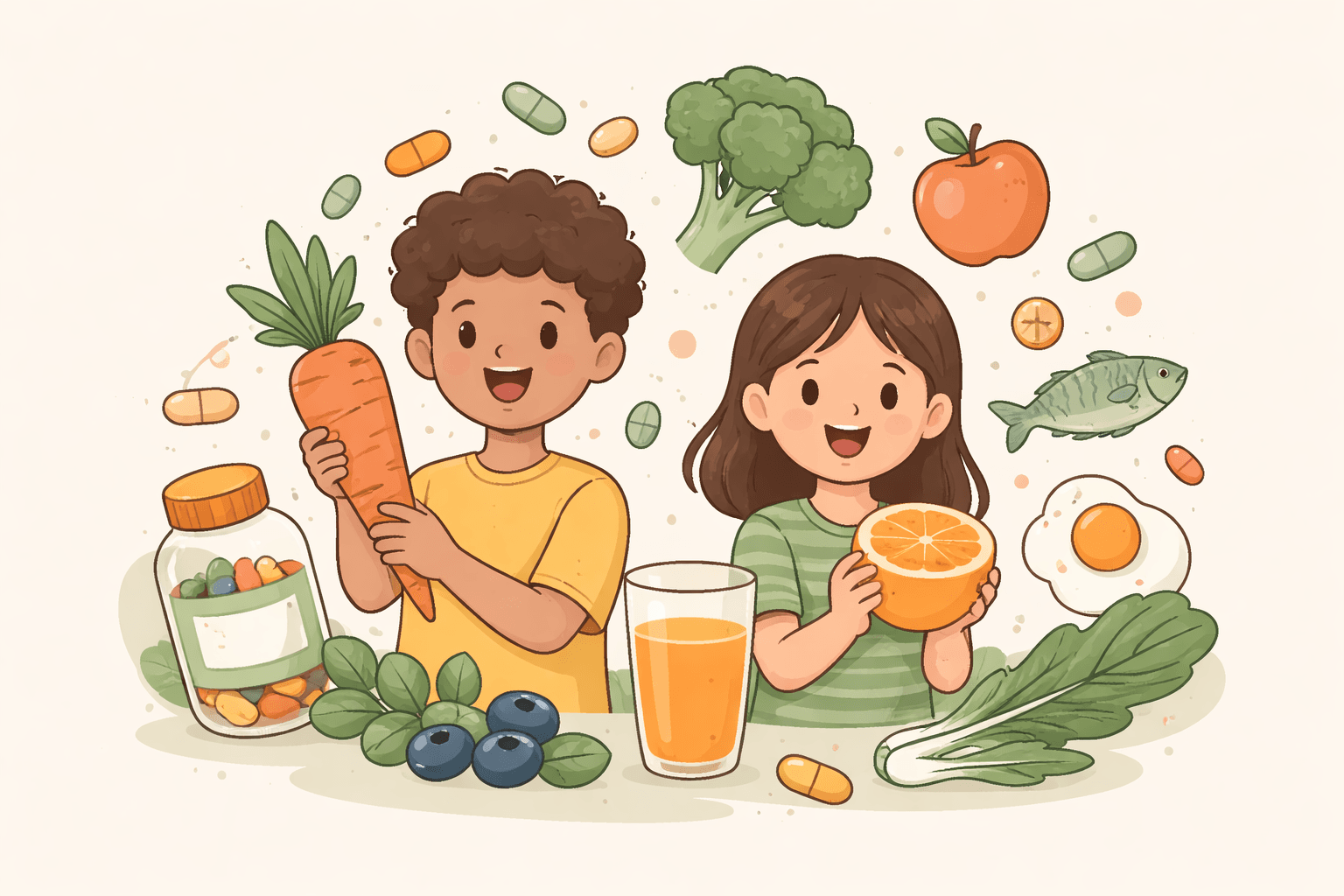
Parents often ask: What are the optimal vitamins for children’s health, and does my child need a supplement? This guide bridges western evidence and traditional wisdom so you can make clear, safe choices. We review roles, dosages by age, food sources, when to consider supplements, and how to evaluate quality—using plain language and transparent evidence levels.
What Are the Optimal Vitamins for Children’s Health?
“Optimal” means meeting a child’s needs for normal growth, immune function, and development—primarily from a varied diet, with targeted supplementation when evidence supports it. Key vitamins for infants through school‑age children include A, the B‑complex (with focus on B12 and folate), C, D, E, and K.
What it does: Supports vision (retinal forms rhodopsin in the eye), immune function, skin and mucosal barriers, and growth via gene regulation.
Food sources: Preformed vitamin A (retinol) in liver, eggs, dairy; provitamin A carotenoids in orange/green produce (sweet potatoes, carrots, spinach, mango).
Age‑specific needs (RDA/AI; mcg RAE/day) (NIH/DRI tables: strong evidence):
Deficiency signs: Night blindness, dry eyes, frequent infections, poor growth (moderate evidence; clinical observations and epidemiology).
Excess signs: Headache, nausea, irritability, liver issues; in infants a bulging fontanelle. Research strongly advises avoiding retinol megadoses in children (strong evidence; NIH ODS Vitamin A; Cochrane data from high‑dose programs in deficient regions show benefit only where deficiency is common).
Context note: In regions with endemic deficiency, periodic high‑dose vitamin A reduces child mortality (strong evidence; Cochrane). In well‑nourished settings, avoiding high‑dose retinol outside medical indications is standard (strong evidence).
B‑Complex Focus: Vitamin B12 and Folate
What they do: Folate and B12 drive DNA synthesis and red blood cell production; B12 also supports myelin (nerve insulation). Together they regulate methylation and homocysteine (strong evidence; established physiology).
Excess notes: High folic acid can mask B12 deficiency; routine megadoses are generally avoided without clinical indication (strong evidence; NIH ODS Folate).
Vitamin C (ascorbic acid)
What it does: Essential for collagen formation (wound healing, blood vessels, bones), antioxidant defense, and iron absorption (strong evidence).
Food sources: Citrus, kiwis, berries, bell peppers, broccoli, tomatoes.
UL (mg/day) (NIH/DRI: strong evidence): 1–3 y: 400; 4–8 y: 650; 9–13 y: 1,200. (No UL set for infants.) [NIH ODS Vitamin C]
Deficiency signs: Scurvy—bleeding gums, petechiae/bruising, bone pain, fatigue (strong evidence).
Excess signs: Stomach upset, diarrhea; in predisposed individuals, kidney stone risk (moderate evidence; NIH ODS Vitamin C).
Research note: Regular vitamin C does not prevent most colds but may modestly shorten duration in children who use it consistently (moderate evidence; Cochrane review).
Learn more about vitamin C forms and uses: Vitamin C.
Vitamin D (cholecalciferol D3; ergocalciferol D2)
What it does: Regulates calcium and phosphorus for bone/mineral growth; also modulates immunity (strong evidence).
Food sources and sun: Fatty fish, fortified milk/plant milks, egg yolks. Skin makes vitamin D with UVB exposure (depends on latitude, season, skin tone, sunscreen) (moderate evidence; variability is high).
Evidence‑based note: The American Academy of Pediatrics supports 400 IU/day for all breastfed infants and 600 IU/day for most children/adolescents to prevent deficiency and support bone health (strong evidence; AAP). Formula‑fed infants often meet needs if consuming ~32 oz/day of vitamin D–fortified formula (guideline consistency; AAP/NIH).
Form considerations: Systematic reviews suggest D3 raises 25(OH)D levels more effectively than D2 across age groups (moderate evidence; AJCN meta‑analysis).
UL (mg/day) (NIH/DRI: strong evidence): 1–3 y: 200; 4–8 y: 300; 9–13 y: 600. (No UL for infants.) [NIH ODS Vitamin E]
Deficiency signs: Rare in healthy kids; possible neuropathy, muscle weakness, hemolytic anemia—seen with severe fat‑malabsorption or very low birth weight infants (moderate evidence; clinical contexts).
Excess signs: Increased bleeding risk, especially with anticoagulants (strong evidence; NIH ODS Vitamin E).
Vitamin K (phylloquinone K1; menaquinones K2)
What it does: Activates clotting proteins and bone proteins (e.g., osteocalcin) via carboxylation (strong evidence).
Food sources: K1 in leafy greens (kale, spinach, broccoli); K2 in fermented foods (natto, some cheeses) and animal livers. Gut bacteria also contribute (emerging evidence for contribution magnitude).
UL: None established for natural forms; toxicity is rare from foods. (Synthetic menadione is not used due to toxicity.) [NIH ODS Vitamin K]
Key note: Newborns receive vitamin K prophylaxis at birth to prevent dangerous bleeding—strong evidence supports this practice (AAP/CDC guidance).
Recommended Daily Intakes and Safe Upper Limits by Age
Below is a quick reference for healthy children. Values are for total daily intake (diet plus supplements). Use these as guardrails; individual needs may vary. Sources: NIH Office of Dietary Supplements and Institute of Medicine DRIs (strong evidence), and AAP for vitamin D guidance (strong evidence).
Infants 0–6 months: A 400 mcg RAE (AI; UL 600), C 40 mg (AI), D 400 IU (UL 1,000), E 4 mg (AI), K 2.0 mcg (AI), B12 0.4 mcg (AI), folate 65 mcg DFE (AI). [NIH ODS]
Infants 7–12 months: A 500 mcg RAE (AI; UL 600), C 50 mg (AI), D 400 IU (UL 1,500), E 5 mg (AI), K 2.5 mcg (AI), B12 0.5 mcg (AI), folate 80 mcg DFE (AI). [NIH ODS]
Toddlers 1–3 years: A 300 mcg RAE (UL 600), C 15 mg (UL 400), D 600 IU (UL 2,500), E 6 mg (UL 200), K 30 mcg (AI), B12 0.9 mcg, folate 150 mcg DFE (UL for folic acid 300 mcg). [NIH ODS]
Children 4–8 years: A 400 mcg RAE (UL 900), C 25 mg (UL 650), D 600 IU (UL 3,000), E 7 mg (UL 300), K 55 mcg (AI), B12 1.2 mcg, folate 200 mcg DFE (UL for folic acid 400 mcg). [NIH ODS]
Children 9–13 years: A 600 mcg RAE (UL 1,700), C 45 mg (UL 1,200), D 600 IU (UL 4,000), E 11 mg (UL 600), K 60 mcg (AI), B12 1.8 mcg, folate 300 mcg DFE (UL for folic acid 600 mcg). [NIH ODS]
Common deficiency red flags to recognize by age
Infants: Poor bone mineralization (vitamin D), unusual bleeding (vitamin K deficiency—rare after newborn prophylaxis), poor growth (A, D, or general undernutrition).
Toddlers: Frequent infections (A, D; also lifestyle factors), fatigue/pallor (B12/folate—especially in vegan diets), bleeding gums/easy bruising (C).
School‑age: Bone pain or delayed growth (D), concentration/fatigue (B12/folate anemia), visual adaptation issues in dim light (A).
Signs of potential excess to watch: Persistent nausea/headache (A or D), unexplained bruising/bleeding (E or K issues), chronic diarrhea/abdominal pain (high C), unusual thirst/urination with high‑dose D. If these occur, it may be prudent to discuss current supplement use with a clinician before continuing (safety practice; moderate evidence).
When Supplementation Is Appropriate—and Practical Tips
Most children can meet needs with food. Supplementation becomes reasonable when one or more of the following apply. Evidence levels are indicated.
Low sunlight exposure or higher vitamin D needs (strong evidence): Breastfed infants generally receive 400 IU/day D3; children/adolescents commonly target 600 IU/day (AAP guidance). Darker skin, high latitudes, winter, or consistent sunscreen use are factors associated with a higher likelihood of requiring supplemental intake. Examples of formats families use include liquid D3 drops for infants. Verifying that product dose aligns with age and total intake can help avoid exceeding ULs. [AAP; NIH ODS]
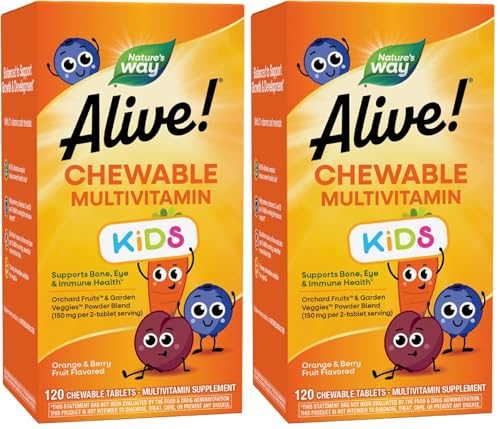
Picky eaters or restricted diets (moderate evidence): A basic children’s multivitamin at or near 100% Daily Value (DV) can function as a safety net in selective eaters. Products without megadoses are often chosen to limit the chance of exceeding ULs. Examples include chewables that are third‑party tested; families commonly verify that serving sizes and doses match the child’s age range.
Vegetarian/vegan diets (strong for B12): Vegan children require reliable B12 from fortified foods or a supplement to prevent deficiency that can affect neurodevelopment (strong evidence). Folate‑rich foods are typically abundant in such diets; iron status may also merit separate attention (iron is a mineral). [NIH ODS B12]
Food allergies, malabsorption, or chronic illness (moderate evidence): Conditions like celiac disease, cystic fibrosis, inflammatory bowel disease, or cholestatic liver disease can impair fat‑soluble vitamin absorption (A, D, E, K). A pediatric clinician can individualize dosing and monitoring.
Limited intake of produce (emerging for C): If fruit/vegetable intake is consistently low, modest vitamin C supplementation may help reach the RDA. See our primer: Vitamin C.
Pediatric formulations and dosing considerations
Forms: Drops for infants; chewables or small tablets for kids who can safely chew; gummies are palatable but often higher in sugars and may adhere to teeth—serving with meals and practicing dental hygiene afterward may reduce sticking.
Vitamin D: D3 commonly raises 25(OH)D more effectively than D2 (moderate evidence). Liquid drops with calibrated droppers are frequently used in infancy for dose accuracy.
Vitamin A: Products that provide most vitamin A as beta‑carotene may reduce toxicity risk compared with higher amounts of preformed retinol in young children (moderate evidence; NIH ODS Vitamin A).
Folate form: Folic acid is well‑studied; some products use methylfolate. Either can meet needs within age‑appropriate amounts. Keeping total folic acid intake within ULs is a common strategy, particularly if B12 status is uncertain (strong evidence; NIH ODS Folate).
Megadoses: Routine high‑dose vitamin use in children without a medical indication is generally discouraged in clinical guidance due to toxicity risks and UL exceedance (strong evidence; NIH/DRI; AAP statements).
Interactions to know: Vitamin C enhances iron absorption; calcium can compete with iron; high‑dose E may increase bleeding risk; vitamin D works alongside calcium and, possibly, vitamin K2 for bone health (moderate evidence overall; see NIH ODS fact sheets). For a broader overview on pairing and spacing, see What Vitamins Should You Not Take Together? Interactions & Timing.
Helpful tools
Families managing infant dosing often use liquid droppers for accuracy; examples include a Liquid Multivitamin Dropper. Product examples are provided for illustration and are not endorsements; clinical guidance can help with individualized choices.
What the Research Says
We regularly review clinical guidelines, randomized trials, and systematic reviews. Here’s the state of evidence for key pediatric vitamins.
Routine multivitamins in healthy children (moderate evidence): In well‑nourished children, routine multivitamin use shows limited measurable benefit for growth or academic performance, though standard‑dose multis can reduce risk of subclinical shortfalls in selective eaters or food‑insecure settings. Over‑supplementation raises the possibility of exceeding ULs (especially vitamin A and folic acid) (NIH ODS Multivitamin/Mineral overview; pediatric observational data).
Vitamin D (strong evidence for deficiency prevention; moderate for extra‑skeletal outcomes): AAP and multiple guidelines support 400 IU/day for infants and 600 IU/day for children/adolescents to prevent rickets and maintain bone health. Randomized trials consistently show supplementation raises 25(OH)D levels; effects on respiratory infections are mixed and context‑dependent (AAP; NIH ODS; meta‑analyses of ARI outcomes).
Vitamin A (context‑dependent evidence): In regions with endemic deficiency, periodic high‑dose vitamin A reduces child mortality and measles complications (strong evidence; Cochrane). In well‑nourished settings, routine high‑dose vitamin A is avoided due to toxicity risk (strong evidence; NIH ODS; national guidelines).
Vitamin C (moderate evidence): Research suggests regular vitamin C does not prevent most colds but can modestly shorten duration in children who use it consistently (Cochrane). For wound healing and iron absorption support, physiological intakes from diet generally suffice (strong evidence for basic requirements).
B12 and folate (strong for B12 in vegan/vegetarian children; moderate for folate): B12 deficiency can impair neurodevelopment; reliable intake via fortified foods or supplements is essential for vegan children and for those with low intake or malabsorption (strong evidence; NIH ODS B12). Folate sufficiency is typically achievable with diet; high‑dose folic acid without medical indication is generally avoided due to masking of B12 deficiency (strong evidence; NIH ODS Folate).
Vitamin E and K (strong evidence against routine high‑dose E; strong for newborn K prophylaxis): Routine vitamin E supplementation is not advised for healthy children (NIH ODS E). Newborn vitamin K prophylaxis is strongly supported to prevent hemorrhagic disease of the newborn (AAP/CDC).
Evidence labels used here
Strong: Multiple RCTs and/or authoritative guidelines support benefit or risk (e.g., vitamin D for infants; newborn vitamin K).
Moderate: Limited RCTs or consistent observational data (e.g., multivitamin as safety net in selective eaters; vitamin C for cold duration).
Emerging/Traditional: Preliminary or historical use without robust pediatric RCTs. We note these when relevant.
Testing, Quality, and Professional Guidance
When to consider lab testing
Vitamin D (25‑hydroxyvitamin D): Testing is often reserved for children with rickets risk, chronic illnesses affecting absorption, dark skin at high latitudes, obesity, or persistent low intake/sunlight. Routine population screening is not universally recommended (moderate evidence; guideline consensus).
B12 and folate: Testing may be helpful if macrocytic anemia, unexplained fatigue, neuropathy, developmental delay, or a vegan diet without reliable B12 sources is present (strong evidence; NIH ODS B12/Folate).
Others (A, E, K): Usually considered in specific medical conditions (e.g., malabsorption, liver disease) under clinician guidance (moderate evidence).
How to evaluate supplement quality
Third‑party seals such as USP Verified, NSF Certified, or ConsumerLab tested can increase confidence in identity and potency; these seals do not establish clinical benefit (moderate evidence; quality standards).
Forms and doses commonly sought:
Vitamin D as D3, with total intake staying within age‑appropriate ULs.
Vitamin A primarily as beta‑carotene to limit preformed retinol exposure in young children.
Folic acid kept within age‑appropriate ULs unless a clinician advises otherwise.
Inactive ingredients: Families often look for minimal added sugars, fewer artificial colors, and awareness of allergens; tooth‑friendly options may be preferable.
Packaging and dosing tools: Child‑resistant caps and accurate droppers for liquids support safe use.
When to consult a pediatrician
For infants, clinicians can provide guidance before any supplement use; additional input is also helpful if a child takes prescription medications or has chronic illness, prematurity, or malabsorption.
If signs of deficiency or excess are observed (as outlined above), discussing next steps with a clinician can guide safe adjustments.
If combining more than one fortified product (e.g., a multivitamin plus separate A or D), a clinician can help review total daily intakes to avoid duplication or UL exceedance.
Practical Takeaways for Parents
Food first: A colorful plate, varied proteins, and fortified dairy/plant milks typically cover most needs. This remains the foundation of optimal vitamins for children’s health (strong evidence for dietary patterns).
Targeted supplementation, when it fits:
Vitamin D for infants and many children, especially with low sun exposure (strong evidence; AAP).
B12 for vegan children (strong evidence).
A standard‑dose multivitamin for selective eaters or restricted diets—products without megadoses are often chosen to limit UL exceedance (moderate evidence).
Labels matter: Doses that align with the child’s age and do not exceed ULs—especially for vitamin A (retinol) and folic acid—help maintain safety (strong evidence; NIH/DRI).
Consider synergy and timing: Pairing vitamin C with iron‑rich meals can enhance iron absorption; calcium‑rich foods may be spaced away from iron supplements; more on combinations here: What Vitamins Should You Not Take Together?.
Perspective: For most healthy kids in high‑income settings, routine multivitamin use offers limited measurable benefit beyond a balanced diet, yet can serve as a safety net in select cases (moderate evidence).
This information is for educational purposes and should not replace personalized medical advice. Supplements are best stored out of children’s reach, ideally in child‑safe packaging.
Citations (representative, not exhaustive):
NIH Office of Dietary Supplements Fact Sheets and DRI Tables: Vitamin A, B12, Folate, C, D, E, K, and Multivitamin/Mineral Supplements (ods.od.nih.gov)
American Academy of Pediatrics: Vitamin D guidance for infants, children, and adolescents (Pediatrics policy statements)
Cochrane Reviews: Vitamin A supplementation in children; Vitamin C for the common cold
AJCN systematic review/meta‑analysis: Comparative efficacy of vitamin D3 vs D2 for raising 25(OH)D
This content is for informational purposes only and does not constitute medical advice. Always consult a qualified healthcare provider before starting, stopping, or changing any supplement or medication regimen.
Herbal Supplements for Kids: Evidence-Based Safety, Dosage, and What Parents Should Know. Parents often ask: which herbs are actually safe for kids, and how much is okay? If you’re considering safe herbal supplements for children, you’re not alone. Many families turn to gentle botanicals for colds, tummy upset, or sleep support. This guide reviews commonly used herbs, what research sugge
Essential Minerals for Optimal Health: Roles, Recommended Intake, Food Sources, Deficiency Signs, and Safe Supplementation. If you’re wondering which minerals actually matter, how much you need, and whether supplements are worth it, you’re not alone. Essential minerals for optimal health underpin everything from bone strength and energy production to thyroid balance and immune defense. This guide clarifies what each mine
Supplements for Heart Health: Evidence‑Based Options, Dosage & Safety. If you’re looking into supplements for heart health, you’re not alone. Many people want to know which nutrients can support cholesterol, blood pressure, triglycerides, heart rhythm, and overall cardiovascular resilience—without overpromising or overlooking risks. This guide reviews research-backed o
Nutrition and Herbal Guide for Wellness: Evidence‑Based Foods, Vitamins, and Herbal Remedies. If you’re looking for a single, trustworthy nutrition and herbal guide for wellness, you’re not alone. Many people want a practical plan that blends research‑backed nutrition with time‑tested herbal support—without hype. This guide outlines core diet principles, essential vitamins and minerals, and
Top Vitamins for Skin Health: An Evidence‑Based Guide to Vitamin C, E, A, D, Biotin & More. If you’re wondering which nutrients truly nourish your skin, you’re not alone. Many people search for the top vitamins for skin health to address dryness, acne, fine lines, or uneven tone. Research suggests specific vitamins play distinct biological roles in collagen synthesis, antioxidant defense,
Supplements for Healthy Aging: An Evidence‑Based Guide to What Works, Dosage & Safety. Aging well is about staying strong, sharp, and active—not chasing immortality. If you’re wondering which supplements for healthy aging are actually worth considering, research suggests a focused, evidence‑based plan can support bones, heart, brain, mitochondria, skin, and stress resilience. Suppleme