Healing Minerals for Joint Pain: Evidence‑Based Guide to Magnesium, Zinc, Boron & More
Which minerals help joint pain? Evidence-based guide to magnesium, zinc, boron, silica, dosing, safety, and how to use them alongside diet and exercise.
·8 min read
This content is for informational purposes only and does not constitute medical advice. Always consult a qualified healthcare provider before starting, stopping, or changing any supplement or medication regimen.
If joint aches are slowing you down, you may be wondering whether healing minerals for joint pain can truly help. Research suggests that several minerals support cartilage building, calm inflammatory pathways, protect joints from oxidative stress, and strengthen the bone beneath your joints. This guide reviews what they do, the strength of the evidence, how to use them safely, and where they fit within a broader joint‑care plan.
Healing Minerals for Joint Pain: How They Work
Minerals act as cofactors—tiny “on switches”—for enzymes that build and maintain joint tissues.
Collagen and cartilage synthesis: Manganese and copper help enzymes that form and cross‑link collagen and proteoglycans. Silica (as orthosilicic acid) appears to stimulate collagen production. Vitamin C is also required for collagen formation.
Anti‑inflammatory and antioxidant actions: Magnesium modulates NF‑kB (a key inflammatory switch). Zinc helps regulate cytokines and immune balance. Selenium supports glutathione peroxidase and other selenoenzymes that neutralize oxidative stress. Boron may down‑shift inflammatory markers (e.g., CRP, TNF‑α) and influence steroid hormone metabolism.
Bone remodeling: Calcium is the structural mineral; magnesium, zinc, copper, manganese, and boron support bone matrix and turnover—important because subchondral bone under cartilage affects joint pain load. For a deeper dive on bone roles, see Best Minerals for Bone Strength: An Evidence‑Based Guide to Calcium, Magnesium, Zinc, Boron & More (/articles/best-minerals-for-bone-strength).
Nerve and muscle function: Magnesium and calcium help muscles contract and relax. Calmer peri‑articular muscles can reduce joint guarding and perceived pain.
Topical mineral approaches: Epsom salts (magnesium sulfate), magnesium chloride “oil,” and mineral‑rich Dead Sea salts are used to relax muscles and may soothe painful joints. Research is mixed but suggests balneotherapy (therapeutic bathing) can offer short‑term symptom relief for some people.
Evidence levels are graded as: strong (multiple RCTs/meta‑analyses), moderate (limited RCTs/observational studies), emerging (preliminary human trials, animal/cell data), or traditional (historical use without modern trials).
What it does: Calms NMDA receptors (excitatory nerve signaling) and down‑regulates NF‑kB, which may reduce central and local sensitization to pain. Supports muscle relaxation around joints.
Studies: Observational data link higher magnesium intake with lower incidence of knee OA and lower CRP. Small RCTs in musculoskeletal pain and knee OA report modest improvements in pain and function versus placebo, though not all studies are positive. Topical magnesium evidence is limited and mixed.
Takeaway: Useful adjunct, particularly if intake is suboptimal. Effects tend to be small‑to‑moderate.
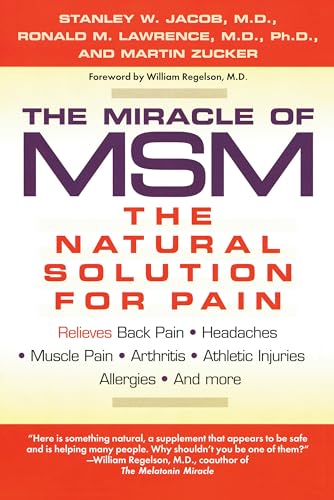
Sulfur as MSM (methylsulfonylmethane) — evidence: moderate
What it does: Provides sulfur for connective tissue; may reduce inflammatory signaling and oxidative stress.
Studies: Multiple small RCTs in knee OA show MSM (typically 3 g/day or higher for 8–12 weeks) can yield small‑to‑moderate improvements in pain and function scores compared with placebo. GI side effects are the most common.
Takeaway: Reasonable option for OA symptom support; benefit size is modest for many.
Zinc — evidence: emerging to moderate (condition‑specific)
What it does: Regulates immune responses and antioxidant enzymes (e.g., superoxide dismutase). Cofactor for tissue repair.
Studies: People with RA often show lower serum zinc; some small trials suggest zinc status may relate to disease activity, but supplementation trials for pain are limited and mixed. Evidence in OA is weaker.
Takeaway: Correct deficiency; routine high‑dose zinc for pain lacks strong support. Watch copper balance when supplementing zinc.
Copper — evidence: emerging for deficiency correction; bracelets not supported
What it does: Required for lysyl oxidase, which cross‑links collagen and elastin; supports antioxidant enzyme ceruloplasmin.
Studies: Copper deficiency impairs connective tissue integrity, but true deficiency is uncommon. Randomized trials of copper bracelets show no meaningful benefit for arthritis pain beyond placebo.
Takeaway: Ensure adequate dietary intake; supplement only if deficient or medically indicated.
Manganese — evidence: emerging
What it does: Cofactor for enzymes that build cartilage and for mitochondrial antioxidant enzyme Mn‑SOD.
Studies: Some joint‑health products combine manganese with glucosamine/chondroitin; RCTs of those blends show benefit, but the unique contribution of manganese is unclear. Direct trials of manganese alone for pain are scarce.
What it does: Influences mineral metabolism (calcium/magnesium), vitamin D action, and inflammatory mediators.
Studies: Small human trials suggest low‑dose boron (often 3–6 mg/day) may reduce pain and stiffness in OA, with some responders experiencing clinically relevant improvements. Data sets are small and heterogeneous.
Takeaway: Promising but not definitive. Consider low‑dose boron as an adjunct if diet is low.
Silica (orthosilicic acid) — evidence: emerging
What it does: May stimulate collagen synthesis and support bone matrix quality.
Studies: Human data show improved markers of bone formation with choline‑stabilized orthosilicic acid; direct OA pain trials are limited. Anecdotally used for connective‑tissue support.
Takeaway: Potential long‑term tissue support; evidence for direct pain relief is limited.
Selenium — evidence: emerging
What it does: Antioxidant protection via glutathione peroxidase and related enzymes; may modulate immune activity in inflammatory arthritis.
Studies: Lower selenium status has been associated with higher OA prevalence or progression in some cohorts. Small trials in RA have mixed results; pain reduction evidence is limited.
Takeaway: Correct deficiency; avoid high doses. Not a stand‑alone pain reliever.
Calcium — evidence: strong for bone, limited for joint pain
What it does: Core mineral for bone density. Adequate bone under cartilage may influence load distribution and symptoms over time.
Studies: Robust evidence supports calcium (with vitamin D) for bone health, not for short‑term joint pain relief. Excess supplemental calcium without K2 may raise calcification risk in some populations.
Takeaway: Meet daily needs primarily from food; important foundation, not a quick pain solution.
Topical mineral therapies — evidence: emerging to moderate (balneotherapy)
Epsom salt baths (magnesium sulfate): Widely used for muscle relaxation; limited controlled data on joint pain. Some small studies show improved well‑being; absorption through skin remains debated.
Magnesium “oil” (magnesium chloride): Evidence of transdermal absorption is mixed; reports of subjective muscle relaxation are common.
Dead Sea salt baths: Several RCTs and controlled studies in OA and inflammatory conditions report short‑term improvements in pain and stiffness after 1–3 weeks of daily or near‑daily bathing, but blinding is difficult and effects may be transient.
Important research gaps
Few large, high‑quality RCTs isolate single minerals for OA/RA pain outcomes.
Effect sizes are often small to moderate and vary by baseline deficiency.
Optimal dosing and duration for boron and silica remain unclear.
How to Use Minerals Safely for Joint Pain
The basics: prioritize food first, correct deficiencies, and add supplements thoughtfully.
Dietary sources
Magnesium: leafy greens, legumes, nuts/seeds, whole grains, dark chocolate.
Sulfur (as amino acids): eggs, meat, fish, legumes; MSM is a supplemental form.
Zinc: oysters and shellfish, red meat, pumpkin seeds, chickpeas.
Silica: whole grains (oats, barley), mineral water with silica, leafy greens.
Selenium: Brazil nuts (very rich—use sparingly), tuna, sardines, eggs.
Calcium: dairy, fortified plant milks, tofu set with calcium, leafy greens (kale), canned fish with bones.
Supplement forms and typical dose ranges (adults)
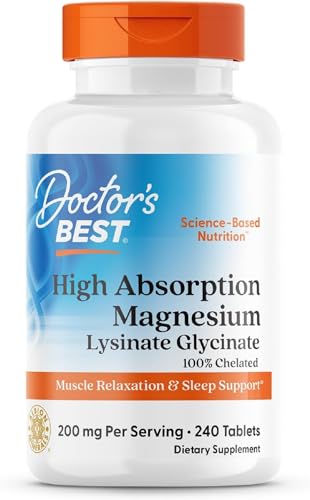
Magnesium: 200–350 mg elemental/day; forms like glycinate or citrate are well tolerated. See Magnesium (/supplements/magnesium) for details. Start low if you’re sensitive.
MSM: 1.5–6 g/day in divided doses; common dose 3 g/day. Choose products tested for purity.
Zinc: 15–30 mg/day short‑term; avoid exceeding the 40 mg/day UL unless monitored. Balance with copper.
Copper: 0.9 mg/day is the RDA; supplement 1–2 mg/day only if deficient or directed by a clinician.
Manganese: typically 1–3 mg/day if supplementing; many multis already contain this. Do not exceed 11 mg/day (UL).
Boron: 1–3 mg/day is common; some studies used up to 6 mg/day. Stay well below the 20 mg/day UL.
Silica: choline‑stabilized orthosilicic acid often provides 5–10 mg elemental silicon/day.
Selenium: 100–200 mcg/day if supplementing; RDA is 55 mcg/day; do not exceed 400 mcg/day (UL).
Calcium: Aim for 1,000–1,200 mg/day total from diet + supplements; split doses ≤500 mg for better absorption.
Forms and bioavailability notes
Chelated minerals (e.g., magnesium glycinate, zinc bisglycinate) are often gentler on the gut.
Magnesium oxide is less bioavailable and more laxative for many.
MSM is distinct from glucosamine sulfate; both are used for OA but work differently.
Testing and signs of deficiency
Magnesium: Serum can miss deficiency; RBC magnesium or clinical assessment may help. Signs include muscle cramps, twitching, and low energy.
Zinc: Plasma/serum zinc can reflect status; deficiency signs include poor wound healing, hair loss, diminished taste/smell.
Copper: Serum copper and ceruloplasmin; deficiency can cause anemia and low white blood cells.
Selenium: Serum/plasma selenium; deficiency is uncommon in many regions.
Calcium: Serum is tightly regulated; bone density reflects long‑term sufficiency.
Manganese/boron/silica: No routine clinical tests; focus on diet and cautious dosing.
Major interactions and cautions
Kidney disease: Use magnesium and potassium‑containing products cautiously; consult your clinician.
Medications that bind to minerals: Separate calcium, magnesium, and zinc by at least 2–4 hours from levothyroxine, tetracycline/quinolone antibiotics, bisphosphonates, and certain thyroid meds.
Rheumatology meds: Zinc reduces penicillamine absorption (sometimes used in RA); separate dosing and consult your rheumatologist.
Diuretics and PPIs: Can lower magnesium; monitor if symptomatic.
High‑dose zinc can induce copper deficiency; pair long‑term zinc with 0.5–1 mg copper per 10–15 mg zinc under guidance.
Selenium: Avoid high doses; signs of excess include brittle hair/nails and GI upset.
Pregnancy/breastfeeding: Avoid high‑dose non‑essential mineral supplements unless prescribed; stick near RDAs.
Topicals: Avoid applying magnesium oils to broken skin; hot baths are not appropriate for some heart conditions—use warm water and limit to 15–20 minutes.
Integrating Minerals into a Broader Joint‑Pain Plan
Minerals work best as part of a comprehensive strategy.
Pair with key vitamins
Vitamin D (most adults 1,000–2,000 IU/day, individualized to maintain 25(OH)D ~30–50 ng/mL) supports calcium/magnesium use and immune balance.
Vitamin K2 (MK‑7, 90–180 mcg/day) directs calcium to bone; avoid or closely monitor if you use warfarin.
Vitamin C (200–500 mg/day) supports collagen synthesis.
Lifestyle and therapies
Anti‑inflammatory eating pattern: Emphasize plants, omega‑3‑rich seafood, olive oil; limit ultra‑processed foods and excess alcohol. For botanical options that pair well with minerals, see Herbal Treatments for Inflammation: Evidence‑Based Guide to Turmeric, Boswellia, Ginger & More (/articles/herbal-treatments-for-inflammation).
Movement: Low‑impact aerobic activity, progressive strength training, flexibility, and balance work. Even a 5–10% weight reduction can significantly reduce knee load and pain in OA.
Topical strategies: Warm Epsom salt or Dead Sea salt baths 2–3 times/week (about 1–2 cups per tub for 15–20 minutes) can be soothing. Gentle massage and heat/cold therapy can complement mineral support.
Professional care: Physical therapy for biomechanics, podiatry for orthotics if needed, rheumatology for inflammatory arthritis, and short courses of targeted injections when appropriate.
Product quality and timelines
Choose third‑party tested supplements (USP, NSF, Informed Choice, or ConsumerLab) and brands that disclose elemental mineral content.
Expect 2–6 weeks to judge symptom changes from magnesium or MSM; boron and zinc may take 4–12 weeks if helpful; bone‑related effects take months.
Track progress with a brief weekly pain and function log (e.g., stiffness on rising, walking tolerance, need for pain meds).
When to seek medical care
Sudden, severe joint pain/swelling, a hot or red joint, fever, or new neurologic symptoms.
Unexplained weight loss, night pain, or history of cancer.
Practical Takeaways
Healing minerals for joint pain can help by supporting cartilage building, dampening inflammation, and strengthening bone; benefits are usually modest and best in those with low baseline intake.
Focus first on magnesium (200–350 mg/day) and MSM (3 g/day) if OA symptoms persist despite lifestyle changes; consider low‑dose boron (1–3 mg/day) if your diet is low.
Ensure adequate zinc but avoid long‑term high doses without monitoring copper.
Meet calcium needs largely through food; use supplements to fill gaps alongside vitamins D and K2.
Try soothing topical options like Epsom or Dead Sea salt baths as adjuncts.
For an evidence‑based overview of non‑mineral options that pair well with this plan, see Best Supplements for Joint Pain: Evidence‑Based Options & Dosage (/articles/supplements-for-joint-pain).
Thoughtful product options (affiliate mentions)
Many people find Third‑Party Tested Magnesium Glycinate (product-url) gentle on the stomach and suitable for evening use.
For connective‑tissue support, some consider Choline‑Stabilized Orthosilicic Acid (product-url); emerging evidence suggests it supports collagen and bone markers.
If you enjoy baths, Mineral‑Rich Dead Sea Bath Salts (product-url) are a popular at‑home balneotherapy option. Evidence suggests short‑term symptom relief for some users.
This information is for educational purposes and should not replace personalized medical advice. If you have kidney, liver, or cardiovascular disease; take prescription medications; or are pregnant or breastfeeding, consult your clinician before starting new supplements.
This content is for informational purposes only and does not constitute medical advice. Always consult a qualified healthcare provider before starting, stopping, or changing any supplement or medication regimen.
Best Minerals for Bone Strength: An Evidence‑Based Guide to Calcium, Magnesium, Zinc, Boron & More. If you’re asking which nutrients truly move the needle for stronger bones, you’re not alone. The best minerals for bone strength go beyond calcium—magnesium, phosphorus, zinc, copper, manganese, boron, and silicon all contribute to bone formation, remodeling, and structural integrity. Research sugge
Best Supplements for Joint Pain: Evidence‑Based Options & Dosage. If you’re exploring supplements for joint pain, you probably want relief that’s effective, safe, and grounded in evidence—not hype. This guide compares the most researched options, how they work, typical dosages, timelines for benefit, safety considerations, and how to choose high‑quality products.
Herbal Treatments for Inflammation: Evidence‑Based Guide to Turmeric, Boswellia, Ginger & More. If you’re exploring herbal treatments for inflammation, you’re likely looking for options that can reduce pain and swelling without the side effects of long-term NSAID use. Research suggests several herbs and plant compounds may help, especially for osteoarthritis and musculoskeletal pain. This guid
Natural Pain Relief Supplements: Evidence‑Based Options, Dosage & Safety. If you’re searching for natural pain relief supplements, you’re likely weighing which options actually work, how to take them safely, and what to expect. Research suggests certain herbs, nutrients, and topical compounds can modestly reduce pain—especially for osteoarthritis, low back pain, headaches
Natural Treatments for Chronic Pain: An Evidence‑Based Guide to Herbs, Supplements, and Integrative Therapies. If you live with persistent pain, you may be searching for natural treatments for chronic pain that actually help without heavy side effects. Research suggests that an integrative plan—combining targeted herbs and supplements, movement, hands‑on therapies, and mind–body strategies—can reduce pain in
Essential Minerals for Optimal Health: Roles, Recommended Intake, Food Sources, Deficiency Signs, and Safe Supplementation. If you’re wondering which minerals actually matter, how much you need, and whether supplements are worth it, you’re not alone. Essential minerals for optimal health underpin everything from bone strength and energy production to thyroid balance and immune defense. This guide clarifies what each mine