Best Supplements for Joint Pain: Evidence‑Based Options & Dosage
Which supplements help joint pain? See evidence-based options, dosages, timelines, and safety tips for glucosamine, omega‑3s, turmeric, collagen, boswellia, and more.
·14 min read
This content is for informational purposes only and does not constitute medical advice. Always consult a qualified healthcare provider before starting, stopping, or changing any supplement or medication regimen.
If you’re exploring supplements for joint pain, you probably want relief that’s effective, safe, and grounded in evidence—not hype. This guide compares the most researched options, how they work, typical dosages, timelines for benefit, safety considerations, and how to choose high‑quality products. It balances western clinical findings with traditional uses from Ayurveda and Traditional Chinese Medicine (TCM), and clearly labels the strength of the evidence behind each option.
What this guide covers and who should read it
Who it’s for: Adults with osteoarthritis (OA) or general wear‑and‑tear joint discomfort, people with morning stiffness, athletes with overuse aches, and those interested in adjunctive support for rheumatoid arthritis (RA) in consultation with their clinician.
What you’ll find: Evidence summaries, mechanisms, dosing ranges, safety and interactions, and buying tips for key supplements.
What it’s not: A replacement for medical evaluation. New, severe, hot/swollen joints, or rapidly worsening pain warrant prompt medical care. This information is for educational purposes only.
Top supplements for joint pain (quick summary)
Glucosamine sulfate: Modest pain relief and improved function in some with knee OA. Best studied as glucosamine sulfate (not HCl). Evidence level: moderate.
Chondroitin sulfate: Small‑to‑moderate benefit for OA symptoms; quality varies. Evidence level: moderate.
Omega‑3s (EPA/DHA): Help reduce pain and morning stiffness in RA; less consistent for OA. Evidence level: moderate for RA; emerging for OA. See details at Fish Oil (Omega-3).
Turmeric/curcumin: Anti‑inflammatory; several RCTs show pain reductions in knee OA vs placebo and in some cases similar to NSAIDs, though studies are small and formulations differ. Evidence level: moderate.
MSM (methylsulfonylmethane): Some RCTs show small pain reductions and improved function in knee OA. Evidence level: emerging.
Collagen (hydrolyzed peptides or undenatured type II): May reduce activity‑related joint pain and improve function; UC‑II (undenatured type II) has small RCTs with benefit. Evidence level: moderate. See Collagen Peptides.
Boswellia (frankincense): Traditionally used in Ayurveda; modern trials show modest OA pain improvements, especially standardized extracts. Evidence level: moderate. Learn more at Boswellia (Frankincense).
Vitamin D: May help if you’re deficient; not consistently effective for OA pain otherwise. Evidence level: emerging.
What the research says (evidence snapshots)
Note: Evidence levels reflect the totality of data (strong = multiple RCTs/meta‑analyses with consistent results; moderate = some RCTs/systematic reviews with limitations; emerging = preliminary/small or inconsistent human data; traditional = historical/clinical use without robust modern trials).
Glucosamine sulfate (moderate): Meta‑analyses and some long‑term RCTs using pharmaceutical‑grade glucosamine sulfate report modest improvements in pain and function in knee OA; glucosamine hydrochloride tends to perform no better than placebo. Large independent trials are mixed, with benefits more apparent in subgroups and in studies using specific sulfate preparations (e.g., “Rotta”). (Cochrane analyses; GAIT trial subgroup; European RCTs.)
Chondroitin sulfate (moderate): Cochrane reviews and subsequent meta‑analyses indicate small‑to‑moderate pain reductions and functional improvements in OA, though heterogeneity and publication bias are concerns. Quality and molecular weight of chondroitin appear to matter.
Omega‑3s EPA/DHA (moderate for RA; emerging for OA): Systematic reviews show reduced pain, morning stiffness, and NSAID use in RA after 8–12 weeks of higher‑dose EPA/DHA. OA data are less consistent, but mechanistically plausible via reduced inflammatory eicosanoids and resolvins.
Turmeric/curcumin (moderate): Systematic reviews of RCTs suggest clinically meaningful pain reductions vs placebo in knee OA and, in some trials, parity with ibuprofen or diclofenac. Bioavailability‑enhanced formulations (e.g., phytosomes) often outperform plain curcumin.
MSM (emerging): Small RCTs (e.g., 1.5–3 g/day over 8–12 weeks) show modest reductions in knee OA pain and improved function; more rigorous trials are needed.
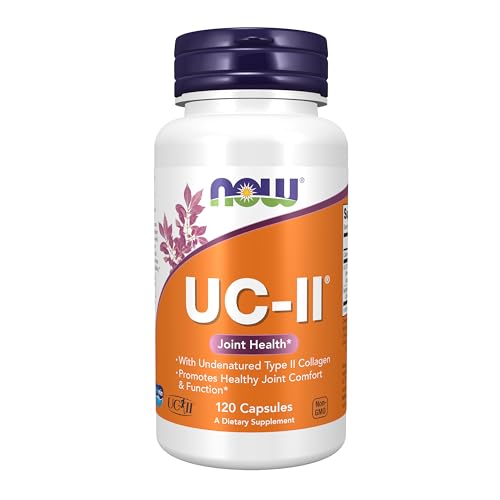
Collagen peptides and undenatured type II (moderate): RCTs in athletes and people with mild‑to‑moderate OA report decreased joint pain and better function with hydrolyzed collagen (often 5–10 g/day). UC‑II (40 mg/day) has RCTs showing improvements in pain and stiffness vs placebo.
Boswellia (moderate): Multiple double‑blind trials using standardized extracts (including 5‑Loxin/Aflapin with quantified AKBA) demonstrate reduced knee OA pain within 2–4 weeks and improved function.
Vitamin D (emerging): Large RCTs in knee OA without deficiency generally show no significant pain benefit. Correction of deficiency (25[OH]D < 20–30 ng/mL) may support musculoskeletal health broadly, with potential indirect benefits.
Eastern and Western perspectives: Ayurveda and TCM have long used boswellia and turmeric for “wind/damp” pain and inflammatory conditions. Western research suggests mechanisms—curcumin downregulates NF‑κB and COX‑2; boswellic acids inhibit 5‑LOX and inflammatory cytokines—align with traditional indications.
How each supplement works (mechanisms explained)
Glucosamine sulfate: A building block for glycosaminoglycans in cartilage; may support cartilage metabolism and downregulate inflammatory mediators. Sulfate may provide an additional substrate benefit vs HCl forms.
Chondroitin sulfate: A major component of cartilage that attracts water, potentially improving shock absorption; may inhibit cartilage‑degrading enzymes (MMPs) and reduce inflammation.
Omega‑3s (EPA/DHA): Compete with arachidonic acid to produce less pro‑inflammatory eicosanoids and generate specialized pro‑resolving mediators (resolvins, protectins) that help “turn off” inflammation.
Turmeric/curcumin: Curcumin modulates NF‑κB, COX‑2, and inflammatory cytokines (TNF‑α, IL‑6); also exhibits antioxidant effects that may protect joint tissues.
MSM: Provides sulfur for connective tissue synthesis and may exert mild anti‑inflammatory and antioxidant effects.
Collagen peptides/UC‑II: Hydrolyzed collagen provides amino acids (glycine, proline, hydroxyproline) that may stimulate collagen synthesis in cartilage; undenatured type II may induce oral tolerance, reducing immune‑mediated cartilage breakdown.
Boswellia: Boswellic acids, particularly AKBA, inhibit 5‑lipoxygenase and other inflammatory pathways; may protect cartilage from degradation.
Vitamin D: Modulates immune responses and supports bone and muscle function; joint pain benefits are most plausible when correcting deficiency.
Typical dosages, forms, and how long until benefits
Glucosamine sulfate: 1,500 mg/day (once or divided), ideally as glucosamine sulfate (often potassium chloride stabilized). Trial duration: 8–12 weeks for assessment; if helpful, ongoing use is common.
Chondroitin sulfate: 800–1,200 mg/day. May be used alone or with glucosamine. Trial 8–12 weeks.
Omega‑3s (EPA/DHA): 1,500–3,000 mg/day combined EPA+DHA, with meals. RA trials often use ≥2,000 mg/day. Expect 8–12 weeks for full effect. See Fish Oil (Omega-3) for more.
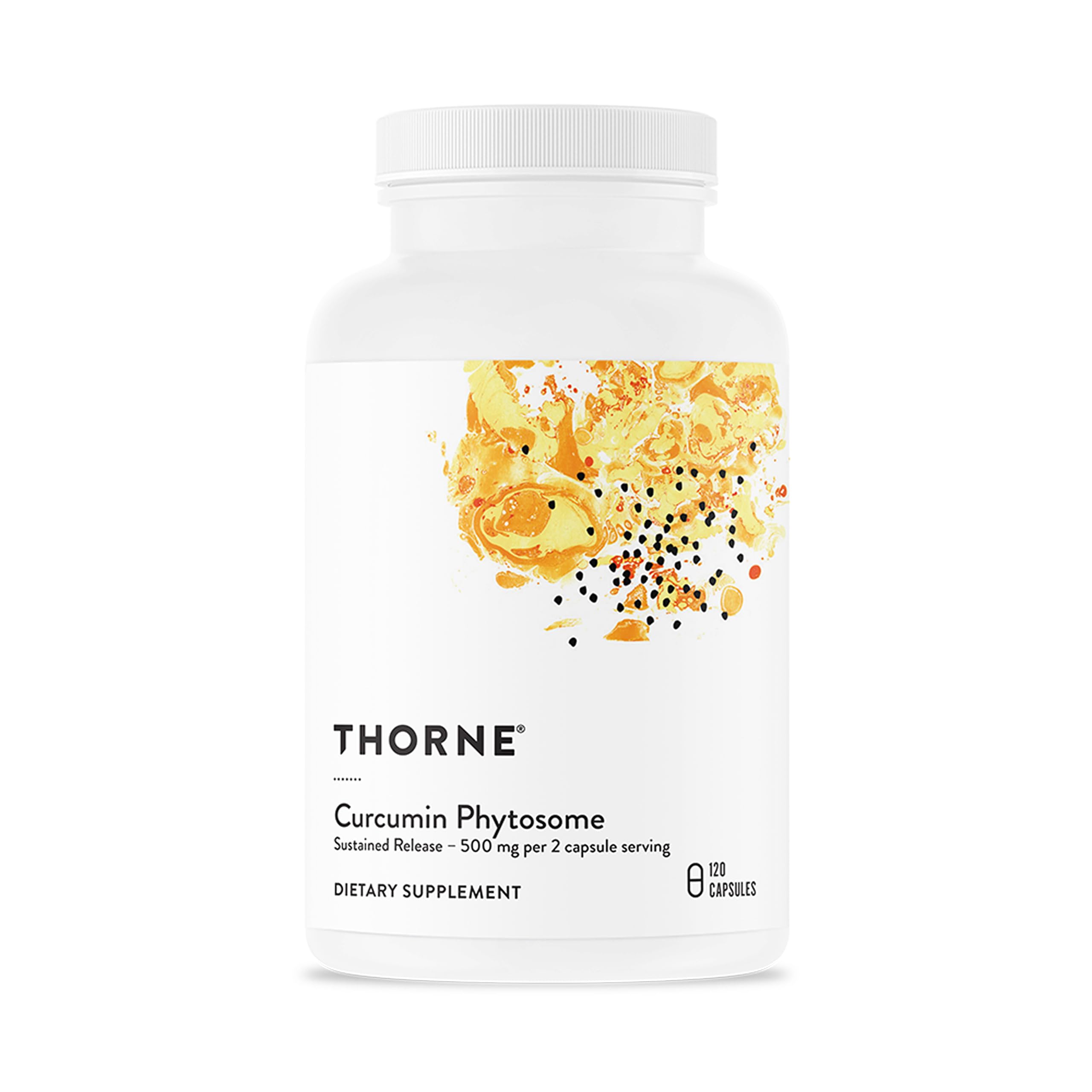
Turmeric/curcumin: 500–1,000 mg/day of curcuminoids from a bioavailability‑enhanced form (e.g., phytosome/“Meriva,” “Longvida,” or 95% curcuminoids plus 5–20 mg piperine). Trial 4–8 weeks.
Collagen: Hydrolyzed collagen peptides 5–10 g/day; undenatured type II collagen (UC‑II) 40 mg/day. Trial 8–12 weeks. See Collagen Peptides.
Boswellia serrata extract: 300–500 mg two to three times daily of a standardized extract with declared boswellic acids and quantified AKBA (e.g., 10–30% AKBA depending on brand). Onset may be 2–4 weeks. Learn more at Boswellia (Frankincense).
Vitamin D3 (cholecalciferol): 1,000–2,000 IU/day for general maintenance; personalize to blood level targets (often 30–50 ng/mL 25[OH]D). Recheck levels after ~3 months.
Note: Individual responses vary. If no benefit after the trial window, reconsider the plan with your clinician.
Safety, side effects, and drug interactions—who should avoid what
Always discuss new supplements with your healthcare professional, especially if you take prescription medications, have chronic conditions, are pregnant/breastfeeding, or are scheduled for surgery. Use the Supplement Interaction Checker — Check Drug & Supplement Interactions as a starting point.
Glucosamine sulfate: Generally well tolerated. Possible GI upset. Historically questioned for glucose control, but most RCTs show minimal impact; monitor if you have diabetes. Often derived from shellfish—caution with severe shellfish allergy (though allergenic proteins are typically removed). May interact with warfarin (rare reports of elevated INR)—monitor closely.
Chondroitin sulfate: GI upset possible. May potentiate anticoagulants (warfarin)—monitor INR. Some products are from bovine or marine sources—consider dietary restrictions/allergies.
Omega‑3s (EPA/DHA): Fishy burps, GI upset. At higher intakes (>3 g/day EPA+DHA), theoretical bleeding risk increases, particularly with anticoagulants/antiplatelets—coordinate dosing and peri‑operative plans with your clinician.
Turmeric/curcumin: GI discomfort or reflux in some. May increase bleeding risk with anticoagulants/antiplatelets; avoid high doses before surgery. Can interact with drugs via CYP enzymes and P‑gp. Caution with gallstones/bile duct obstruction.
MSM: Generally well tolerated; occasional GI upset or headache. Limited interaction data; caution with blood thinners.
Collagen: Typically safe; consider source allergies (bovine, marine, chicken). Mild GI symptoms possible.
Boswellia: Usually well tolerated; may cause GI upset or rare liver enzyme elevations—avoid if you have active liver disease without medical supervision. Possible additive effect with anti‑inflammatories (monitor).
Vitamin D: Excess can cause hypercalcemia; avoid very high chronic doses without monitoring. Interacts with thiazide diuretics and digoxin; check levels if you have kidney disease or sarcoidosis.
Surgery note: Many clinicians ask patients to stop herbal/omega‑3 anti‑inflammatories 1–2 weeks before procedures. Confirm timing with your surgeon.
How to choose a high‑quality product
Third‑party testing: Look for USP, NSF, Informed Choice, or IFOS (for fish oil) certifications, or brands with accessible batch COAs.
Correct form and standardization:
Glucosamine sulfate (not HCl) and chondroitin sulfate with declared potency per serving.
Omega‑3s: clearly labeled EPA and DHA per serving; triglyceride or re‑esterified triglyceride forms often have better absorption; low oxidation values (TOTOX ≤ 26 when disclosed).
Curcumin: bioavailability‑enhanced (phytosome/“Meriva,” “Longvida”) or 95% curcuminoids plus piperine.
Boswellia: standardized boswellic acids with quantified AKBA (e.g., 5‑Loxin/Aflapin or equivalent standardization).
Collagen: hydrolyzed collagen peptides with heavy‑metal testing; UC‑II products should specify 40 mg undenatured type II.
Dose transparency: Full ingredient disclosures, no proprietary blends for actives.
Additives and allergens: Minimal unnecessary fillers; confirm source materials (bovine/marine/chicken/shellfish) per your needs.
Smart combinations: Some people combine glucosamine + chondroitin; results are mixed but acceptable to trial. Omega‑3s can pair with curcumin or boswellia for complementary anti‑inflammatory effects. Avoid stacking multiple blood‑thinning herbs at high doses without supervision.
Time your trial: Introduce one new supplement at a time for 2–4 weeks to judge effect and tolerability, then consider adding a second.
Movement is medicine: Low‑impact exercise (walking, cycling, swimming), strength training for quadriceps/hips, and mobility work reduce pain and improve function in OA. Physical therapy can personalize a plan.
Weight management: Even a 5–10% weight reduction can significantly lower knee joint load and pain in OA.
Sleep and stress: Poor sleep and chronic stress heighten pain perception. Aim for 7–8 hours and consider relaxation/breathwork.
Medications: Supplements are adjuncts, not replacements. NSAIDs, acetaminophen, duloxetine, or intra‑articular therapies may be appropriate—work with your clinician.
Product recommendations and buying guide
Disclosure: The links below may be affiliate links. If you purchase through them, we may earn a small commission at no extra cost to you. We only suggest options consistent with the evidence discussed here. Always consult your clinician before starting any supplement, especially if you take medications or have medical conditions.
High‑potency omega‑3 (re‑esterified TG form, IFOS‑tested): Many people find High‑Strength Omega‑3 (2,000 mg EPA+DHA) convenient for reaching evidence‑based intakes for joint support, particularly in RA.
Hydrolyzed collagen peptides: For daily joint nourishment and connective tissue support, Collagen Peptides, 10 g scoop, grass‑fed is a common choice; UC‑II 40 mg capsules are an alternative with once‑daily dosing.
Non‑linked examples (compare labels and third‑party testing):
Glucosamine sulfate 1,500 mg + chondroitin sulfate 800–1,200 mg combinations (look for sulfate forms and full potency disclosure).
MSM 1,000 mg capsules (verify purity testing).
Boswellia serrata extracts standardized with quantified AKBA (e.g., 5‑Loxin or Aflapin) in the 100–250 mg per dose range, 2–3 times daily.
Vitamin D3 1,000–2,000 IU (personalize to blood levels; consider adding K2 only if appropriate for your health status and with clinician input).
How to build a personal stack (example):
Start with one: Curcumin phytosome (500–1,000 mg/day) or omega‑3 (2,000 mg/day EPA+DHA) for 8–12 weeks.
If partial relief: Add glucosamine sulfate (1,500 mg/day) ± chondroitin (800–1,200 mg/day) for another 8–12 weeks.
Then consider: Collagen peptides (10 g/day) or UC‑II (40 mg/day). Add boswellia if tolerated, especially for daytime activity pain. Reassess every 12 weeks.
Frequently asked questions (FAQ)
Can supplements replace my pain medication?
Generally, no. Research suggests supplements for joint pain can reduce symptom severity for some people, potentially lowering medication needs, but they rarely replace effective prescriptions. Work with your clinician to adjust medications safely.
How long should I try a supplement before deciding it’s not working?
Most joint supplements need 4–12 weeks. If you see no benefit by then, consider stopping or switching—ideally one change at a time so you can attribute effects accurately.
Are “natural” supplements automatically safer?
Natural doesn’t mean risk‑free. Omega‑3s, curcumin, boswellia, and others can interact with anticoagulants and other drugs, and may increase bleeding risk. Check for interactions and discuss with your clinician.
What’s better: glucosamine sulfate or hydrochloride?
Evidence favors glucosamine sulfate for OA. Glucosamine hydrochloride has not consistently outperformed placebo in large independent trials.
Do I need vitamin D for joint pain?
Vitamin D can be helpful if you’re deficient. If your levels are adequate, trials don’t show consistent joint pain relief from extra vitamin D.
What if I have rheumatoid arthritis (RA)?
Omega‑3s have the best evidence for reducing RA pain and morning stiffness alongside standard therapy. Curcumin and boswellia show promise but should be adjuncts, not replacements for DMARDs.
Is there a best time of day to take these?
Omega‑3s and curcumin: with meals to improve absorption.
Glucosamine/chondroitin and MSM: split doses may improve tolerance.
Collagen: anytime; consistency matters more than timing.
Vitamin D: with the largest meal or dietary fat.
When should I see a doctor?
Immediately if you have a hot, swollen joint; fever; inability to bear weight; new severe pain after injury; or rapidly worsening symptoms. Schedule an evaluation for persistent joint pain lasting more than a few weeks or if self‑care isn’t helping.
Practical takeaways
For OA: Consider a time‑limited trial of curcumin (bioavailable), glucosamine sulfate ± chondroitin, collagen peptides or UC‑II, and boswellia; assess after 8–12 weeks.
For RA adjunct support: Prioritize omega‑3s (EPA/DHA), then consider curcumin or boswellia—always alongside your prescribed regimen.
Stack thoughtfully: Introduce one change at a time; track pain, stiffness, and function weekly.
Safety first: Screen for interactions, surgical timing, allergies, and chronic conditions. Use third‑party‑tested products with proper standardization.
Disclaimer
This content is for educational purposes and should not replace personalized medical advice. Always consult a qualified healthcare professional before starting, changing, or stopping any supplement, medication, or treatment.
This content is for informational purposes only and does not constitute medical advice. Always consult a qualified healthcare provider before starting, stopping, or changing any supplement or medication regimen.
Natural Pain Relief Supplements: Evidence‑Based Options, Dosage & Safety. If you’re searching for natural pain relief supplements, you’re likely weighing which options actually work, how to take them safely, and what to expect. Research suggests certain herbs, nutrients, and topical compounds can modestly reduce pain—especially for osteoarthritis, low back pain, headaches
Natural Pain Relief Supplements: An Evidence‑Based Comparison (Turmeric, Boswellia, Fish Oil, CBD & More). Many people search for a natural pain relief supplements comparison because they want options beyond NSAIDs or opioids—ideally with fewer side effects. This guide compares leading supplements head‑to‑head on mechanisms, best uses, dosing, safety, interactions, and how to choose what to try first.
N
Best Supplements for Anxiety Relief: Evidence‑Based Options, Dosage & Safety. If you’re searching for the best supplements for anxiety relief, you want what works, what’s safe, and how to use it alongside proven strategies like therapy, exercise, and good sleep. This guide reviews the most studied options—magnesium, L‑theanine, ashwagandha, GABA, valerian, CBD, B‑complex vita
Healing Minerals for Joint Pain: Evidence‑Based Guide to Magnesium, Zinc, Boron & More. If joint aches are slowing you down, you may be wondering whether healing minerals for joint pain can truly help. Research suggests that several minerals support cartilage building, calm inflammatory pathways, protect joints from oxidative stress, and strengthen the bone beneath your joints. This gu
Top Natural Pain Relief Methods: An Evidence‑Based Guide to Herbs, Supplements, and Therapies. If you’re searching for top natural pain relief methods, you’re not alone. Many people want options that reduce discomfort while minimizing side effects from long‑term medication use. This guide blends western research with eastern and traditional practices, clearly noting what’s well‑supported, wha
Supplements for Heart Health: Evidence‑Based Options, Dosage & Safety. If you’re looking into supplements for heart health, you’re not alone. Many people want to know which nutrients can support cholesterol, blood pressure, triglycerides, heart rhythm, and overall cardiovascular resilience—without overpromising or overlooking risks. This guide reviews research-backed o