GABA and Natural Calm: What Science Really Says About Anxiety, the Blood–Brain Barrier, and Gentle GABAergic Supports
GABA and Natural Calm: An evidence-based look at anxiety, whether oral GABA crosses the blood–brain barrier, pharmaGABA vs. synthetic, natural strategies like L-theanine and magnesium, benzodiazepines’ mechanism, and TCM/Ayurvedic herbs with GABAergic actions.
·10 min read
This content is for informational purposes only and does not constitute medical advice. Always consult a qualified healthcare provider before starting, stopping, or changing any supplement or medication regimen.
Introduction
Gamma-aminobutyric acid (GABA) is the brain’s primary inhibitory neurotransmitter—the chemical signal that helps quiet overactive neural circuits. Because anxious states are often linked with heightened arousal, many people look to GABA-centric strategies for calm. But do oral GABA supplements actually reach the brain? What’s the difference between “pharmaGABA” and synthetic GABA? And which natural approaches may support GABAergic balance? This article reviews what research suggests, bridging Western neuroscience and traditional systems such as Traditional Chinese Medicine (TCM) and Ayurveda.
GABA 101: Why Inhibition Matters in Anxiety
GABA is the main inhibitory neurotransmitter in the adult central nervous system, counterbalancing excitatory glutamate to stabilize brain networks. [Evidence: strong]
Disruptions in GABAergic signaling—at the receptor, interneuron, or network level—have been implicated in anxiety and stress-related conditions. [Evidence: moderate]
Clinically, medications that potentiate GABA-A receptor activity (e.g., benzodiazepines) can reduce acute anxiety by enhancing inhibitory tone. [Evidence: strong]
What the evidence says
Foundational neurobiology consistently demonstrates GABA’s inhibitory function in cortical and limbic circuits implicated in fear and arousal (e.g., amygdala, prefrontal cortex). [Evidence: strong]
Human and animal studies link altered GABA receptor function and interneuron activity with anxious phenotypes, though findings vary by brain region and disorder subtype. [Evidence: moderate]
Do Oral GABA Supplements Cross the Blood–Brain Barrier? The Big Debate
The blood–brain barrier (BBB) is highly selective. Classical work suggests GABA itself has limited permeability; specialized transporters tend to move GABA out of the brain rather than in. [Evidence: strong]
However, small human trials report reduced stress or improved sleep after oral GABA, raising the possibility of indirect pathways:
Peripheral–vagal signaling: GABA receptors exist in the enteric nervous system and on vagal afferents. Changes in heart-rate variability and salivary stress markers after GABA-containing foods suggest a vagal mechanism. [Evidence: moderate]
Direct, meaningful entry of orally administered GABA into the human brain has not been convincingly demonstrated with neuroimaging or tracer studies. [Evidence: strong]
Nevertheless, research suggests oral GABA may influence stress physiology via peripheral or gut–brain pathways in some contexts. Reported human benefits are modest and variable. [Evidence: moderate]
PharmaGABA vs. Synthetic GABA: Is There a Difference?
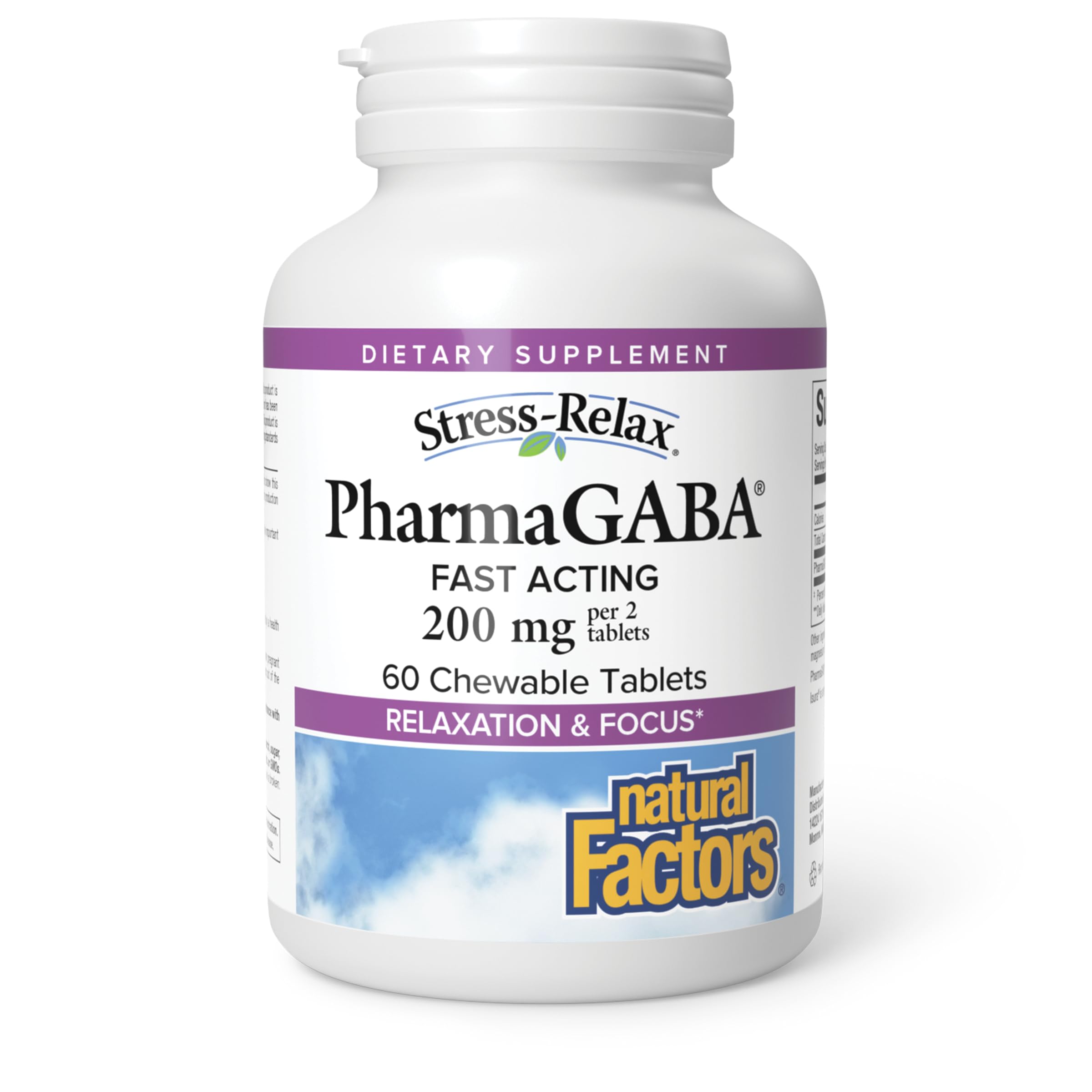
PharmaGABA refers to GABA produced via microbial fermentation (often Lactobacillus hilgardii), whereas synthetic GABA is chemically manufactured. [Evidence: strong]
Several small randomized controlled trials (RCTs) using fermented GABA report changes in physiological stress markers (e.g., secretory IgA, chromogranin A), EEG alpha-wave activity, or subjective calm during acute stress tasks. Effect sizes are generally small. [Evidence: moderate]
Direct head-to-head comparisons of pharmaGABA vs. synthetic GABA are lacking; most positive human studies have used the fermented form, sometimes with industry involvement. [Evidence: emerging]
Natural GABA-Boosting Strategies (Without Dosing Advice)
Research suggests the following strategies may help support GABAergic balance or the calm–alertness spectrum. Results vary by individual and study design.
Slow breathing and HRV biofeedback can shift autonomic balance toward parasympathetic tone, indirectly supporting inhibitory networks involved in calm. [Evidence: moderate]
Yoga and meditative movement have been associated with increases in brain GABA (magnetic resonance spectroscopy studies) and reduced anxiety symptoms, though methodologies vary. [Evidence: moderate]
Sleep regularity and light exposure entrain circadian rhythms that influence inhibitory tone and stress reactivity. [Evidence: moderate]
Microbiome and fermented foods
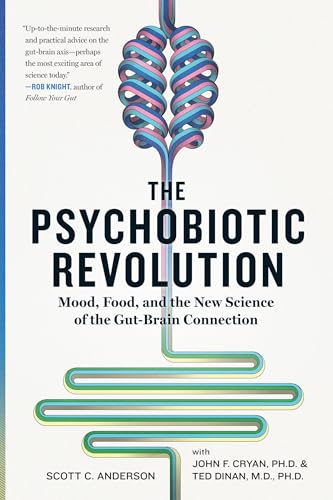
Certain probiotic strains produce or modulate GABA; animal studies and early human trials of “psychobiotics” report small reductions in stress and anxiety, likely via gut–brain signaling. [Evidence: emerging]
How Benzodiazepines Work on GABA Receptors
Benzodiazepines are positive allosteric modulators of the GABA-A receptor. They increase the frequency of chloride channel opening events in response to GABA, hyperpolarizing neurons and reducing excitability. [Evidence: strong]
Their fast-onset anxiolytic effects illustrate the central role of GABA-A receptors in acute anxiety relief. Tolerance, dependence, and sedation are well-documented pharmacologic properties, hence careful medical oversight is standard. [Evidence: strong]
Traditional Calming Herbs with Possible GABAergic Actions
This is an area where traditional practice meets modern mechanisms. Many findings come from preclinical work with limited confirmatory RCTs.
Traditional Chinese Medicine (TCM)
Suan Zao Ren (Ziziphus jujuba seed): Animal studies suggest enhanced GABAergic transmission and sleep-promoting effects; limited human data for sleep and anxiety. [Evidence: emerging; traditional]
Magnolia officinalis (honokiol, magnolol): Preclinical studies show positive modulation of GABA-A receptors and anxiolytic-like effects; small human studies of combinations (e.g., Magnolia + Phellodendron) report reduced perceived stress. [Evidence: emerging; traditional]
Poria cocos and Albizia julibrissin are traditionally used for “calming the Shen”; mechanistic data include GABAergic and serotonergic modulation in animals. Human evidence is sparse. [Evidence: emerging; traditional]
Valerian (Western herb often used in TCM practice): Valerenic acid derivatives may interact with GABA-A receptors; trials for sleep show mixed results, and anxiety data are limited. [Evidence: moderate for sleep; emerging for anxiety]
Kava (Piper methysticum): Some RCTs and systematic reviews suggest short-term anxiolytic effects, potentially via GABAergic pathways; safety concerns about hepatotoxicity have led to regulatory cautions. [Evidence: moderate efficacy; safety concerns noted]
Ayurveda
Ashwagandha (Withania somnifera): Multiple RCTs and meta-analyses report small-to-moderate reductions in stress and anxiety; mechanisms may include GABA-mimetic activity and HPA-axis modulation. [Evidence: moderate]
Gotu Kola (Centella asiatica): Small human studies suggest reduced startle and trait anxiety; preclinical work points to GABAergic and monoaminergic effects. [Evidence: emerging; traditional]
Bacopa monnieri (Brahmi): Best known for cognitive effects; limited data suggest potential anxiolytic benefits and GABA/serotonin modulation in preclinical models. [Evidence: emerging]
Putting It Together: What to Expect from GABA-Focused Approaches
Direct brain entry of oral GABA remains doubtful; any benefits may reflect peripheral or gut–brain mechanisms rather than robust central GABA elevations. [Evidence: strong for limited BBB transport; moderate for peripheral effects]
Fermented GABA (pharmaGABA) has the most human data among GABA supplements, with modest effects on stress physiology and subjective calm in acute settings. [Evidence: moderate]
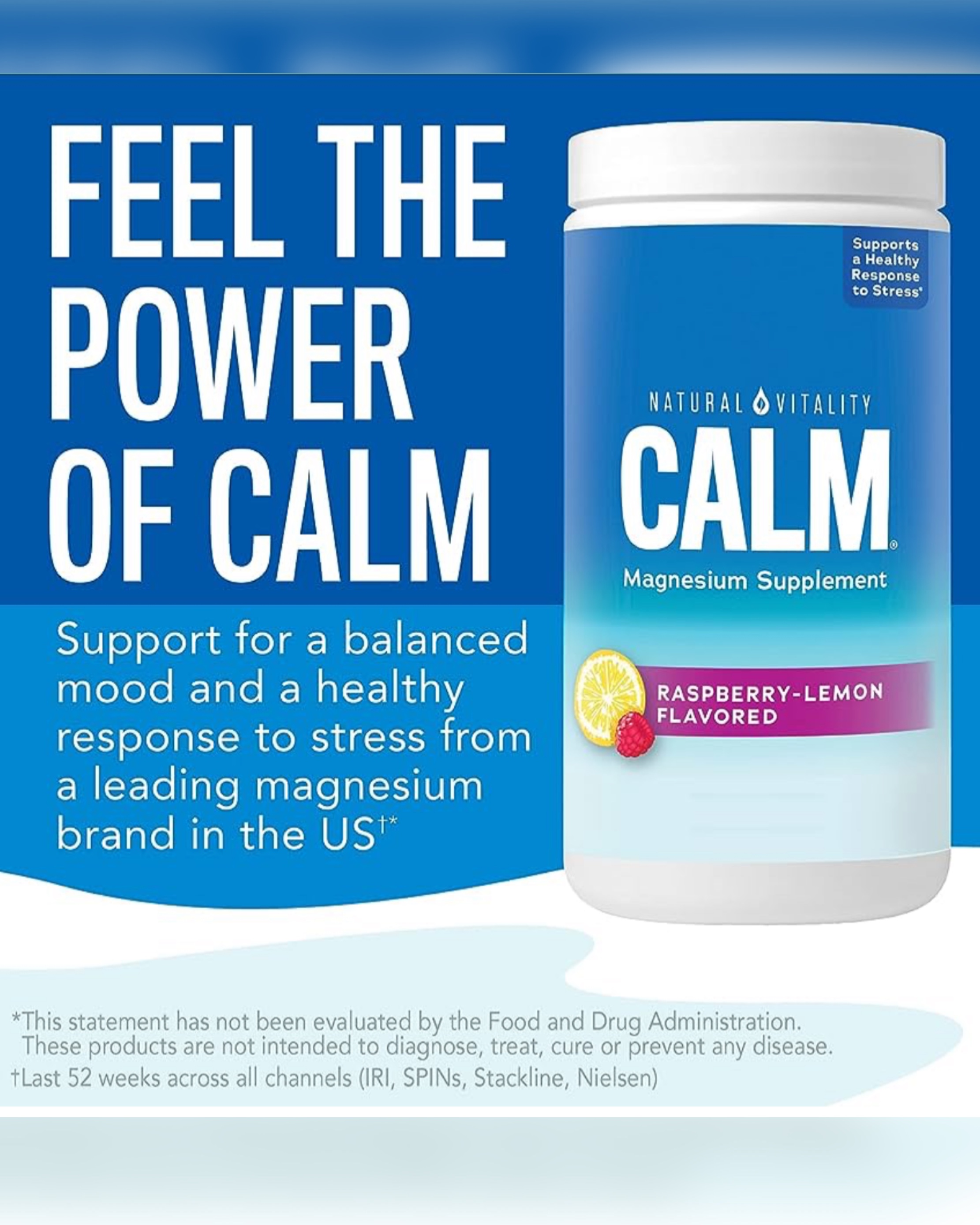
Non-GABA supplements and practices that nudge the inhibitory–excitatory balance—L-theanine, magnesium, mindful breathing, yoga, sleep regularity—may help some people regulate arousal without acting as direct GABA replacements. [Evidence: moderate]
Traditional herbs with putative GABAergic activity reflect centuries of calming use; modern evidence is promising but often preliminary and should be weighed alongside safety and quality considerations. [Evidence: emerging]
Safety and Quality Notes
Supplements vary in purity and standardization. Independent testing and transparent sourcing may help assess quality. [Evidence: moderate]
Agents that act on GABAergic pathways may produce additive sedation with alcohol or sedatives. Interactions and individual responses can differ. [Evidence: strong]
This article is informational and does not include dosing advice or medical recommendations.
Bottom Line
GABA is central to the brain’s braking system, and disrupted inhibition is linked to anxiety. [Evidence: strong]
Oral GABA likely has limited direct access to the brain; observed stress-calming effects in small trials may arise through peripheral or gut–brain pathways. [Evidence: strong for BBB limits; moderate for peripheral effects]
Fermented GABA (pharmaGABA) has modest human data; definitive comparisons with synthetic GABA are lacking. [Evidence: moderate]
Non-pharmaceutical strategies—L-theanine, magnesium, slow breathing, yoga, sleep hygiene, and select traditional herbs—may help nudge inhibitory balance, though effects are typically small to moderate and vary by person. [Evidence: moderate]
Benzodiazepines work by enhancing GABA-A receptor signaling, confirming the centrality of GABA to acute anxiety relief—but they require careful medical oversight due to known risks. [Evidence: strong]
References (selected)
Farrant M, Nusser Z. Variations on an inhibitory theme: Phasic and tonic activation of GABA(A) receptors. Nat Rev Neurosci. 2005. [Review]
Möhler H. The GABA system in anxiety and depression and its therapeutic potential. Neuropharmacology. 2012. [Review]
Kakee A, Takanaga H, Terasaki T. Brain-to-blood efflux transport of GABA and taurine at the blood–brain barrier. J Neurochem. 2001. [Preclinical]
Abdou AM et al. Relaxation and immunity enhancement effects of gamma-aminobutyric acid (GABA) administration in humans. BioFactors. 2006. [RCT]
Yoto A et al. Effects of GABA beverage on psychological stress in humans. J Nutr Sci Vitaminol. 2012. [RCT]
Yamatsu A et al. GABA ingestion improves sleep quality and reduces sleep latency. J Nutr Sci Vitaminol. 2016. [RCT]
Boyle NB et al. The effects of magnesium supplementation on subjective anxiety and stress: A systematic review. PLoS One. 2017. [Systematic review]
Hidese S et al. L-theanine administration affects stress-related symptoms and cognitive functions. Nutrients. 2019. [RCT]
Ng QX et al. A meta-analysis of ashwagandha for anxiety and stress. J Herb Med. 2021. [Meta-analysis]
Bravo JA et al. Ingestion of Lactobacillus strain regulates emotional behavior and central GABA receptor expression in mice via the vagus nerve. Proc Natl Acad Sci USA. 2011. [Preclinical]
Rudolph U, Knoflach F. Beyond classical benzodiazepines: GABA(A) receptor subtypes. Nat Rev Drug Discov. 2011. [Review]
Pittler MH, Ernst E. Kava extract for treating anxiety: A systematic review of RCTs. Cochrane Database Syst Rev. 2003; updates thereafter. [Systematic review]
Streeter CC et al. Yoga asana sessions increase brain GABA levels. J Altern Complement Med. 2007; 2010. [Human MRS]
This content is for informational purposes only and does not constitute medical advice. Always consult a qualified healthcare provider before starting, stopping, or changing any supplement or medication regimen.
GABA and Natural Calm: Do Oral GABA Supplements Cross the Blood–Brain Barrier?
If you’ve ever wondered whether taking a GABA capsule can directly calm your brain, you’re asking the right question. Th
Best Supplements for Anxiety Relief: Evidence‑Based Options, Dosage & Safety. If you’re searching for the best supplements for anxiety relief, you want what works, what’s safe, and how to use it alongside proven strategies like therapy, exercise, and good sleep. This guide reviews the most studied options—magnesium, L‑theanine, ashwagandha, GABA, valerian, CBD, B‑complex vita
Herbal Treatments for Anxiety Relief: Evidence-Based Herbs, Dosage, and Safety. Feeling keyed up, tense, or stuck in worry—and wondering whether herbal treatments for anxiety relief can help? Research suggests some plant-based options may ease mild to moderate anxiety symptoms, especially when combined with lifestyle strategies and therapy. This guide reviews what the science s
Benzodiazepines. . ## Overview
**Benzodiazepines** are a class of prescription medications that act on the central nervous system, primarily by enhancing the effect of the neurotransmitter **gamma-aminobutyric acid (GABA)**. This action generally produces calming, sedative, muscle-relaxing, and anticonvulsant effects
Naturopathic Remedies for Anxiety: Evidence‑Based Herbs, Supplements, Lifestyle Strategies & When to See a Naturopath. If you’re exploring naturopathic remedies for anxiety, you’re likely looking for options that address root causes, feel gentler than medication, and still have evidence behind them. This guide brings together research‑informed herbs, supplements, lifestyle strategies, and mind–body tools from both w