Holistic Methods for Pain Relief: An Evidence‑Based Guide to Mind‑Body, Manual, Herbal, and Lifestyle Approaches
Explore holistic methods for pain relief—mind‑body, manual, herbs, and lifestyle—with evidence levels, safety tips, and practical steps.
·11 min read
This content is for informational purposes only and does not constitute medical advice. Always consult a qualified healthcare provider before starting, stopping, or changing any supplement or medication regimen.
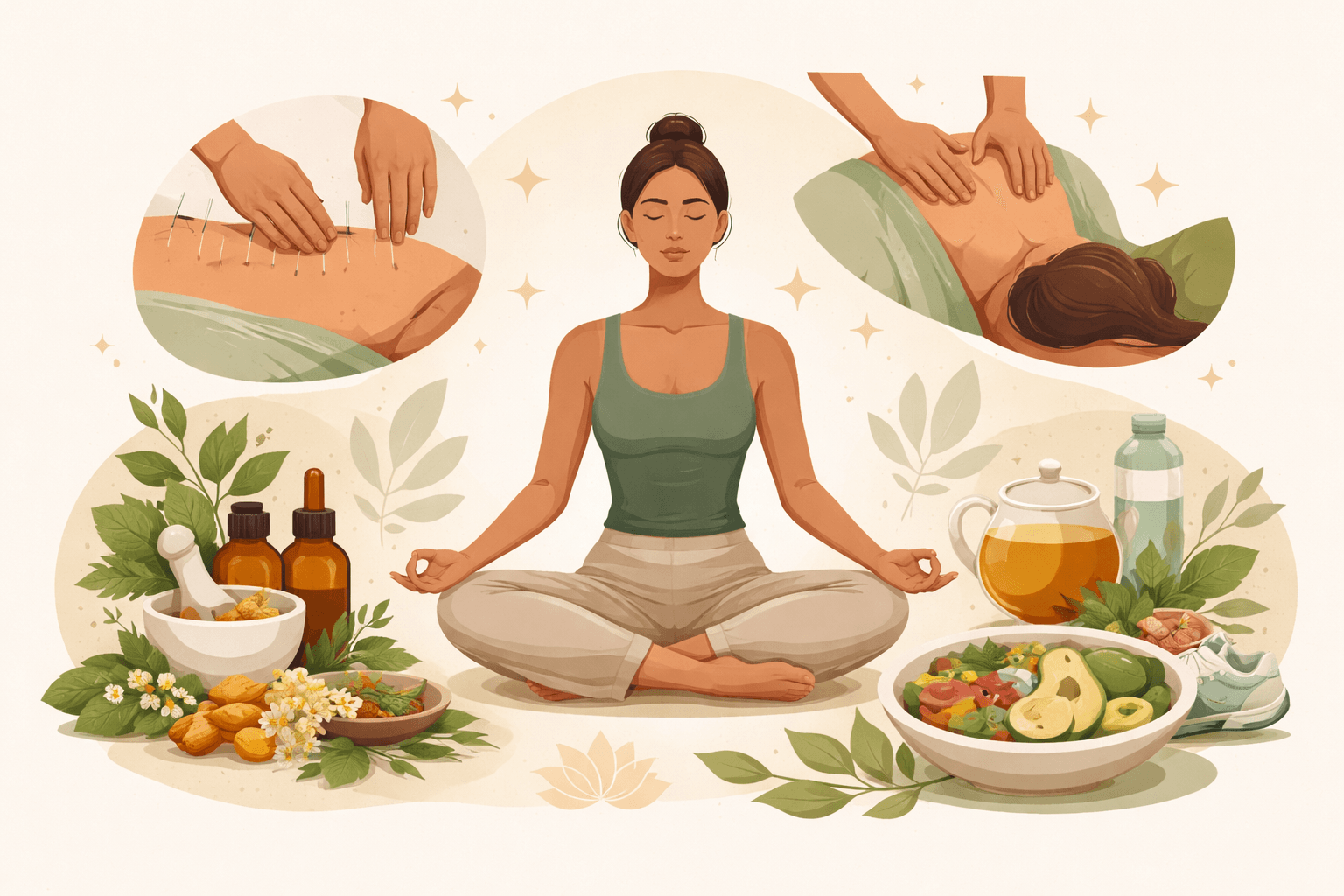
If you’re looking for holistic methods for pain relief, you’re likely hoping for options that reduce pain without heavy side effects, help you function better, and respect both body and mind. This guide brings together evidence‑based mind–body practices, movement and manual therapies, acupuncture and related techniques, and natural products to help you build a safe, integrative plan.
What is holistic pain relief?
Holistic pain relief treats the whole person—body, mind, emotions, and environment—rather than chasing a single symptom. It emphasizes the mind–body connection, realistic goals, and reducing reliance on opioids when possible. From a western perspective, chronic pain involves changes in the nervous system (sensitization) and inflammation; from eastern traditions like Traditional Chinese Medicine (TCM) and yoga therapy, pain reflects imbalances in energy, movement patterns, and stress. A holistic approach respects both views and uses the best available tools from each.
Types of pain addressed: acute (days–weeks), subacute (weeks–months), and chronic (3+ months); nociceptive/musculoskeletal (e.g., arthritis, strains), neuropathic (nerve‑related), and centralized (heightened pain processing like fibromyalgia).
Realistic outcomes: for chronic pain, research suggests aiming for a 30–50% reduction in pain intensity, better function and mood, improved sleep, and fewer flares. Complete pain elimination is possible for some acute issues but less common with long‑standing conditions.
What the research says about holistic methods for pain relief
Strong evidence (multiple RCTs/meta‑analyses): cognitive behavioral therapy (CBT) for chronic pain; structured exercise/physical therapy for many musculoskeletal conditions; mindfulness‑based interventions for pain interference and mood; topical capsaicin for certain neuropathic pains; yoga for chronic low back pain (small‑to‑moderate benefits); acupuncture for chronic pain (small‑to‑moderate benefits compared with sham and usual care).
Moderate evidence: tai chi and qigong for osteoarthritis and chronic low back pain; massage for short‑term relief in musculoskeletal pain; chiropractic/spinal manipulation for acute and chronic low back pain; omega‑3s for inflammatory pain; curcumin and boswellia for osteoarthritis; magnesium for muscle tension/migraine prevention; TENS for some musculoskeletal and neuropathic conditions.
Emerging/mixed evidence: CBD for pain and sleep; arnica gel/cream for soft‑tissue pain and osteoarthritis; ginger for dysmenorrhea and osteoarthritis; glucosamine/chondroitin for knee osteoarthritis.
Traditional use: acupuncture within TCM frameworks; herbal liniments and balms; guided imagery and breathing practices from yoga and meditation traditions.
Evidence varies by condition and individual response. The best results usually come from combining methods (multimodal care) and giving each one a fair trial period.
Mind–body therapies
Mindfulness meditation and acceptance approaches
What it is: Practices like mindfulness‑based stress reduction (MBSR) and acceptance and commitment therapy (ACT) train attention and acceptance, reducing reactivity to pain.
Mechanisms: Brain imaging shows changes in regions that process pain and emotion; mindfulness down‑shifts sympathetic arousal and reduces catastrophizing.
Evidence: Studies indicate small‑to‑moderate improvements in pain interference, stress, and quality of life. Evidence level: strong for improving function and coping; moderate for reducing pain intensity.
Best for: chronic low back pain, fibromyalgia, tension headaches, widespread pain, and when stress or anxiety amplifies symptoms.
Cognitive behavioral therapy (CBT)
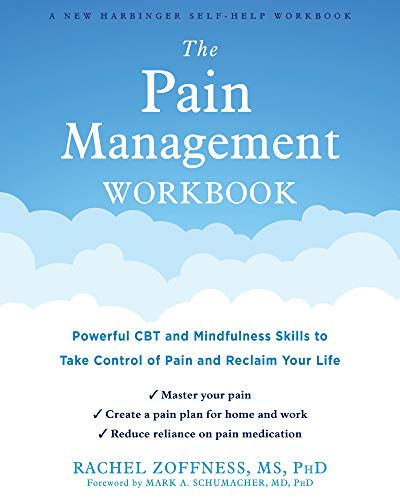
What it is: A structured, skills‑based approach to reframe pain thoughts, build pacing plans, and increase valued activities.
Evidence: Multiple RCTs show CBT improves pain coping, disability, and mood. Effects on raw pain scores are small but meaningful for daily life. Evidence level: strong.
Best for: long‑standing pain with fear of movement, kinesiophobia, insomnia, and mood changes.
Guided imagery, relaxation, and biofeedback
What it is: Techniques to relax muscles, slow breathing, and visualize comfort; biofeedback adds sensors to train control of muscle tension, heart rate, or temperature.
Evidence: Moderate for migraine/tension headache, temporomandibular disorder (TMD), and low back pain; often used with other therapies. Evidence level: moderate.
For self‑care, many people find a simple daily practice of 10–15 minutes of breathwork or guided body scans helpful.
Movement and manual therapies
Physical therapy and graded exercise
What it is: Individualized programs to restore mobility, strength, and confidence, using pacing and gradual exposure to activity.
Evidence: Strong for most musculoskeletal pain; benefits are larger when programs address both physical and behavioral factors.
Best for: back/neck pain, osteoarthritis, tendon problems, post‑surgical rehab.
Yoga
What it is: A blend of gentle postures, breathing, and mindful awareness; yoga therapy further personalizes practices.
Mechanisms: Improves flexibility and strength, calms the nervous system, and may reduce inflammatory signaling.
Evidence: Strong for chronic low back pain; moderate for osteoarthritis and neck pain. Start with gentle, therapeutic classes and adapt poses to your body. Evidence level: strong/moderate.
Learn more: See our overview of yoga’s role in chronic pain here: Chronic Pain and Yoga.
Tai chi and qigong
What it is: Slow, flowing movements synchronized with breath and attention.
Evidence: Moderate for knee osteoarthritis and chronic low back pain; helps balance and mood.
Massage therapy
What it is: Manual techniques to mobilize soft tissues.
Evidence: Moderate for short‑term relief in back, neck, and shoulder pain; best used as part of a broader plan.
Chiropractic/spinal manipulation
What it is: High‑velocity, low‑amplitude thrusts or mobilization to improve joint mechanics; chiropractors may also guide exercise and lifestyle.
Evidence: Moderate for acute and chronic low back pain; mixed for neck pain and headaches. Evidence level: moderate.
Safety note: Rare but serious risks with high‑velocity neck manipulation; discuss alternatives if you have vascular risk factors.
What it is: Insertion of very thin needles at specific points to modulate pain pathways; in TCM, points balance qi flow. Western models highlight endogenous opioid release, adenosine signaling, and anti‑inflammatory effects.
Evidence: Meta‑analyses show small‑to‑moderate benefits for chronic pain (back, knee OA, neck pain, headache) beyond sham and usual care. Evidence level: strong/moderate.
Practical: A typical trial is 6–10 sessions over 4–8 weeks.
What it is: A western technique targeting myofascial trigger points with needles to reduce local spasm and pain.
Evidence: Moderate for short‑term relief in some neck/shoulder and low back conditions; provider skill matters.
Natural pharmacologic and supportive options
Holistic methods for pain relief often include botanicals, supplements, and topicals. Quality and individual response vary—discuss with a clinician, especially if you take medications.
Herbs and supplements (typical ranges; adjust with your clinician)
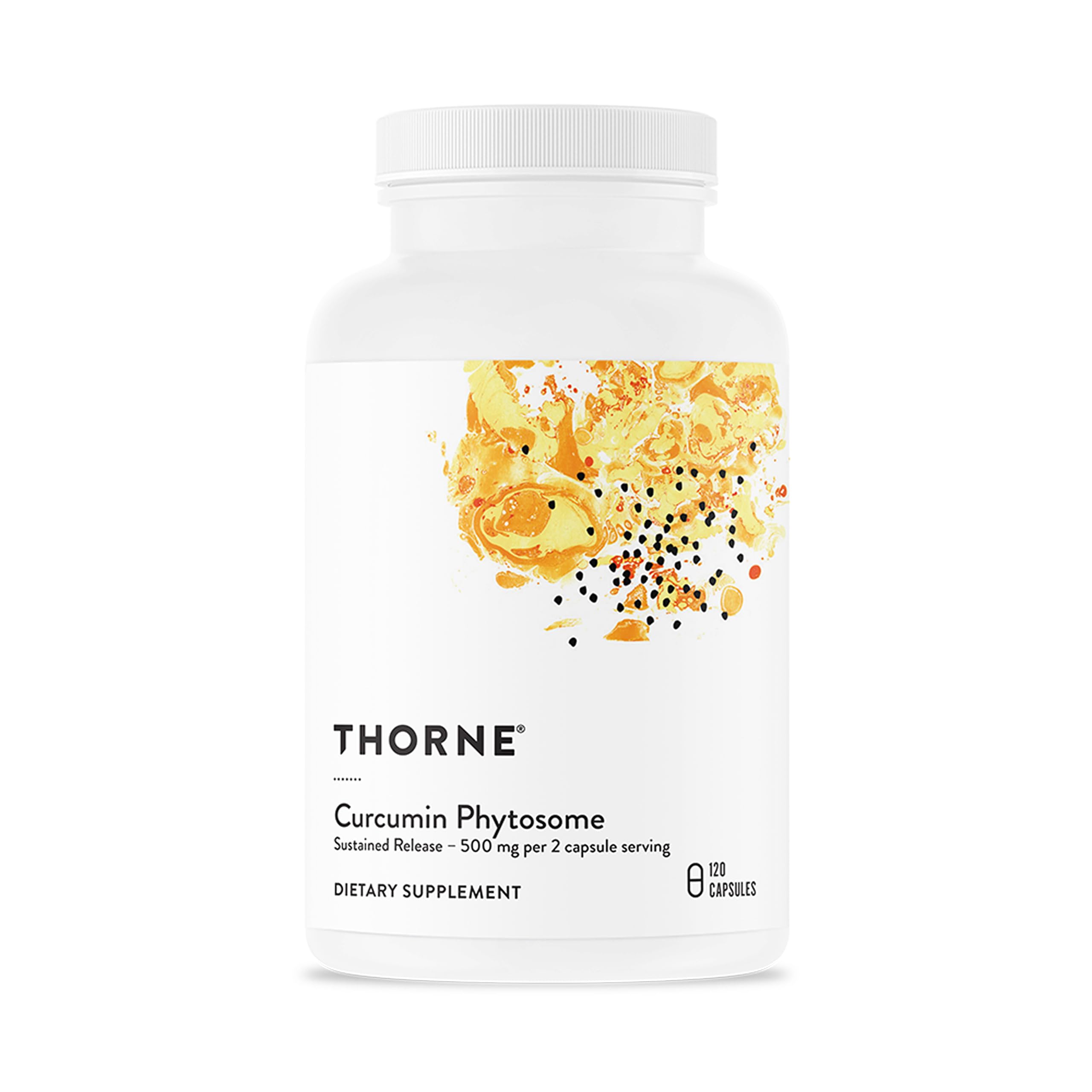
Curcumin (from turmeric): 500–1000 mg/day of a bioavailable form (e.g., phytosome/meriva or with piperine). Mechanism: inhibits NF‑κB and COX‑2. Studies indicate modest benefits for osteoarthritis. Evidence: moderate. Many people find a standardized Curcumin Phytosome Supplement convenient; choose third‑party tested products.
Omega‑3s (EPA/DHA): 1–3 g/day combined EPA+DHA. Mechanisms: shifts eicosanoids to less inflammatory pathways. Evidence: moderate for inflammatory pain and possibly low back pain.
Magnesium (citrate or glycinate): 200–400 mg elemental/day, typically at night. Mechanisms: NMDA receptor modulation and muscle relaxation. Evidence: moderate for muscle tension and migraine prevention. Some find Magnesium Glycinate gentle on the stomach.
Ginger: 1–2 g/day dried powder; COX/LOX modulation. Evidence: emerging to moderate for dysmenorrhea and osteoarthritis.
Glucosamine/chondroitin: 1500 mg/1200 mg/day. Evidence: mixed; some benefit in knee OA subgroups (e.g., moderate to severe). Evidence: emerging/mixed.
CBD (cannabidiol): commonly 10–50 mg 1–2x/day orally; topicals vary. Mechanisms: interacts with the endocannabinoid system and inflammatory signaling. Evidence: emerging; quality varies and drug interactions are possible.
Capsaicin 0.025–8%: desensitizes TRPV1 receptors and depletes substance P. Evidence: strong for post‑herpetic neuralgia (high‑dose patch in clinic), moderate for osteoarthritis and neuropathic pains with lower‑dose creams. Some prefer an at‑home Capsaicin Patch; start with short contact times to assess tolerance.
Menthol or camphor rubs: activate cooling/warming receptors (TRPM8/TRPA1) for counter‑irritation. Evidence: moderate for short‑term relief.
Arnica gel/cream: anti‑inflammatory botanical; evidence is mixed to emerging for soft‑tissue soreness and OA.
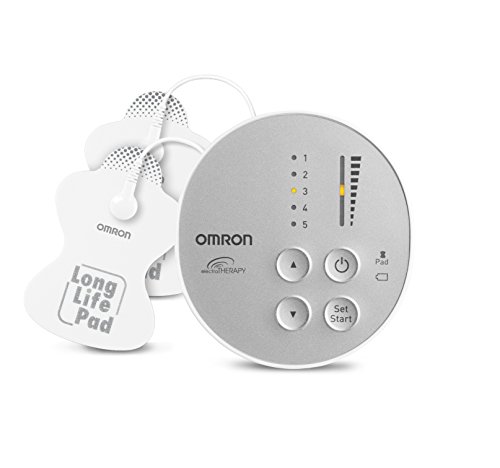
TENS (transcutaneous electrical nerve stimulation): portable device that applies painless current to modulate pain signaling via “gate control.” Evidence: moderate overall but condition‑specific; many find a home TENS Device useful when combined with movement and pacing.
Anticoagulants/antiplatelets (e.g., warfarin, clopidogrel): use caution with turmeric/curcumin, ginger, fish oil, and willow bark due to bleeding risk.
Blood pressure or diabetes meds: magnesium and some herbs may alter levels; monitor.
Sedatives/CNS depressants: CBD may increase sedation.
Liver/kidney disease and pregnancy/breastfeeding: consult clinicians before any supplement.
Allergies: topical botanicals and essential oils can irritate skin; patch test.
Procedure considerations
Acupuncture: relative cautions include bleeding disorders, anticoagulation, severe lymphedema, or late‑term pregnancy for certain points.
Dry needling: post‑treatment soreness is common; ensure sterile technique.
Chiropractic: avoid high‑velocity neck manipulation if you have vascular disorders, connective‑tissue diseases, or recent trauma; consider low‑force methods instead.
Yoga/movement: modify for osteoporosis, hypermobility, or acute disc herniation; avoid end‑range spinal flexion/extension if advised.
Opioid tapering and medications
Do not stop opioids abruptly. Guidelines support adding nonpharmacologic therapies first, then considering gradual tapers when stable.
Combine with non‑opioid meds (e.g., acetaminophen, certain SNRIs or anticonvulsants for neuropathic pain) when appropriate—coordinate with your prescriber.
Multidisciplinary plans work best
Pair a mind–body method + movement therapy + a targeted topical or supplement. Reassess after 4–12 weeks and iterate.
Practical implementation and resources
Build a personalized, multimodal plan
Clarify your pain profile
Where is the pain (one spot vs widespread)? Mechanical or inflammatory? Any nerve features (burning, tingling)? What triggers/relieves it?
Screen influences: sleep quality, stress, mood, inactivity, work factors.
Set 2–3 goals in plain language
Examples: “Walk 20 minutes without a flare,” “Sleep through the night 5 days/week,” “Reduce pain interference from 7/10 to 4/10.”
Choose 1–2 options from each pillar
Mind–body: 10 minutes of mindfulness daily, a weekly CBT session or app module, or guided imagery before bed.
Movement: 2–3 PT‑guided sessions weekly; or two gentle yoga classes plus a home walking plan.
Natural/supportive: a topical (menthol or capsaicin) for flares; one well‑matched supplement (e.g., curcumin for knee OA) with clinician oversight.
Procedures: trial acupuncture (6–10 visits) if pain persists or if you prefer an eastern approach alongside movement therapy.
Track progress and adapt
Use a pain diary or app. Record pain (0–10), function (steps, minutes active), sleep, and mood. Tools like the Brief Pain Inventory or PROMIS Pain Interference can guide check‑ins every 2–4 weeks.
Expect timelines: movement therapy (2–6 weeks for early gains, 8–12 for larger changes); mindfulness/CBT (4–8 weeks); acupuncture (after 3–6 sessions); botanicals (2–8 weeks); topicals (days to 2–4 weeks); TENS (immediate to several weeks as you optimize settings).
Choosing qualified practitioners and quality products
Practitioners
Physical therapist (DPT) with pain or orthopedic specialization.
Psychologist or therapist trained in CBT/ACT for pain.
Licensed acupuncturist (LAc) or medical acupuncturist (MD/DO with training).
Chiropractor (DC) who integrates exercise and avoids routine high‑velocity neck manipulation when contraindicated.
Licensed massage therapist with experience in your condition.
Yoga therapist (C‑IAYT) or therapeutic yoga instructor for individualized adaptations.
Products and supplements
Choose third‑party tested brands (USP, NSF, or ConsumerLab), evidence‑based forms (e.g., curcumin phytosome/meriva), and transparent labels. Start one product at a time to gauge response.
Use a multimodal plan: combine a mind–body practice, progressive movement, and a targeted topical or supplement.
Start low and go slow: especially with supplements, build in 2–4 week check‑ins.
Prioritize sleep, stress reduction, and pacing—these amplify the benefits of any modality.
Expect steady, not overnight, progress; aim for better function and fewer flares.
Work with clinicians who respect both western and eastern approaches and who will help you integrate them safely.
Disclaimer
This article is for educational purposes and should not replace personalized medical advice. Always consult a qualified healthcare professional before starting, stopping, or combining treatments, especially if you have medical conditions, take prescription medications, are pregnant, or are considering changes to pain medications.
This content is for informational purposes only and does not constitute medical advice. Always consult a qualified healthcare provider before starting, stopping, or changing any supplement or medication regimen.
Natural Treatments for Chronic Pain: An Evidence‑Based Guide to Herbs, Supplements, and Integrative Therapies. If you live with persistent pain, you may be searching for natural treatments for chronic pain that actually help without heavy side effects. Research suggests that an integrative plan—combining targeted herbs and supplements, movement, hands‑on therapies, and mind–body strategies—can reduce pain in
Top Natural Pain Relief Methods: An Evidence‑Based Guide to Herbs, Supplements, and Therapies. If you’re searching for top natural pain relief methods, you’re not alone. Many people want options that reduce discomfort while minimizing side effects from long‑term medication use. This guide blends western research with eastern and traditional practices, clearly noting what’s well‑supported, wha
Holistic Approaches to Stress Relief: Evidence‑Based Mind‑Body Practices, Herbs, and Lifestyle Strategies. If you’re feeling wired, tired, and overwhelmed, you’re not alone. Many people look for holistic approaches to stress relief that work with the whole person—mind, body, and daily environment. Research suggests integrated strategies can calm the stress response, improve mood and sleep, and support lo
Non‑Invasive Treatments for Pain Relief: An Evidence‑Based Guide. If you’re looking for non-invasive treatments for pain relief, you’re not alone. Many people want options that don’t involve surgery or long-term opioid use. This guide bridges western evidence and time‑tested eastern practices to help you understand what works, for which conditions, and how to use
Natural Pain Relief Supplements: Evidence‑Based Options, Dosage & Safety. If you’re searching for natural pain relief supplements, you’re likely weighing which options actually work, how to take them safely, and what to expect. Research suggests certain herbs, nutrients, and topical compounds can modestly reduce pain—especially for osteoarthritis, low back pain, headaches
Natural Pain Relief Supplements: An Evidence‑Based Comparison (Turmeric, Boswellia, Fish Oil, CBD & More). Many people search for a natural pain relief supplements comparison because they want options beyond NSAIDs or opioids—ideally with fewer side effects. This guide compares leading supplements head‑to‑head on mechanisms, best uses, dosing, safety, interactions, and how to choose what to try first.
N