Best Chiropractic Care in San Diego: Top Clinics, How to Choose, and What to Expect
A practical, research-informed guide to the best chiropractic care in San Diego—what works, safety, costs, how to choose, and local options to consider.
·12 min read
This content is for informational purposes only and does not constitute medical advice. Always consult a qualified healthcare provider before starting, stopping, or changing any supplement or medication regimen.
If you’re searching for the best chiropractic care in San Diego, you’re likely dealing with back or neck pain, sciatica, headaches, or a sports tweak that just won’t quit. This guide pulls together what the research says, how to evaluate quality, how care typically works in San Diego, and practical steps to find a chiropractor who fits your needs.
What Chiropractic Care Can (and Can’t) Help: Benefits, Limits, and Safety
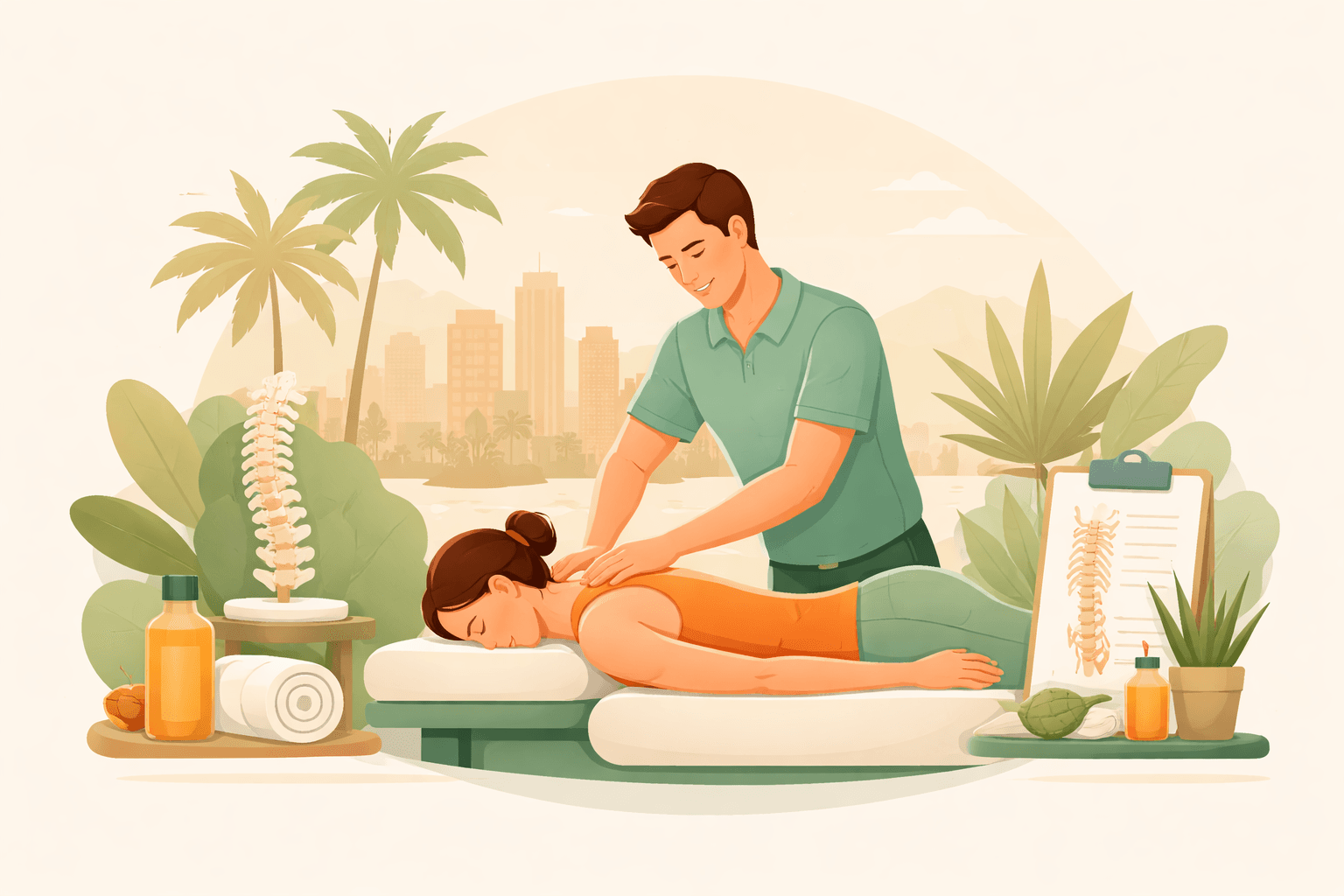
Chiropractic care focuses on the neuro-musculoskeletal system—spine, joints, muscles, and the nerves they influence—using spinal manipulation/mobilization, soft tissue work, and exercise or ergonomic coaching.
Low back pain (acute and chronic): Research suggests spinal manipulation can offer modest, clinically meaningful short-term improvements in pain and function, especially for acute low back pain. Benefits for chronic low back pain are usually small-to-moderate and stronger when combined with exercise and self-management. Evidence level: strong for acute low back pain; moderate for chronic.
Neck pain: Studies indicate short-term pain relief and functional gains, particularly when manipulation or mobilization is paired with targeted exercises and posture training. Evidence level: moderate.
Sciatica/radicular pain: Evidence is mixed. Some trials suggest manipulation may help subacute radiculopathy, but it’s not clearly superior to guideline-based conservative care. Evidence level: emerging to moderate.
Headaches: Cervicogenic headaches may respond to cervical mobilization/manipulation and exercise. Tension-type headache benefits are modest; migraine evidence is mixed and less consistent. Evidence level: moderate for cervicogenic; emerging for migraine.
Sports injuries: Manipulation and soft-tissue techniques may aid select conditions (e.g., mechanical low back pain, some shoulder and ankle issues) as part of a broader rehab plan. Evidence level: emerging to moderate, depending on condition.
Safety considerations:
Common, mild side effects: temporary soreness, stiffness, fatigue for 24–48 hours.
Rare but serious events: high-velocity neck manipulation has been associated, in rare cases, with cervical artery injury; severe neurologic events after lumbar manipulation are extremely rare. Good screening, technique selection, and informed consent mitigate risk.
Imaging: Not routinely needed for uncomplicated back/neck pain; used when red flags are present or symptoms persist.
Eastern and Western perspectives:
Western framing: Manipulation may reduce pain via joint mechanoreceptor stimulation, reduced nociception, improved segmental mobility, and placebo/contextual effects.
Eastern framing: Traditionally, hands-on techniques are understood to release stagnation and promote the smooth flow of Qi through meridians associated with the spine and limbs.
What the Research Says
Multiple systematic reviews support spinal manipulation for acute low back pain (strong evidence). Effects are generally comparable to other conservative therapies and enhanced by exercise.
For neck pain and cervicogenic headache, combining manual therapy with exercise tends to outperform either alone (moderate evidence).
For sciatica and migraine, results are inconsistent; a trial of care may be reasonable, but expectations should be modest and progress monitored (emerging to moderate evidence).
The best chiropractic care in San Diego balances credentials, clinical skill, patient-centered communication, integration with rehab/exercise, and outcomes tracking.
Key criteria to evaluate:
Credentials and licensing: In California, chiropractors (DC) are licensed by the California Board of Chiropractic Examiners. You can verify active status and any disciplinary history through the state’s DCA License Search (search.dca.ca.gov) and the Board’s site (chiro.ca.gov).
Relevant specialties: Sports medicine (CCSP®, DACBSP®), rehab/exercise-focused care, prenatal/pediatric (Webster Technique), chronic pain management, or worker’s comp expertise.
Gonstead: precise, segment-focused HVLA approach with detailed assessment.
Activator: low-force, instrument-assisted; helpful for those preferring gentler care.
Cox Flexion-Distraction: gentle, table-assisted decompression for lumbar conditions.
Thompson Drop, mobilization, soft-tissue methods (ART®, myofascial release), and adjuncts like rehab exercises.
Research suggests no single technique is universally “best”; matching the method to your condition and preferences matters most.
Measurable patient outcomes: Look for clinics using validated tools (Oswestry Disability Index, Neck Disability Index, Pain and PROMIS scores) and setting clear goals and timelines.
Clinic technology (used judiciously): Digital X-ray when indicated by red flags (not for routine screening), motion assessment tools, and, in some cases, musculoskeletal ultrasound. Be cautious of clinics that X-ray every patient without clinical justification—this isn’t evidence-based.
Reputation metrics: Consistent, detailed reviews mentioning clear explanations, shared decision-making, focused treatment plans (not upsells), and progress tracking; referrals from local PTs, PCPs, or coaches can be a good sign.
Best Chiropractic Care in San Diego: Neighborhood Guide
San Diego’s chiropractic landscape is diverse. Rather than a single “best” clinic, you’ll find strong fits by neighborhood and specialty focus. Use the criteria above as you explore options near you.
La Jolla and UTC: Proximity to UCSD and coastal athletics means you’ll often find sports and performance-focused chiropractors, active rehab gyms, and providers familiar with runners, surfers, and triathletes. Patient feedback commonly highlights movement assessment, return-to-sport planning, and collaboration with coaches.
North County (Encinitas, Carlsbad, Oceanside): Many clinics emphasize holistic and family-oriented care—prenatal, pediatric, and lifestyle coaching—along with surfer- and runner-specific needs. Expect a blend of gentle techniques (Activator, drop table) and exercise-based care.
Downtown and Little Italy: Convenience-driven care with lunchtime appointments, acute pain relief options, and ergonomic assessments for desk-based professionals. Reviews often mention same-day availability and practical home-care plans.
Sports medicine and active rehab: Movement screens, strength testing, return-to-play protocols.
Prenatal and pediatric: Webster Technique, gentle mobilization, and parent education.
Chronic pain focus: Multimodal programs with graded activity, stress/sleep support, and coordination with primary care.
Integrative offerings: Some clinics collaborate with acupuncturists, massage therapists, or physical therapists for comprehensive care.
Representative patient feedback themes across top-rated practices include thorough initial evaluations, clear explanations, a bias toward exercise and self-management, and no-pressure care plans that taper as you improve.
Practicalities: Costs, Insurance, Treatment Plans, and What to Expect
Costs (typical local ranges; confirm with each clinic):
Initial visit (history, exam, first treatment): about $95–$200 depending on time and services provided.
Follow-up visits: about $60–$110 for standard sessions; extended rehab or soft-tissue work may cost more.
Packages and memberships: Some clinics offer discounted bundles; evaluate value carefully and avoid long-term contracts unless clearly justified by your goals.
Many PPO plans cover chiropractic manipulation; co-pays and visit limits vary.
Medicare covers spinal manipulation (for medically necessary spinal subluxation) but often excludes exams, X-rays, and adjunct therapies.
HMOs may require referrals; VA/DoD and workers’ comp programs may have specific pathways.
Always confirm benefits, prior authorization needs, and any visit caps before starting care.
Typical treatment plans:
Acute low back/neck pain: 1–3 visits per week for 2–4 weeks, then taper as symptoms and function improve.
Chronic or recurrent pain: Emphasis on home exercise, ergonomic changes, and periodic tune-ups (e.g., monthly or as needed), with explicit goals.
Sports injuries: Manual therapy plus progressive loading and technique coaching; frequency depends on training cycles and symptom irritability.
Your first visit:
Expect a detailed history (onset, aggravators, red flags), movement and neurologic exam, and discussion of diagnosis, prognosis, and options. Imaging only if clinically indicated.
Informed consent should cover benefits, risks, and alternatives, including the rare but serious risks of neck manipulation. You can always request lower-force options (Activator, mobilization).
Contraindications and red flags (seek medical evaluation/referral when present):
Cancer history with new spine pain, unexplained weight loss, fever, or night pain.
Significant trauma, suspected fracture, or severe osteoporosis.
Signs of infection or systemic inflammatory disease; anticoagulation use may affect technique choices.
For neck pain: symptoms suggestive of vascular compromise (sudden severe headache or neck pain unlike prior, visual or speech changes, dizziness with neck movements).
At-home tools that may help between visits (not medical advice):
Many people find an Adjustable Lumbar Support Cushion helpful for reducing sitting discomfort during recovery. It won’t fix the root cause but can improve ergonomics.
A Reusable Hot/Cold Gel Pack can be useful for short-term symptom relief after activity. Evidence supports heat or cold as simple, low-risk options for many musculoskeletal pains.
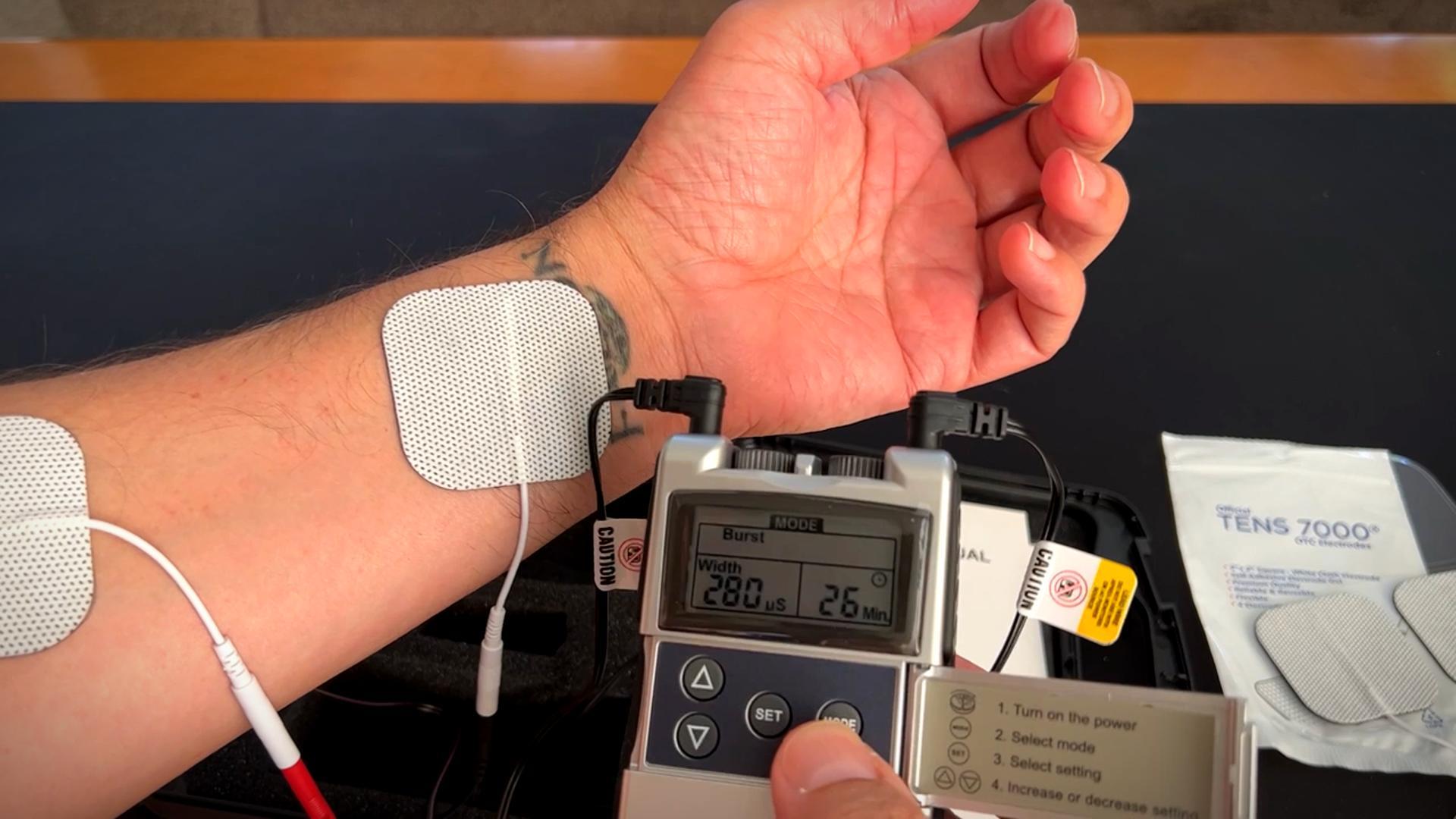
Some individuals use a Home TENS Unit for temporary pain relief; research suggests modest short-term benefits for some people. Avoid if you have a pacemaker/implantable device and follow manufacturer guidance.
Decision-Making Tools: How to Choose, Verify, and Get Started
Use this comparison checklist when evaluating chiropractors:
Clinical fit: Do they treat your specific condition regularly (e.g., sciatica, pregnancy-related pain, athletic injuries)?
Approach: Do they combine hands-on care with exercise and education, and explain the plan clearly?
Techniques offered: Can they accommodate your preference for gentle vs. traditional adjustments?
Outcomes tracking: Do they use validated measures and revisit goals every 2–4 weeks?
Safety and transparency: Do they discuss risks, obtain consent, and avoid routine, non-indicated imaging?
Practicalities: Location, hours, costs, insurance acceptance, and no-pressure financial policies.
Reputation: Consistent, detailed reviews; referrals from local clinicians or coaches; clear communication style.
Key questions to ask during a consultation:
What is my working diagnosis, and what are the main drivers of my pain?
What outcomes should I expect in 2, 4, and 8 weeks—and how will we measure them?
Which techniques do you recommend for me and why? Are low-force options available?
What should I do at home (exercises, ergonomics), and how much time will it take?
When would you refer me for imaging or to another specialist if I’m not improving?
How to verify credentials in California:
License status and discipline: search.dca.ca.gov (Department of Consumer Affairs License Search)
California Board of Chiropractic Examiners: chiro.ca.gov for consumer information and scope of practice
Common myths to reconsider:
“More cracking equals better results.” The audible pop isn’t a measure of success; it’s just gas releasing in the joint.
“Everyone needs maintenance visits forever.” Some patients benefit from periodic care, but frequency should be individualized and based on function, goals, and self-management capacity.
“X-rays are required for all new patients.” Not true; imaging is reserved for red flags or lack of progress.
Next steps:
Shortlist 2–3 nearby clinics that match your needs by neighborhood and specialty.
Book a consultation, bring your questions, and request a time-bound trial of care (e.g., 4–6 visits) with outcome checkpoints.
For acute low back pain, chiropractic manipulation has strong evidence for short-term relief; for chronic pain and neck pain, combine hands-on care with exercise.
The “best” chiropractic care in San Diego is patient-centered, outcomes-driven, and integrates exercise and lifestyle.
Verify California licensure, ask about techniques and goals, and expect imaging only when indicated.
Plan a trial of care with clear milestones; if you’re not progressing, reassess the plan or seek complementary services.
Disclaimer
This guide is for educational purposes and should not replace personalized medical advice. Seek immediate medical care for red-flag symptoms (e.g., progressive weakness, bowel/bladder changes, severe sudden headache/neck pain). Always consult your healthcare providers before starting or changing any treatment plan or using at-home devices.
This content is for informational purposes only and does not constitute medical advice. Always consult a qualified healthcare provider before starting, stopping, or changing any supplement or medication regimen.
Chiropractic Services in Downtown San Diego: Top Clinics, What to Expect, and How to Choose. If you’re searching for chiropractic services in downtown San Diego, you’re likely dealing with back or neck pain, headaches, or the posture strain that comes with desk work and city commutes. This guide outlines what chiropractors downtown typically offer, which conditions respond best, how to navi
Chiropractic Clinics in Mission Bay: Top Local Practitioners, What to Expect, and How to Choose. If you’re searching for chiropractic clinics in Mission Bay, you’re likely weighing your options, wondering what services are available, how much visits cost, and how to pick a practitioner who aligns with your goals. This guide covers local clinic types, what the first visit typically looks like, s
Holistic Wellness Centers in San Diego: Top Integrative Clinics, Services, and How to Choose. If you’re exploring holistic wellness centers in San Diego, you’re probably looking for care that blends conventional medicine with therapies like acupuncture, chiropractic, functional nutrition, massage, and mind‑body practices. This guide maps the local landscape, outlines evidence and safety for
Holistic Acupuncture Clinics in San Diego: A Local Guide to Integrative Care. If you’re searching for holistic acupuncture clinics in San Diego, you’re likely looking for whole-person care that blends Eastern and Western approaches—help for pain, stress, fertility, digestion, or sleep that respects the body’s interconnected systems. This local guide explains what “holistic” a
Chiropractic for Pain Management: Techniques, Evidence, and Safety. If you’re considering chiropractic care for pain, you may be wondering which pain management techniques in chiropractic actually help, how safe they are, and what to expect. This guide explains core methods chiropractors use, what the research suggests for common conditions, and how to integrate car
Top-Rated Yoga Studios in San Diego: Best Classes, Styles & Where to Practice. If you’re searching for top-rated yoga studios in San Diego, you’re probably weighing more than just location. You want the right vibe, class style (hot vinyasa or gentle restorative?), fair pricing, strong teachers, and a schedule that fits your life. This guide brings together research-backed cont