Holistic Wellness Centers in San Diego: Top Integrative Clinics, Services, and How to Choose
Compare holistic wellness centers in San Diego: services, evidence, costs, and how to choose the right integrative clinic for your goals.
·11 min read
This content is for informational purposes only and does not constitute medical advice. Always consult a qualified healthcare provider before starting, stopping, or changing any supplement or medication regimen.
If you’re exploring holistic wellness centers in San Diego, you’re probably looking for care that blends conventional medicine with therapies like acupuncture, chiropractic, functional nutrition, massage, and mind‑body practices. This guide maps the local landscape, outlines evidence and safety for key modalities, and offers practical steps to choose a center that fits your health goals and budget.
What Is a Holistic Wellness Center?
Holistic centers bring together multiple modalities under one roof to address the whole person—body, mind, and (often) community. Many San Diego clinics follow an integrative model: they coordinate complementary therapies alongside conventional diagnostics and referrals. Philosophies vary, but common themes include root‑cause assessment, lifestyle changes, and non‑pharmacologic options when appropriate.
Typical services you’ll see locally:
Integrative and functional medicine consults (lab‑guided nutrition, gut health, hormones)
Naturopathic medicine (licensed NDs, botanical medicine, targeted supplements)
Acupuncture and traditional Chinese medicine (TCM), including cupping and herbal formulas
Chiropractic care (spine and joint mobilization, rehab exercises)
Massage and bodywork (Swedish, deep tissue, myofascial, lymphatic, Thai)
Recovery and performance options (IV vitamin infusions, infrared sauna, cryotherapy)
Health coaching, stress resilience programs, and group workshops
Holistic Wellness Centers in San Diego: The Local Landscape
San Diego’s wellness scene is geographically diverse:
Coastal (La Jolla, Pacific Beach): integrative clinics with sports recovery, acupuncture, and yoga; some offer cold/heat therapy for surfers and endurance athletes.
North County (Encinitas, Carlsbad): strong mind‑body culture—yoga, meditation, Ayurveda, and naturopathic care—often with community classes.
Downtown & Mission Bay: chiropractic, massage, physical rehab, and lunchtime acupuncture close to offices and convention venues.
Central (Hillcrest, North Park): functional medicine and LGBTQ+‑affirming care; sliding‑scale acupuncture or community clinics may be available.
South Bay (Chula Vista, National City): family‑oriented integrative practices, bilingual staff, and accessible pricing.
For an acupuncture‑specific short list, see Holistic Acupuncture Clinics in San Diego: A Local Guide to Integrative Care (/articles/holistic-acupuncture-clinics-in-san-diego). For chiropractic options citywide and downtown, explore Best Chiropractic Care in San Diego: Top Clinics, How to Choose, and What to Expect (/articles/best-chiropractic-care-in-san-diego) and Chiropractic Services in Downtown San Diego: Top Clinics, What to Expect, and How to Choose (/articles/chiropractic-services-downtown-san-diego).
How to Choose a Holistic Wellness Center in San Diego
Your choice should be driven by your condition, goals, and preferences.
Match modalities to common goals
Chronic pain (low back, neck, osteoarthritis): acupuncture (moderate–strong evidence for some pain types), chiropractic (moderate for low back pain), massage (moderate for short‑term relief), therapeutic exercise/physical therapy, mindfulness for pain coping.
Stress, anxiety, sleep: mindfulness/meditation and yoga (moderate–strong for stress and mild anxiety), acupuncture (emerging–moderate), massage (short‑term reductions in stress), breathwork and biofeedback.
Digestive issues (IBS, dyspepsia): functional nutrition, low‑FODMAP or elimination trials under clinician guidance (moderate for IBS), acupuncture (emerging–moderate for dyspepsia), stress reduction.
Hormonal concerns (PMS, perimenopause, thyroid): integrative and naturopathic consults for lifestyle and supplement planning (evidence varies by intervention), acupuncture (emerging–moderate for dysmenorrhea), resistance training and sleep optimization.
Sports performance and recovery: chiropractic/rehab, medical massage, strength and conditioning, cold/heat exposure (cryotherapy/sauna—evidence emerging), nutrition support.
Check practitioner credentials and scope
Medical doctors (MD/DO): board certification in functional or integrative medicine is a plus; they can order labs/prescriptions.
Naturopathic doctors (ND): in California, licensed NDs complete accredited doctoral programs and board exams; they may order certain labs and prescribe within state scope.
Acupuncturists (LAc): require state licensure; look for Clean Needle Technique certification.
Chiropractors (DC): state licensure; additional certifications for sports or rehab can be helpful.
Massage therapists (CMT/LMT): state certification; ask about modality‑specific training.
Health coaches/yoga therapists: look for reputable credentials (e.g., NBC-HWC, C-IAYT) for structured programs.
Confirm scope of practice, years in practice, and whether clinicians coordinate with your primary care provider.
Pricing, insurance, and memberships
Insurance: Some centers accept PPOs for MD, DO, DC services; acupuncture coverage varies. Many offer superbills for out‑of‑network reimbursement. HSA/FSA often applies to eligible services.
Cash packages: 3–12‑visit bundles for acupuncture, chiropractic, or massage can lower per‑visit costs.
Memberships: monthly credits for massage/yoga/infrared sauna; check rollover rules and cancellation.
Telehealth: common for functional/naturopathic follow‑ups and health coaching.
For step‑by‑step selection help, see How to Find a Holistic Practitioner Near You: A Practical Guide to Modalities, Credentials, and What to Ask (/articles/find-a-holistic-practitioner-near-you).
Accessibility and logistics
Location and parking (street vs. onsite), elevator access, gender‑affirming care, bilingual staff, weekend/evening hours.
Intake and booking: online scheduling, secure portals, 24–48‑hour cancellation windows, and length of appointments (new patient visits are often 60–90 minutes; follow‑ups 30–60 minutes).
Neighborhood Snapshots: What You’ll Commonly Find
These snapshots highlight typical strengths by area so you can build a short list to contact and compare. Always verify details directly with the clinic.
La Jolla & UTC
Strengths: sports and orthopedic rehab, acupuncture for pain/migraine, integrative consults for gut and hormones.
Booking tips: look for clinics with same‑day slots and validated parking. See Chiropractic Services in Downtown San Diego (/articles/chiropractic-services-downtown-san-diego).
Central (Hillcrest, North Park, Mission Hills)
Strengths: functional medicine, LGBTQ+‑affirming care, mental well‑being programs.
Booking tips: clarify lab costs and whether results reviews are included in visit fees.
South Bay (Chula Vista, National City)
Strengths: family‑centered integrative care, bilingual staff, accessible pricing.
Standout services: prenatal acupuncture and massage, stress management for shift workers.
Booking tips: ask about sliding‑scale times or community acupuncture.
For an acupuncture‑focused list, visit Holistic Acupuncture Clinics in San Diego: A Local Guide to Integrative Care (/articles/holistic-acupuncture-clinics-in-san-diego). For citywide chiropractor options, see Best Chiropractic Care in San Diego (/articles/best-chiropractic-care-in-san-diego).
What the Research Says: Evidence by Modality
Evidence strength varies by condition. Below is a concise, research‑informed overview using our scale: strong (multiple RCTs/meta‑analyses), moderate (limited RCTs/observational studies), emerging (preliminary/animal studies), traditional (historical use without modern trials).
Acupuncture (moderate–strong for several pain conditions; moderate for migraine prevention; emerging–moderate for dyspepsia and anxiety). Proposed mechanisms include endorphin release, modulation of inflammatory pathways, and autonomic nervous system balancing.
Chiropractic and spinal manipulation (moderate for acute and chronic low back pain; moderate for neck pain and certain headaches). Benefits often combine best with exercise and self‑management. Mechanisms: improving joint mobility, neuromuscular control, and pain modulation.
Massage therapy (moderate for short‑term pain relief and stress reduction). Mechanisms: mechanotransduction affecting fascia, improved circulation, parasympathetic activation.
Yoga and mindfulness/meditation (strong for stress reduction; moderate for anxiety and depression adjunctive support; moderate for chronic low back pain when yoga is delivered as structured therapy). Mechanisms: HPA‑axis modulation, improved flexibility/strength, attention regulation.
Naturopathic/functional medicine (evidence varies by intervention; moderate for structured lifestyle programs in metabolic syndrome and some dietary strategies like low‑FODMAP for IBS). Mechanisms depend on the protocol—nutrient repletion, elimination of dietary triggers, circadian and exercise alignment.
Herbal medicine (evidence varies widely; some botanicals like ginger for nausea or peppermint oil for IBS have moderate evidence; many others remain emerging). Interactions with medications are possible—professional guidance is advised.
IV therapy (emerging for general wellness; targeted use like IV iron for deficiency has strong evidence when medically indicated and supervised). Routine “vitamin drips” for healthy people have limited clinical support.
Cryotherapy and heat therapies (emerging for performance/recovery; moderate for sauna and cardiovascular risk reduction in some observational cohorts; more RCTs needed). Safety depends on proper screening and protocols.
Energy healing (Reiki, healing touch) (emerging/traditional). Some small trials suggest anxiety or pain benefits, but higher‑quality evidence is limited.
For a broader framework on blending modalities safely and effectively, see Combining Eastern and Western Health Practices: An Evidence‑Based Guide to Integrative Care (/articles/combining-eastern-and-western-health-practices).
Realistic Outcomes and Timelines
Musculoskeletal pain: many people notice changes within 4–8 visits of acupuncture or chiropractic paired with exercise; sustained gains often require home care and posture/strength work over 8–12 weeks.
Stress, sleep, anxiety: mindfulness or yoga 2–3 times weekly can yield improvements within 4–6 weeks; benefits compound with consistency.
Digestive and hormonal concerns: nutrition and lifestyle plans typically need 8–12 weeks to assess, with iterative adjustments based on symptoms and labs.
Performance recovery: massage and mobility work can provide short‑term relief; strength, load management, and sleep drive long‑term results.
Safety, Contraindications, and Clinic Protocols
Reputable centers discuss risks transparently and tailor care to your health history.
Acupuncture: common side effects are mild bruising or soreness. Ensure sterile, single‑use needles. People with bleeding disorders or on anticoagulants need extra caution.
Chiropractic: rare but serious complications are possible with high‑velocity neck manipulation; discuss risks and alternatives (mobilization, exercise‑based care), especially if you have vascular risk factors or acute neurologic symptoms.
Massage: avoid deep tissue over acute injuries, infections, or DVT; communicate pressure preferences and medical conditions.
Herbal/supplement protocols: interactions with anticoagulants, thyroid meds, or chemotherapy can occur. Share your full medication list.
IV therapy: risks include infection, vein irritation, and electrolyte imbalances; medical screening and trained staff are essential.
Cryotherapy/sauna: cold burns, syncope, and heat intolerance are risks; screen cardiovascular and neuropathy conditions.
Pregnancy: seek prenatal‑trained providers for acupuncture, massage, yoga, and chiropractic; avoid certain herbs and essential oils.
Clinic hygiene and policies
Cleaning: high‑touch surface disinfection, fresh linens, and proper sterilization are baseline; many clinics use HEPA filters in treatment rooms.
Illness and COVID‑era policies: ask about masking during respiratory‑illness season, staff illness screening, and flexible rescheduling if you’re sick.
Emergency protocols: centers should have first‑aid kits, AEDs where appropriate, and clear referral pathways to urgent/emergency care.
Costs and Access: What to Expect
Typical ranges (San Diego): initial integrative/functional consults $200–$450; follow‑ups $100–$250; acupuncture $85–$160; chiropractic $70–$150; massage $90–$160 per hour; community acupuncture $30–$60.
Insurance: variable coverage for DC/MD/DO; acupuncture coverage is plan‑specific. Ask about superbills and prior authorization.
Telehealth: useful for nutrition, lab reviews, and coaching; procedures (acupuncture, massage) require in‑person visits.
Useful Products and Tools (Optional)
Many people find a Non‑Slip Yoga Mat (product-url) helpful for starting home or studio classes; research suggests consistent practice supports flexibility and stress reduction.
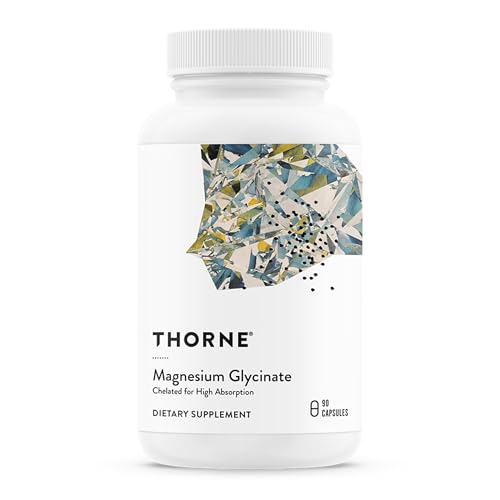
For sleep and relaxation support, some choose Magnesium Glycinate (product-url). Studies indicate magnesium may aid relaxation and sleep quality in certain populations; consult your clinician if you take medications or have kidney issues.
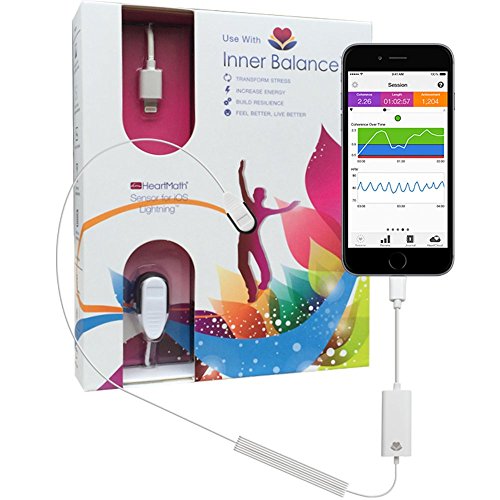
To track stress trends, an HRV Biofeedback Monitor (product-url) can be a motivational tool. Emerging evidence shows HRV biofeedback may help with stress resilience when combined with regular practice.
These mentions are informational and not endorsements. Discuss any new supplement or device with a qualified professional.
Local Resources, Community Options, and Next Steps
Community acupuncture: sliding‑scale group settings can make regular care affordable.
Teaching clinics: naturopathic schools or mentorship clinics sometimes offer reduced‑cost visits.
Workshops and retreats: many centers host intro classes on breathwork, mobility, or stress relief—low‑risk ways to sample a modality. If retreats appeal, you might also explore Yoga & Meditation Retreats in Asheville: The Best Centers, Styles, Costs, and What to Expect (/articles/yoga-meditation-retreats-asheville) for an idea of what structured programs can look like, even though it’s out of state.
Questions to ask before booking:
What outcomes are realistic for my condition, and over what timeline?
How will we measure progress (pain scales, sleep, labs, HRV, functional tests)?
What are the total costs, including labs or supplements?
How do you coordinate with my primary care physician?
What safety and hygiene protocols are in place?
Action plan for this week:
Clarify your top two health goals and must‑have services.
Shortlist 3 nearby clinics; verify credentials and insurance.
Schedule one 15‑minute discovery call or initial consult.
Block your calendar for the first 4–6 visits to assess response.
For a primer on principles and evidence across modalities, see What Is Holistic Medicine? A Clear Guide to Principles, Therapies & Evidence (/articles/what-is-holistic-medicine).
Practical Takeaways
Choose a center that aligns with your condition, values, and logistics; verify credentials and coordination with conventional care.
Expect multi‑modal plans (manual therapy + movement + stress management + nutrition) for durable results.
Budget for an initial trial phase (4–8 visits) before judging effectiveness; ask how progress will be measured.
Prioritize safety: disclose medications, consider contraindications, and confirm hygiene and emergency protocols.
Consider affordable pathways: community clinics, packages, or telehealth for non‑procedural visits.
Disclaimer
This article is for educational purposes and does not replace personalized medical advice. Always consult a qualified healthcare professional about your specific condition, medications, and treatment options.
This content is for informational purposes only and does not constitute medical advice. Always consult a qualified healthcare provider before starting, stopping, or changing any supplement or medication regimen.
Holistic Acupuncture Clinics in San Diego: A Local Guide to Integrative Care. If you’re searching for holistic acupuncture clinics in San Diego, you’re likely looking for whole-person care that blends Eastern and Western approaches—help for pain, stress, fertility, digestion, or sleep that respects the body’s interconnected systems. This local guide explains what “holistic” a
Best Chiropractic Care in San Diego: Top Clinics, How to Choose, and What to Expect. If you’re searching for the best chiropractic care in San Diego, you’re likely dealing with back or neck pain, sciatica, headaches, or a sports tweak that just won’t quit. This guide pulls together what the research says, how to evaluate quality, how care typically works in San Diego, and practical
Chiropractic Services in Downtown San Diego: Top Clinics, What to Expect, and How to Choose. If you’re searching for chiropractic services in downtown San Diego, you’re likely dealing with back or neck pain, headaches, or the posture strain that comes with desk work and city commutes. This guide outlines what chiropractors downtown typically offer, which conditions respond best, how to navi
How to Find Holistic Health Practitioners in Asheville: Naturopaths, Acupuncturists, Integrative Clinics & What to Expect. If you’re searching for holistic health practitioners in Asheville, you’re not alone. This mountain city blends a vibrant wellness culture with evidence-informed care, from community acupuncture and herbal apothecaries to functional medicine consults and trauma‑informed bodywork. This guide explains
Top-Rated Yoga Studios in San Diego: Best Classes, Styles & Where to Practice. If you’re searching for top-rated yoga studios in San Diego, you’re probably weighing more than just location. You want the right vibe, class style (hot vinyasa or gentle restorative?), fair pricing, strong teachers, and a schedule that fits your life. This guide brings together research-backed cont
How to Find a Holistic Practitioner Near You: A Practical Guide to Modalities, Credentials, and What to Ask. If you’ve typed “finding a holistic practitioner near me” into a search bar, you’re probably looking for care that treats the whole person—mind, body, and lifestyle—not just a diagnosis. This guide walks you through what “holistic” really means, which modalities fit your needs, where and how to sear