Holistic Acupuncture Clinics in San Diego: A Local Guide to Integrative Care
Find holistic acupuncture clinics in San Diego: what to expect, evidence, costs, and how to choose a practitioner near you.
·10 min read
This content is for informational purposes only and does not constitute medical advice. Always consult a qualified healthcare provider before starting, stopping, or changing any supplement or medication regimen.
If you’re searching for holistic acupuncture clinics in San Diego, you’re likely looking for whole-person care that blends Eastern and Western approaches—help for pain, stress, fertility, digestion, or sleep that respects the body’s interconnected systems. This local guide explains what “holistic” acupuncture means, what the research suggests, how to evaluate clinics and practitioners, and where to start in San Diego’s diverse neighborhoods.
What Is “Holistic” Acupuncture?
“Holistic” acupuncture goes beyond symptom relief. It considers patterns across systems—sleep, stress, digestion, mood, activity level—and may combine needling with modalities like cupping, moxibustion (warming therapy), gua sha (gentle scraping), electro-acupuncture, breathwork, and lifestyle or herbal guidance. In Traditional Chinese Medicine (TCM), the aim is to restore balance in qi (vital energy), blood, yin/yang, and organ systems. In biomedical terms, acupuncture is thought to modulate the nervous system, reduce inflammatory signaling, influence endogenous opioids and neurotransmitters, and support blood flow.
Common conditions treated in holistic acupuncture clinics include:
Musculoskeletal pain: low back pain, neck/shoulder pain, osteoarthritis, sports injuries
Neuromodulation: Needling specific points stimulates peripheral nerves and spinal cord pathways that can “turn down the volume” on pain and stress signals while enhancing parasympathetic (rest-and-digest) tone.
Endorphin and neurotransmitter release: Studies indicate acupuncture can increase beta-endorphins and modulate serotonin, norepinephrine, and GABA—potentially relevant for pain, mood, and sleep.
Anti-inflammatory effects: Research suggests acupuncture influences cytokines and pathways like NF-kB, helping reduce systemic and local inflammation.
Blood flow and tissue repair: Local microcirculation improves near needled areas, which may aid healing in tendons and muscles.
What the Research Says
Evidence quality varies by condition. Here’s a brief map with our evidence ratings.
Chronic pain (low back, neck, shoulder, osteoarthritis): strong. Multiple large meta-analyses and randomized trials indicate acupuncture outperforms sham and usual care for pain and function, with benefits that can persist months after treatment.
Headache and migraine prevention: moderate to strong. Meta-analyses show reductions in migraine days and tension-type headache frequency relative to usual care and, in some analyses, to sham.
Postoperative and chemotherapy-related nausea (especially P6/Neiguan point stimulation): moderate. Systematic reviews support reduced nausea/vomiting; benefits are clinically meaningful for some patients.
Anxiety, stress, and insomnia: moderate. RCTs and observational studies suggest improvements in anxiety and sleep quality, though study designs are heterogeneous.
Fertility and IVF adjunct support: emerging to moderate. Some trials report improved clinical pregnancy rates when acupuncture is paired with IVF; results are mixed and timing/protocols vary.
Irritable bowel syndrome and functional GI disorders: emerging to moderate. Trials suggest symptom reduction for some patients; mechanisms may involve gut–brain axis modulation.
Allergic rhinitis: moderate. RCTs indicate symptom relief and improved quality of life in some cohorts.
Overall safety profile: favorable when performed by a trained, licensed practitioner using sterile, single-use needles. Minor side effects (small bruise, transient soreness, lightheadedness) are most common; serious adverse events are rare.
Safety, Side Effects, and Contraindications
Typical effects: mild soreness, a small bruise, relaxation or transient fatigue. Eat a light snack beforehand to reduce lightheadedness.
Infection control: Licensed practitioners follow Clean Needle Technique and use sterile, single-use needles regulated by the FDA as Class II devices.
When to use caution or modify care:
Bleeding risk/anticoagulants: inform your practitioner; needling depth and technique can be adjusted.
Pregnancy: some points (e.g., LI4, SP6, certain sacral points) are avoided or modified; acupuncture can still be used safely with expertise.
Pacemaker: avoid or carefully supervise electro-acupuncture.
Severe neutropenia/immunosuppression: discuss with your medical team.
Metal allergies, severe neuropathy, or uncontrolled epilepsy: disclose before treatment.
Moxibustion: avoid smoke exposure if you have asthma or fragrance sensitivity; consider smokeless moxa.
This information is educational and not a substitute for medical advice. Consult your clinician, especially if pregnant, on blood thinners, or managing complex conditions.
How to Evaluate Holistic Acupuncture Clinics in San Diego
Licensing, Certifications, and Experience
California licensure: Look for L.Ac. (Licensed Acupuncturist) in good standing with the California Acupuncture Board (CAB). You can verify licenses at the CAB website.
National credentials: Many San Diego acupuncturists also hold NCCAOM Diplomate status. While not mandatory in California, it signals standardized competency.
Clinical focus: Consider your primary goal (e.g., sports/orthopedic acupuncture, women’s health/fertility, digestive health, oncology support, pediatrics). Ask how often they treat your condition and what outcomes they typically see.
Clean Needle Technique and safety training: Standard for practice; don’t hesitate to ask.
Treatment Modalities and Style
Techniques often available: cupping, gua sha, moxibustion, electro-acupuncture, auricular (ear) acupuncture, scalp acupuncture, manual therapy/tuina, and breathing or movement coaching.
Styles: TCM, Japanese (gentler, thinner needles), Five-Element (emphasizes constitution and mood), orthopedic/sports (trigger point and motor point needling), and distal-needling systems. Match style to your comfort and goals.
Clinic Operations and Access
Appointment types: private rooms vs. community acupuncture (shared, quiet space at a lower cost). Community clinics can be great for maintenance care.
Telehealth options: Many clinics offer virtual herbal consults, stress coaching, or follow-ups between needling sessions.
Languages: You’ll find clinics offering care in English, Spanish, Mandarin, Vietnamese, and others—ask if language access is important to you.
Insurance and payment: Some PPOs reimburse out-of-network; workers’ comp and auto injury cases may be covered; FSA/HSA usually eligible. Medicare currently limits coverage to chronic low back pain and only when performed by certain clinician types—many L.Ac.s cannot bill Medicare directly. Expect to receive a superbill for potential reimbursement.
Typical price ranges in San Diego (may vary):
Initial private session: $120–$200
Follow-up private session: $85–$150
Community acupuncture: $25–$50 (sliding scale)
Practical details: hours (evenings/weekends if needed), ADA access, parking or transit proximity, and clear consent/informed care policies.
Holistic Acupuncture Clinics in San Diego: Local Market Guide
Below are examples of local options and how to evaluate them. We do not accept compensation from the clinics listed here, and details can change—always verify current services, hours, and pricing.
Hospital-Affiliated Integrative Care (La Jolla/UTC)
UC San Diego Health – Center for Integrative Medicine
Why consider: Integration with conventional care; coordination with primary and specialty teams; evidence-informed protocols. Good for complex cases, cancer support, or when you need your records integrated within a hospital system.
Modalities: Acupuncture, lifestyle medicine, nutrition; some providers also offer mindfulness-based approaches.
Insurance/payment: More likely to work with insurance; confirm plan specifics and referral needs.
Reputation signals: Academic affiliation; clinicians with research or teaching experience; transparent bios and publications.
Teaching Clinic With Sliding Scale (Central San Diego)
Pacific College of Health and Science – San Diego Clinic
Why consider: Supervised interns and experienced faculty offer affordable treatments. Helpful for maintenance care or to explore multiple modalities.
Typical pricing: Lower than private clinics; community-style options often available.
Reputation signals: Established training program, faculty credentials, clear supervision model.
Community Acupuncture Collectives (Multiple Neighborhoods)
What to look for: Quiet shared spaces with comfortable recliners, transparent sliding-scale pricing, and online scheduling. Search terms like “community acupuncture North Park,” “community acupuncture Chula Vista,” or “community acupuncture Encinitas.”
Strengths: Budget-friendly, great for frequent visits, low barrier to entry.
Things to check: Clean Needle Technique, posted safety policies, and a calm, respectful environment.
Private Specialty Practices by Neighborhood
Central (Hillcrest, North Park, Mission Valley): Often home to clinics focusing on stress, digestion, and fertility. Look for practitioners listing IVF-adjunct experience and coordination with local fertility clinics.
Coastal (La Jolla, Pacific Beach, Ocean Beach): Sports and orthopedic acupuncture for surfers and runners is common; some clinics add cold-plunge or sauna partnerships.
North County (Encinitas, Carlsbad): Many blend acupuncture with yoga, breathwork, and mindfulness; good fit if you value a mind–body setting.
South Bay (Chula Vista, National City): Seek bilingual clinics and family-friendly practices; ask about flexible hours and payment plans.
East County (La Mesa, El Cajon): Look for practitioners who partner with physical therapists and chiropractors for back and neck care.
Reputation signals to prioritize across all neighborhoods:
Consistent reviews that mention clear communication, comfort, and measurable progress
Professional websites with bios, education, modalities, and pricing
Willingness to coordinate with your MD, PT, or therapist
Clear explanation of expected treatment course and outcome measures (e.g., pain scales, sleep trackers)
Intake: A detailed history covering sleep, digestion, stress, menstrual history (if applicable), activity level, and medication/supplements. In TCM, tongue and pulse evaluation help identify patterns.
Treatment plan: Expect a clear plan—typically 6–8 weekly sessions for chronic issues, with reassessment. Acute pain may improve more quickly.
The session: Very thin, sterile needles are placed for 15–30 minutes. You may feel a dull ache, warmth, tingling, or deep relaxation. Modalities like cupping or moxa may be added.
Aftercare: Hydrate, avoid strenuous new workouts the same day, and observe how symptoms shift over 24–48 hours. Light movement or a gentle walk can help integrate changes.
How Often Should You Go?
Acute pain or flare: 1–2 times/week for 2–4 weeks
Chronic conditions: weekly for 6–8 weeks, then taper to every 2–4 weeks for maintenance
Stress/sleep support: weekly for 4–6 weeks, then as needed
Your practitioner should individualize this based on response and goals.
Before your visit: Eat a light snack, wear loose clothing, and bring a list of medications/supplements and key medical history.
During treatment: Communicate—acupuncture should not be painful. Ask for gentler technique or fewer points if you’re sensitive.
Aftercare: Hydrate, avoid alcohol-heavy evenings after treatment, and note changes in a simple symptom diary.
Between sessions: Many people find supportive tools helpful for comfort and self-care. Options worth considering include:
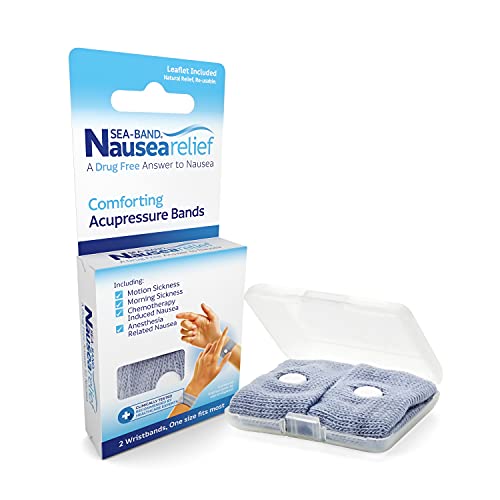
Acupressure Wrist Bands for motion or queasy stomach support; research on P6 stimulation suggests reduced nausea for some people.
Magnesium Glycinate if your clinician agrees it’s appropriate—some evidence suggests it can aid sleep and muscle relaxation; check for interactions and kidney considerations.
A home TENS Unit for short bouts of localized pain relief; it’s not acupuncture, but mild electrical stimulation can complement care. Avoid if you have a pacemaker and follow device instructions.
Avoid starting herbs or at-home moxibustion without guidance, especially if you are pregnant, on blood thinners, or have respiratory sensitivity.
FAQs
How quickly will I feel better? Some people notice change after 1–3 sessions; chronic issues generally need 6–8 sessions before sustained benefits emerge.
Does it hurt? You might feel a brief pinch with insertion and then a dull ache or warmth. Many patients feel deeply relaxed.
Is acupuncture safe during pregnancy? Yes when performed by a practitioner trained in prenatal care using pregnancy-safe points. Always disclose pregnancy or if you’re trying to conceive.
Can I combine acupuncture with medications? Generally yes, but always inform your practitioner and prescribing clinician.
Will insurance cover it? Some PPOs reimburse; Medicare has limited coverage for chronic low back pain when provided by certain clinicians. Many clinics offer superbills, packages, and accept FSA/HSA.
Local Resources and Provider Directories
California Acupuncture Board license lookup: search “California Acupuncture Board license” on the state’s DCA portal.
NCCAOM practitioner finder: verify national certification status.
California State Oriental Medical Association (CSOMA) and American Society of Acupuncturists (ASA): state and national professional associations.
Teaching clinics: Search “Pacific College of Health and Science San Diego Clinic” for current hours and pricing.
How to Use This Information
Identify your primary goal (pain, stress, fertility, digestion).
Choose 2–3 San Diego clinics that match your needs, verify licensing, and compare modalities, pricing, and scheduling.
Book a consultation and ask for a time-bound plan (e.g., 6 sessions with reevaluation) and clear outcome measures.
Consider complementary supports like PT, mindfulness, or gentle movement; keep your primary care clinician in the loop.
Disclaimer
This guide is for educational purposes and does not replace personalized medical advice. Consult qualified healthcare professionals about diagnoses, medications, and whether acupuncture is appropriate for your specific condition.
This content is for informational purposes only and does not constitute medical advice. Always consult a qualified healthcare provider before starting, stopping, or changing any supplement or medication regimen.
Holistic Wellness Centers in San Diego: Top Integrative Clinics, Services, and How to Choose. If you’re exploring holistic wellness centers in San Diego, you’re probably looking for care that blends conventional medicine with therapies like acupuncture, chiropractic, functional nutrition, massage, and mind‑body practices. This guide maps the local landscape, outlines evidence and safety for
Best Chiropractic Care in San Diego: Top Clinics, How to Choose, and What to Expect. If you’re searching for the best chiropractic care in San Diego, you’re likely dealing with back or neck pain, sciatica, headaches, or a sports tweak that just won’t quit. This guide pulls together what the research says, how to evaluate quality, how care typically works in San Diego, and practical
How to Find Holistic Health Practitioners in Asheville: Naturopaths, Acupuncturists, Integrative Clinics & What to Expect. If you’re searching for holistic health practitioners in Asheville, you’re not alone. This mountain city blends a vibrant wellness culture with evidence-informed care, from community acupuncture and herbal apothecaries to functional medicine consults and trauma‑informed bodywork. This guide explains
Chiropractic Services in Downtown San Diego: Top Clinics, What to Expect, and How to Choose. If you’re searching for chiropractic services in downtown San Diego, you’re likely dealing with back or neck pain, headaches, or the posture strain that comes with desk work and city commutes. This guide outlines what chiropractors downtown typically offer, which conditions respond best, how to navi
How to Find a Holistic Practitioner Near You: A Practical Guide to Modalities, Credentials, and What to Ask. If you’ve typed “finding a holistic practitioner near me” into a search bar, you’re probably looking for care that treats the whole person—mind, body, and lifestyle—not just a diagnosis. This guide walks you through what “holistic” really means, which modalities fit your needs, where and how to sear
Combining Eastern and Western Health Practices: An Evidence‑Based Guide to Integrative Care. If you’re curious about combining Eastern and Western health practices, you’re not alone. Many people want the diagnostic clarity of conventional medicine alongside the whole-person focus of Traditional Chinese Medicine (TCM), Ayurveda, yoga, mindfulness, and other mind–body tools. This guide walks