Chiropractic Clinics in Mission Bay: Top Local Practitioners, What to Expect, and How to Choose
Your guide to chiropractic clinics in Mission Bay: services, costs, safety, and how to choose an evidence-based, patient-centered chiropractor.
·9 min read
This content is for informational purposes only and does not constitute medical advice. Always consult a qualified healthcare provider before starting, stopping, or changing any supplement or medication regimen.
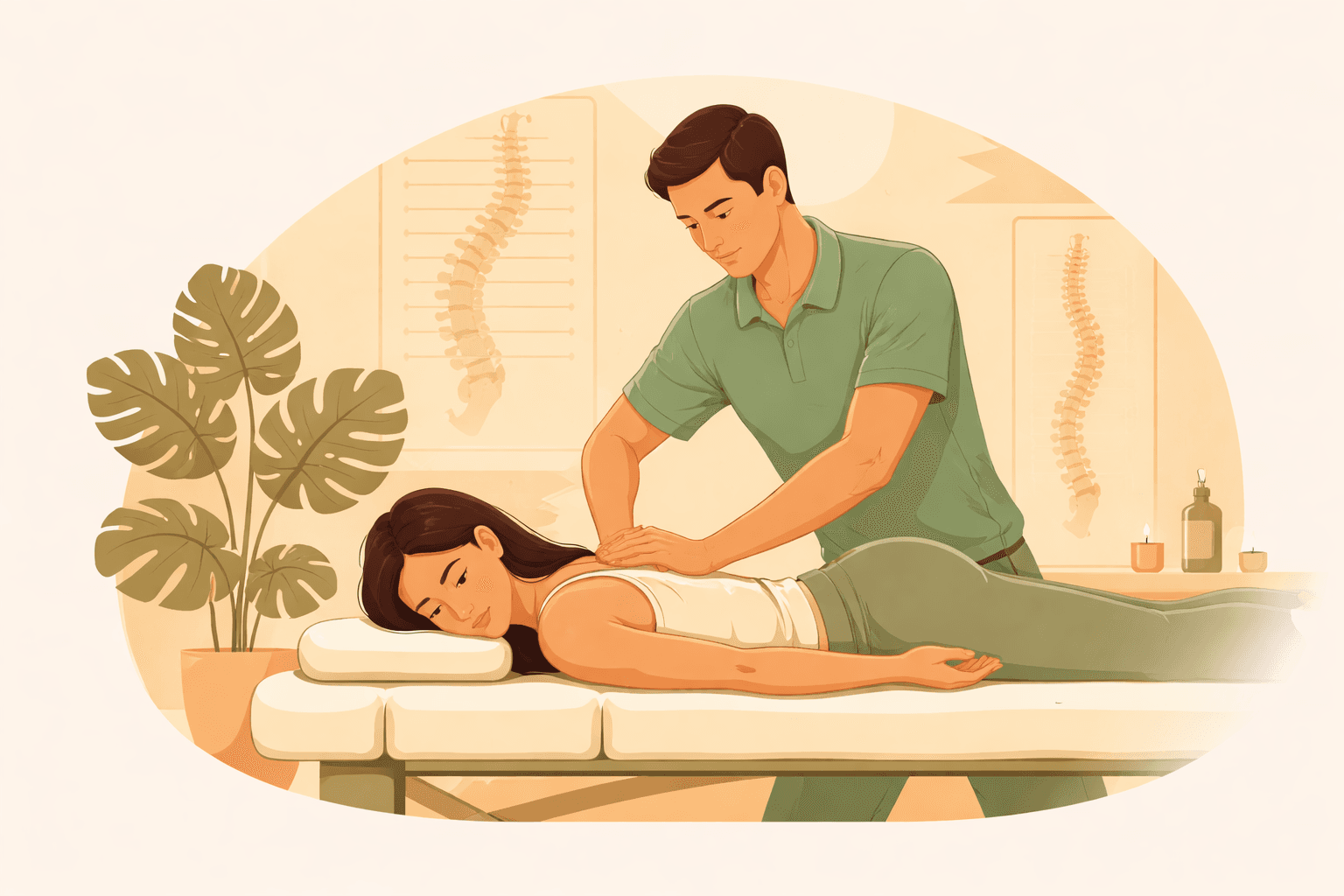
If you’re searching for chiropractic clinics in Mission Bay, you’re likely weighing your options, wondering what services are available, how much visits cost, and how to pick a practitioner who aligns with your goals. This guide covers local clinic types, what the first visit typically looks like, safety and expected outcomes, cost and coverage details, and practical tips for choosing an evidence-based, patient-centered chiropractor.
Chiropractic Clinics in Mission Bay: What’s Available
Mission Bay and the surrounding neighborhoods typically host a mix of clinic types:
Types of clinics you’ll find
Solo practitioners: Often emphasize hands-on spinal and extremity adjustments, soft-tissue work, and brief exercise coaching. Scheduling can be flexible, with a personal touch.
Multidisciplinary wellness centers: Combine chiropractic with physical therapy, acupuncture, massage therapy, and sometimes nutrition coaching. Useful for complex or persistent pain where an integrative approach helps.
Sports-focused clinics: Cater to runners, cyclists, rowers, and field-sport athletes. Services often include movement screens, return-to-sport testing, and sport-specific rehab.
Prenatal and family-focused practices: Emphasize gentle techniques, pelvic balance (e.g., Webster technique), and education on sleep, posture, and infant/toddler ergonomics.
Common services offered
Spinal and extremity adjustments (high-velocity, low-amplitude; diversified; drop-table; instrument-assisted)
Joint mobilization (slower, graded movements) and traction/decompression
Soft-tissue therapy (myofascial release, trigger point work, instrument-assisted soft-tissue mobilization)
Dry needling or acupuncture integration (for myofascial trigger points or traditional meridian-based care)
Massage therapy collaborations or on-site services
Ergonomics coaching, postural retraining, and lifestyle recommendations
Imaging referral pathways (X-ray/MRI/ultrasound) when clinically indicated
Credentials and specializations to verify
Licensure: Look for a Doctor of Chiropractic (DC) with an active state license and no disciplinary actions. You can verify status through your state’s chiropractic board website.
Postgraduate certifications (helpful but not mandatory):
Sports: CCSP (Certified Chiropractic Sports Physician) or DACBSP
Rehab: DACRB (Diplomate of the American Chiropractic Rehabilitation Board)
Orthopedics: DACO or DABCO
Pregnancy and pediatrics: Webster certification, ICPA coursework
Movement systems/exercise methods: SFMA, FMS, DNS, McKenzie (MDT), or McGill
If the clinic includes acupuncture or massage: Confirm those providers’ licenses (e.g., licensed acupuncturist, certified massage therapist) and board credentials.
Patient-Focused Treatment Information
Conditions commonly treated
Low back and neck pain (acute and chronic)
Sciatica and radicular symptoms (tingling, numbness, leg pain)
History and goals: Your clinician will ask about your symptoms, daily activities, sport/work demands, and what you want to get back to doing.
Functional exam: Posture and movement assessment, range-of-motion, strength, neurologic screening (reflexes, sensation), and orthopedic tests to identify pain drivers.
Imaging: Not routinely needed. Research-informed guidelines generally reserve X-rays/MRI for red-flag concerns (severe or progressive neurologic deficits, trauma, suspected fracture/infection, cancer history, or when results will change management).
Shared decision-making: You’ll discuss options that can include manual therapy, exercise, activity modification, and—in some clinics—acupuncture or massage. A good clinic explains benefits, risks, alternatives, and expected timelines.
Realistic outcomes and timeframes
For many acute spine complaints, research suggests meaningful improvement within 2–6 weeks when care includes manual therapy plus active exercise and self-management strategies.
Chronic or recurrent issues may improve more gradually and benefit from a combined approach: graded activity, strength and mobility work, stress/sleep support, and targeted manual therapy when indicated.
Expect re-evaluations every 2–4 weeks to track progress and adjust the plan.
Treatment frequency and duration
Acute flare-ups: Often 1–2 visits per week for 2–4 weeks, then taper as you transition to home exercise and activity-based care.
Persistent/chronic symptoms: Weekly or biweekly initially, with emphasis on building a sustainable home program and functional goals.
Performance care: Periodic tune-ups around training blocks or after a new workload; frequency depends on sport demands and response.
Safety considerations
Most adverse effects of manual therapy are mild and temporary (e.g., soreness, fatigue). Serious complications are rare, particularly when providers screen thoroughly for red flags.
High-velocity manipulation of the neck carries a very small but widely discussed risk of vascular injury. Many clinicians use alternatives (mobilization, exercise, or lower-velocity techniques) when risk factors exist or when patients prefer.
Disclose osteoporosis, anticoagulant use, prior spinal surgery, connective tissue disorders, or recent trauma so your plan can be adapted.
What the Research Says
Evidence statements below reflect the overall literature and are generalized; individual responses vary.
Low back pain: Moderate evidence supports spinal manipulation/mobilization for acute and chronic low back pain, with benefits comparable to other recommended nonpharmacologic therapies when combined with exercise and education. Effects are typically modest to moderate.
Neck pain: Moderate evidence indicates short- to medium-term improvements using manual therapy plus exercise versus minimal care. Adding education and movement training improves durability.
Headaches: Moderate evidence supports manual therapy and exercise for cervicogenic and tension-type headaches; effects for migraine are less certain but some patients report benefit as adjunctive care.
Sciatica/radiculopathy: Emerging to moderate evidence; outcomes depend on cause and severity. Approaches emphasizing nerve mobility, graded activity, and symptom modification can be helpful.
Dry needling: Emerging to moderate evidence for short-term pain relief in myofascial pain; longer-term outcomes improve when paired with exercise.
Acupuncture: Moderate evidence suggests benefit for chronic low back pain and some neck pain cases, particularly as part of a multimodal plan.
Massage therapy: Moderate evidence for short-term relief in low back and neck pain; best combined with exercise and self-care.
Safety: Serious adverse events after spinal manipulation are rare according to large observational datasets; proper screening and informed consent are standard of care.
Overall take: Research supports a multimodal, patient-centered plan—manual therapy plus active rehab, education, and lifestyle modification—over passive care alone.
Local Practicalities: Access, Costs, and Coverage
Getting to clinics in Mission Bay
Location and transit: Expect clinics near major avenues, medical campuses, or mixed-use developments with public transit and bike access. Some locations offer validated parking; others rely on nearby garages or street parking with time limits.
Accessibility: Ask about wheelchair access, elevator availability, adjustable tables, and private treatment rooms if needed.
Appointment options
Same-day or next-day care for acute flare-ups is common in busier neighborhoods.
Telehealth: Many clinics offer virtual ergonomics assessments, exercise progressions, and follow-up check-ins. Hands-on techniques require in-person visits, but telehealth can extend care and reduce visit frequency.
Hours: Early-morning, evening, and occasional weekend slots help accommodate work schedules.
Typical session length and price ranges
Initial evaluation: 45–60 minutes; commonly $120–$250 depending on provider experience and included services.
Follow-ups: 20–45 minutes; commonly $60–$150. Longer visits that include rehab or adjunctive therapies may cost more.
Add-ons: Dry needling, acupuncture, or decompression often carry supplemental fees ($20–$75) if not included.
Prices vary by insurance status, service length, and whether your visit is coded as active treatment vs. maintenance/wellness.
Insurance, worker’s comp, Medicare, and payment options
PPO insurance: Many chiropractors are in-network or accept out-of-network benefits. Expect copays or coinsurance and session limits. Verify pre-authorization requirements.
HMO plans: Often require a referral from your primary care provider and may direct you to specific clinics.
Worker’s compensation and auto claims: Many clinics accept these; ask about adjuster communication and documentation.
Medicare: Typically covers spinal manipulation of the spine when deemed medically necessary; exams, X-rays, modalities, and maintenance care are generally not covered. Expect out-of-pocket charges for non-covered services.
HSAs/FSAs: Commonly accepted for eligible services.
Payment plans: Many clinics offer package discounts and interest-free plans. Request a written estimate before committing.
Tips for billing transparency
Ask for a Good Faith Estimate (for self-pay) and a list of CPT codes they commonly bill, plus expected frequency.
Confirm whether rehabilitation exercises, manual therapy, and dry needling are included or billed separately.
For insurance, confirm in-network status, your deductible, and visit limits. Request that the clinic verify benefits and provide you with the results in writing.
Ask about cancellation/no-show policies to avoid surprise fees.
How to Choose and Evaluate a Clinic
What to look for in reviews and testimonials
Mentions of clear explanations, collaborative goal-setting, and time spent on education and exercise—not just quick adjustments.
Reports of functional gains (sleep, sitting tolerance, lifting, sport participation) in addition to pain relief.
Positive experiences with front-desk support, scheduling, and billing transparency.
Smart questions to ask during a consult
How do you decide when imaging is necessary?
What portion of care will be active (exercise and self-management) versus passive (manual therapy only)?
How long are appointments, and how many visits do patients with my condition typically need before re-evaluation?
What outcomes do you track (e.g., Oswestry Disability Index, Neck Disability Index, return-to-sport metrics)?
How will you tailor care for my goals (e.g., running a race, pregnancy comfort, pain with desk work)?
Do you coordinate with my PCP, PT, or other specialists when appropriate?
What are the risks and alternatives to high-velocity adjustments, and what are my options if I prefer gentler methods?
Red flags to avoid
Guaranteed cures or claims that a single technique fixes all problems.
Mandatory long-term prepaid contracts without clear clinical justification and milestones.
Routine full-spine X-rays without red flags or clear biomechanical rationale.
Minimal time spent on education or exercise; pressure to buy large supplement stacks.
Dismissal of your questions or hesitation to discuss risks and informed consent.
Indicators of evidence-based, patient-centered care
Comprehensive assessment with clear differential reasoning and shared decision-making.
A plan that blends manual therapy with graded exercise, ergonomics, and self-care.
Regular re-evaluations with measurable goals and willingness to refer or co-manage.
Discussion of expectations, timelines, and consent in plain language.
Willingness to adapt techniques to your comfort level and medical history.
Verifying practitioner credentials
Check your state chiropractic board for licensure status and any disciplinary history.
For sports and rehab focus, look for CCSP/DACBSP or DACRB credentials.
For prenatal/pediatric focus, look for Webster certification and relevant coursework (e.g., ICPA).
If the clinic integrates acupuncture, verify the acupuncturist’s state license and board certification.
Supportive Tools You Can Consider at Home
Many Mission Bay patients combine in-clinic care with simple home strategies. While these products are not treatments for any condition, they can support comfort or make it easier to follow your plan:
Many people find a Lumbar Support Cushion helpful for maintaining a comfortable sitting posture during long work sessions.
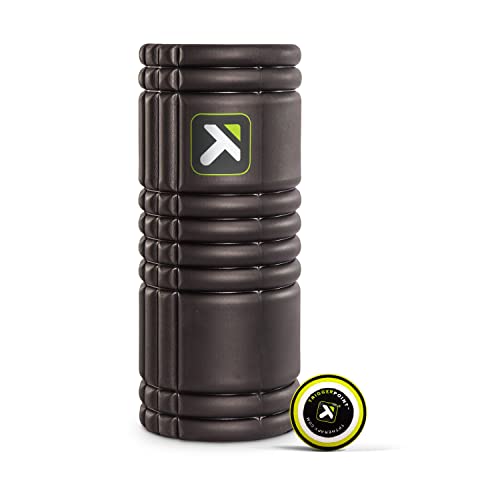
For movement and recovery between visits, a Foam Roller or Massage Ball Set can make home soft-tissue work more convenient; research on foam rolling suggests short-term improvements in flexibility and perceived soreness.
If workstation setup contributes to symptoms, an Adjustable Laptop Stand can support neutral positions during long video calls. Small ergonomic tweaks often complement your clinic’s exercise program.
Evidence notes: Research on these tools varies; they’re best used alongside an exercise plan designed with your clinician. They should not replace professional evaluation when symptoms are severe, persistent, or worsening.
How to Use This Information
Shortlist 2–3 chiropractic clinics in Mission Bay that match your needs (sports, prenatal, integrative).
Call to confirm credentials, appointment length, techniques available, and whether they emphasize exercise and education.
Ask for pricing details and a Good Faith Estimate if you’re self-pay; verify insurance benefits if applicable.
Schedule an initial visit with the clinic that provides the clearest plan, measurable goals, and good communication—and that respects your preferences around techniques.
Reassess after 2–4 visits: Are you gaining function and confidence? Is your home program clear? If not, discuss adjustments or consider a second opinion.
Disclaimer
This article is for educational purposes and should not replace personal medical advice. Chiropractic care is generally safe for many people, but it is not appropriate for every condition. Consult a licensed healthcare professional about your specific situation, particularly if you have red-flag symptoms (e.g., significant trauma, fever, unexplained weight loss, cancer history, progressive neurologic deficits) or complex medical histories.
This content is for informational purposes only and does not constitute medical advice. Always consult a qualified healthcare provider before starting, stopping, or changing any supplement or medication regimen.
Best Chiropractic Care in San Diego: Top Clinics, How to Choose, and What to Expect. If you’re searching for the best chiropractic care in San Diego, you’re likely dealing with back or neck pain, sciatica, headaches, or a sports tweak that just won’t quit. This guide pulls together what the research says, how to evaluate quality, how care typically works in San Diego, and practical
Chiropractic Services in Downtown San Diego: Top Clinics, What to Expect, and How to Choose. If you’re searching for chiropractic services in downtown San Diego, you’re likely dealing with back or neck pain, headaches, or the posture strain that comes with desk work and city commutes. This guide outlines what chiropractors downtown typically offer, which conditions respond best, how to navi
Holistic Wellness Centers in San Diego: Top Integrative Clinics, Services, and How to Choose. If you’re exploring holistic wellness centers in San Diego, you’re probably looking for care that blends conventional medicine with therapies like acupuncture, chiropractic, functional nutrition, massage, and mind‑body practices. This guide maps the local landscape, outlines evidence and safety for
Holistic Acupuncture Clinics in San Diego: A Local Guide to Integrative Care. If you’re searching for holistic acupuncture clinics in San Diego, you’re likely looking for whole-person care that blends Eastern and Western approaches—help for pain, stress, fertility, digestion, or sleep that respects the body’s interconnected systems. This local guide explains what “holistic” a
Chiropractic for Pain Management: Techniques, Evidence, and Safety. If you’re considering chiropractic care for pain, you may be wondering which pain management techniques in chiropractic actually help, how safe they are, and what to expect. This guide explains core methods chiropractors use, what the research suggests for common conditions, and how to integrate car
Acupuncture Clinics in Asheville: Top Local Practices, What to Expect, and How to Choose. If you’re searching for acupuncture clinics in Asheville, you’re likely wondering which practices are reputable, what styles of acupuncture they use, what conditions respond well, and how much you should expect to pay. This guide brings together western research, eastern tradition, and practical loc