

Sciatica and Chiropractic Care
Sciatica refers to pain, tingling, numbness, or weakness that travels from the lower back into the buttock and down the leg along the sciatic nerve. It is most often caused by a lumbar disc herniation compressing a nerve root, but can also arise from lumbar spinal stenosis (narrowing of the spinal canal/foramina) or extra‑spinal entrapments such as piriformis syndrome. Typical symptoms include unilateral leg pain worse than back pain, radiating below the knee, often with paresthesias in a dermatomal pattern and possible motor weakness or reduced reflexes. This differs from general low‑back pain, which is usually localized to the lumbar region and buttocks without true nerve‑root signs. Diagnosis is clinical—history and exam with straight‑leg raise and neurologic testing—augmented by MRI when red flags are present or when severe symptoms persist beyond several weeks. Chiropractic care is a non‑pharmacologic, hands‑on approach that may include spinal manipulation/adjustment (high‑velocity, low‑amplitude thrusts), mobilization, flexion‑distraction (a gentle traction‑mobilization technique), mechanical decompression/traction, soft‑tissue methods for muscles like the piriformis, neurodynamic nerve‑gliding, exercise prescription (e.g., McKenzie, core stabilization), and education/activity modification. Proposed mechanisms include improving segmental mobility, reducing nociceptive input, modulating central pain processing, lowering intradiscal pressure (flexion‑distraction), enlarging foraminal space transiently (traction/mobilization), decreasing muscle spasm and myofascial trigger points, improving nerve excursion and intraneural fluid dynamics (neurodynamics), and building trunk control to reduce recurrent irritation. Clinical evidence suggests spinal manipulation can provide short‑term pain and function improvements for some people with sciatica, with greater certainty for non‑radicular low‑back pain and more limited, heterogeneous trials specific to radiculopathy. A
Updated September 8, 2026This content is for informational purposes only and does not constitute medical advice. Always consult a qualified healthcare provider before starting, stopping, or changing any supplement or medication regimen.
Shared Risk Factors
Symptom duration (acute vs chronic)
Moderate EvidenceShorter duration of radicular pain is associated with better outcomes from conservative care, including manual therapies, while chronicity predicts slower or incomplete response.
Disc herniation morphology and severity
Moderate EvidenceContained protrusions often improve with conservative care; large extrusions/sequestrations with progressive neurologic deficits more often require surgical evaluation.
Psychosocial distress (fear‑avoidance, depression, catastrophizing)
Strong EvidencePsychological factors predict pain persistence and disability in low‑back–related leg pain.
Physical deconditioning and low activity
Moderate EvidenceInactivity and weak trunk/hip musculature are linked to back and leg pain persistence.
Smoking and obesity
Moderate EvidenceBoth are associated with disc degeneration and worse outcomes in lumbar radiculopathy.
Lumbar spinal stenosis and older age
Moderate EvidenceNeurogenic claudication/foraminal narrowing can mimic or accompany sciatica and respond differently to interventions.
Overlapping Treatments
Spinal manipulation/adjustment (HVLA) and mobilization
Moderate EvidenceMay reduce leg pain and improve function in some with acute/subacute radiculopathy; clearer benefit for non‑radicular low‑back pain.
Core chiropractic method to restore segmental motion and modulate pain.
Avoid with progressive neurologic deficit, suspected fracture, infection, cancer, or cauda equina; evidence in sciatica is heterogeneous.
Flexion‑distraction (Cox technique)
Emerging ResearchGentle flexion and distraction can reduce intradiscal pressure and relieve nerve root irritation in some patients.
Common chiropractic approach for discogenic and radicular presentations.
Limited RCT data; benefits may be short‑term and technique‑dependent.
Mechanical traction/decompression
Emerging ResearchMay transiently enlarge foramina and reduce nerve contact; subgroup benefits reported for radicular pain.
Used selectively within chiropractic; often combined with exercise.
Guidelines generally do not recommend routine traction for low‑back pain; decompression devices have low‑quality evidence.
Soft‑tissue therapy (myofascial release, piriformis work)
Emerging ResearchAddresses myofascial contributors and potential piriformis‑related nerve irritation.
Adjunct to spinal care to reduce spasm and tenderness.
Evidence mainly observational; best as part of a multimodal plan.
Neurodynamic mobilization (nerve‑gliding)
Moderate EvidenceCan improve pain and function in lumbar radiculopathy by enhancing nerve excursion and reducing intraneural edema.
Often incorporated by chiropractors with rehab emphasis.
Technique dosing and patient tolerance vary; proceed gradually.
Exercise prescription (McKenzie‑style direction‑specific exercise, core stabilization, walking)
Moderate EvidenceSupports recovery, reduces recurrence, and addresses deconditioning; some patients centralize leg pain with extension‑biased exercises.
Key element of evidence‑based chiropractic care.
Requires adherence; not all patients centralize—programs should be individualized.
Patient education, activity modification, ergonomic coaching
Strong EvidenceReduces fear‑avoidance, promotes safe movement, and supports natural resolution.
Standard in contemporary chiropractic and rehab practice.
Effect sizes depend on consistent reinforcement and patient engagement.
Medical Perspectives
Two Ways of Seeing Health

Western
scientific · clinical
Western medicine applies science, technology, and clinical experience to treat symptoms through testing, diagnosis, and targeted intervention.
Surgeons · Pharmaceuticals · Clinical trials · Diagnostics 
Eastern
traditional · alternative
Eastern medicine focuses on treating the body naturally by applying traditional knowledge practiced for thousands of years, emphasizing balance and whole-person wellness.
Acupuncture · Herbal medicine · Yoga · Meditation
Gold Bamboo presents both perspectives side-by-side so you can make informed decisions. We don't advocate for one over the other — your health choices are yours.
Two Ways of Seeing Health
Western
scientific · clinical
Western medicine applies science, technology, and clinical experience to treat symptoms through testing, diagnosis, and targeted intervention.
Eastern
traditional · alternative
Eastern medicine focuses on treating the body naturally by applying traditional knowledge practiced for thousands of years, emphasizing balance and whole-person wellness.
Gold Bamboo presents both perspectives side-by-side so you can make informed decisions. We don't advocate for one over the other — your health choices are yours.
Western Perspective
From a western clinical standpoint, sciatica is nerve‑root–related leg pain most commonly caused by lumbar disc herniation, less commonly by spinal stenosis or extra‑spinal entrapment. Chiropractic is considered one of several guideline‑endorsed non‑pharmacologic options for low‑back pain; evidence specific to radicular leg pain is more limited but suggests short‑term benefit in some patients. Best practice integrates manual therapy with exercise, education, and coordination with primary care, with vigilance for red flags requiring urgent imaging or surgical referral.
Key Insights
- Most acute sciatica improves over weeks to months; early surgery accelerates relief for severe cases but long‑term outcomes often converge with conservative care.
- Spinal manipulation shows modest short‑term improvements in pain/function for some with radicular symptoms, with higher certainty for non‑radicular back pain.
- Manual therapy is recommended only as part of a package of care that includes exercise; routine traction is not recommended.
- Predictors of poorer response include chronicity, large sequestered herniation, significant motor deficit, and high psychosocial distress.
- Serious adverse events from lumbar manipulation are rare; minor, transient soreness is relatively common.
Treatments
- Spinal manipulation/mobilization integrated with exercise
- Flexion‑distraction for discogenic presentations
- Neurodynamic exercises and activity modification
- Analgesics as needed, and consideration of epidural steroid injection for severe radicular pain
- Surgical evaluation for progressive neurologic deficit or intractable pain
Deep Dive
Sciatica is defined in western medicine as pain, paresthesia, and/or weakness radiating in a nerve‑root distribution from the lower back into th... Sciatica is defined in western medicine as pain, paresthesia, and/or weakness radiating in a nerve‑root distribution from the lower back into the leg, most commonly caused by a lumbar disc herniation leading to chemical and mechanical irritation of the nerve root. Less commonly, foraminal stenosis, spondylolisthesis, or extraspinal entrapments such as piriformis syndrome are implicated. Clinical evaluation emphasizes a careful neurologic exam and provocative tests such as the straight‑leg raise, reserving MRI for red flags (suspected cauda equina, infection, fracture, cancer) or for persistent, severe symptoms after several weeks. The general trajectory is favorable: many acute cases improve over 6–12 weeks. Early surgery can hasten relief for severe radicular pain with deficits, but one‑year outcomes usually converge with conservative care. Within this conservative spectrum, chiropractic care offers nonpharmacologic options: spinal manipulation/mobilization, flexion–distraction, targeted soft‑tissue work, neurodynamic techniques, personalized exercise prescription, and education. Mechanistically, high‑velocity, low‑amplitude thrusts and mobilizations may restore segmental motion, down‑regulate nociceptive signaling, and produce central pain‑modulatory effects. Flexion–distraction can lower intradiscal pressure and transiently enlarge foraminal spaces, potentially easing root irritation. Nerve‑gliding aims to improve neural excursion and reduce intraneural edema, while exercise addresses deconditioning and supports long‑term resilience. Evidence specific to radicular leg pain is less robust than for non‑radicular low‑back pain. Systematic reviews suggest manipulation may provide short‑term improvements in pain and function for selected patients, especially when combined with exercise and education. NICE recommends manual therapy only as part of a multimodal package and advises against routine traction. A randomized study suggests that, in carefully selected patients with lumbar disc herniation, spinal manipulation can achieve outcomes comparable to microdiscectomy for many, though more confirmatory trials are needed. Predictors of less favorable response include chronicity, large sequestered herniations or marked motor deficits, and high psychosocial distress—all factors that guide shared decision‑making and referral. Safety data indicate minor post‑treatment soreness is common and self‑limited; serious adverse events from lumbar manipulation appear rare but warrant careful screening. Integration with primary care, physical therapy, medications as needed, and, when appropriate, epidural steroid injections or surgical consultation represents best practice.
Sources
- Qaseem A et al. Noninvasive treatments for acute, subacute, and chronic low back pain: ACP guideline. Ann Intern Med. 2017.
- NICE Guideline NG59: Low back pain and sciatica in over 16s. 2016 (updated 2020).
- Peul WC et al. Surgery vs prolonged conservative treatment for sciatica. N Engl J Med. 2007.
- Hahne AJ et al. Conservative management of lumbar disc herniation with radiculopathy: systematic review. Spine. 2010.
- North American Spine Society. Evidence‑Based Clinical Guidelines for Lumbar Disc Herniation with Radiculopathy. 2012/2020 update.
Eastern Perspective
Traditional systems frame sciatica as a disruption of energetic and tissue balance. In Traditional Chinese Medicine (TCM), radiating leg pain aligns with obstruction of Qi and Blood in the Bladder and Gallbladder channels due to Cold‑Damp, Wind, or trauma. Tuina manual therapy, acupuncture, moxibustion, and cupping aim to restore flow and reduce pain. In Ayurveda, Gridhrasi (sciatica) is linked to aggravated Vata affecting the kati‑pradesha (lower back) and lower limb; therapies emphasize snehana (oleation), swedana (fomentation), basti (medicated enemas), targeted marma therapy, and yoga to re‑balance Vata and reduce nerve irritation. Many chiropractors in integrative settings align with these perspectives by combining gentle manual techniques with movement therapies and lifestyle measures.
Key Insights
- Manual therapies like Tuina share goals with chiropractic—restore mobility, relieve obstruction, and calm pain signaling.
- Acupuncture has emerging to moderate evidence for reducing sciatica pain and improving function, and can be co‑delivered with chiropractic.
- Ayurvedic approaches (e.g., kati basti, basti therapies) are traditionally used for radiating leg pain and stiffness with supportive but limited modern trials.
- Breath‑guided yoga and mindful movement help modulate pain perception, improve trunk/hip control, and address Vata/qi imbalances.
Treatments
- Acupuncture along Bladder/Gallbladder meridians; electroacupuncture for radicular pain
- Tuina and gentle mobilization; cupping and moxibustion for Cold‑Damp patterns
- Ayurvedic snehana/swedana, kati basti, and medicated basti under practitioner supervision
- Yoga therapy (direction‑specific poses, core, and nerve‑gliding‑informed sequences) and pranayama
Deep Dive
Traditional and integrative frameworks view sciatica as a disturbance of system balance with both structural and energetic dimensions. In TCM, r... Traditional and integrative frameworks view sciatica as a disturbance of system balance with both structural and energetic dimensions. In TCM, radiating leg pain corresponds to obstruction of Qi and Blood in the Bladder and Gallbladder channels, often due to Wind‑Cold‑Damp invasion or local stasis from overuse or trauma. Therapeutic goals are to move Qi and Blood, warm and disperse pathogenic factors, and free the channels. Acupuncture—sometimes with electrostimulation—targets channel points along the posterior and lateral leg to reduce pain and restore flow, while moxibustion and cupping address Cold‑Damp and stagnation. Tuina manual therapy applies mobilizations, traction‑like techniques, and soft‑tissue methods to improve alignment and tissue pliability, sharing practical overlap with gentle chiropractic and rehabilitative approaches. Ayurveda describes Gridhrasi, a condition akin to sciatica, as aggravated Vata deranging the function of the lower back and leg. Management emphasizes calming Vata through snehana (oleation with warm medicated oils), swedana (fomentation), kati basti (localized oil pooling over the lumbar area), and basti (medicated enemas) under practitioner supervision. These therapies are combined with marma (vital point) work, corrective movement, and dietary routines that stabilize Vata. Yoga therapy contributes direction‑specific postures, breathwork, and mindfulness to ease pain, improve trunk and hip control, and reduce fear‑avoidance—principles that resonate with rehabilitation science. Across traditions, an integrative model emerges: gentle manual techniques to reduce local restriction and irritation; targeted movement to restore functional patterns; and lifestyle measures to improve circulation, calm the nervous system, and support healing. Contemporary research provides moderate support for acupuncture’s role in reducing sciatica symptoms and emerging evidence for traditional manual therapies as part of multimodal care. While conceptual languages differ—Qi/Blood and Vata versus nociception and neural mechanosensitivity—the practical overlap encourages collaborative care. Careful triage remains essential: red‑flag presentations require urgent biomedical evaluation, while most uncomplicated cases may benefit from phased, conservative, and patient‑centered plans that respect both structural and systemic contributors.
Sources
- Zhang R et al. Acupuncture for sciatica: systematic review and meta‑analysis. PLoS One. 2015.
- WHO. Benchmarks for the practice of Tuina and Acupuncture. 2010.
- Tillu G et al. Gridhrasi (sciatica) in Ayurveda: concepts and management. Anc Sci Life. 2015.
Evidence Ratings
Manual therapy (including spinal manipulation) can improve pain and function in some patients with sciatica, with short‑term benefits most evident.
Hahne AJ et al. Conservative management of lumbar disc herniation with radiculopathy: systematic review. Spine. 2010.
Manual therapy should be provided only as part of a package with exercise for low back pain with or without sciatica.
NICE Guideline NG59: Low back pain and sciatica in over 16s. 2016 (updated 2020).
Routine lumbar traction is not recommended for low back pain; benefits for sciatica subgroups are uncertain.
Wegner I et al. Traction for low-back pain with or without sciatica. Cochrane Database Syst Rev. 2013.
Early surgery yields faster relief than conservative care in severe sciatica, but long‑term outcomes often equalize by one year.
Peul WC et al. Surgery vs prolonged conservative treatment for sciatica. N Engl J Med. 2007.
Neurodynamic mobilization can reduce pain and disability in lumbar radiculopathy.
Basson A et al. The effectiveness of neural mobilization for musculoskeletal conditions: systematic review and meta‑analysis. Musculoskelet Sci Pract. 2017.
Lumbar spinal manipulation is associated with low rates of serious adverse events; minor soreness is relatively common and transient.
Carnes D et al. Adverse events following manual therapy: systematic review. Eur Spine J. 2010.
In selected patients with disc herniation, spinal manipulative therapy may achieve outcomes comparable to microdiscectomy, allowing many to avoid surgery.
McMorland G et al. Manipulation or microdiskectomy for sciatica? Randomized clinical trial. J Manipulative Physiol Ther. 2010.
Acupuncture can reduce sciatica pain compared with usual care or medications in several trials.
Zhang R et al. Acupuncture for sciatica: systematic review and meta‑analysis. PLoS One. 2015.
Sources
- Qaseem A, Wilt TJ, McLean RM, Forciea MA; Clinical Guidelines Committee of the American College of Physicians. Noninvasive treatments for acute, subacute, and chronic low back pain. Ann Intern Med. 2017.
- National Institute for Health and Care Excellence (NICE). Low back pain and sciatica in over 16s: assessment and management (NG59). 2016, updated 2020.
- Peul WC, van Houwelingen HC, van den Hout WB, et al. Surgery versus prolonged conservative treatment for sciatica. N Engl J Med. 2007;356:2245-2256.
- Hahne AJ, Ford JJ, McMeeken JM. Conservative management of lumbar disc herniation with associated radiculopathy: a systematic review. Spine. 2010;35:E488–E504.
- North American Spine Society (NASS). Evidence-Based Clinical Guidelines for Multidisciplinary Spine Care: Diagnosis and Treatment of Lumbar Disc Herniation with Radiculopathy. 2012; updated 2020.
- Wegner I, Widyahening IS, van Tulder MW, et al. Traction for low-back pain with or without sciatica. Cochrane Database Syst Rev. 2013.
- McMorland G, Suter E, Casha S, du Plessis SJ, Hurlbert RJ. Manipulation or microdiskectomy for sciatica? A prospective randomized clinical study. J Manipulative Physiol Ther. 2010;33(8):576-584.
- Carnes D, Mars TS, Mullinger B, et al. Adverse events following manual therapy: a systematic review. Eur Spine J. 2010;19(12):2077-2090.
- American College of Radiology. ACR Appropriateness Criteria: Low Back Pain. 2021.
- Basson A, Olivier B, Ellis R, Coppieters MW, Stewart A, Mudzi W. The effectiveness of neural mobilisation for musculoskeletal conditions: a systematic review and meta-analysis. Musculoskelet Sci Pract. 2017.
- Zhang R, Lao L, Ren K, Berman BM. Mechanisms of acupuncture-electroacupuncture on persistent pain. PLoS One/EA review references on sciatica meta-analyses. 2015.
Related Topics
Recommended Products
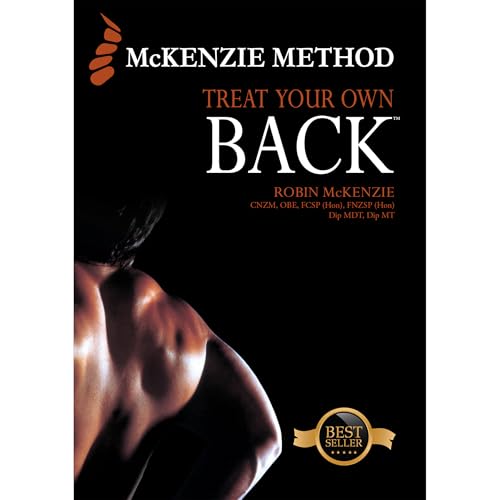
Treat Your Own Back: McKenzie, Robin
This best-selling book has helped ... physiotherapist Robin McKenzie, the book <strong>provides an understanding of how the spine works, the basics of mechanical back pain and common causes of back pa
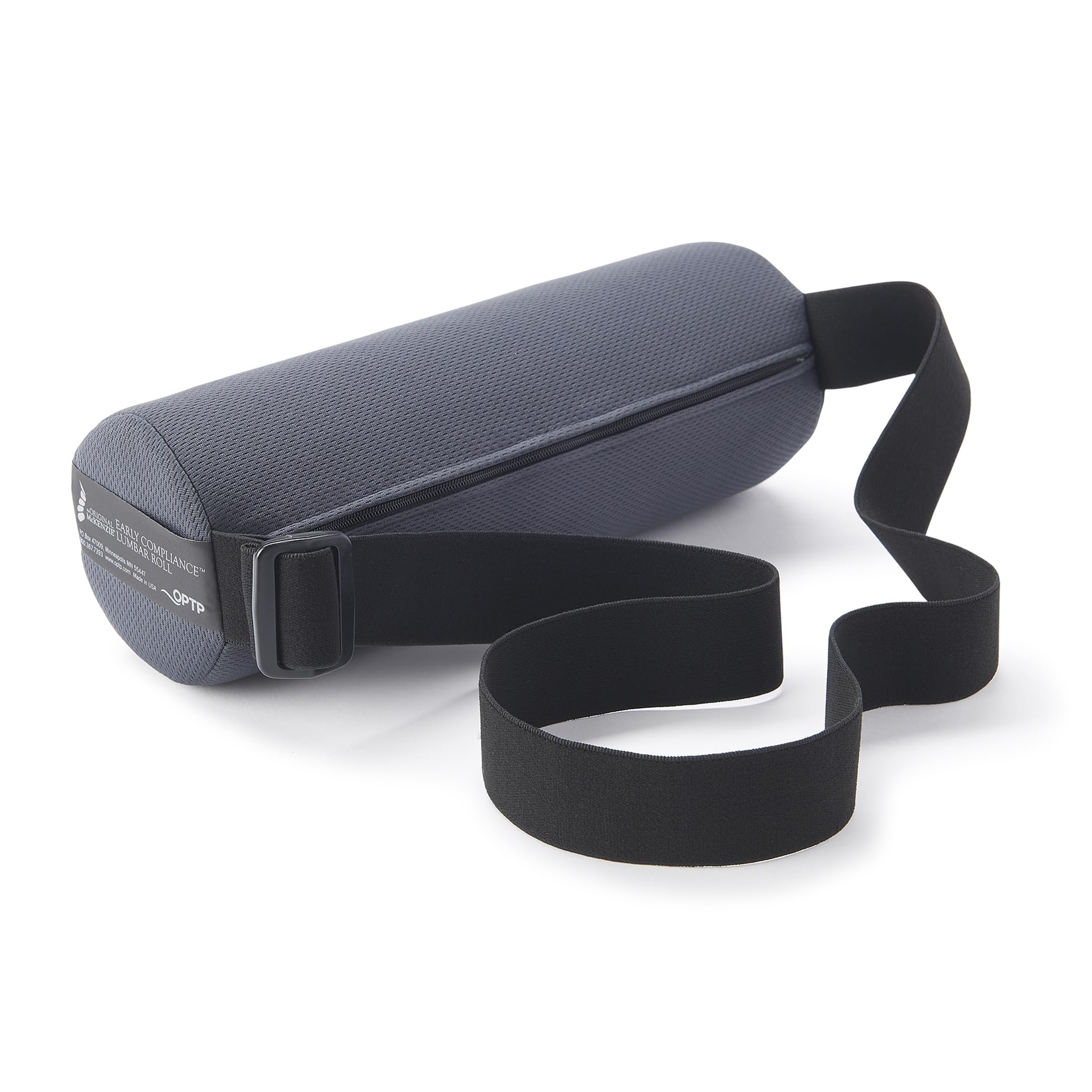
OPTP The Original McKenzie Lumbar Roll – USA-Made Low Back Lumbar Support for Office Chair & Car Seat Back Support Cushion. The Preferred Lumbar Pillow by Physical Therapists - Firm Density
The Original McKenzie Lumbar Roll is <strong>the top-selling back cushion, and the preferred choice of spine and back pain experts around the world</strong>. McKenzie back supports are ideal for any s

TriggerPoint GRID Foam Roller for Exercise, Deep Tissue Massage and Muscle Recovery, Original (13-Inch)
The 13-inch GRID X features <strong>extra dense foam for working the tightest muscles</strong>. Purchase of any TriggerPoint GRID foam roller includes free access to an online instructional video libr
Health Disclaimer
This content is for informational purposes only and does not constitute medical advice. Always consult a qualified healthcare provider before starting, stopping, or changing any supplement or medication regimen.