

Naturopathy
Naturopathy: an overview
Naturopathy is a whole-person healing modality that emphasizes the body's inherent capacity for self-regulation and recovery, while drawing on a broad range of lifestyle, nutritional, botanical, mind-body, and physical medicine approaches. As a clinical tradition, it developed in Europe and North America in the late 19th and early 20th centuries, but it incorporates ideas from older healing systems, including hydrotherapy, herbal medicine, nutrition-based care, traditional nature cure practices, and elements influenced by systems such as Ayurveda and Traditional Chinese Medicine. In modern practice, naturopathy may be delivered by practitioners with different levels of training depending on the country or jurisdiction, which makes regulation and scope of practice an important part of understanding the field.
Core naturopathic principles commonly include supporting the healing power of nature, identifying underlying contributors rather than focusing only on symptoms, treating the whole person, prioritizing prevention, and using the least forceful intervention appropriate to the situation. In practice, this can involve attention to diet, sleep, stress, movement, digestive function, environmental exposures, and social context, alongside selected natural therapies. Because the term covers a wide spectrum of methods, naturopathy is best understood as a modality framework rather than a single treatment.
Naturopathy is widely used as part of the broader complementary and integrative health landscape. Surveys in several countries suggest that many people seek naturopathic care for chronic or recurrent concerns such as fatigue, digestive symptoms, stress-related complaints, pain, women's health concerns, allergies, and general wellness support. Its popularity is linked in part to demand for more time-intensive, person-centered care and interest in nonpharmaceutical or lifestyle-oriented approaches. At the same time, the heterogeneity of naturopathic practice means its safety and effectiveness can vary considerably depending on the practitioner, the condition being addressed, and the specific therapies used.
From an evidence standpoint, naturopathy is complex to evaluate. Some components commonly used within naturopathic care—such as nutrition counseling, exercise, stress management, and selected mind-body practices—are well studied within conventional and integrative medicine. Other components, including certain botanical formulas, detoxification concepts, constitutional assessment models, or combination protocols unique to naturopathic practice, have a more limited evidence base. As a result, the strongest scientific support often applies to individual interventions within naturopathic care, rather than to naturopathy as a single unified system. Consultation with appropriately qualified healthcare professionals remains important, particularly for serious conditions, medication interactions, pregnancy, or when complementary care is being used alongside conventional treatment.
Medical Perspectives
Two Ways of Seeing Health

Western
scientific · clinical
Western medicine applies science, technology, and clinical experience to treat symptoms through testing, diagnosis, and targeted intervention.

Eastern
traditional · alternative
Eastern medicine focuses on treating the body naturally by applying traditional knowledge practiced for thousands of years, emphasizing balance and whole-person wellness.
Gold Bamboo presents both perspectives side-by-side so you can make informed decisions. We don't advocate for one over the other — your health choices are yours.
Western Medicine Perspective
Western medicine perspective
From a conventional medical perspective, naturopathy is generally classified under complementary, alternative, or integrative medicine, depending on how it is used and whether it is combined with standard care. Western medicine tends to evaluate naturopathic care by examining the evidence for specific therapies, clinical outcomes, safety, and standardization. This approach recognizes that some naturopathic tools overlap substantially with mainstream preventive care—especially dietary modification, exercise, sleep optimization, and stress reduction—while other approaches remain controversial because of limited clinical evidence, inconsistent regulation, or biologic plausibility concerns.
A major challenge in evaluating naturopathy is that it is a multimodal system. Clinical studies may assess “whole-system naturopathic care” for conditions such as cardiovascular risk, chronic low back pain, type 2 diabetes risk factors, or anxiety-related symptoms, and some research suggests improvements in selected outcomes. However, these studies are often limited by small sample sizes, difficulty blinding participants, variability in practitioner methods, and problems isolating which part of care produced the effect. Western clinicians therefore often distinguish between evidence-supported components and broader claims that have not been rigorously established.
Safety is another key issue in conventional assessment. Many naturopathic strategies are low risk when appropriately used, but risks can arise from delayed diagnosis, substitution for necessary conventional care, supplement-herb-drug interactions, contamination or variability in natural products, and differences in licensure standards across jurisdictions. For that reason, mainstream organizations often emphasize coordinated care, transparent disclosure of all therapies being used, and careful evaluation of the credentials of any practitioner involved.
Eastern & Traditional Perspective
Eastern and traditional medicine perspective
Within broader traditional and holistic health frameworks, naturopathy is often seen as philosophically aligned with systems that emphasize balance, constitution, prevention, and support of the body's vital processes. Although naturopathy is historically distinct from Traditional Chinese Medicine (TCM) and Ayurveda, it shares with them a systems-oriented view of health: symptoms may be interpreted as signals of broader imbalance involving digestion, rest, stress, environment, and daily habits. This makes naturopathy compatible, in principle, with traditional approaches that focus on restoring harmony rather than targeting isolated disease categories alone.
In practice, naturopathy has borrowed selectively from several traditional systems. It may incorporate botanical medicine, food-as-medicine concepts, hydrotherapy, breathing practices, manual techniques, and lifestyle routines that resemble elements found in European nature cure traditions, Ayurveda, and TCM-informed wellness care. Naturopathic assessment frequently gives weight to patterns such as depletion, overload, stagnation, stress reactivity, or impaired resilience—concepts that are not always framed in biomedical terms but are familiar across traditional healing systems.
Traditional medicine perspectives generally value naturopathy for its emphasis on vis medicatrix naturae, often translated as the healing power of nature. This principle parallels long-standing ideas in many healing traditions that the organism tends toward equilibrium when obstacles to health are reduced and supportive conditions are restored. At the same time, classical systems such as TCM and Ayurveda have their own diagnostic frameworks, materia medica, and theories of physiology that are more internally developed than generic naturopathic models. For that reason, naturopathy is often best understood as a modern Western holistic modality that interacts with, but is not identical to, older Eastern medical systems.
From a traditional or integrative standpoint, naturopathy is most often valued as a framework for individualized, preventive, and supportive care. However, as with all traditional or complementary modalities, the appropriateness of any approach depends on practitioner training, context, and the need for collaboration with conventional medical evaluation when symptoms are persistent, severe, or medically complex.
How They Relate
Naturopathy & Chronic Fatigue (including ME/CFS)
Chronic fatigue ranges from persistent, unexplained tiredness to the complex, debilitating illness known as myalgic encephalomyelitis/chronic fatigue syndrome (ME/CFS). ME/CFS affects an estimated ...
Supplements & Products
Recommended Products
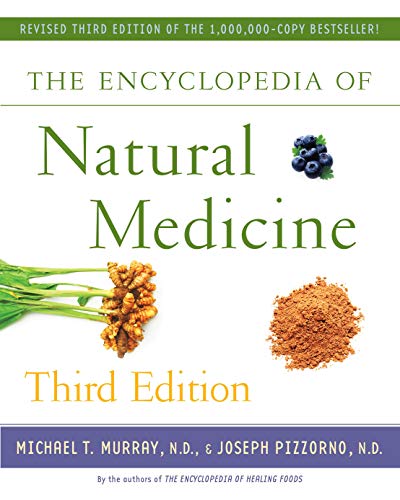
The Encyclopedia of Natural Medicine Third Edition (For Fans of Holistic Healing): Michael T. Murray, Joseph Pizzorno
From the world-renowned naturopathic ... common ailments. Michael Murray and Joseph Pizzorno <strong>focus on promoting health and treating disease with nontoxic, natural therapies</strong>....

THORNE - Basic Nutrients 2/Day - Comprehensive Daily Multivitamin with Optimal Bioavailability - Vitamin & Mineral Formula - Gluten, Dairy & Soy-Free - 60 Capsules - 30 Servings
Buy THORNE - Basic Nutrients 2/Day - Comprehensive Daily Multivitamin with Optimal Bioavailability - Vitamin & Mineral Formula - <strong>Gluten, Dairy & Soy-Free</strong> - 60 Capsules - 30 Se

QUEEN OF THE THRONES Castor Oil Pack for Liver Kit - Heatless, Less-Mess, Reusable - Organic Cotton Flannel, Comfort Fit, Soft Straps & Naturopathic Doctor Designed (16.9 oz Castor Oil Included)
Your Queen of the Thrones Castor Oil Pack for Liver is made of an inner layer of soft organic cotton flannel, an outer less-mess layer of polypropylene that is heat-bonded (a cleaner alternative to ch
Evidence & Sources
Promising research with growing clinical support from multiple studies
- National Center for Complementary and Integrative Health (NCCIH)
- World Health Organization Traditional, Complementary and Integrative Medicine materials
- BMJ Open
- BMC Complementary Medicine and Therapies
- The Journal of Alternative and Complementary Medicine
- Annals of Internal Medicine
- Mayo Clinic Proceedings
- Institute of Medicine report on Complementary and Alternative Medicine in the United States
This content is for informational purposes only and does not constitute medical advice. Always consult a qualified healthcare provider before starting, stopping, or changing any supplement or medication regimen.