

Naturopathy and Chronic Fatigue (including ME/CFS)
Chronic fatigue ranges from persistent, unexplained tiredness to the complex, debilitating illness known as myalgic encephalomyelitis/chronic fatigue syndrome (ME/CFS). ME/CFS affects an estimated 0.2–0.4% of the population and is characterized by profound fatigue not improved by rest, post‑exertional malaise (PEM), unrefreshing sleep, cognitive difficulties, and often orthostatic intolerance and pain. Common triggers include infections, major stressors, and environmental or physiological insults; comorbidities can include irritable bowel syndrome, autonomic dysfunction (e.g., POTS), mast cell activation, mood or sleep disorders, and musculoskeletal pain. Because contributors span immune, metabolic, neurologic, sleep, and psychosocial domains, a whole‑person, root‑cause approach—central to naturopathy—can be relevant alongside conventional care. Naturopathy emphasizes individualized care, prevention, and support for the body’s self‑healing capacity using nutrition, lifestyle, botanical medicine, mind–body therapies, and judicious supplementation. Interventions commonly explored for chronic fatigue and ME/CFS aim to: support mitochondrial bioenergetics (e.g., CoQ10, NADH, B‑vitamins, magnesium), modulate immunity and inflammation (vitamin D, omega‑3s, select botanicals), restore gut and hepatic function (elimination diets, probiotics, gentle liver support), rebalance stress physiology and autonomic tone (adaptogens such as ashwagandha or rhodiola, breathwork, yoga, meditation), and normalize sleep and circadian rhythms (sleep hygiene, light exposure, stimulus control). Activity management focuses on energy pacing to prevent PEM, with cautious, symptom‑informed movement rather than fixed graded exercise. Evidence is mixed and evolving. Small randomized trials suggest CoQ10±NADH may reduce fatigue and improve some biomarkers in ME/CFS; vitamin D may ease fatigue in those who are deficient; a 1990s trial of magnesium showed signals of benefit with inconsistent replic
Updated September 8, 2026This content is for informational purposes only and does not constitute medical advice. Always consult a qualified healthcare provider before starting, stopping, or changing any supplement or medication regimen.
Overlapping Treatments
Individualized nutrition and gut/hepatic support (e.g., anti‑inflammatory diet, elimination diet trials, probiotics, gentle liver support)
Emerging ResearchAligns with naturopathy’s root‑cause focus—identifying food triggers, supporting microbiome and detoxification pathways
May reduce GI comorbid symptoms, systemic inflammation, and support energy via improved nutrient status; small trials suggest microbiome shifts in ME/CFS
Elimination diets risk nutrient gaps; probiotics may cause GI upset and are used cautiously in immunocompromised individuals
Coenzyme Q10 ± NADH
Moderate EvidenceTargets mitochondrial function and oxidative stress—core naturopathic mechanisms for fatigue
Small RCTs in ME/CFS report reduced fatigue and improved biochemical markers
May reduce warfarin effect; mild GI effects or insomnia in some
Vitamin D repletion (when deficient)
Moderate EvidenceAddresses common micronutrient insufficiency; supports immune modulation
RCTs show fatigue improvement in deficient adults; observational links in ME/CFS
Monitor calcium and kidney health; avoid excessive dosing
Vitamin B12 and methylation support (with or without folate)
Emerging ResearchAddresses possible methylation/neurologic contributors; common naturopathic tool
Open‑label and small studies suggest symptom improvement in some; strongest benefits when deficiency exists
May cause acneiform rash or jitteriness; interacts with certain lab tests
Magnesium (oral forms)
Emerging ResearchSupports ATP production, neuromuscular relaxation, and sleep quality
Older small RCT signaled fatigue improvement; evidence mixed overall; may aid sleep/muscle symptoms
Loose stools common; caution in significant kidney disease
Adaptogenic botanicals (e.g., ashwagandha, rhodiola, panax ginseng)
Emerging ResearchNaturopathic use to modulate HPA axis and autonomic balance
Trials in stress‑related fatigue and sleep show benefits; direct ME/CFS data limited
Ashwagandha: rare liver effects; thyroid/autoimmune cautions. Ginseng: insomnia, BP/glucose effects, warfarin interaction. Rhodiola: stimulating in some; caution with bipolar disorder
Sleep and circadian restoration (sleep hygiene, CBT‑I principles, timed light, stimulus control)
Moderate EvidenceFoundational lifestyle medicine pillar to restore repair physiology
Improving sleep quality can reduce daytime fatigue and cognitive symptoms; CBT‑I effective for insomnia
Bright light contraindicated in some eye/skin disorders; behavioral changes require support
Energy pacing and gentle, symptom‑informed movement
Emerging ResearchEmphasizes “do no harm” and individual thresholds; prevents crashes
Helps avoid post‑exertional malaise and may improve function over time
Fixed graded exercise is not advised in ME/CFS; monitor for PEM and adjust accordingly
Mind–body therapies (mindfulness, yoga, breathwork, relaxation training)
Emerging ResearchAddresses biopsychosocial stress and autonomic dysregulation
Studies suggest improvements in perceived fatigue, sleep, and coping; not curative for ME/CFS
Overexertion in vigorous yoga may provoke PEM; adapt to tolerance
Medical Perspectives
Two Ways of Seeing Health

Western
scientific · clinical
Western medicine applies science, technology, and clinical experience to treat symptoms through testing, diagnosis, and targeted intervention.
Surgeons · Pharmaceuticals · Clinical trials · Diagnostics 
Eastern
traditional · alternative
Eastern medicine focuses on treating the body naturally by applying traditional knowledge practiced for thousands of years, emphasizing balance and whole-person wellness.
Acupuncture · Herbal medicine · Yoga · Meditation
Gold Bamboo presents both perspectives side-by-side so you can make informed decisions. We don't advocate for one over the other — your health choices are yours.
Two Ways of Seeing Health
Western
scientific · clinical
Western medicine applies science, technology, and clinical experience to treat symptoms through testing, diagnosis, and targeted intervention.
Eastern
traditional · alternative
Eastern medicine focuses on treating the body naturally by applying traditional knowledge practiced for thousands of years, emphasizing balance and whole-person wellness.
Gold Bamboo presents both perspectives side-by-side so you can make informed decisions. We don't advocate for one over the other — your health choices are yours.
Western Perspective
Western medicine recognizes chronic fatigue as a symptom with many causes and ME/CFS as a complex, multisystem disease defined by core features, notably post‑exertional malaise. Conventional care prioritizes exclusion of reversible conditions, symptom management, and paced activity. The evidence base for many naturopathic strategies is limited but growing, with some support for mitochondrial support (e.g., CoQ10), insomnia therapies, and individualized pacing.
Key Insights
- ME/CFS prevalence ~0.2–0.4% with significant functional impairment and hallmark PEM
- Comorbidities include orthostatic intolerance/POTS, IBS, sleep disorders, mast‑cell activation; HPA axis and autonomic differences are reported
- Cochrane and guideline updates caution against fixed graded exercise in ME/CFS; pacing and symptom‑informed activity are favored
- Small RCTs suggest benefits of CoQ10±NADH; vitamin D helps fatigue in deficient adults; evidence for magnesium and probiotics is mixed
- CBT can aid coping and symptom management but is not curative; pharmacologic options target sleep, pain, and orthostatic symptoms
Treatments
- Diagnostic evaluation to exclude anemia, thyroid disease, sleep apnea, diabetes, celiac disease, medication effects, major psychiatric illness
- Activity management with pacing, heart‑rate–informed thresholds, treatment of orthostatic intolerance (fluids, salt, compression; medications as appropriate)
- Sleep optimization (CBT‑I principles; careful use of sleep aids)
- Targeted supplementation where deficiency is confirmed (e.g., vitamin D, B12)
- Symptom‑directed therapies (pain, migraines, GI issues)
Deep Dive
From a Western clinical perspective, chronic fatigue is a symptom with a broad differential diagnosis, while ME/CFS is a defined, multi‑system c... From a Western clinical perspective, chronic fatigue is a symptom with a broad differential diagnosis, while ME/CFS is a defined, multi‑system condition characterized by post‑exertional malaise, unrefreshing sleep, cognitive impairment, and, in many cases, orthostatic intolerance. Evaluation first aims to exclude reversible causes such as anemia, thyroid dysfunction, diabetes, sleep apnea, medication effects, major depressive or anxiety disorders, celiac disease, and inflammatory or autoimmune illness. Once these are addressed, management focuses on symptom control, pacing, and functional stabilization. National guidelines now caution against fixed graded exercise therapy in ME/CFS because of the risk of exacerbating post‑exertional malaise; instead, energy management—matching activity to individual thresholds, sometimes with heart‑rate monitoring—is preferred. Sleep optimization using cognitive behavioral therapy for insomnia and careful use of sleep aids can improve restfulness, indirectly benefiting daytime fatigue. Comorbid orthostatic intolerance may respond to non‑pharmacologic measures (fluids, salt, compression) and, when appropriate, medications. Evidence for nutraceuticals is mixed but evolving. Small randomized trials of coenzyme Q10, sometimes combined with NADH, suggest reductions in fatigue and improvements in some oxidative stress markers among people with ME/CFS. Vitamin D repletion improves fatigue in deficient adults and is a reasonable target when labs confirm insufficiency. Older trials of magnesium showed signals of benefit but have not been consistently replicated; B12 can be helpful when deficiency is present, with limited evidence for broader use. Probiotics have shown modest benefits for mood or GI symptoms, with uncertain effects on fatigue severity. Mind–body practices such as mindfulness and gentle yoga can aid coping and sleep, though they do not address the core pathobiology of ME/CFS. Overall, Western evidence supports individualized, safety‑first integration of selected naturopathic strategies—especially those addressing demonstrable deficiencies or insomnia—while maintaining vigilance for red flags that warrant further medical workup.
Sources
- NICE Guideline NG206 (2021): ME/CFS diagnosis and management
- US CDC: ME/CFS information for clinicians
- Institute of Medicine (2015): Beyond ME/CFS report
- Castro‑Marrero J et al., 2015/2016 RCTs on CoQ10+NADH in ME/CFS
- Larun L et al., Cochrane (2019) Exercise therapy for CFS (quality concerns; updated guidance)
Eastern Perspective
Traditional systems and integrative naturopathic practice view chronic fatigue as a manifestation of depleted vitality, disordered qi/prana, and impaired digestive and stress‑response functions. Treatment aims to rebuild foundational energy, harmonize organ systems, and calm the nervous system using diet, botanicals (including adaptogens), acupuncture, and mind–body disciplines. While historical use is extensive, modern clinical evidence is still developing.
Key Insights
- TCM often frames ME/CFS as spleen qi and kidney qi/yang deficiency with possible liver qi stagnation; therapy tonifies qi and blood and soothes the liver
- Ayurveda relates chronic fatigue to ojas depletion, agni impairment, and vata/kapha imbalance; rasayana herbs and sattvic routines are emphasized
- Adaptogens (ashwagandha, rhodiola, ginseng) are used to normalize stress responses and resilience
- Acupuncture, qigong, yoga, and meditation are used to rebalance autonomic tone and improve sleep/coping
- Dietary therapies focus on easily digested, warming foods, gentle spices, and regular routines to restore digestive fire and circadian stability
Treatments
- Adaptogens: Withania somnifera (ashwagandha), Rhodiola rosea, Panax ginseng
- Qi/ojas‑building formulas (e.g., astragalus, licorice, jujube; Ayurvedic rasayana like amalaki, guduchi)
- Acupuncture and acupressure; qigong/taiji
- Yoga, pranayama, meditation, yoga nidra
- Warm, regular meals; ginger, cumin, coriander; routine sleep–wake cycles
Deep Dive
Traditional and integrative frameworks view chronic fatigue as a depletion of foundational vitality and dysregulation of stress and digestive sy... Traditional and integrative frameworks view chronic fatigue as a depletion of foundational vitality and dysregulation of stress and digestive systems. In Traditional Chinese Medicine, patterns commonly described in ME/CFS include spleen qi deficiency (poor transformation/transport of nutrients), kidney qi/yang deficiency (exhaustion, coldness, low resilience), and liver qi stagnation (tension, sleep disruption). Treatment seeks to tonify qi and blood with herbs such as astragalus (Huang Qi), codonopsis, and jujube; harmonize the liver; and restore restful sleep. Acupuncture is used to rebalance meridians and modulate autonomic tone; gentle qigong or tai chi practices support energy circulation without provoking post‑exertional malaise by allowing practitioners to self‑pace intensity. Ayurveda interprets chronic fatigue through the lenses of ojas depletion (loss of vital essence), impaired agni (digestive fire), and vata/kapha imbalance. Care emphasizes a sattvic, easily digested diet; regular routines for meals and sleep; warm oil abhyanga (self‑massage) to calm vata; and rasayana botanicals to rebuild strength. Withania somnifera (ashwagandha) is used to stabilize stress responses and improve sleep; Tinospora cordifolia (guduchi) and Emblica officinalis (amalaki) are included to nourish and support immunity. Naturopathy bridges these traditions with a modern lens on mechanisms—framing adaptogens as modulators of the HPA axis and autonomic nervous system; gut‑focused therapies as means to reduce inflammation and improve nutrient assimilation; and circadian practices as tools to restore the body’s repair cycles. While much of this rests on traditional knowledge and small modern studies, clinicians often combine these methods with careful pacing, emphasizing “first, do no harm” and close attention to post‑exertional symptoms. The result is a patient‑centered plan that respects physiologic limits, aims to rebuild foundational resilience, and complements biomedical management.
Sources
- Panossian A & Wikman G. Reviews on adaptogens and stress resilience
- Kim JE et al., 2019 systematic review: acupuncture for CFS (low‑certainty evidence)
- Langade D et al., 2019 RCT: ashwagandha improved sleep/stress‑related outcomes
- Traditional TCM and Ayurvedic texts on fatigue/qi or ojas depletion
Evidence Ratings
CoQ10±NADH supplementation can reduce fatigue severity in some people with ME/CFS
Castro‑Marrero J et al., randomized, double‑blind, placebo‑controlled trials (2015/2016)
Vitamin D repletion improves fatigue in vitamin D–deficient adults
Nowak A et al., Nutrients (2016) randomized controlled trial
Magnesium may improve fatigue in ME/CFS, but evidence is inconsistent
Cox IM et al., Lancet (1991) small RCT; later mixed studies
Energy pacing helps avoid post‑exertional malaise and may improve function over time
NICE NG206 (2021); Jason LA et al., studies on energy envelope theory
Probiotics can influence mood or GI symptoms in ME/CFS but have limited evidence for fatigue reduction
Rao AV et al., 2009 randomized pilot study; microbiome studies in ME/CFS
CBT may help coping and quality of life but is not curative for ME/CFS
NICE NG206 (2021) guideline synthesis
Adaptogens (ashwagandha, rhodiola) may reduce stress‑related fatigue and improve sleep
Langade D et al., 2019 RCT (ashwagandha); Panossian & Wikman reviews
Fixed graded exercise therapy should not be used in ME/CFS due to risk of worsening PEM
NICE NG206 (2021) recommendation
Sources
- NICE Guideline NG206 (2021). Myalgic encephalomyelitis (or encephalopathy)/chronic fatigue syndrome: diagnosis and management.
- US CDC. ME/CFS: Information for Healthcare Providers (accessed 2024).
- Institute of Medicine (2015). Beyond Myalgic Encephalomyelitis/Chronic Fatigue Syndrome: Redefining an Illness.
- Castro-Marrero J, et al. Coenzyme Q10 plus NADH supplementation in ME/CFS: randomized, double‑blind, placebo‑controlled trials (2015/2016).
- Nowak A, et al. Effect of vitamin D3 on self‑perceived fatigue: randomized double‑blind placebo‑controlled trial. Nutrients. 2016.
- Cox IM, Campbell MJ, Dowson D. Red blood cell magnesium and chronic fatigue syndrome. Lancet. 1991.
- Rao AV, et al. Probiotic Lactobacillus casei Shirota in chronic fatigue syndrome: randomized, double‑blind pilot. 2009.
- Giloteaux L, et al. Reduced diversity and altered metabolic potential of the gut microbiome in ME/CFS. Microbiome. 2016.
- Panossian A, Wikman G. Evidence base of adaptogens in stress‑induced fatigue. 2010/2021 reviews.
Related Topics
Recommended Products
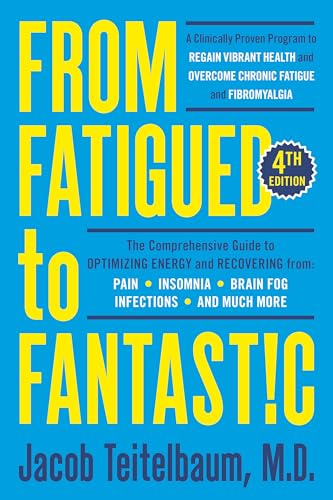
From Fatigued to Fantastic! Fourth Edition: A Clinically Proven Program to Regain Vibrant Health and Overcome Chronic Fatigue: Teitelbaum M.D., Jacob
From Fatigued to Fantastic! Fourth Edition: <strong>A Clinically Proven Program to Regain Vibrant Health and Overcome Chronic Fatigue</strong> [Teitelbaum M.D., Jacob] on Amazon.com. *FREE* shipping o

Jarrow Formulas QH-Absorb Ubiquinol 100mg - 120 Softgels - High Absorption & Active Antioxidant Form of Co-Q10 - Supports Mitochondrial Energy Production & Healthy Cardiovascular Function
Clinically Shown: Jarrow Formulas’ ... mg per day) over baseline · Convenient Softgels: <strong>Each softgel form QH-Absorb serving provides 100 mg of ubiquinol, a Co Q 10 supplement</strong>; Take 1

Polar H10 Heart Rate Monitor Chest Strap - ANT + Bluetooth, Waterproof HR Sensor for Men and Women : Everything Else
CONNECTIVITY: Bluetooth, ANT plus and 5 kHz provide an excellent variety of connection options. <strong>You can use Bluetooth and ANT plus connections simultaneously as well as two Bluetooth connectio
Health Disclaimer
This content is for informational purposes only and does not constitute medical advice. Always consult a qualified healthcare provider before starting, stopping, or changing any supplement or medication regimen.