Eastern vs Western Medicine: Key Differences in Philosophy, Diagnosis, Evidence, and When to Use Each
Eastern vs Western medicine compared—philosophies, diagnosis, evidence, safety, and when to use each, plus tips to combine care wisely.
·10 min read
This content is for informational purposes only and does not constitute medical advice. Always consult a qualified healthcare provider before starting, stopping, or changing any supplement or medication regimen.
If you’ve ever wondered how to choose between acupuncture and ibuprofen, or herbs and prescription drugs, you’re already asking the core question behind eastern vs western medicine. People seek clarity on which system works best, when to use each, and how to combine them safely. This guide compares philosophies, diagnostic frameworks, evidence, and practical use-cases—so you can make informed, personalized choices.
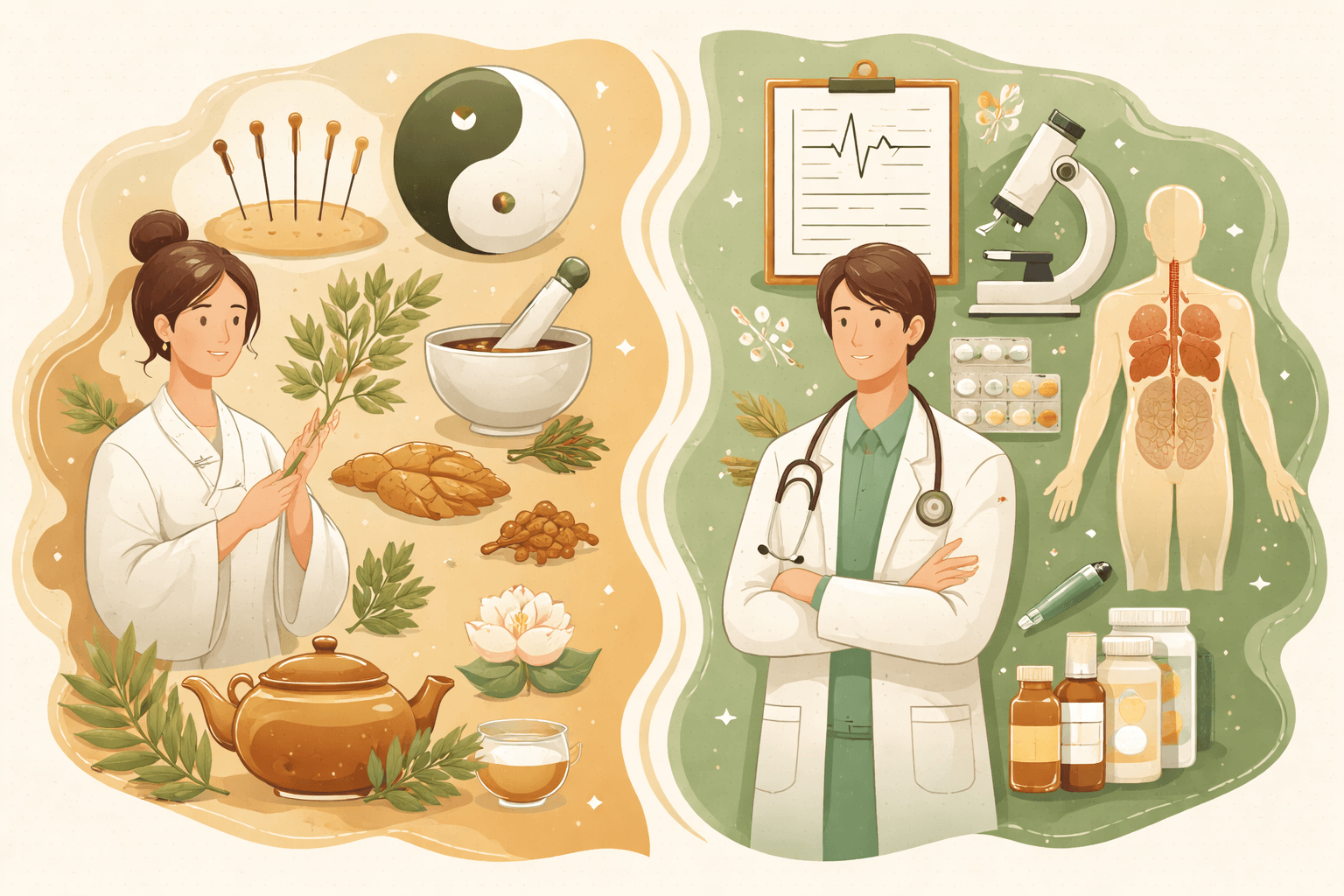
Eastern vs Western Medicine: Philosophies and Common Modalities
Eastern systems focus on balance, energy, holism, and prevention
Traditional Chinese Medicine (TCM) and Ayurveda view health as dynamic balance within the body and between the body and environment.
TCM emphasizes Qi (vital energy), Yin–Yang balance, and the interplay of organ systems and meridians. Diagnosis often considers patterns (e.g., “Liver Qi stagnation”) rather than named diseases. See our overview: What Is Traditional Chinese Medicine? An Evidence-Based Overview.
Holism is central: body, mind, emotions, and environment are integrated; prevention and daily routines (sleep, diet, movement, stress practices) are emphasized.
Common modalities in Eastern systems:
Acupuncture, acupressure, moxibustion, cupping
Herbal formulas (complex combinations tailored to patterns)
Diet therapy and culinary herbs/spices
Yoga, tai chi, qigong, meditation, breath work
Massage/bodywork (tui na, abhyanga), detoxifying or seasonal routines
Western biomedicine prioritizes pathophysiology, diagnostics, and targeted interventions
Western medicine frames disease through anatomy, physiology, and biochemistry. The goal is identifying a specific cause or mechanism and treating it directly (e.g., pathogens, inflammation, autoimmunity, structural damage).
It values reductionism for precision: breaking a problem into measurable components enables controlled trials and standardized care.
Prevention exists (vaccination, screening, lifestyle counseling), but acute and disease-targeted interventions dominate.
Neither philosophy is “better” universally. Eastern systems often excel at personalization and lifestyle-based prevention. Western care is unparalleled in emergencies and conditions requiring rapid, targeted action.
Diagnostic Frameworks and Treatment Strategies
How each system assesses patients
Eastern assessment: extensive history (sleep, appetite, emotions, digestion), observation (tongue color/coat, facial complexion), palpation (pulse qualities across positions). The result is a pattern diagnosis guiding an individualized plan.
Western assessment: symptom history, physical exam, and targeted tests (labs, imaging, ECG). The result is a disease diagnosis (e.g., major depressive disorder, osteoarthritis) with guideline-based treatments.
Treatment timelines, expectations, and patient experience
Eastern approaches typically unfold over weeks to months, with frequent re-evaluations and adjustments. Acupuncture may be weekly initially, then taper. Herbal formulas change as symptoms shift. Daily self-care (movement, breath work, diet) is core. Many patients report feeling “heard” due to longer visits.
Western care can act quickly (pain relief, antibiotics, surgery) and follows standardized protocols. Follow-up focuses on objective outcomes (lab values, imaging, validated scales). Appointments may be shorter but are highly structured.
Interventions in practice
Eastern: acupuncture to modulate pain and stress pathways; herbs to address patterns (e.g., “dampness,” “heat”); tai chi or yoga to improve mobility and balance; diet tailored to constitution and season.
Western: medications to block or enhance biochemical signals; surgery to repair structures; physical therapy to strengthen and retrain movement; psychotherapy for cognition and behavior.
Acupuncture for pain and nausea: moderate to strong evidence. Multiple randomized controlled trials (RCTs) and meta-analyses show benefit for chronic pain conditions (e.g., osteoarthritis, back pain) and chemotherapy-induced nausea. Effects are modest on average but clinically meaningful for some. Research suggests both specific and contextual (placebo-related) factors contribute.
Mind–body practices (yoga, tai chi, qigong, meditation): moderate evidence. Studies indicate improvements in stress, anxiety, sleep, and function in chronic pain. Mechanisms may include downregulation of the sympathetic “fight-or-flight” response and improved proprioception.
Herbal medicine: mixed evidence. Some single herbs or standardized extracts show benefit (e.g., curcumin for joint discomfort; ginger for nausea), but quality control and study heterogeneity are challenges. Multi-herb TCM formulas have promising but often emerging evidence due to variable composition and trial designs. See: Herbal Medicine Guide: Uses, Evidence, Safety & How to Choose and Chinese Herbs: A Practical, Evidence-Based Guide.
Ayurveda: emerging to moderate evidence overall. Specific interventions (e.g., yoga/meditation components, certain botanicals) have supportive studies, while comprehensive Panchakarma or individualized dosha-based protocols are less studied with high-quality RCTs.
Western pharmaceuticals and procedures: strong evidence for many indications via large RCTs and post-marketing surveillance. That said, effect sizes vary, and side effects can be significant.
Western trials often use standardized interventions, placebo controls, and blinding, enabling clearer attribution of cause and effect. However, they can under-represent complex, individualized care and lifestyle contexts.
Trials of acupuncture and herbal formulas face challenges: difficulty with blinding, heterogeneity of techniques and formulas, and practitioner-dependent effects. Pragmatic trials may better reflect real-world benefit, while mechanistic trials isolate specific effects.
Placebo vs specific effects: Across all medicine, expectation and therapeutic alliance influence outcomes. In acupuncture and pain research, sham-controlled studies suggest both specific needling effects and meaningful nonspecific effects. For patients, the total effect (symptom relief, function) is what matters—provided safety is ensured.
Safety, quality, and regulation
Herb–drug interactions: St. John’s wort (a Western herb) can induce liver enzymes and alter medication levels; ginseng can affect blood sugar and interact with anticoagulants. Similar concerns apply to some Chinese and Ayurvedic herbs. Always share all supplements with your clinician.
Product quality: Risks include mislabeling, contamination (heavy metals, pesticides), or adulteration with pharmaceuticals. Prefer third-party tested products (e.g., USP, NSF, or other independent certifiers) and reputable manufacturers.
Practitioner credentials:
Acupuncture/TCM: look for state licensure and NCCAOM certification (L.Ac., Dipl. OM). DAOM indicates advanced training.
Ayurveda: credentials vary by country; in the U.S., look for recognized schools and professional memberships; ask about supervised clinical hours.
Naturopathic doctors (NDs): in licensed states, NDs complete accredited doctoral programs and board exams; scope varies by state.
Western clinicians: MD/DO, board certification in specialty, and licensure.
Regulatory environment: Western drugs/devices undergo formal approval processes. Herbs and supplements in many countries are regulated as foods, not drugs—efficacy claims are restricted, and quality control varies.
Conditions and Use-Cases: Where Each Approach Shines (and Where It Doesn’t)
Acute, emergency, and surgical care
Strength of Western medicine: strong evidence and clear protocols for trauma, stroke, heart attack, sepsis, acute appendicitis, obstructed airway, and obstetric emergencies. Delay in these cases can be life-threatening. Use Eastern therapies only as supportive recovery measures after stabilization (e.g., acupuncture for post-op nausea or pain management alongside medical care).
Chronic pain and musculoskeletal issues
Complementary potential: Acupuncture, tai chi, yoga, and mindfulness paired with physical therapy and judicious medication can improve pain, function, and mood. For osteoarthritis of the knee, for instance, research suggests adding tai chi or acupuncture to exercise therapy offers modest added benefit. See mechanisms and expectations in our acupuncture overview linked above.
Metabolic conditions (prediabetes, type 2 diabetes, metabolic syndrome)
Western strengths: glucose-lowering medications, cardiovascular risk reduction, screening for complications.
Eastern contributions: diet pattern coaching, herbs under professional supervision (e.g., bitter compounds), stress reduction, sleep optimization, and daily movement can aid metabolic flexibility. For a focused comparison, see: Diabetes Management: East vs West.
Integration caveat: Some botanicals may interact with diabetes medications; coordinate dosing and monitoring with your healthcare team.
Mental health and stress-related concerns
Western strengths: evidence-based psychotherapies (CBT, ACT), medications for moderate to severe depression, crisis intervention.
Eastern and integrative options: meditation, breath work, yoga, acupuncture, and certain botanicals may support mild to moderate symptoms and stress resilience. Research indicates these can improve sleep and anxiety, with generally favorable safety profiles when guided.
Functional gastrointestinal issues (e.g., IBS), headaches, and peri-menopausal symptoms
Mixed evidence but promising integrative approaches: dietary pattern changes (Western nutrition), gut-directed hypnotherapy or CBT, acupuncture, ginger or peppermint for nausea, and mind–body stress practices. Individual responses vary; personalization is key.
When approaches may conflict
Herb–drug overlap: High-dose anticoagulant herbs with blood thinners; sedative herbs with benzodiazepines; serotonergic herbs with SSRIs. Always coordinate care.
Delaying necessary conventional care: Relying solely on herbs or acupuncture for severe infections, appendicitis, or emergent neurological symptoms is unsafe.
Practical Takeaways: Choosing and Integrating Care Safely
How to choose a path (or blend them)
Clarify your goal: rapid symptom control, long-term root-cause work, prevention, or all three.
Map the risk/benefit: For high-risk or rapidly progressive conditions, prioritize Western diagnostics and treatment. For chronic, lifestyle-driven issues, consider an integrative plan.
Ask providers how they coordinate with other clinicians and how progress will be tracked (symptoms, function, labs, validated scales).
Questions to ask any practitioner
What is the evidence for this approach for my condition (strong, moderate, emerging, traditional)? What results and timelines are realistic?
What are potential side effects and interactions? How will we monitor safety?
What are your credentials and experience with cases like mine? Do you communicate with my other clinicians?
How will we decide to escalate, de-escalate, or switch strategies?
Vetting credentials and quality
Acupuncture/TCM: confirm state licensure and NCCAOM certification; ask about clean-needle technique and informed consent.
Ayurveda: request training details, clinical hours, and how they address herb sourcing and quality.
Naturopathic: in licensed states, look for accredited ND programs and board exams; clarify scope in your state.
Western: verify board certification and licensure; ask about guideline familiarity and shared decision-making.
Insurance, access, and cost
Many Western services are insurance-covered; integrative services vary. Some acupuncture, physical therapy, and behavioral health are covered depending on plan.
Ask about package pricing, sliding scales, group visits, and telehealth options for cost control.
Keep receipts for HSAs/FSAs; some supplements and devices may be eligible with a letter of medical necessity.
When to prioritize emergency Western care
Seek immediate medical attention for:
Chest pain, severe shortness of breath, facial droop/arm weakness/speech difficulty, severe allergic reactions
High fever with confusion, uncontrolled bleeding, severe abdominal pain, new seizures, suicidal thoughts
Red flags for unsafe treatments
Promises of a “cure-all,” pressure to stop essential medications, refusal to coordinate with your medical team
Lack of sterile technique for needling or invasive procedures
Supplements without third-party testing or unclear ingredient lists
Helpful tools many people consider (not medical advice)
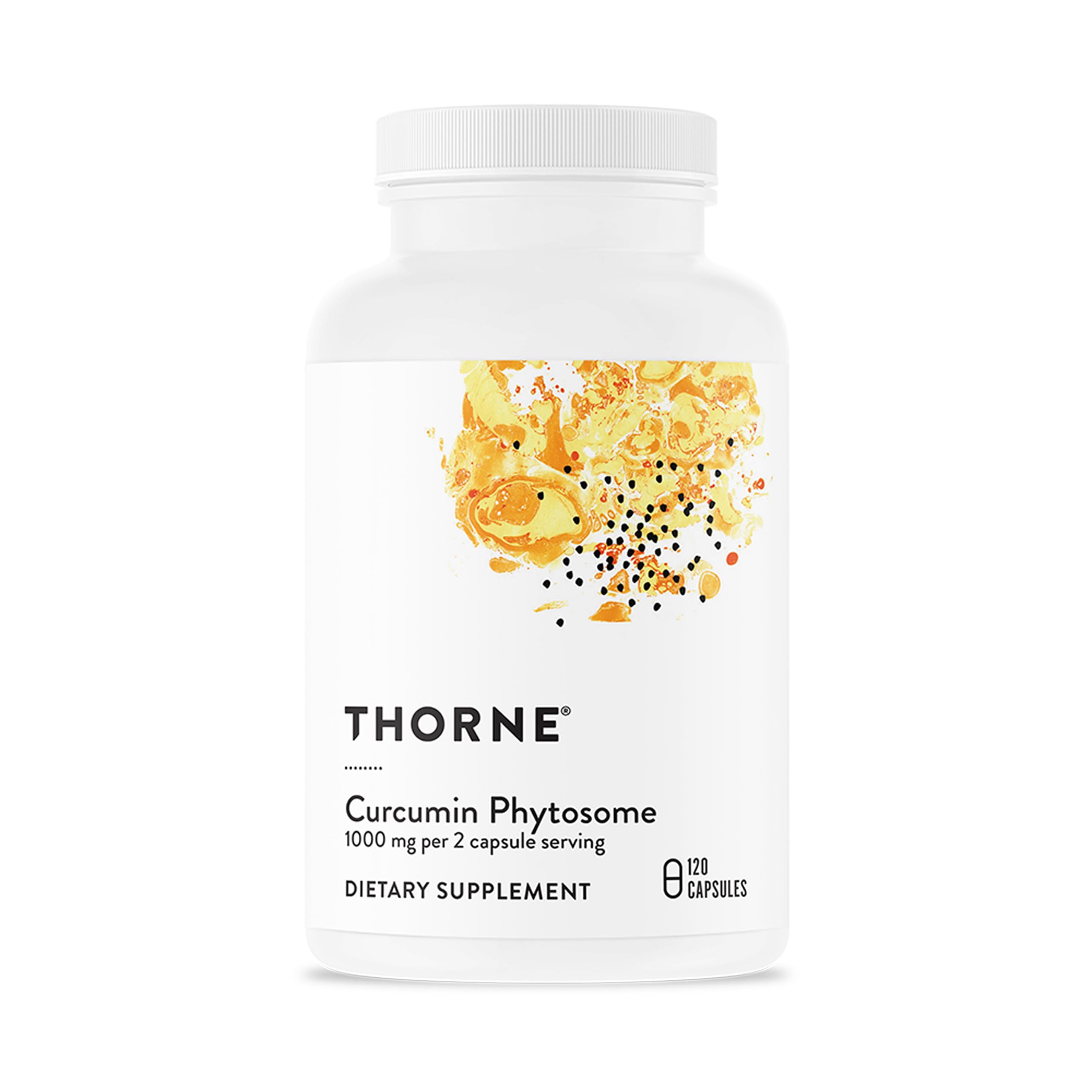
A third-party tested turmeric/curcumin supplement may support comfort in everyday activity; many people find Curcumin Complex convenient for this purpose. Evidence for general joint comfort is mixed to moderate; talk to your clinician if you take blood thinners.
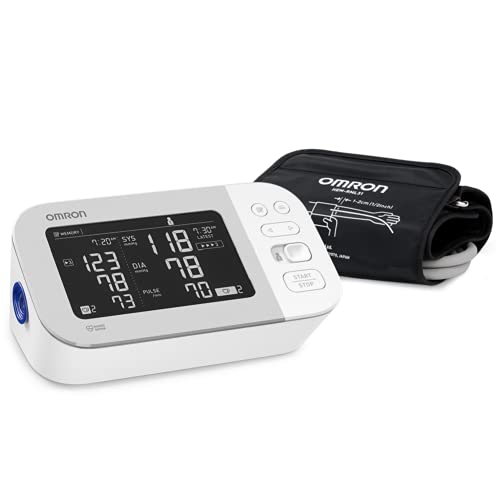
A home blood pressure monitor like Smart BP Cuff helps you and your clinicians track response to lifestyle changes or medications. Data enables more precise, shared decisions.
For sleep and stress routines, some prefer magnesium glycinate; a product such as Mag Glycinate can be a practical way to trial whether it fits your regimen. Research suggests magnesium may support sleep quality for some individuals; discuss dosing and interactions with your provider.
For acute, high-risk issues, choose Western diagnostics and treatment first; add Eastern modalities for recovery and resilience once stable.
For chronic, lifestyle-sensitive conditions, consider a blended plan: evidence-based Western treatments plus acupuncture or mind–body practices and tailored nutrition/herbs under qualified guidance.
Track outcomes (symptom diaries, function scores, home metrics) and reassess every 4–8 weeks. If you’re not improving as expected, adjust.
Disclose all supplements and therapies to every clinician you see to minimize interactions and duplications.
Disclaimer
This article is for educational purposes and should not replace personalized medical advice. Always consult qualified healthcare professionals before starting, stopping, or combining treatments, especially if you have existing conditions, are pregnant or breastfeeding, or take prescription medications.
This content is for informational purposes only and does not constitute medical advice. Always consult a qualified healthcare provider before starting, stopping, or changing any supplement or medication regimen.
Combining Eastern and Western Health Practices: An Evidence‑Based Guide to Integrative Care. If you’re curious about combining Eastern and Western health practices, you’re not alone. Many people want the diagnostic clarity of conventional medicine alongside the whole-person focus of Traditional Chinese Medicine (TCM), Ayurveda, yoga, mindfulness, and other mind–body tools. This guide walks
If you’re curious about alternative medicine—what it includes, whether it works, and how to use it safely—you’re not alone. Alternative medicine spans traditions like acupuncture, Ayurveda, and herbal
Traditional Chinese Medicine (TCM) Practices: Acupuncture, Herbs, Cupping, Moxibustion, and the Evidence. Many people are curious about traditional Chinese medicine practices—what they are, how they work, and what the evidence says. If you’re weighing acupuncture, herbs, cupping, moxibustion, tui na, dietary therapy, or qigong, this guide walks through core principles, common uses, safety, and how to in
Eastern Approaches to Mental Wellness: TCM, Ayurveda, Mind‑Body Practices, and Evidence‑Based Strategies. If you’re exploring eastern approaches to mental wellness, you might be wondering how traditions like Traditional Chinese Medicine (TCM), Ayurveda, mindfulness, qigong, and yoga can help with stress, anxiety, mood, and clarity—especially alongside therapy or medication. Research suggests many of the
ADHD and Alternative Medicine — East vs West. Attention-deficit/hyperactivity disorder (ADHD) is a common neurodevelopmental condition marked by persistent patterns of inattention, hyperactivity, and/or impulsivity that interfere with functioning at school, work, or home. Comparing Western medical and Eastern traditional approaches can help fam
If you’re curious about ayurvedic medicine—what it is, how it works, where it helps, and where evidence is limited—this guide brings together both traditional teachings and modern research. Ayurvedic