How Does Acupuncture Work? Evidence, Mechanisms & What to Expect
Curious how acupuncture works? Explore mechanisms, evidence for pain and nausea, safety, and what to expect in a session—plus tips to find a qualified pro.
·12 min read
This content is for informational purposes only and does not constitute medical advice. Always consult a qualified healthcare provider before starting, stopping, or changing any supplement or medication regimen.
Many people ask: how does acupuncture work, and what does the evidence actually say? If you’re considering it for pain, stress, or digestion, this guide brings together traditional theory and modern science so you can make informed, practical decisions.
What is acupuncture? Origins, philosophy, and common styles
Acupuncture is a system of medicine with roots in East Asia, practiced for thousands of years. Traditionally, it’s framed through the lens of meridians and qi (vital energy) that flows through the body. Needles are placed at specific points to restore balance and support the body’s self-regulating capacity. For a broader view of the medical framework behind it, see our evidence-based overview of Traditional Chinese Medicine (TCM) (the philosophy most associated with acupuncture). You can read more here: What Is Traditional Chinese Medicine? An Evidence-Based Overview.
Different styles you may encounter:
TCM-style acupuncture: Uses diagnostic methods like tongue and pulse assessment to create a pattern-based treatment plan (e.g., “Liver qi stagnation”).
Trigger-point (dry needling) and orthopedic acupuncture: Targets tender, taut bands in muscle and myofascial referral patterns; often used by sports medicine clinicians and physical therapists under varying state regulations.
Medical acupuncture: Performed by physicians or allied clinicians using neuroanatomy-based point selection (e.g., segmental innervation, dermatomes) to influence nerves, muscles, and pain circuits.
Other traditions: Japanese acupuncture (generally gentler needle technique), Korean hand therapy, auricular (ear) acupuncture, and scalp acupuncture.
While the languages differ—meridians and qi versus nerves and connective tissue—many practitioners aim at a shared goal: modulating the nervous system and local tissues to reduce pain and improve function.
How does acupuncture work? Proposed biological mechanisms — what the science says
When people ask “how does acupuncture work,” researchers point to several overlapping mechanisms. Evidence ranges from animal studies and human lab experiments to clinical trials. Highlights include:
Neurophysiology and pain modulation (moderate evidence): Needle insertion stimulates small nerve fibers (A-delta and C fibers), sending signals to the spinal cord and brain. This can trigger descending pain-inhibitory pathways (periaqueductal gray, rostral ventromedial medulla) and engage “gate control” and diffuse noxious inhibitory controls—systems that help the brain turn down pain volume.
Endogenous opioids and neurotransmitters (moderate evidence): Studies indicate acupuncture can increase endorphins, enkephalins, and dynorphins, as well as serotonin and norepinephrine. These chemical messengers can reduce pain perception and influence mood and stress responses.
Local tissue effects and connective tissue signaling (emerging to moderate evidence): Microscopic studies suggest that gentle needle rotation interacts with fascial planes and collagen (mechanotransduction), potentially altering cellular signaling and reducing myofascial tension. Research also shows increases in local adenosine (an anti-nociceptive molecule) and nitric oxide, which may enhance microcirculation.
Autonomic and hormonal regulation (emerging to moderate evidence): Acupuncture may shift the balance between sympathetic (“fight-or-flight”) and parasympathetic (“rest-and-digest”) tone, reflected in heart rate variability changes. Some studies suggest modulation of the hypothalamic–pituitary–adrenal (HPA) axis and inflammatory cytokines (e.g., IL-6, TNF-α), with implications for pain, stress, and immune function.
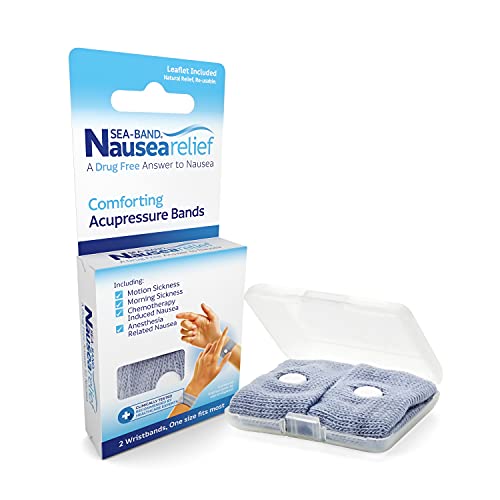
Nausea pathways (moderate evidence): Stimulation of the P6 (Neiguan) point on the forearm, innervated by the median nerve, appears to influence brainstem centers involved in nausea and vomiting, which is why it’s used for postoperative and chemotherapy-related nausea.
What about placebo? In many trials, both “sham” acupuncture (e.g., superficial or non-point needling) and “real” acupuncture outperform usual care, and real acupuncture often has a small-to-moderate additional effect over sham. This suggests both specific (neurophysiological) and non-specific (contextual, expectation, therapeutic alliance) mechanisms are at play. The ritual of attentive, hands-on care can itself be therapeutic—something valued in both Eastern and Western healing traditions.
Clinical evidence and effectiveness — conditions with strongest support and limits of the research
Chronic pain (moderate to strong evidence): Large individual patient data meta-analyses report that acupuncture provides small-to-moderate improvements for chronic musculoskeletal pain (low back and neck pain), osteoarthritis, and shoulder pain compared with sham and usual care. Several guidelines include acupuncture as an option for chronic pain management. For a deeper dive into pain-related applications, see Chronic Pain and Acupuncture.
Headaches and migraine (moderate evidence): Reviews indicate acupuncture can reduce frequency of tension-type headaches and migraines, and in some cases performs comparably to prophylactic medications with fewer side effects.
Nausea and vomiting (moderate evidence): Particularly for postoperative and chemotherapy-induced nausea, P6 acupoint stimulation—via needles or acupressure—has support from multiple trials and systematic reviews.
Postoperative dental pain (moderate evidence): Trials suggest benefits in reducing acute dental pain and analgesic use.
Allergic rhinitis and some functional GI disorders (emerging to moderate evidence): Mixed but promising findings; methods vary. If you’re exploring digestion-related concerns, our guide may help: Digestive issues and Acupuncture.
Mental health and stress (emerging to moderate evidence): Studies indicate potential benefits for anxiety and stress symptoms, but heterogeneity and placebo effects complicate interpretation.
Fertility and IVF support: Results are mixed, with methodological differences across studies. Some protocols show benefit in specific subgroups, but the overall picture remains uncertain.
Weight loss and smoking cessation: Evidence is inconsistent and often limited by small, heterogeneous studies.
Serious diseases (e.g., cancer): Acupuncture is used as a supportive therapy for symptoms (pain, nausea, neuropathy), not a disease-modifying treatment.
Important limitations:
Blinding challenges: It’s hard to blind needling credibly; sham controls are imperfect and may have physiological effects.
Heterogeneity: Styles, dosing (number of sessions), and point choices vary widely across trials.
Publication bias: Positive studies may be more likely to get published.
Bottom line on effectiveness: Research suggests acupuncture can be a reasonable option for chronic pain, headaches, and nausea, with a safety profile that’s favorable when provided by qualified practitioners. Benefits for other conditions are promising but less certain and should be seen as complementary to conventional care rather than replacements.
CTA — Your next step: If you’re considering acupuncture for a specific condition, a qualified integrative medicine practitioner can help you develop a personalized plan and set realistic goals.
How a treatment works in practice — types of needles, point selection, session structure, adjunct therapies
Intake and assessment: Expect a thorough history. In TCM-style practice, the clinician may examine your tongue, feel your pulse, and ask detailed questions about sleep, digestion, and stress. In medical or orthopedic styles, assessment may focus on pain mapping, range of motion, and neuro-musculoskeletal findings.
Point selection: Points may be local (near the area of symptoms) or distal (far from the area but connected via meridians or nerve segments). Protocols often combine both. For nausea, for example, P6 on the forearm is commonly used.
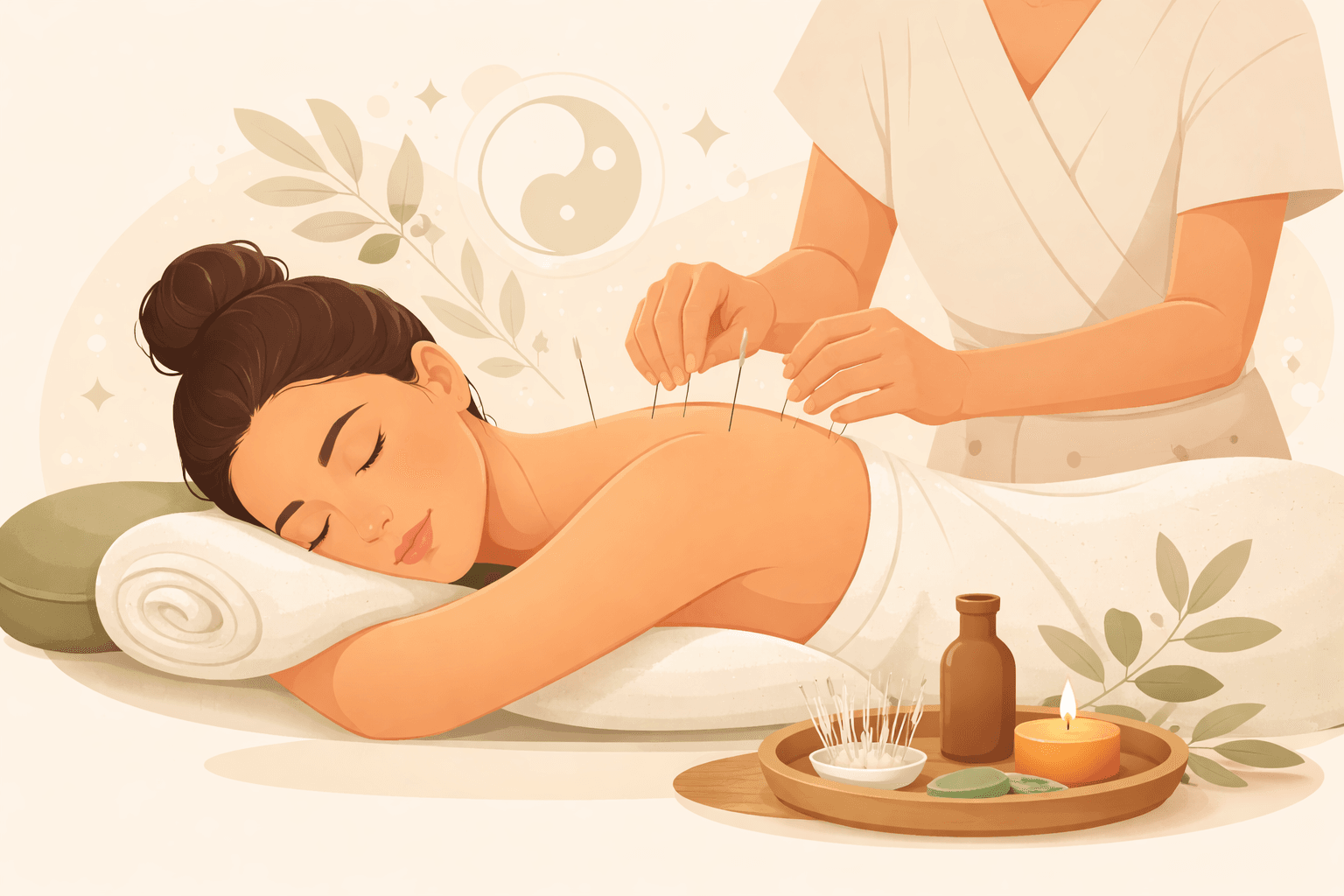
Needles and technique: Modern needles are sterile, single-use, and very thin (about a hair’s width). You might feel a dull ache or heaviness called deqi; some systems aim for it, others use gentler methods. Needles typically stay in for 20–40 minutes. You may receive manual stimulation, heat (moxa), or gentle electrical stimulation (electroacupuncture) to enhance effects.
Adjunct therapies: Cupping, gua sha, moxibustion, auricular acupuncture, acupressure, and movement or breathing guidance are common add-ons tailored to your goals.
Treatment course: Many clinicians suggest 1–2 sessions per week for 4–6 weeks to gauge response. If helpful, frequency may taper to maintenance visits.
Safety, side effects, and contraindications — how to reduce risk and what to discuss with your provider
Overall, acupuncture is considered safe when performed by trained, licensed practitioners using sterile, single-use needles.
Common, mild effects (temporary):
Soreness, a small bruise, light bleeding at the needle site
Drowsiness, lightheadedness, or a sense of calm/fatigue the same day
Rare but serious risks:
Infection, pneumothorax (collapsed lung) from deep needling near the chest, nerve or organ injury. These are very uncommon when proper technique and depth are used (estimated well under 1 per 10,000 treatments in large surveys).
Who needs extra caution:
Bleeding risk: If you’re on anticoagulants or have a bleeding disorder, inform your practitioner; needling depth and locations can be adjusted.
Pregnancy: Some points (e.g., LI4, SP6, BL60) are traditionally avoided because they may stimulate uterine activity. Seek a practitioner experienced in prenatal care.
Pacemakers or implanted devices: Electroacupuncture may be contraindicated.
Lymphedema: Avoid needling in the affected limb unless coordinated with your medical team.
Immune compromise or active infection: Clean-needle technique is essential; some situations warrant postponing.
Safety checklist:
Verify licensure and sterile single-use needles.
Share your full medical history and medications.
Eat a light snack beforehand to avoid lightheadedness.
Report unusual symptoms promptly.
Who may benefit and when to seek conventional care — realistic expectations and red flags
How to choose a qualified acupuncture practitioner — licensing, certifications, questions to ask
Credentials and training vary by country and state. In the U.S.:
Licensed Acupuncturist (L.Ac., Dipl. O.M./Dipl. Ac.): Typically 2,000–3,000+ hours of training; many are certified by the National Certification Commission for Acupuncture and Oriental Medicine (NCCAOM).
Medical Acupuncture (MD/DO, sometimes DC/ND/NP/PA): Clinicians with additional acupuncture training, often through programs recognized by the American Academy of Medical Acupuncture (AAMA). Training hours vary.
Dry needling: Performed by physical therapists or chiropractors in some states with specific training; regulation and scope vary.
Questions to ask:
What is your training, licensure, and how many years have you practiced?
Do you have experience with my specific condition? What outcomes have you seen?
What style(s) do you use (TCM, orthopedic/trigger-point, medical acupuncture)?
How many sessions do you recommend before reassessment?
What are the risks for me given my medications and health history?
How do you coordinate with my primary care or specialist?
What to expect after treatment and tips to maximize results — aftercare, frequency, and tracking outcomes
Aftercare basics:
Hydrate well and eat a balanced meal
Avoid heavy workouts, hot tubs/saunas, or alcohol the same day if you feel lightheaded
Keep the area warm if you’re prone to stiffness
Gentle movement and breathwork can reinforce relaxation and mobility
Normal responses can include temporary soreness, mild fatigue, or a short-term flare as the body recalibrates—usually resolving in 24–48 hours. Contact your practitioner if you experience severe pain, shortness of breath, fever, or unusual symptoms.
Dosing and frequency:
Trial window: Plan 4–6 sessions over 3–6 weeks to evaluate response.
Maintenance: If helpful, taper to every 2–4 weeks or as needed.
Flare management: Short, focused series during symptom spikes can help some patients.
Track your outcomes:
Use a simple pain or symptom scale (0–10) before each session
Note sleep quality, mood, and functional goals (e.g., “walk 20 minutes without pain”)
Reassess at session 4–6; continue only if you’re seeing meaningful, functional improvement
Stack the deck in your favor:
Pair acupuncture with movement therapy, ergonomics, and stress-reduction
Practice brief daily acupressure or stretching your practitioner recommends
Prioritize sleep and anti-inflammatory nutrition patterns
CTA — Ready to take the next step? A qualified, integrative practitioner can help you map out a realistic plan and coordinate care with your medical team.
Practical takeaways
Acupuncture likely works through both specific biological effects (nervous system modulation, endogenous opioids, local circulation) and non-specific therapeutic context.
Research supports use for chronic pain, headaches, and nausea; benefits for other conditions are promising but less certain.
Safety is favorable with licensed providers using sterile needles; discuss bleeding risks, pregnancy, and implanted devices.
Give it 4–6 sessions before you decide if it’s helping, and track functional goals—not just pain scores.
Disclaimer
This article is for educational purposes and should not replace personalized medical advice. Always consult a qualified healthcare professional about your specific situation.
This content is for informational purposes only and does not constitute medical advice. Always consult a qualified healthcare provider before starting, stopping, or changing any supplement or medication regimen.
Stress and Acupuncture. Acupuncture, a traditional East Asian therapy involving the stimulation of specific points with fine needles, is increasingly explored for stress management. From a western perspective, research suggests acupuncture may influence biological systems involved in the stress response—modulating the hypo
Acupuncture. . ## Acupuncture Overview
**Acupuncture** is a therapeutic modality that involves stimulating specific points on the body, most commonly with very thin needles. It originated within **Traditional Chinese Medicine (TCM)** and has been practiced for thousands of years, later spreading into Japanese, Ko
Traditional Chinese Medicine (TCM) Practices: Acupuncture, Herbs, Cupping, Moxibustion, and the Evidence. Many people are curious about traditional Chinese medicine practices—what they are, how they work, and what the evidence says. If you’re weighing acupuncture, herbs, cupping, moxibustion, tui na, dietary therapy, or qigong, this guide walks through core principles, common uses, safety, and how to in
Eastern vs Western Medicine: Key Differences in Philosophy, Diagnosis, Evidence, and When to Use Each. If you’ve ever wondered how to choose between acupuncture and ibuprofen, or herbs and prescription drugs, you’re already asking the core question behind eastern vs western medicine. People seek clarity on which system works best, when to use each, and how to combine them safely. This guide compares
Weight Loss and Acupuncture. Acupuncture is increasingly explored as a complementary approach to weight loss. From a biological perspective, several plausible mechanisms have been proposed. Needling specific body and ear points may influence appetite and satiety signals (ghrelin, leptin), cravings and reward pathways, autonomic
Sports Injuries and Acupuncture. Acupuncture is a needling-based therapy used in both traditional East Asian medicine and modern integrative practice. In sports medicine, it is explored for acute sprains and strains, tendinopathies, and overuse problems such as plantar fasciitis. Mechanistically, laboratory and clinical studies sug