

Traditional Chinese Medicine Diet
Also known as: TCM diet, Chinese medicine diet, Traditional Chinese dietary therapy
Overview
Traditional Chinese Medicine (TCM) diet is a food framework rooted in the broader principles of Traditional Chinese Medicine, a medical system that developed over centuries in China and East Asia. Rather than focusing only on calories, macronutrients, or isolated nutrients, TCM dietary therapy interprets food through qualities such as temperature nature (warming, cooling, neutral), flavor (sweet, bitter, sour, pungent, salty), organ associations, seasonality, and an individual’s overall pattern of balance or imbalance. In this model, food is not viewed simply as fuel; it is also understood as a daily tool for maintaining harmony in the body.
People commonly explore a TCM diet in relation to digestion, energy, immune resilience, sleep, menstrual health, and recovery after illness. A central concept is that the same food may affect different people differently depending on constitution, climate, age, and current symptoms. For example, foods considered “warming” may traditionally be used in people with coldness, fatigue, or sluggish digestion, while “cooling” foods may be chosen in patterns associated with heat, irritability, or inflammation. This makes TCM nutrition highly individualized compared with many standardized diet plans.
Another defining feature of TCM diet is its emphasis on cooked foods, regular mealtimes, moderation, and seasonal eating. Soups, porridges, broths, lightly cooked vegetables, and simple combinations are often highlighted, especially for people with weak digestion in traditional terms. The framework also frequently discusses supporting systems such as the Spleen and Stomach—concepts in TCM that relate broadly to digestion, transformation of food into energy, and fluid balance rather than directly matching modern anatomical organs.
From a modern health perspective, TCM dietary therapy overlaps with several broadly recognized nutrition principles, including eating more whole foods, emphasizing plant diversity, favoring minimally processed meals, and adjusting food choices to symptoms and tolerance. At the same time, many TCM concepts—such as food energetics and meridian relationships—do not map directly onto biomedical science and remain difficult to study using conventional research methods. As a result, TCM diet is best understood as a traditional, pattern-based nutritional system with some areas of alignment with modern nutrition and other areas that remain culturally rooted and less empirically defined. Anyone considering major dietary changes, especially in the context of chronic disease, pregnancy, eating disorders, or complex medication use, may benefit from guidance from qualified healthcare professionals.
Medical Perspectives
Two Ways of Seeing Health

Western
scientific · clinical
Western medicine applies science, technology, and clinical experience to treat symptoms through testing, diagnosis, and targeted intervention.

Eastern
traditional · alternative
Eastern medicine focuses on treating the body naturally by applying traditional knowledge practiced for thousands of years, emphasizing balance and whole-person wellness.
Gold Bamboo presents both perspectives side-by-side so you can make informed decisions. We don't advocate for one over the other — your health choices are yours.
Western Medicine Perspective
Western Medicine Perspective
In conventional medicine, diet is typically evaluated according to nutrient content, dietary patterns, metabolic effects, and long-term health outcomes. From this perspective, there is limited direct scientific validation for classic TCM categories such as warming and cooling foods, organ meridians, or food “energetics” as independent biological mechanisms. However, some researchers note that TCM dietary frameworks may still influence health indirectly by encouraging structured eating habits, greater intake of whole foods, reduced reliance on ultra-processed foods, and closer attention to digestive tolerance and symptom patterns.
Studies on traditional dietary patterns more broadly suggest that diets centered on vegetables, legumes, fiber-rich staples, fermented foods, and culinary herbs are associated with favorable outcomes in cardiometabolic and gastrointestinal health. Some TCM-style eating practices—such as prioritizing warm cooked meals for people with bloating or discomfort, or favoring seasonal produce—may align with symptom-based nutrition strategies used in gastroenterology and integrative medicine. For example, individuals with functional digestive complaints sometimes tolerate cooked foods better than large amounts of raw roughage, though this is a matter of individual response rather than a universal rule.
Conventional clinicians would generally frame TCM diet as a complementary nutrition philosophy rather than a replacement for evidence-based dietary care. Concerns may arise if a person adopts overly restrictive food rules, delays medical assessment for significant symptoms, or interprets serious conditions solely through traditional concepts. Research on TCM nutrition as a distinct intervention is still relatively limited, heterogeneous, and often difficult to standardize because recommendations are individualized. For this reason, the biomedical view tends to regard TCM diet as an area of emerging integrative interest with plausible lifestyle benefits but incomplete evidence for many of its traditional claims.
Eastern & Traditional Perspective
Eastern/Traditional Medicine Perspective
In Traditional Chinese Medicine, diet is a core branch of healing sometimes referred to as dietary therapy or food therapy. Foods are classified by their energetic actions, including thermal nature, taste, and directional effects in the body. The aim is not merely to meet nutritional needs but to help regulate the flow of Qi, nourish Blood and Yin, support Yang, and maintain harmony among functional systems such as the Spleen, Stomach, Liver, Lung, and Kidney. In this framework, illness may be associated with patterns such as dampness, phlegm, heat, cold, deficiency, or stagnation, and food choices are traditionally adjusted to match those patterns.
A hallmark of the TCM approach is individualization. Two people with the same western diagnosis may receive different dietary guidance based on their constitution and symptom picture. For instance, one person with digestive discomfort might be viewed as having cold and deficiency, while another might be seen as having damp-heat or food stagnation. Seasonal and geographic context also matter: summer may call for lighter, more cooling foods in traditional terms, while winter often emphasizes warming soups, stews, and longer-cooked meals.
Related traditional systems share some common ground while using different language. Ayurveda, for example, also categorizes foods by qualities and constitution, while naturopathic traditions often emphasize digestive support, whole foods, and individualized triggers. Across these systems, food is seen as a daily therapeutic influence that interacts with digestion, vitality, immunity, and recovery. Although the explanatory models differ from biomedicine, the broader themes of moderation, routine, and mindful eating are widely emphasized.
Within the traditional medicine perspective, TCM diet is generally regarded as one of the gentlest and most foundational ways of supporting health. Even so, trained practitioners typically consider it part of a larger picture that may include sleep, stress, movement, environment, and other therapies. Because traditional pattern identification can be nuanced, interpretation is often considered most meaningful when placed in the hands of qualified practitioners rather than reduced to simplified lists of “good” and “bad” foods.
Supplements & Products
Recommended Products
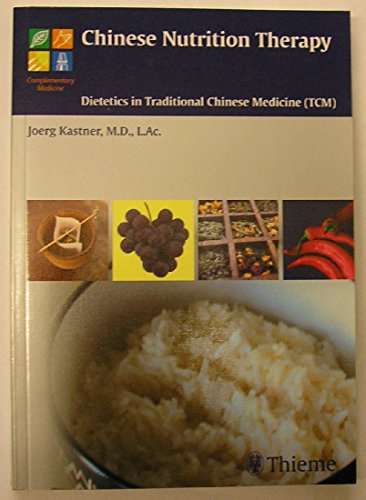
Chinese Nutrition Therapy: Dietetics in Traditional Chinese Medicine (TCM)
Joerg Kastner's introduction to the principles of TCM and the "energetics" of foods <strong>emphasizes a holistic approach throughout, providing readers with tools for integrating the p
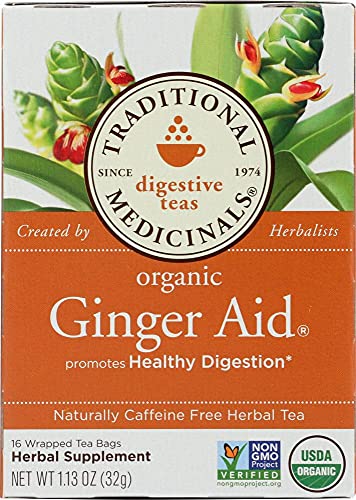
Traditional Medicinals Organic Ginger Aid Herbal Tea, Promotes Healthy Digestion, (Pack of 1) - 16 Tea Bags : Black Teas
Traditional Medicinals Organic Ginger & Chamomile Herbal Tea, <strong>Relieves Occasional Indigestion or Nausea</strong>, (Pack of 1) - 16 Tea Bags

Navitas Organics Goji Berries – For Smoothies, Trail Mix, Baked Goods, Oatmeal & More – Vitamin A, Antioxidants, Fiber – Wolfberry - USDA Organic, Non GMO, Gluten Free, Vegan (16oz. Bag, 15 Servings)
Navitas Organics Goji Berries are sourced from the fertile valleys of the Ningxia Province in China, where they natively grow, and are <strong>certified organic in both China and by the USDA</strong>.
Evidence & Sources
Early-stage research, mostly preclinical or preliminary human studies
- National Center for Complementary and Integrative Health (NCCIH)
- World Health Organization (WHO) Traditional, Complementary and Integrative Medicine resources
- Journal of Ethnopharmacology
- Chinese Journal of Integrative Medicine
- The American Journal of Clinical Nutrition
- Nutrients
- BMJ
- Harvard T.H. Chan School of Public Health Nutrition Source
This content is for informational purposes only and does not constitute medical advice. Always consult a qualified healthcare provider before starting, stopping, or changing any supplement or medication regimen.