

Reishi Mushroom
Reishi Mushroom Overview
Reishi mushroom refers primarily to species in the Ganoderma genus, especially Ganoderma lucidum and closely related species used in supplements, teas, tinctures, powders, and traditional herbal preparations. In East Asian traditions, reishi has long been regarded as a tonic mushroom associated with vitality, resilience, and healthy aging. Modern supplement products often emphasize its content of polysaccharides, beta-glucans, triterpenes, and other bioactive compounds, which are being studied for possible effects on immune signaling, inflammation, fatigue, sleep, and overall wellbeing.
From a scientific standpoint, reishi is best understood as a complex natural product rather than a single active ingredient. Its chemistry varies by species, growing conditions, extraction method, and whether the fruiting body, mycelium, or spores are used. This variability is important because findings from one preparation may not apply to another. Researchers have examined reishi in laboratory, animal, and human studies for potential roles in immune modulation, antioxidant activity, adjunctive cancer support, metabolic health, and liver function, but the quality and consistency of evidence remain mixed.
Reishi is widely used in integrative and traditional wellness systems, yet it occupies a nuanced place in evidence-based health discussions. Some small clinical studies suggest possible benefits in areas such as fatigue, quality of life, and certain immune-related markers, while systematic reviews generally note that larger, better-designed trials are needed. Reishi is therefore often discussed as a supplement with promising but not definitive human evidence, particularly when compared with standard pharmaceutical interventions.
Because reishi is sold as a dietary supplement in many countries, product quality, standardization, and labeling can differ substantially. As with many botanicals and medicinal mushrooms, healthcare context matters: people with complex conditions, those using prescription medications, or those considering reishi alongside cancer care or immune-active therapies are typically advised to discuss supplement use with a qualified healthcare professional. This helps place reishi in an appropriate clinical and safety framework rather than viewing it as a stand-alone solution.
Medical Perspectives
Two Ways of Seeing Health

Western
scientific · clinical
Western medicine applies science, technology, and clinical experience to treat symptoms through testing, diagnosis, and targeted intervention.

Eastern
traditional · alternative
Eastern medicine focuses on treating the body naturally by applying traditional knowledge practiced for thousands of years, emphasizing balance and whole-person wellness.
Gold Bamboo presents both perspectives side-by-side so you can make informed decisions. We don't advocate for one over the other — your health choices are yours.
Western Medicine Perspective
Western / Conventional Medicine Perspective
In conventional medicine, reishi is generally classified as a dietary supplement or complementary health product, not a standard first-line medical treatment. Research has focused on its immunologically active compounds—especially beta-glucans and triterpenoids—which may influence cytokine activity, innate immune responses, oxidative stress pathways, and inflammatory signaling. Laboratory studies have generated interest in potential anti-tumor, anti-inflammatory, antimicrobial, and metabolic effects, but these mechanistic findings do not automatically translate into clear clinical outcomes in humans.
Human evidence is still limited by small sample sizes, short study duration, heterogeneous extracts, and inconsistent endpoints. In oncology-related research, reishi has been explored as an adjunct to conventional care, particularly for possible effects on immune parameters and quality of life. Systematic reviews have generally concluded that while some studies suggest supportive benefits, evidence is insufficient to establish reishi as an effective cancer treatment on its own. Reishi has also been studied for fatigue, benign prostatic symptoms, blood sugar regulation, and cardiovascular risk markers, but results remain preliminary and mixed.
Safety discussions in western medicine emphasize that “natural” does not necessarily mean risk-free. Reishi is often tolerated in food-like or traditional amounts, but concentrated extracts may be associated with digestive upset, rash, dizziness, dry mouth, or rare liver-related concerns in case reports and surveillance data. There is also theoretical or documented concern regarding interactions with anticoagulants, antiplatelet agents, immunosuppressive drugs, and blood pressure or glucose-lowering therapies. For these reasons, conventional clinicians usually frame reishi as a supplement that may be of interest in integrative care, but one that requires attention to evidence quality, product sourcing, and individual medical context.
Eastern & Traditional Perspective
Eastern / Traditional Medicine Perspective
In Traditional Chinese Medicine (TCM), reishi—commonly called Lingzhi—has a long history as a revered tonic herb or medicinal mushroom. Traditional texts and contemporary TCM practice often describe it as supporting the Heart, Lung, and Liver systems, and as being used to nourish qi, calm the spirit (shen), and support resilience. Rather than targeting a single disease category, reishi is traditionally viewed as a substance that helps strengthen constitution, support recovery from weakness, and promote balance over time.
In this framework, reishi is often associated with patterns involving fatigue, restlessness, reduced vitality, or diminished adaptive capacity, especially when these are interpreted through broader system imbalances. TCM discussions may also connect reishi with support for sleep quality, emotional steadiness, respiratory strength, and overall longevity. Its use is typically contextual and individualized, often combined with other herbs in formulas rather than considered in isolation.
In broader traditional and integrative practice—including some naturopathic and East-West approaches—reishi is frequently regarded as an adaptogenic or restorative mushroom, although the term “adaptogen” is more rooted in modern herbal discourse than classical TCM. These traditions tend to emphasize reishi’s role in supporting stress response, immune balance, and long-term vitality. While these concepts do not map directly onto biomedical disease models, they remain influential in how reishi is selected and understood in traditional wellness systems.
From a balanced perspective, eastern and traditional systems offer a longstanding historical rationale for reishi’s use, while modern research is still working to clarify which traditional claims correspond to measurable clinical outcomes. This makes reishi an example of a supplement with deep traditional significance and active scientific interest, but not yet complete clinical consensus.
Supplements & Products
Recommended Products
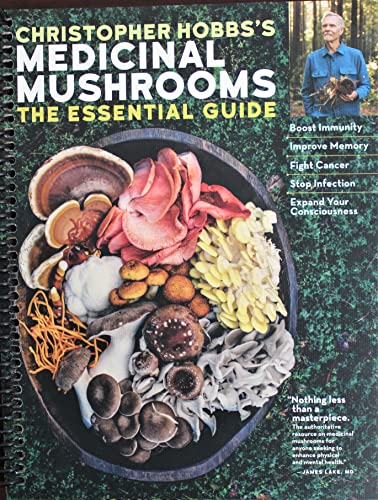
Christopher Hobbs's Medicinal Mushrooms: The Essential Guide: Boost Immunity, Improve Memory, Fight Cancer, Stop Infection, and Expand Your Consciousness: Hobbs L.Ac. AHG, Christopher
Christopher Hobbs, a mycologist and herbalist at the forefront of contemporary research, <strong>profiles the most powerful medicinal mushrooms and explains the nutritional and medicinal compounds in

Real Mushrooms Reishi Mushroom Capsules - Handpicked Organic Mushroom Extracts - Red Reishi for Tranquil Daily Wellness with Verified Beta Glucans Vegan, Non-GMO, No Grain Fillers, 90 ct : Everything Else
No Grain, Starch, or Additives: ... reishi extract. >25% Beta-Glucans – Third-Party Verified: <strong>Each capsule is lab-tested to deliver >25% beta-glucans</strong>....
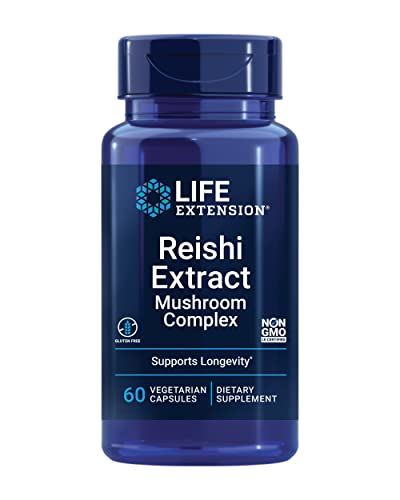
Life Extension Reishi Extract Mushroom Complex - Mushrooms Herbal Supplement for Immune Support – Ganoderma Lucidum Extract - Gluten-Free, Non-GMO, Vegetarian – 60 Capsules
... Reishi Extract Mushroom Complex is <strong>a scientifically studied formula for healthy immune function</strong>. It contains three kinds of reishi mushroom compounds, standardized for polysacchar
Evidence & Sources
Promising research with growing clinical support from multiple studies
- Cochrane Database of Systematic Reviews
- Memorial Sloan Kettering Cancer Center
- National Center for Complementary and Integrative Health (NCCIH)
- Journal of Ethnopharmacology
- Phytochemistry
- Frontiers in Pharmacology
- Integrative Cancer Therapies
- World Journal of Gastroenterology
This content is for informational purposes only and does not constitute medical advice. Always consult a qualified healthcare provider before starting, stopping, or changing any supplement or medication regimen.