

Herbalism
Also known as: Herbal Medicine, Herblism, Herbs Therapy
Overview
Herbalism is the study and use of plants, plant extracts, and plant-derived preparations in efforts to support health, address symptoms, and promote healing. It is one of the oldest healing modalities in the world, with roots in Traditional Chinese Medicine (TCM), Ayurveda, Greco-Arab medicine, Indigenous healing systems, Western folk traditions, and modern naturopathy. Depending on the tradition, herbs may be used as single botanicals, combined into formulas, prepared as teas, tinctures, powders, capsules, oils, poultices, or standardized extracts. Across cultures, herbalism has historically occupied a central role in everyday health care, especially where plant knowledge was closely tied to food, ritual, and local ecology.
In modern health contexts, herbalism sits at the intersection of traditional practice, pharmacology, nutrition, and integrative medicine. Many contemporary drugs either originated from plants or were inspired by plant compounds, highlighting the long-standing scientific interest in medicinal botanicals. At the same time, herbal products used in traditional and commercial settings vary widely in strength, preparation method, chemical composition, and intended use. This variability is one reason herbalism is best understood not as a single therapy, but as a broad modality that includes traditional theory, empirical use, and modern botanical research.
Public interest in herbal medicine remains high worldwide. Research and public health surveys indicate that many people use herbal products for concerns such as digestion, sleep, stress, respiratory symptoms, pain, menopausal symptoms, immune support, and general wellness. However, the broad popularity of herbal products does not mean all herbs are equally supported by research. Some botanicals have been studied extensively for specific uses, while others remain primarily rooted in tradition or early-stage evidence. Safety is also a major consideration: herbs can interact with prescription medications, affect liver enzymes, influence blood clotting, alter blood pressure or blood sugar, and vary in quality due to contamination, adulteration, or inaccurate labeling.
A balanced understanding of herbalism recognizes both its deep historical legitimacy and the need for careful evaluation in contemporary practice. Research suggests some herbs may be helpful in certain contexts, particularly when product quality, dosing standardization, and appropriate clinical use are considered. At the same time, not all traditional uses have been validated in modern trials, and not all commercial herbal products reflect the methods used in classical systems. For that reason, discussions of herbalism often include both cultural knowledge and scientific evidence, along with the important caveat that individuals considering herbal products may benefit from consulting qualified healthcare professionals, especially when pregnancy, chronic illness, surgery, or prescription drug use are involved.
Medical Perspectives
Two Ways of Seeing Health

Western
scientific · clinical
Western medicine applies science, technology, and clinical experience to treat symptoms through testing, diagnosis, and targeted intervention.

Eastern
traditional · alternative
Eastern medicine focuses on treating the body naturally by applying traditional knowledge practiced for thousands of years, emphasizing balance and whole-person wellness.
Gold Bamboo presents both perspectives side-by-side so you can make informed decisions. We don't advocate for one over the other — your health choices are yours.
Western Medicine Perspective
Western Medicine Perspective
From a conventional medical perspective, herbalism is generally viewed through the lenses of pharmacology, toxicology, clinical evidence, and product regulation. Herbs contain bioactive compounds that may produce physiological effects, and some have plausible or well-characterized mechanisms of action. Western medicine tends to evaluate herbs similarly to other therapeutic agents: by asking what active constituents are present, what condition is being studied, whether benefits are reproducible in controlled trials, what side effects occur, and how the herb interacts with drugs or medical conditions. This approach has led to stronger evidence for certain botanicals than others, while also highlighting limitations in the field, including inconsistent product quality and insufficient standardization across studies.
Conventional research has identified varying levels of support for different herbal medicines. Some herbs or herbal extracts have been studied for issues such as mild anxiety, sleep, irritable bowel symptoms, osteoarthritis pain, upper respiratory symptoms, and menopausal complaints, though findings are often mixed and highly dependent on formulation. Major concerns in mainstream medicine include drug-herb interactions—for example, effects on anticoagulants, antidepressants, sedatives, immunosuppressants, or medications metabolized by the liver—as well as potential contamination with heavy metals, pesticides, or undeclared pharmaceuticals. Regulatory oversight also differs by country; in the United States, many herbal products are sold as dietary supplements rather than as approved drugs, which affects premarket evaluation standards.
In integrative and academic settings, herbalism is increasingly approached with a risk-benefit framework. Clinicians and researchers may distinguish between traditional use, mechanistic plausibility, observational data, and randomized trial evidence. This allows some herbs to be considered potentially useful adjuncts in certain settings while acknowledging that evidence quality, manufacturing reliability, and patient-specific risks remain central concerns. Conventional medicine generally does not reject herbalism outright; rather, it seeks to define where evidence is robust, where uncertainty remains, and where safety monitoring is essential.
Eastern & Traditional Perspective
Eastern/Traditional Medicine Perspective
In Traditional Chinese Medicine, Ayurveda, Kampo, Unani, and many Indigenous and folk systems, herbalism is not typically treated as an isolated intervention but as part of a larger medical philosophy. Herbs are selected according to patterns of imbalance, constitution, energetics, digestion, environment, and stage of illness rather than by diagnosis alone. In TCM, for example, herbs may be categorized by qualities such as temperature, flavor, meridian affinity, and functional actions, and formulas are traditionally constructed to balance multiple therapeutic roles within a single prescription. In Ayurveda, herbs are understood through concepts such as dosha balance, rasa, virya, vipaka, and tissue effects, often alongside food, lifestyle, and detoxification principles.
Within these traditions, formulation is often considered more important than single-herb use. Traditional herbalists frequently combine several plants to enhance desired actions, reduce unwanted effects, and tailor support to the individual pattern. This contrasts with the reductionist model often used in biomedical research, where one isolated extract is tested for one condition. As a result, some traditional practitioners argue that modern studies may not fully capture how herbalism functions in real-world traditional practice. Herbalism in these systems is also closely tied to long-term cultivation of practitioner knowledge, including plant sourcing, preparation methods, timing, and observation of individual response.
Naturopathy and contemporary Western herbalism often bridge traditional plant medicine and modern clinical thinking. These approaches may emphasize vitality, terrain, gentle physiological support, and individualized plant selection, while also incorporating current safety data and laboratory-informed caution. Across traditional systems, herbs are generally regarded as powerful natural medicines rather than inherently mild substances. For that reason, classical texts and modern traditional practitioners alike often stress the importance of proper identification, preparation, and professional discernment—especially in complex illness, pregnancy, pediatric use, or combination with pharmaceuticals.
Supplements & Products
Recommended Products

Medical Herbalism: The Science Principles and Practices Of Herbal Medicine: David Hoffmann
The author of seventeen books, including the highly regarded <strong>The Complete Illustrated Holistic Herbal, An Elders' Herbal, and The Herbal Handbook</strong>, Hoffmann teaches phytotherapy t

Traditional Medicinals Tea, Organic Chamomile, Calming, Calms Your Nerves, Supports Healthy Digestion, 96 Tea Bags (6 Pack) : Herbal Teas : Everything Else
Amazon.com : Traditional Medicinals Tea, Organic Chamomile, Calming, Calms Your Nerves, Supports Healthy Digestion, 96 Tea Bags (6 Pack) : Herbal Teas : Everything Else
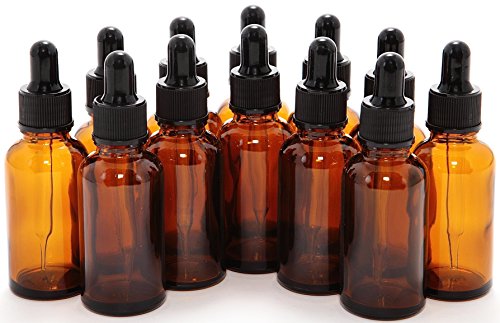
Vivaplex 12, Amber, 2 oz Glass Bottles, With Glass Eye Droppers : Vivaplex
Amazon.com: <strong>Vivaplex 12,</strong> Amber, 2 oz Glass Bottles, With Glass Eye Droppers : Vivaplex: Beauty & Personal Care
Evidence & Sources
Promising research with growing clinical support from multiple studies
- World Health Organization (WHO) Traditional Medicine Strategy
- National Center for Complementary and Integrative Health (NCCIH)
- European Medicines Agency (EMA) Committee on Herbal Medicinal Products
- National Institutes of Health Office of Dietary Supplements
- Cochrane Reviews
- Journal of Ethnopharmacology
- Phytomedicine
- American Botanical Council
- BMJ
- JAMA
This content is for informational purposes only and does not constitute medical advice. Always consult a qualified healthcare provider before starting, stopping, or changing any supplement or medication regimen.