

Detoxification Therapy
Also known as: Detox Therapy, Detoxification Protocol, Cleansing Therapy
Overview
Detoxification therapy is a broad wellness term used to describe natural or integrative practices intended to support the body’s normal elimination and metabolic processes. In popular use, it may refer to short-term “cleanses,” fasting-style programs, sauna or sweating protocols, herbal regimens, liver-support formulas, digestive resets, or dietary patterns centered on reducing exposure to alcohol, ultra-processed foods, and environmental chemicals. The concept is especially appealing because it offers a simple explanation for vague symptoms such as fatigue, bloating, skin changes, or a general sense of feeling “sluggish.” At the same time, the term covers very different practices, ranging from medically supervised detoxification for substance withdrawal to consumer wellness programs with limited scientific validation.
From a physiology standpoint, the human body already possesses highly sophisticated detoxification systems. The liver transforms many endogenous and external compounds through enzymatic pathways; the kidneys filter blood and regulate excretion through urine; the gastrointestinal tract processes and eliminates waste; the lungs expel volatile substances; and the skin plays a smaller but relevant role through barrier function and sweat. Nutrition, sleep, physical activity, hydration status, alcohol intake, medication use, and environmental exposures can all influence how well these systems function. Because of this, some detox-oriented approaches focus less on “removing toxins” directly and more on supporting overall metabolic health and reducing avoidable toxic burden.
Interest in detoxification therapy has grown alongside broader public concern about pollution, pesticides, heavy metals, endocrine-disrupting chemicals, alcohol use, and highly processed diets. Research does support the importance of limiting harmful exposures and maintaining liver, kidney, and metabolic health. However, studies also indicate that many commercial detox programs make claims that are poorly defined or insufficiently tested. The word “toxin” is frequently used in marketing without identifying a specific substance, dose, or mechanism. As a result, the scientific discussion often distinguishes between evidence-based risk reduction—such as reducing known exposures and supporting organ health—and generalized detox claims that are difficult to measure.
A balanced view recognizes that some elements commonly included in detox programs—such as increasing fiber-rich foods, reducing alcohol, improving sleep, exercising regularly, and emphasizing whole-food nutrition—align with mainstream preventive health principles. Other components, including aggressive fasting, repeated colon cleansing, extreme juice regimens, or unregulated supplement combinations, may carry risks or lack clear evidence. For people with chronic illness, medication use, pregnancy, kidney or liver disease, or eating disorder history, the safety profile may differ substantially, making professional guidance especially important.
Medical Perspectives
Two Ways of Seeing Health

Western
scientific · clinical
Western medicine applies science, technology, and clinical experience to treat symptoms through testing, diagnosis, and targeted intervention.

Eastern
traditional · alternative
Eastern medicine focuses on treating the body naturally by applying traditional knowledge practiced for thousands of years, emphasizing balance and whole-person wellness.
Gold Bamboo presents both perspectives side-by-side so you can make informed decisions. We don't advocate for one over the other — your health choices are yours.
Western Medicine Perspective
Western Medicine Perspective
In conventional medicine, detoxification has a precise meaning in certain settings and a much looser one in consumer wellness culture. Medically, detoxification often refers to the supervised management of withdrawal from alcohol, opioids, or other substances. Outside that context, Western medicine generally views the body’s detoxification capacity as an ongoing biological function rather than something that normally requires periodic cleansing. Clinical focus is usually placed on protecting the organs responsible for metabolism and elimination, identifying specific toxic exposures, and treating confirmed poisoning or organ dysfunction with targeted interventions.
Research supports the importance of the liver’s phase I and phase II biotransformation pathways, kidney filtration, bile excretion, gut motility, and the microbiome in processing compounds from food, medications, and the environment. Nutritional adequacy matters because detoxification pathways depend on amino acids, vitamins, minerals, and antioxidant systems. Studies suggest that diets rich in vegetables, fruits, fiber, and phytonutrients are associated with better cardiometabolic and gastrointestinal health, and reducing alcohol and ultra-processed food intake may lessen stress on metabolic systems. However, this is different from validating commercial “detox” packages or rapid cleanses.
Systematic reviews have found limited high-quality evidence for many marketed detox diets and cleanse programs. Common concerns include dehydration, electrolyte imbalance, inadequate protein intake, supplement-drug interactions, contamination of herbal products, and delayed evaluation of real medical conditions. Saunas and sweating can contribute to relaxation and fluid shifts, but the amount of toxin elimination through sweat is generally modest compared with liver and kidney function. Similarly, claims that colon cleanses remove accumulated waste are not well supported for healthy individuals and may pose procedural risks.
From a conventional standpoint, the most evidence-aligned interpretation of detoxification therapy is often exposure reduction plus support of normal physiology: minimizing contact with known toxins, maintaining adequate nutrition, supporting bowel regularity, preserving hydration, exercising, sleeping well, and monitoring liver or kidney disease when clinically relevant. Healthcare providers may also evaluate specific concerns such as heavy metal exposure, occupational toxins, adverse medication effects, fatty liver disease, or gastrointestinal problems rather than assuming a generalized “toxin buildup.”
Eastern & Traditional Perspective
Eastern/Traditional Medicine Perspective
In Traditional Chinese Medicine (TCM), the modern phrase “detoxification” does not map perfectly onto a single classical diagnosis, but related concepts include the clearing of heat, dampness, phlegm, and toxic accumulation, as well as supporting the functional balance of the Liver, Spleen, Lung, and Large Intestine systems. TCM traditionally interprets symptoms such as coated tongue, digestive heaviness, irritability, skin eruptions, or a sense of internal burden through broader pattern analysis rather than through the biochemical detox language used in Western physiology. Therapeutic approaches have historically included food therapy, herbal formulas, sweating methods, bowel regulation, acupuncture, and seasonal lifestyle adjustment intended to restore balance and facilitate normal elimination.
Within Ayurveda, related ideas are often discussed under the concepts of ama (loosely described as metabolic residue or undigested burden), impaired digestion or agni, and imbalance in doshas. Traditional Ayurvedic cleansing practices may include simplified diets, digestive support, oil therapies, sweating, herbal preparations, and more intensive purification methods within Panchakarma, typically framed as a process of clearing accumulated burden and re-establishing physiological harmony. Contemporary integrative interpretations often emphasize that these practices were historically individualized and embedded in a larger context of constitution, season, strength, and digestive capacity.
In naturopathy and other traditional systems, detoxification therapy is commonly approached as support for the “emunctories,” meaning organs of elimination such as the liver, bowels, kidneys, lungs, and skin. This may involve whole-food dietary patterns, bitter herbs, hydration, movement, skin brushing, hydrotherapy, sweating practices, and attention to environmental burden. Research on specific herbs and practices is mixed: some botanical compounds show promising laboratory or early clinical effects related to antioxidant activity, bile flow, or liver enzyme modulation, while many traditional detox frameworks remain only partially studied by modern standards.
Traditional perspectives generally place greater emphasis on constitution, seasonality, digestion, and gradual restoration than on a one-size-fits-all cleanse. They also tend to frame detoxification as part of a broader effort to improve vitality, circulation, resilience, and balance. As with Western care, qualified practitioner involvement is important because herbs, fasting practices, and intense cleansing methods may not be appropriate for every individual or health condition.
Supplements & Products
Recommended Products
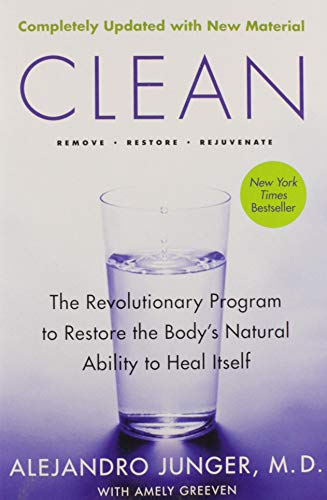
Clean - Expanded Edition: The Revolutionary Program To Restore The Body's Natural Ability To Heal Itself: Junger, Alejandro
Expanded Edition Includes: New Introduction - New Recipes - How to Become Clean for Life--Mark Hyman, MD, Author of the New York Times best-seller The UltraMind Solution · Alejandro Junger, M.D., is t

THORNE - S.A.T. - Milk Thistle Complex with Silymarin, Artichoke & Turmeric Extracts for Liver Function & Digestion Support* - Third-Party Certified - Gluten, Dairy & Soy-Free - 60 Capsules
Liver & Detox: <strong>Formulated with milk thistle, artichoke, and turmeric extracts</strong>, 3 important botanicals that have liver-protective properties and improved antioxidant function*

Infrared Sauna
Far Infrared · 2-person · 1-person · Low Emf · Portable · Indoor · 3-person · Blanket · Red Light · Home · Personal See more · Eligible for Free Shipping · Free Shipping by Amazon · Get FREE Shipping
Evidence & Sources
Promising research with growing clinical support from multiple studies
- NCCIH (National Center for Complementary and Integrative Health)
- National Institute of Diabetes and Digestive and Kidney Diseases (NIDDK)
- World Health Organization (WHO)
- British Dietetic Association
- Journal of Human Nutrition and Dietetics
- The Lancet
- New England Journal of Medicine
- Clinical Journal of the American Society of Nephrology
This content is for informational purposes only and does not constitute medical advice. Always consult a qualified healthcare provider before starting, stopping, or changing any supplement or medication regimen.