

Liver Cleanse
Also known as: liver detox, hepatic cleanse
Overview
“Liver cleanse” is a broad popular term used to describe diets, supplements, juices, fasting protocols, herbal formulas, or multi-step wellness programs that claim to support detoxification, improve liver function, or “flush” accumulated toxins from the body. These protocols are often marketed for concerns such as fatigue, bloating, sluggish digestion, skin changes, or general wellness. In public health and clinical medicine, however, the liver is already understood as a central metabolic organ that continuously processes nutrients, medications, hormones, and waste products through highly regulated biochemical pathways.
The liver plays a major role in drug metabolism, bile production, glycogen storage, cholesterol regulation, immune signaling, and the conversion and elimination of endogenous and environmental compounds. Because of this essential role, many wellness traditions have long viewed the liver as a key organ in maintaining vitality. Modern interest in liver cleansing has grown alongside concerns about alcohol use, ultra-processed diets, environmental exposures, and the rising prevalence of nonalcoholic fatty liver disease (NAFLD/MASLD) and other chronic liver disorders.
At the same time, the phrase “cleanse” can be misleading. In conventional physiology, the liver does not generally require periodic flushing in otherwise healthy individuals; rather, it depends on overall metabolic health, adequate nutrition, limited toxic exposures, and appropriate medical care when disease is present. Some ingredients commonly included in liver cleanse products—such as milk thistle, turmeric/curcumin, artichoke, dandelion, schisandra, or N-acetylcysteine-containing formulas—have been studied for liver-related effects, but the quality of evidence varies widely by ingredient, condition, and study design.
An important consideration is safety. While some dietary patterns associated with “liver support” overlap with generally health-promoting behaviors, commercial detox kits, extreme fasting plans, high-dose supplements, and multi-herb formulas may carry risks, including drug interactions, hepatotoxicity, dehydration, electrolyte imbalance, or delayed diagnosis of underlying liver disease. Balanced discussion of liver cleanses therefore requires distinguishing between general liver-supportive lifestyle practices, traditional herbal frameworks, and unsupported or potentially harmful detox claims. Anyone with liver symptoms, abnormal liver tests, viral hepatitis, cirrhosis, heavy alcohol use, gallbladder disease, pregnancy, or ongoing medication use would generally warrant evaluation by a qualified healthcare professional before using cleansing protocols or supplements.
Medical Perspectives
Two Ways of Seeing Health

Western
scientific · clinical
Western medicine applies science, technology, and clinical experience to treat symptoms through testing, diagnosis, and targeted intervention.

Eastern
traditional · alternative
Eastern medicine focuses on treating the body naturally by applying traditional knowledge practiced for thousands of years, emphasizing balance and whole-person wellness.
Gold Bamboo presents both perspectives side-by-side so you can make informed decisions. We don't advocate for one over the other — your health choices are yours.
Western Medicine Perspective
Western / Conventional Medicine Perspective
From a conventional medical standpoint, the liver is a self-regulating detoxification organ, not a system that typically needs periodic cleansing. It processes substances through enzyme systems—especially the cytochrome P450 pathways, conjugation reactions, bile excretion, and antioxidant defenses such as glutathione. In clinical hepatology, impaired liver function is assessed through history, physical examination, blood tests, imaging, and sometimes biopsy, rather than through nonspecific concepts like “toxin buildup.” Common medically recognized liver conditions include viral hepatitis, alcohol-associated liver disease, fatty liver disease, autoimmune hepatitis, cholestatic disorders, medication-related liver injury, and cirrhosis.
Research does not strongly support the broad commercial claim that detox diets or short-term cleanse programs remove toxins from the liver in healthy people. Reviews of detox interventions have generally found limited high-quality evidence, with many studies being small, heterogeneous, or methodologically weak. Some individual compounds marketed for liver support have shown potential in targeted settings. For example, silymarin (milk thistle) has been studied in chronic liver disease, N-acetylcysteine has a well-established medical role in acetaminophen toxicity, and antioxidants or anti-inflammatory compounds such as curcumin are being explored in metabolic liver disease. Still, positive findings are not equivalent to validating the broader idea of a “cleanse.”
Conventional medicine also emphasizes that supplements themselves can injure the liver. Herbal and dietary supplement–induced liver injury is a recognized clinical problem, with case reports and registry data implicating weight-loss products, bodybuilding supplements, concentrated extracts, and some multi-ingredient detox formulas. For that reason, medical literature often treats liver cleanses cautiously: a regimen may contain substances promoted for hepatic support while simultaneously posing risk through contamination, adulteration, excessive dosing, or interaction with prescription drugs.
In evidence-based care, what most closely aligns with “supporting liver health” includes addressing alcohol exposure, metabolic risk factors, viral hepatitis screening and treatment, vaccination where appropriate, weight management, nutrition quality, and careful medication review. These are not usually described as cleanses, but they reflect the conventional understanding of how liver function is preserved and how liver disease is prevented or managed.
Eastern & Traditional Perspective
Eastern / Traditional Medicine Perspective
In Traditional Chinese Medicine (TCM), the Liver is more than an anatomical organ; it is part of a broader functional system associated with the smooth flow of qi, regulation of emotions, tendons, blood storage, and harmony with digestion. Patterns such as Liver qi stagnation, Liver heat, Liver fire, damp-heat in the Liver and Gallbladder, or Liver blood deficiency may be used to explain symptoms that modern consumers might associate with needing a “cleanse,” such as irritability, headaches, digestive discomfort, bitter taste, menstrual irregularity, or a feeling of internal congestion. TCM approaches traditionally focus less on “flushing toxins” and more on restoring balance, often through individualized herbal formulas, acupuncture, and dietary adjustments.
In Ayurveda, the liver is often discussed in relation to agni (digestive/metabolic fire), ama (metabolic residue or toxic burden), and pitta balance. Traditional frameworks may interpret skin irritation, digestive disturbance, overheating, or sluggish metabolism as signs of imbalance involving the liver and blood. Herbs such as bhumyamalaki, kutki, turmeric, guduchi, and aloe preparations have traditionally been used in different contexts to support digestion, bile flow, and systemic balance. As in TCM, the emphasis is typically on constitutional assessment and gradual correction of imbalance, not merely a one-time purge.
Naturopathic and integrative traditions often use the term “liver support” rather than cleanse, emphasizing nutrient sufficiency, fiber intake, cruciferous vegetables, bitters, and selected botanicals believed to influence antioxidant pathways, bile production, or phase I/phase II detoxification enzymes. Some of these ideas overlap loosely with modern biochemical models, but the clinical evidence remains mixed. Traditional systems tend to value seasonal resets, reduced dietary excess, digestive rest, and botanical tonics, yet many reputable practitioners within these systems also distinguish carefully between traditional constitutional care and aggressive commercial detox marketing.
Overall, Eastern and traditional perspectives generally regard the liver as central to systemic balance, digestion, energy, and emotional regulation. Their interpretations are rooted in longstanding diagnostic frameworks rather than the narrow biomedical concept of toxin elimination. While these traditions contribute rich context and historical use, their concepts are not always directly interchangeable with laboratory measures of liver disease, making practitioner guidance and integrative caution especially important.
Supplements & Products
Recommended Products

The Liver Cleansing Diet: Love Your Liver and Live Longer: Sandra Cabot
During the mid 1980s she spent time working as a volunteer doctor at the Leyman hospital, which was the largest missionary hospital in Northern India. Dr Cabot still has an active medical practice and

Jarrow Formulas Milk Thistle Supplement 150 mg. 30:1 Milk Thistle Extract Standardized to 80% Total Flavonoids, Dietary Supplement for Liver Function Support, 200 Veggie Capsules, Up to 200 Day Supply
Dietary supplement with 150 mg of Milk Thistle Seed Extract <strong>supports Glutathione levels to support liver function</strong>. Each serving supplies a standardized 30:1 Milk Thistle extract with
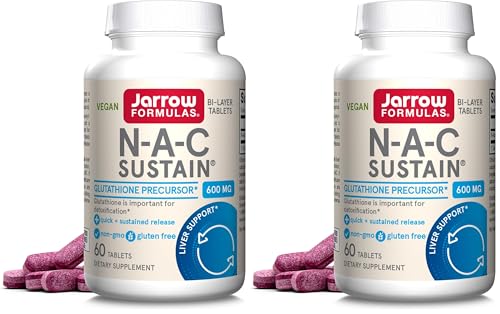
Jarrow Formulas N-A-C Sustain 600 mg, Dietary Supplement, NAC 600 mg, an Antioxidant Amino Acid Support for Liver Health, 60 Tablets, 60 Day Supply
"Jarrow Formulas NAC supplement 600 mg <strong>provides the antioxidant amino acid N-Acetyl L-Cysteine which supports detoxification processes</strong>.(1) This amino acid NAC supplement provides
Evidence & Sources
Promising research with growing clinical support from multiple studies
- National Institute of Diabetes and Digestive and Kidney Diseases (NIDDK)
- National Center for Complementary and Integrative Health (NCCIH)
- World Health Organization (WHO)
- American Association for the Study of Liver Diseases (AASLD)
- Hepatology
- Journal of Hepatology
- LiverTox, National Library of Medicine
- Cochrane Database of Systematic Reviews
This content is for informational purposes only and does not constitute medical advice. Always consult a qualified healthcare provider before starting, stopping, or changing any supplement or medication regimen.