Detox Herbs for Liver Health: An Evidence‑Based Guide to Milk Thistle, Turmeric, Dandelion & More
Which detox herbs support liver health? Evidence on milk thistle, turmeric, dandelion, artichoke, dosing, safety, interactions, and when to seek care.
·12 min read
This content is for informational purposes only and does not constitute medical advice. Always consult a qualified healthcare provider before starting, stopping, or changing any supplement or medication regimen.
If you’re looking into detox herbs for liver health, you’re probably hoping for safe, natural ways to support one of your body’s hardest‑working organs. Research suggests some herbs may modestly aid liver function—mainly by supporting bile flow, combating oxidative stress, or improving metabolic markers—but quick “liver cleanses” that promise to flush toxins in days are more marketing than medicine. This guide integrates Western clinical evidence with Eastern herbal traditions so you can make informed choices.
How the liver actually “detoxifies”
The liver is your body’s central processing plant for chemicals, hormones, and metabolic waste. Its detoxification process happens in coordinated phases:
Phase I (modification): Enzymes—especially the cytochrome P450 (CYP) family—chemically modify substances. This can temporarily create more reactive byproducts.
Phase II (conjugation): The liver attaches molecules like glutathione, sulfate, or glucuronic acid to make those byproducts water‑soluble and easier to excrete.
Phase III (transport/excretion): Transporters move conjugated compounds into bile or blood for elimination via stool or urine.
Healthy bile flow, adequate antioxidants (notably glutathione), and balanced enzyme activity keep the system running smoothly. Herbs traditionally used for liver support often aim to increase bile flow (choleretics/cholagogues), quench oxidative stress, or modulate enzyme pathways.
Common causes and signs of impaired liver function
Metabolic dysfunction–associated steatotic liver disease (MASLD/NAFLD), insulin resistance, and obesity
Medications or supplements that can cause drug‑induced liver injury (e.g., high‑dose acetaminophen; certain bodybuilding products)
Possible warning signs include fatigue, right‑upper‑quadrant discomfort, jaundice, dark urine, pale stools, itching, easy bruising, or swelling. Blood tests (ALT, AST, ALP, GGT, bilirubin), imaging, or elastography assess severity. Seek medical care promptly for jaundice, confusion, severe abdominal pain, vomiting, or rapid swelling.
Myths vs. evidence about “detox”
Myth: A 3‑day cleanse can flush lifelong toxin buildup.
Evidence: The liver detoxifies continuously. Short cleanses don’t regenerate liver tissue or remove stored pollutants by themselves. Sustainable diet, weight management, sleep, and reduced exposures matter far more.
Myth: More detox is always better.
Evidence: Overstimulating Phase I without adequate antioxidants can increase oxidative stress. Nutritional balance and measured support are key.
Myth: Herbs can replace medical treatment for liver disease.
Evidence: Some herbs show adjunctive benefits, but they do not substitute for medical care when disease is present.
What the research says on detox herbs for liver health
Strong evidence: N‑acetylcysteine (NAC) is not an herb, but it’s the standard of care for acetaminophen overdose. Outside emergencies, benefits are less clear.
Moderate evidence: Milk thistle (silymarin), turmeric/curcumin, and artichoke leaf extract show improvements in liver enzymes and/or metabolic markers in some human trials, particularly in MASLD/NAFLD.
Emerging evidence: Schisandra (traditional Chinese medicine), licorice (particularly IV glycyrrhizin used in Japan), and possibly burdock have preliminary or mixed human data.
Traditional use with limited clinical data: Dandelion and neem are long used in folk/Asian systems, but modern human evidence specific to liver endpoints is limited or cautionary.
Evidence strength reflects available human trials and meta‑analyses and does not guarantee individual benefit. Quality and dosing matter.
Key liver‑supportive herbs: mechanisms, evidence, and dosing
Milk thistle (Silybum marianum)
Active constituents: Silymarin complex (silibinin/silybin is major component)
Traditional uses: European and Mediterranean folk medicine for “liver and gallbladder” support
Proposed mechanisms: Antioxidant effects; membrane stabilization; modulation of NF‑κB and TGF‑β; possible stimulation of ribosomal RNA synthesis to support hepatocyte regeneration
Human evidence: Studies indicate modest improvements in ALT/AST in some patients with MASLD/NAFLD; evidence in alcoholic or viral hepatitis is mixed with several trials showing no clear clinical outcome benefit. Overall, research suggests a small‑to‑moderate effect on liver enzymes; hard outcomes (fibrosis, mortality) remain unproven. Evidence level: moderate
Typical dosing: Standardized extracts providing 140 mg silymarin 2–3 times daily (often 70–80% silymarin). Phytosome forms (silybin‑phosphatidylcholine) 160–360 mg/day may improve absorption.
Safety/notes: Generally well tolerated; occasional GI upset or headache. Potential mild CYP interactions are reported but often clinically insignificant. See our detailed monograph: Milk Thistle.
Many people find a standardized silymarin supplement helpful for trialing this herb; look for 70–80% silymarin content, such as Standardized Silymarin 80% from a third‑party tested brand.
Turmeric/Curcumin (Curcuma longa)
Active constituents: Curcuminoids (curcumin, demethoxycurcumin, bisdemethoxycurcumin)
Traditional uses: Ayurveda and Traditional Chinese Medicine (TCM) for “moving blood,” supporting digestion, and easing inflammation
Proposed mechanisms: Antioxidant/anti‑inflammatory actions (inhibits NF‑κB); Nrf2 activation; improves insulin sensitivity; may enhance bile flow
Human evidence: Meta‑analyses of RCTs in MASLD/NAFLD suggest curcumin (typically 1000 mg/day of highly bioavailable extract) can reduce ALT, AST, and liver fat on imaging, and improve metabolic markers. Evidence in other liver diseases is limited. Evidence level: moderate
Typical dosing: 500–1000 mg/day of curcumin extract (standardized ~95% curcuminoids). Bioavailability can be enhanced with piperine (5–10 mg) or as a phytosome/meriva form.
Safety/notes: May increase bleeding risk with anticoagulants/antiplatelets; can worsen gallbladder pain in bile obstruction; may cause GI upset in higher doses.
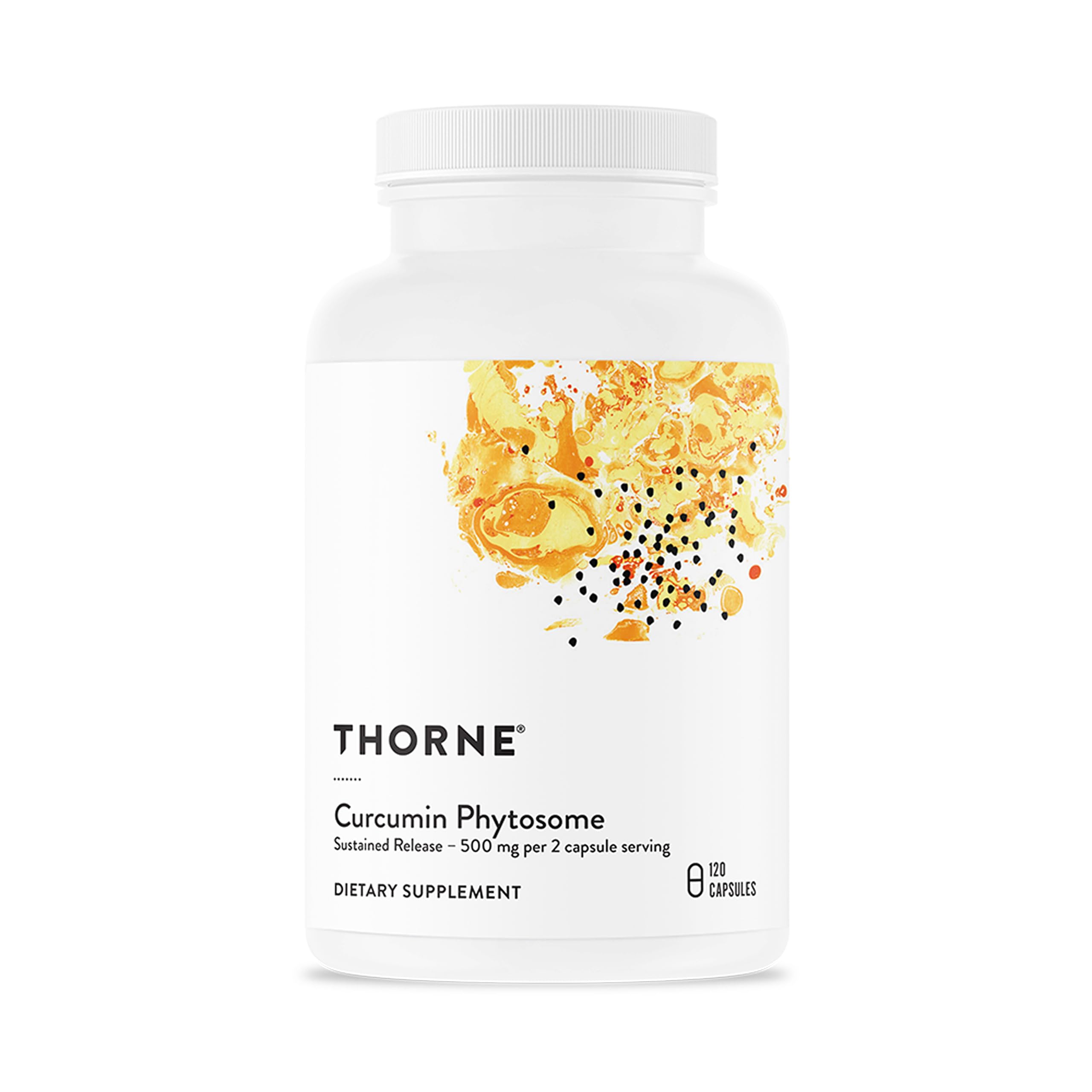
A bioavailable curcumin formula can reduce pill burden. Many choose a piperine‑enhanced or phytosome option like Curcumin Phytosome. Avoid if you have active gallstones with biliary colic unless your clinician approves.
Dandelion (Taraxacum officinale)
Active constituents: Sesquiterpene lactones (e.g., taraxinic acid), inulin, phenolic acids
Traditional uses: European and North American folk medicine as a bitter tonic, mild diuretic, and “liver cleanser”
Proposed mechanisms: Bitter principles may stimulate digestive secretions and bile flow; antioxidant effects in preclinical models
Human evidence: Limited modern clinical trials specific to liver endpoints. Most data are preclinical or relate to digestion/diuresis. Evidence level: traditional/emerging
Typical dosing: Dried root 2–8 g/day (tea or capsules); liquid extract 2–8 mL/day; leaves commonly used as food or tea
Safety/notes: Generally safe as food/tea; may interact with diuretics or lithium; avoid with Asteraceae allergy.
Some people enjoy dandelion as a daily beverage rather than a capsule—consider a simple Dandelion Root Tea from a reputable source.
Artichoke leaf (Cynara scolymus)
Active constituents: Caffeoylquinic acids (e.g., cynarin), flavonoids
Traditional uses: Mediterranean medicine for bile stimulation and dyspepsia
Proposed mechanisms: Choleretic effects; antioxidant activity; support for lipid metabolism
Human evidence: RCTs suggest artichoke leaf extract may improve dyspepsia symptoms and lipid profiles; several small trials in MASLD/NAFLD show reductions in ALT/AST and steatosis scores. Evidence level: moderate
Safety/notes: Avoid with bile duct obstruction or active gallstone colic; mild GI effects possible.
Schisandra (Schisandra chinensis)
Active constituents: Lignans (schisandrin A/B, gomisin A, etc.)
Traditional uses: A core herb in TCM to “secure essence,” calm spirit, and protect the liver
Proposed mechanisms: Antioxidant effects; potential modulation of liver enzymes and glutathione; may enhance mitochondrial resilience
Human evidence: Emerging. Small clinical studies—often with multi‑herb formulas—suggest improvements in liver enzymes in chronic hepatitis or fatty liver, but high‑quality monotherapy RCTs are limited. Evidence level: emerging
Typical dosing: 1.5–3 g/day of dried berries as tea/powder; standardized extracts often 500–1500 mg/day (check schisandrin content)
Safety/notes: May affect CYP3A4 and P‑glycoprotein; could raise levels of drugs like tacrolimus or certain statins—clinical monitoring advised.
Active constituents: Glycyrrhizin/glycyrrhetinic acid; flavonoids
Traditional uses: Widely used across TCM and Greco‑Arabic traditions; harmonizes formulas and supports digestion and respiratory health
Proposed mechanisms: Anti‑inflammatory and antiviral properties; mineralocorticoid‑like effects via 11β‑HSD2 inhibition (basis for key safety concerns)
Human evidence: Intravenous glycyrrhizin (SNMC) used in Japan has shown reductions in ALT in chronic hepatitis; oral licorice trials are mixed and generally weaker. Deglycyrrhizinated licorice (DGL) is used for GI issues and lacks glycyrrhizin, so it’s not a liver agent. Evidence level: emerging
Typical dosing: Standardized oral extracts vary; because of safety concerns, use only under guidance if pursuing liver support.
Safety/notes: Risk of hypertension, hypokalemia, edema, and arrhythmias—especially with higher doses or chronic use. Major interactions with diuretics, digoxin, corticosteroids.
Burdock (Arctium lappa)
Active constituents: Inulin, lignans, phenolic acids
Traditional uses: “Blood purifier” in Western herbalism; used for skin and digestive support
Proposed mechanisms: Antioxidant and mild choleretic activity in preclinical studies
Human evidence: Sparse for liver‑specific outcomes. Evidence level: traditional/emerging
Typical dosing: Dried root 2–6 g/day; tincture 2–4 mL up to three times daily
Safety/notes: Generally well tolerated; potential cross‑reactivity with Asteraceae allergies.
Neem (Azadirachta indica)
Active constituents: Limonoids (azadirachtin), flavonoids, polyphenols
Traditional uses: Ayurveda for skin, metabolic, and antimicrobial uses
Proposed mechanisms: Antioxidant and hepatoprotective signals in animal studies
Human evidence: Limited and not sufficient to recommend neem for liver support; case reports note toxicity with certain preparations (especially oils). Evidence level: limited/caution
Typical dosing: Traditional leaf teas exist, but standardized supplemental dosing for liver endpoints is not established.
Safety/notes: Avoid in pregnancy; potential hepatotoxicity with concentrates/oils; may lower blood sugar and interact with medications.
Safety, interactions, and quality considerations
Herbs are pharmacologically active. Use them with the same respect you would for over‑the‑counter medicines.
Anticoagulants/antiplatelets: Curcumin and possibly silymarin may increase bleeding risk; monitor with warfarin, DOACs, aspirin, or clopidogrel.
CYP and transporter effects:
Schisandra can inhibit/induce CYP3A4 and affect P‑gp; monitor drugs with narrow therapeutic windows (tacrolimus, cyclosporine, certain statins, calcium channel blockers).
Milk thistle has mild in vitro CYP effects but usually minimal clinical impact; still use caution with narrow‑index meds.
Turmeric/curcumin can affect CYPs and UGT enzymes in vitro; clinical significance varies.
Biliary issues: Bitter/choleretic herbs (artichoke, dandelion, turmeric) may exacerbate biliary colic; avoid with known bile duct obstruction unless supervised.
Electrolytes and blood pressure: Licorice can cause hypertension and hypokalemia; avoid with heart, kidney, or uncontrolled blood pressure conditions.
Pregnancy/breastfeeding: Safety data are limited for most herbs; avoid unless a qualified clinician approves. Neem is contraindicated in pregnancy.
Advanced liver disease: Metabolism and protein binding change; even “mild” herbs can have outsized effects—seek specialist care.
Choose products that specify plant part, extract ratio, and standardized actives (e.g., 70–80% silymarin; 95% curcuminoids; defined caffeoylquinic acids for artichoke; schisandrin content for schisandra).
Look for third‑party testing seals (USP, NSF, or ConsumerLab) and request Certificates of Analysis when possible.
Avoid proprietary blends that obscure ingredient amounts.
Many people prefer brands offering transparent testing; tools like a Third‑Party Tested NAC can complement herbal strategies when advised by your clinician—especially for supporting healthy glutathione status—though NAC is not an herb and evidence for general wellness use is mixed.
Practical takeaways: using detox herbs for liver health wisely
Start with your foundations:
Weight management and metabolic health: In MASLD/NAFLD, a 7–10% weight loss often yields meaningful liver improvements.
Coffee: Regular coffee intake is associated with lower liver fibrosis and cancer risk in observational research.
Alcohol: Reduce or eliminate, depending on your risk profile.
Sleep, movement, and stress care: These regulate insulin sensitivity and inflammation, indirectly aiding the liver.
When might herbs be appropriate?
Mildly elevated enzymes related to metabolic health, with clinician oversight: Consider trialing milk thistle, artichoke, or curcumin for 8–12 weeks, alongside diet and exercise.
Digestive sluggishness without biliary obstruction: Traditional bitters like dandelion may support appetite and bile flow.
TCM‑guided care: Schisandra may be considered within a personalized formula under a qualified practitioner.
How to try herbs safely
Confirm diagnosis and rule out serious disease with your clinician.
Pick one herb at a time; use standardized extracts; track ALT/AST and symptoms after 8–12 weeks.
Review medications for interactions; adjust doses only with professional guidance.
If abnormalities worsen or you develop jaundice, itching, swelling, or confusion—stop and seek medical care.
Realistic expectations
Research suggests modest improvements in liver enzymes and metabolic markers from certain herbs; they are adjuncts, not cures.
Benefits depend on the quality of the product, adherence to lifestyle change, and the underlying cause of liver stress.
Disclaimer: This article is for educational purposes and should not replace personalized medical advice. Always consult a qualified healthcare professional—especially if you have liver disease, take prescription medications, are pregnant or breastfeeding, or plan to combine multiple supplements.
This content is for informational purposes only and does not constitute medical advice. Always consult a qualified healthcare provider before starting, stopping, or changing any supplement or medication regimen.
Herbal Detox Programs for Vitality: Evidence, Safe Protocols, and What Works. If you’re exploring herbal detox programs to boost vitality, you’re likely aiming for more steady energy, clearer digestion, and a sense of “lightness” without harsh cleanses. Herbal detox programs, when thoughtfully designed, focus on supporting the body’s own elimination systems—liver, kidneys, ly
Liver Cleanse. liver detox, hepatic cleanse. ## Overview
**“Liver cleanse”** is a broad popular term used to describe diets, supplements, juices, fasting protocols, herbal formulas, or multi-step wellness programs that claim to **support detoxification, improve liver function, or “flush” accumulated toxins** from the body. These protocols are
Liver Detox Pathways. Hepatic Detox, Liver Cleansing. ## Overview
**Liver detox pathways** refers to the interconnected biochemical processes the liver uses to transform, neutralize, and prepare substances for elimination. In conventional physiology, this includes the liver’s role in filtering blood from the digestive tract, metabolizing medications, p
Best Immune‑Boosting Herbal Teas: An Evidence‑Based Guide to Ingredients, Benefits, Brewing & Safety. If you’re searching for the best immune-boosting herbal teas, you’re likely looking for simple, soothing options to support your defenses during cold season or stressful stretches. Research suggests certain herbs can modulate immune activity, soothe inflamed tissues, and offer antioxidant support—th
Nutrition and Herbal Guide for Wellness: Evidence‑Based Foods, Vitamins, and Herbal Remedies. If you’re looking for a single, trustworthy nutrition and herbal guide for wellness, you’re not alone. Many people want a practical plan that blends research‑backed nutrition with time‑tested herbal support—without hype. This guide outlines core diet principles, essential vitamins and minerals, and