

Liver Detox Pathways
Also known as: Hepatic Detox, Liver Cleansing
Overview
Liver detox pathways refers to the interconnected biochemical processes the liver uses to transform, neutralize, and prepare substances for elimination. In conventional physiology, this includes the liver’s role in filtering blood from the digestive tract, metabolizing medications, processing hormones, converting ammonia to urea, and modifying environmental chemicals, alcohol byproducts, and normal metabolic waste. Rather than acting as a simple “toxin filter,” the liver functions as a highly active metabolic organ that constantly performs chemical conversions so compounds can be excreted through bile or urine.
A common framework describes liver detoxification in Phase I, Phase II, and Phase III processes. Phase I reactions, largely driven by cytochrome P450 enzymes, chemically alter compounds through oxidation, reduction, or hydrolysis. Phase II pathways then conjugate these substances—often by attaching molecules such as glucuronic acid, sulfate, or glutathione—to make them more water-soluble and easier to eliminate. Phase III involves transport proteins that move these processed compounds out of liver cells into bile or blood for eventual excretion. These pathways also handle endogenous substances, including steroid hormones, bilirubin, and inflammatory byproducts.
Interest in liver detox pathways is widespread in both medical and wellness settings, but the term “detox” is often oversimplified in popular culture. Research supports the liver’s central role in biotransformation and waste handling, yet many commercial “detox” claims extend beyond established evidence. Liver function can be influenced by genetics, nutrition status, alcohol exposure, infections, metabolic disease, medication use, and environmental toxicant burden. When liver pathways are impaired, effects may range from altered drug metabolism to accumulation of bilirubin or ammonia, depending on the underlying mechanism.
From a broader health perspective, liver detoxification is closely linked with the gut, kidneys, immune system, and biliary system. Bile production and flow are important for elimination of certain compounds through the stool, while the kidneys excrete many water-soluble metabolites. Because these pathways are complex and clinically significant, concerns about liver function are best evaluated by qualified healthcare professionals, especially when symptoms, abnormal laboratory results, medication questions, or known liver conditions are involved.
Medical Perspectives
Two Ways of Seeing Health

Western
scientific · clinical
Western medicine applies science, technology, and clinical experience to treat symptoms through testing, diagnosis, and targeted intervention.

Eastern
traditional · alternative
Eastern medicine focuses on treating the body naturally by applying traditional knowledge practiced for thousands of years, emphasizing balance and whole-person wellness.
Gold Bamboo presents both perspectives side-by-side so you can make informed decisions. We don't advocate for one over the other — your health choices are yours.
Western Medicine Perspective
Western Medicine Perspective
In Western medicine, liver detox pathways are understood as biotransformation systems supported by hepatocytes, enzyme networks, antioxidant defenses, and membrane transporters. Major Phase I enzymes include cytochrome P450 families such as CYP3A4, CYP2D6, CYP2E1, and CYP1A2, which help metabolize drugs, alcohol-related compounds, and environmental chemicals. Phase II pathways include glucuronidation, sulfation, methylation, acetylation, amino acid conjugation, and glutathione conjugation. These systems do not work in isolation; they depend on adequate cellular energy, micronutrient availability, liver blood flow, and intact bile secretion.
Conventional medicine does not typically describe a healthy liver as needing routine “detoxification” in the commercial sense. Instead, clinicians assess whether there is liver injury, impaired metabolism, cholestasis, fatty liver disease, viral hepatitis, alcohol-related liver disease, toxin exposure, or drug-induced liver injury. Common evaluation tools include liver enzymes, bilirubin, alkaline phosphatase, albumin, coagulation markers, imaging studies, and medication review. Research also shows that liver detox capacity varies substantially among individuals because of genetic polymorphisms, age, disease states, microbiome influences, and concurrent medication or supplement use.
Studies suggest that certain dietary patterns and nutrients are relevant to liver health, particularly those involved in antioxidant defense and conjugation pathways, but evidence is far stronger for basic liver-supportive health measures than for branded detox regimens. Clinical attention is often focused on reducing harmful exposures, managing metabolic risk factors, and identifying conditions that change the way the liver processes substances. Because supplements, herbs, and over-the-counter products can themselves affect cytochrome enzymes or cause hepatotoxicity, conventional medicine emphasizes careful review of all substances being used and consultation with a healthcare provider when liver concerns arise.
Eastern & Traditional Perspective
Eastern/Traditional Medicine Perspective
In Traditional Chinese Medicine (TCM), the Liver is understood differently from the anatomical liver alone. It is viewed as a functional system involved in the smooth flow of Qi, blood storage, emotional regulation, tendon health, and coordination of digestive processes. Patterns such as Liver Qi stagnation, Liver Fire, Damp-Heat in the Liver/Gallbladder, or Liver Blood deficiency may be used to describe presentations that, in modern language, could overlap with stress-related symptoms, digestive disturbances, headaches, irritability, menstrual irregularities, or a sense of internal congestion. TCM discussions of “detoxification” often relate more to clearing heat, resolving dampness, and supporting the harmonious movement of Qi than to the biochemical Phase I/II framework.
In Ayurveda, the liver is closely tied to Pitta, particularly the subtypes involved in digestion, metabolism, and blood quality. Traditional concepts may frame toxic accumulation as ama, a byproduct of incomplete digestion and metabolic imbalance. Herbs, foods, and routines have historically been used to support digestion, bile flow, and metabolic clarity, while also addressing constitution, season, and symptom pattern. Naturopathic and traditional herbal systems often emphasize the liver’s role in processing both internal waste and environmental burden, using terms such as hepatic support, cholagogue, choleretic, or alterative. These frameworks often place strong importance on the relationship between the liver, digestion, elimination, and lifestyle rhythms.
From an evidence standpoint, some traditional herbs associated with liver support—such as milk thistle, turmeric, schisandra, and artichoke—have been studied to varying degrees, but findings are mixed and highly context-dependent. Traditional systems generally individualize care and do not define liver detox pathways solely through laboratory biomarkers. Because some herbs may interact with medications or affect liver enzymes, integrative care models often stress collaboration with knowledgeable practitioners and careful consideration of both traditional theory and modern safety data.
Supplements & Products
Recommended Products
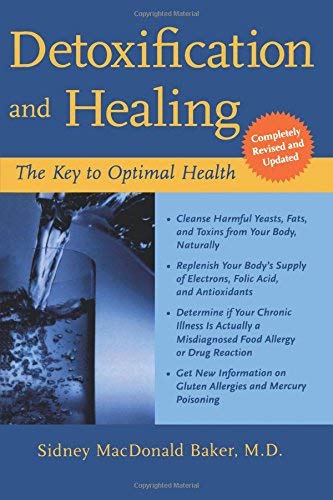
Detoxification and Healing: The Key to Optimal Health: Baker, Sidney MacDonald
Sidney Baker begins the journey of understanding preventive medicine by introducing us to detoxification and healing . . . foreshadows an era of looking at health as a balance of internal and external

NOW Supplements, NAC (N-Acetyl Cysteine) 600 mg with Selenium, 250 Veg Capsules
Buy NOW Supplements, NAC (N-Acetyl Cysteine) 600 mg with Selenium, 250 Veg Capsules on Amazon.com ✓ FREE SHIPPING on qualified orders

Jarrow Formulas Milk Thistle Supplement 150 mg. 30:1 Milk Thistle Extract Standardized to 80% Total Flavonoids, Dietary Supplement for Liver Function Support, 200 Veggie Capsules, Up to 200 Day Supply
Dietary supplement with 150 mg of Milk Thistle Seed Extract <strong>supports Glutathione levels to support liver function</strong>. Each serving supplies a standardized 30:1 Milk Thistle extract with
Evidence & Sources
Promising research with growing clinical support from multiple studies
- National Institute of Diabetes and Digestive and Kidney Diseases (NIDDK)
- National Center for Complementary and Integrative Health (NCCIH)
- LiverTox: Clinical and Research Information on Drug-Induced Liver Injury
- Goodman & Gilman's The Pharmacological Basis of Therapeutics
- Nature Reviews Gastroenterology & Hepatology
- New England Journal of Medicine
- Hepatology
- World Health Organization (WHO)
This content is for informational purposes only and does not constitute medical advice. Always consult a qualified healthcare provider before starting, stopping, or changing any supplement or medication regimen.