

Milk Thistle
Milk Thistle Overview
Milk thistle (Silybum marianum) is a flowering plant in the daisy family whose seeds contain a group of flavonolignans collectively known as silymarin. The most studied constituent within silymarin is silibinin (also called silybin), which is often used as a marker compound in supplements and research. Milk thistle has a long history of use in traditional European herbal medicine, especially in contexts related to liver and gallbladder health, and it remains one of the most widely recognized botanical supplements for hepatic support.
In modern health discussions, milk thistle is most often associated with liver protection, antioxidant activity, and possible anti-inflammatory effects. Research has explored its role in conditions such as alcohol-related liver disease, nonalcoholic fatty liver disease (NAFLD), toxin-related liver injury, and viral hepatitis, although findings are mixed and often depend on the formulation studied, dose standardization, and the severity of underlying disease. Some studies also examine milk thistle in metabolic health, skin conditions, and adjunctive supportive care, but these areas are less established.
A key challenge in understanding milk thistle is that "milk thistle" may refer to the whole herb, seed extracts, or standardized silymarin products with differing bioavailability. This matters because the clinical literature is not always directly comparable across preparations. In addition, supplement quality can vary by manufacturer, and botanical products may contain different concentrations of active compounds. As with many herbal supplements, milk thistle is generally discussed as a supportive, not definitive, intervention, and its use is best considered within the broader context of liver risk factors, medication review, nutrition, and professional medical evaluation.
Overall, milk thistle occupies a middle ground between traditional herbal practice and modern pharmacologic interest. It is among the better-known liver-support botanicals, with laboratory and some clinical research suggesting biologic plausibility, but with important limitations in consistency and strength of evidence. People considering milk thistle, especially those with liver disease, pregnancy, cancer treatment, or complex medication regimens, are generally advised to discuss supplement use with a qualified healthcare professional because herb-drug interactions, delayed diagnosis, and product variability can all be relevant concerns.
Medical Perspectives
Two Ways of Seeing Health

Western
scientific · clinical
Western medicine applies science, technology, and clinical experience to treat symptoms through testing, diagnosis, and targeted intervention.

Eastern
traditional · alternative
Eastern medicine focuses on treating the body naturally by applying traditional knowledge practiced for thousands of years, emphasizing balance and whole-person wellness.
Gold Bamboo presents both perspectives side-by-side so you can make informed decisions. We don't advocate for one over the other — your health choices are yours.
Western Medicine Perspective
Western Medicine Perspective
From a conventional medicine standpoint, milk thistle is primarily studied for its hepatoprotective potential. Preclinical research suggests that silymarin and silibinin may have antioxidant, anti-inflammatory, membrane-stabilizing, and antifibrotic effects. Proposed mechanisms include scavenging free radicals, influencing inflammatory signaling pathways, and modulating cellular responses involved in liver injury and repair. These mechanisms help explain why milk thistle has been investigated in a range of hepatic disorders.
Clinical evidence, however, is more nuanced than its popular reputation suggests. Studies in NAFLD, alcoholic liver disease, chronic hepatitis, and cirrhosis have produced mixed results. Some trials and reviews report modest improvements in liver enzymes or certain surrogate markers, while others find limited or uncertain benefit on major clinical outcomes. Major evidence reviews generally conclude that milk thistle appears reasonably well tolerated in many adults, but that the quality of evidence is variable and not strong enough to position it as a standard standalone treatment for chronic liver disease. Conventional clinicians therefore tend to view it as a complementary supplement with possible supportive value rather than a replacement for established diagnosis, monitoring, and disease-specific care.
Milk thistle has also drawn attention for toxicology and drug-induced liver injury contexts, and silibinin has been studied in specialized medical settings, including poisoning from Amanita phalloides mushrooms in some countries. At the same time, conventional medicine emphasizes caution: supplements can interact with medications through liver enzyme pathways, and people may incorrectly self-treat symptoms that require urgent assessment, such as jaundice, unexplained fatigue, abdominal swelling, or abnormal liver tests. Because product formulations differ and regulatory oversight of supplements is not identical to that of pharmaceuticals, healthcare-provider involvement remains an important part of safe use.
Eastern & Traditional Perspective
Eastern and Traditional Medicine Perspective
In traditional Western herbalism, milk thistle has long been regarded as a classic hepatic trophorestorative or liver-support herb. Herbal traditions describe it as being used to support the liver's resilience after strain from diet, alcohol, environmental exposures, or convalescence. Rather than targeting a single diagnosis, traditional herbal systems often frame milk thistle as a botanical that helps maintain healthy digestive-liver function and supports the body's restorative processes.
Within naturopathic and integrative medicine, milk thistle is commonly discussed as part of a broader strategy centered on liver burden, detoxification pathways, metabolic balance, and inflammation. In these frameworks, it may be considered alongside dietary patterns, alcohol reduction, environmental exposure review, and other botanicals or nutrients. Integrative practitioners often distinguish between traditional use and modern evidence, noting that while milk thistle has one of the stronger reputations among liver herbs, outcomes may depend on the individual, formulation, and overall clinical context.
Milk thistle is not a major foundational herb in classical Traditional Chinese Medicine or Ayurveda in the same way it is in European herbalism, but contemporary integrative practice sometimes incorporates it into East-West models of care. In these settings, practitioners may interpret its role through broader concepts such as supporting the smooth flow of digestion and elimination, or reducing heat, inflammation, or toxic burden analogues, while still recognizing that these interpretations do not map perfectly onto biomedical disease categories. Across traditional systems, the prevailing emphasis is generally on constitution, pattern, and context, rather than using milk thistle as a universal remedy.
Traditional medicine perspectives also tend to stress the importance of individualized assessment. Symptoms attributed to "liver imbalance" in holistic systems may overlap with serious medical conditions in conventional medicine, so responsible integrative use typically includes appropriate medical evaluation, especially when symptoms are persistent, progressive, or unexplained.
Supplements & Products
Recommended Products
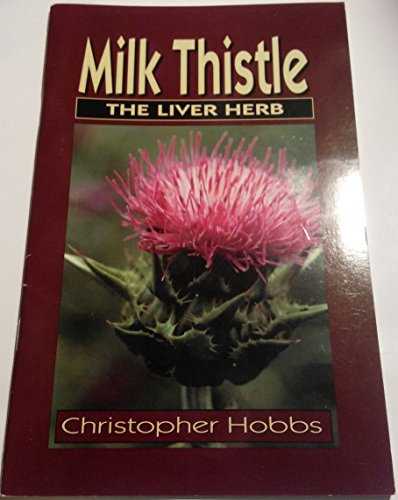
Milk Thistle: The Liver Herb: Hobbs, Christopher
This book is a must read and must have for any holistic health enthusiast, herbalist, and even allopathic healthcare professional. Yes, for the safety record and effectiveness of milk thistle in regar

Jarrow Formulas Milk Thistle Supplement 150 mg. 30:1 Milk Thistle Extract Standardized to 80% Total Flavonoids, Dietary Supplement for Liver Function Support, 200 Veggie Capsules, Up to 200 Day Supply
Dietary supplement with 150 mg of Milk Thistle Seed Extract <strong>supports Glutathione levels to support liver function</strong>. Each serving supplies a standardized 30:1 Milk Thistle extract with
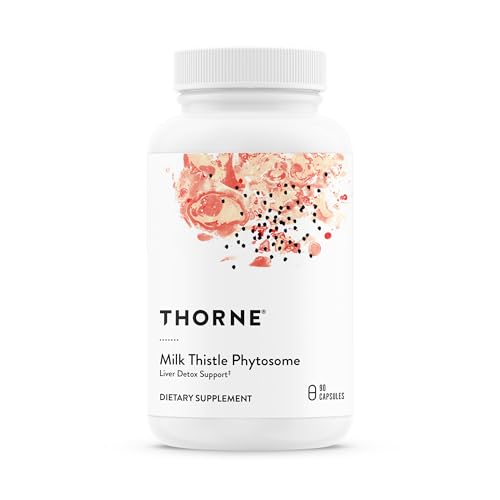
THORNE - Milk Thistle Phytosome (Formerly Siliphos) - Botanical Extract Complex for Antioxidant and Liver Support* - Third-Party Certified - Gluten, Dairy & Soy-Free - 90 Capsules
Natural Liver Support: <strong>Dual liver-protective benefits from silybin, a milk thistle flavonoid, and from sunflower phospholipids</strong>* Antioxidant Benefits: Helps maintain a normal level of
Evidence & Sources
Promising research with growing clinical support from multiple studies
- National Center for Complementary and Integrative Health (NCCIH)
- National Institutes of Health Office of Dietary Supplements (ODS)
- Cochrane Database of Systematic Reviews
- World Journal of Gastroenterology
- Phytotherapy Research
- Journal of Clinical Gastroenterology
- European Association for the Study of the Liver (EASL)
- LiverTox: Clinical and Research Information on Drug-Induced Liver Injury
This content is for informational purposes only and does not constitute medical advice. Always consult a qualified healthcare provider before starting, stopping, or changing any supplement or medication regimen.