

Detox Diet
Also known as: Detox cleanse diet, Cleanse diet, Body cleanse diet
Overview
Detox diets are a broad and loosely defined category of eating plans marketed as ways to "cleanse," "reset," or support the body’s natural elimination of waste products. They often emphasize short-term food restriction, increased fluid intake, juices or smoothies, avoidance of alcohol and ultra-processed foods, and a focus on fruits, vegetables, broths, or other minimally processed foods. In popular wellness culture, detox diets are commonly associated with post-holiday "resets," weight-loss kickstarts, or efforts to reduce bloating and fatigue.
From a biological standpoint, the human body already has highly developed detoxification systems. The liver, kidneys, gastrointestinal tract, lungs, and skin all play roles in metabolizing and eliminating endogenous waste and environmental exposures. For this reason, the term "detox" can be misleading when used to imply removal of unspecified toxins through a particular diet. Research generally distinguishes between the body’s normal detoxification physiology and commercial detox programs, many of which have not been rigorously studied.
That said, some features commonly included in detox-style eating patterns—such as reducing alcohol intake, increasing vegetable consumption, improving hydration, and limiting heavily processed foods—align with broadly accepted health principles. In these cases, perceived benefits may relate less to a special cleansing effect and more to short-term changes in calorie intake, sodium reduction, fiber intake, meal regularity, or reduced exposure to excess sugar and alcohol. Reported effects such as temporary weight loss may also reflect fluid shifts or reduced glycogen stores rather than a unique detox process.
Detox diets vary widely in intensity and safety. Some are relatively mild, resembling a brief whole-foods reset, while others involve fasting, colon cleanses, supplements, laxative teas, or prolonged juice-only regimens. More restrictive approaches may carry risks, particularly for people with diabetes, kidney disease, eating disorder history, low body weight, pregnancy, or those taking medications. Because detox programs are not standardized, their benefits and harms can differ substantially, and healthcare input may be important when symptoms, medical conditions, or supplement use are involved.
Medical Perspectives
Two Ways of Seeing Health

Western
scientific · clinical
Western medicine applies science, technology, and clinical experience to treat symptoms through testing, diagnosis, and targeted intervention.

Eastern
traditional · alternative
Eastern medicine focuses on treating the body naturally by applying traditional knowledge practiced for thousands of years, emphasizing balance and whole-person wellness.
Gold Bamboo presents both perspectives side-by-side so you can make informed decisions. We don't advocate for one over the other — your health choices are yours.
Western Medicine Perspective
Western Medicine Perspective
In conventional medicine, the concept of detoxification refers to specific biochemical pathways rather than a generic dietary cleanse. The liver transforms substances through phase I and phase II metabolism, the kidneys filter blood and regulate fluid balance, and the digestive system helps excrete metabolites through stool. When these organs are functioning normally, there is usually no medical basis for the claim that a short-term detox diet is necessary to remove routine "toxins." Clinical detoxification in medicine typically refers instead to management of substance withdrawal, poisoning, or toxic exposure, not consumer cleanse programs.
Reviews of commercial detox diets have found that the evidence base is limited. Studies are often small, short-term, heterogeneous, or focused on surrogate markers rather than meaningful clinical outcomes. Some research suggests that diets rich in fruits, vegetables, whole grains, and adequate fluids may support overall metabolic health and reduce exposure to certain harmful dietary patterns. However, this is different from demonstrating that a branded detox protocol accelerates toxin removal or improves organ function in healthy individuals. Conventional experts also note that symptoms interpreted as "toxins leaving the body" may instead reflect calorie restriction, caffeine withdrawal, dehydration, hypoglycemia, or gastrointestinal changes.
From a safety standpoint, western clinicians often express concern about highly restrictive detox plans, especially those involving prolonged fasting, unpasteurized juices, herbal stimulants, diuretics, or laxatives. Potential issues discussed in the literature include electrolyte imbalance, dizziness, nutrient inadequacy, blood sugar fluctuations, gastrointestinal distress, and medication interactions. In this framework, a more evidence-aligned interpretation of a "reset" diet is simply a temporary return to balanced eating habits rather than a medically necessary cleansing intervention. Individuals with persistent fatigue, bloating, skin changes, or digestive symptoms are generally encouraged in conventional care to seek proper evaluation rather than assuming toxin buildup.
Eastern & Traditional Perspective
Eastern/Traditional Medicine Perspective
In Traditional Chinese Medicine (TCM), the idea most similar to detox is not usually framed as removing unnamed toxins through a short crash diet, but as restoring balance and supporting the body’s functional systems. Symptoms that modern wellness culture may label as needing a cleanse—such as heaviness, sluggish digestion, irritability, skin eruptions, or a sense of internal "heat"—may be interpreted through patterns such as dampness, heat, phlegm accumulation, qi stagnation, or digestive weakness of the Spleen and Stomach systems. Food choices are often considered according to energetic qualities, season, constitution, and digestive capacity.
From this perspective, overly rich foods, alcohol, irregular eating, and emotional stress may contribute to imbalance, while simpler meals, cooked vegetables, broths, bitter greens, and adequate rest are traditionally used to support recovery. TCM dietary therapy often places emphasis on moderation and digestive harmony rather than extreme restriction. Some traditional practitioners may view aggressive fasting or cold juice cleanses as potentially weakening for people with low energy, poor appetite, or constitutionally deficient patterns.
In Ayurveda, similar themes appear in the concepts of ama (often described as accumulated metabolic residue) and impaired agni (digestive fire). Cleansing practices are traditionally individualized and may include simplified diets, warm liquids, spices, routine, and seasonal reset periods intended to support digestion and elimination. Classical Ayurvedic cleansing can also involve more intensive supervised procedures, but these are traditionally not seen as one-size-fits-all wellness trends. Naturopathic frameworks likewise often discuss reducing exposure burden and supporting elimination through diet, hydration, sleep, and bowel regularity.
Across these traditional systems, detox is generally understood less as a universal rapid cleanse and more as a process of rebalancing, digestive support, and reducing excess. While these approaches have long historical use, their language and theory differ from modern biomedical models. Integrative interpretation often emphasizes that any traditional cleansing strategy is best viewed in the context of individual constitution, season, and overall health status, ideally with qualified professional guidance when symptoms are significant or persistent.
Supplements & Products
Recommended Products
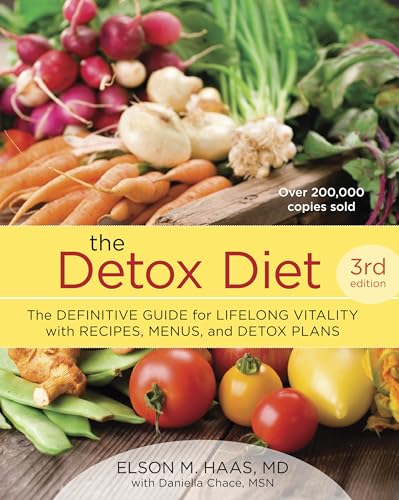
The Detox Diet, Third Edition: The Definitive Guide for Lifelong Vitality with Recipes, Menus, and Detox Plans: Haas, Elson M., Chace, Daniella
The Detox Diet, Third Edition: <strong>The Definitive Guide for Lifelong Vitality with Recipes, Menus, and Detox Plans</strong> [Haas, Elson M., Chace, Daniella] on Amazon.com. *FREE* shipping on qual
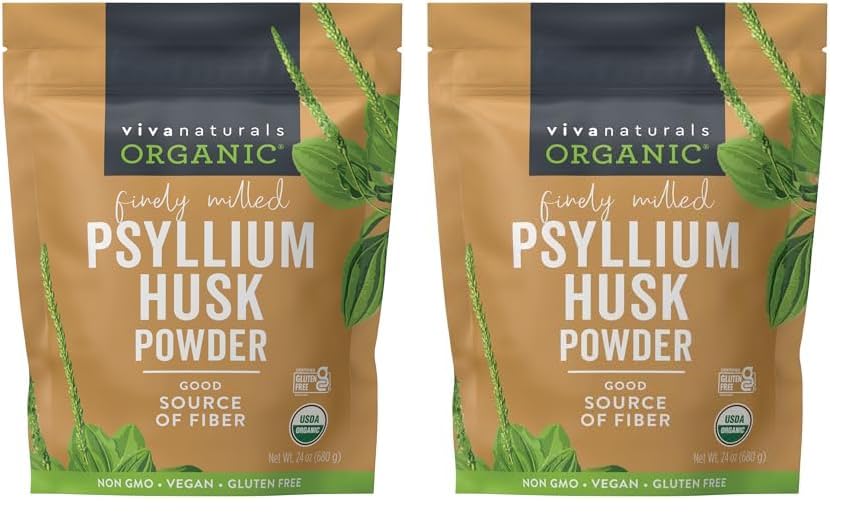
Viva Naturals Organic Psyllium Husk Powder, 24 oz – Finely Ground, Unflavored, Vegan, Keto, Paleo, Non-GMO Plant-Based Superfood, Good Source of Fiber for Gluten-Free Baking, Juices & Smoothies
QUALITY YOU CAN TRUST – A natural fiber powder and with nothing else added, Viva Naturals psyllium husk powder is <strong>Non-GMO Project Verified, USDA-certified organic, Certified Vegan, Gluten-Free
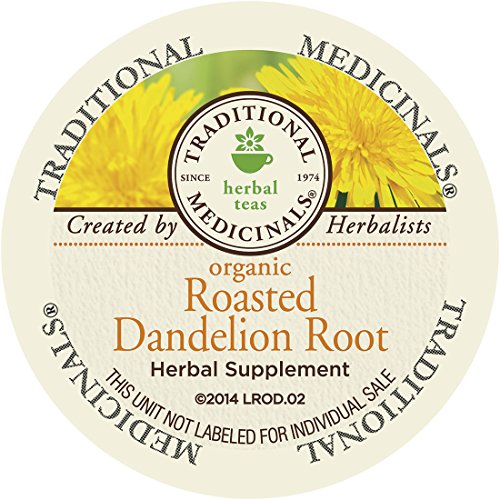
Traditional Medicinals Tea, Organic Roasted Dandelion Root, Supports Kidney Function & Healthy Digestion, 96 Tea Bags (6 Pack) : Herbal Teas
Traditional Medicinals Organic, Dandelion Leaf & Root - Dandelion Root Tea, Supports Normal Detox + Digestion - Kosher, Non-GMO, Caffeine-Free, Compostable - 16 Tea Bags
Evidence & Sources
Promising research with growing clinical support from multiple studies
- National Center for Complementary and Integrative Health (NCCIH)
- British Dietetic Association
- Journal of Human Nutrition and Dietetics
- The Lancet
- NHS
- Harvard T.H. Chan School of Public Health
- National Institute of Diabetes and Digestive and Kidney Diseases (NIDDK)
- Traditional Chinese Medicine: WHO benchmarks and related WHO publications
This content is for informational purposes only and does not constitute medical advice. Always consult a qualified healthcare provider before starting, stopping, or changing any supplement or medication regimen.