Holistic Approaches to Pain Management: Evidence‑Based Modalities, What Works, and How to Choose
An evidence-based guide to holistic approaches to pain management—what works, how to combine therapies safely, and how to choose the right options.
·12 min read
This content is for informational purposes only and does not constitute medical advice. Always consult a qualified healthcare provider before starting, stopping, or changing any supplement or medication regimen.
If you’re living with ongoing pain, you’ve likely tried quick fixes that didn’t stick. Holistic approaches to pain management aim to treat the whole person and the many drivers of pain—body, mind, and environment—so relief is more sustainable. This guide reviews what the science supports, what traditional systems have long used, and how to build a safe, personalized plan.
Pain 101: What You’re Treating (Not Just Masking)
Pain is a protective signal, but when it becomes chronic it can outlive its usefulness. Understanding your pain type helps you choose effective options.
Acute vs. chronic: Acute pain follows injury or surgery and usually resolves with healing. Chronic pain lasts beyond 3 months and often involves nervous‑system changes that amplify signals.
Pain types:
Nociceptive: From tissue injury or inflammation (sprains, osteoarthritis). Often responds to movement therapy, heat, topical anti‑inflammatories, and anti‑inflammatory diet.
Neuropathic: From nerve damage or dysfunction (diabetes neuropathy, sciatica, post‑herpetic neuralgia). May respond to biofeedback, graded activity, acupuncture, topical capsaicin, and certain supplements; often needs conventional nerve‑targeting meds too.
Centralized/sensitized: The nervous system becomes overly sensitive (fibromyalgia, some chronic low back pain, migraine). Mind–body therapies, sleep optimization, graded exercise, and stress reduction are central here.
Biopsychosocial drivers you can influence
Inflammation: Immune signals (cytokines, prostaglandins) sensitize nerves. Diet, sleep, stress, movement, and some supplements can modulate this.
Nervous‑system sensitization: Repeated pain can “turn up the volume” in the spinal cord and brain (via NMDA receptors, microglia). Mindfulness, CBT, exercise, and acupuncture may help normalize these pathways.
Descending pain control: Brain circuits using serotonin and norepinephrine dampen pain; they strengthen with cognitive therapies, exercise, and adequate sleep.
Stress and mood: Stress hormones and mood disorders can amplify pain perception. Techniques that calm the HPA axis (breathing, meditation) often reduce pain intensity and interference.
Sleep: Poor sleep increases pain next day; improving sleep often reduces pain severity.
Mechanistically, practices like mindfulness can reduce limbic overactivity (the brain’s “alarm”), exercise releases endorphins and strengthens descending inhibition, turmeric’s curcumin can inhibit NF‑κB (a key inflammatory switch), and omega‑3s shift eicosanoid balance toward less inflammatory mediators.
What the Research Says: Holistic Approaches to Pain Management
Below is a concise survey of common modalities, typical benefits, limitations, and the overall quality of evidence.
Biofeedback/relaxation training (Evidence: moderate to strong)
Benefits: Particularly helpful for migraine, tension headache, and TMJ disorders; teaches physiologic self‑regulation.
Limitations: Equipment or trained provider may be needed.
Hypnosis/guided imagery (Evidence: moderate)
Benefits: Useful for some chronic pain and procedural pain; enhances relaxation and reframing of sensations.
For practical skills you can start today, see our overview of mind–body strategies in Holistic Approaches to Stress Relief: Evidence‑Based Mind‑Body Practices, Herbs, and Lifestyle Strategies.
Movement therapies
General exercise and graded activity (Evidence: strong)
Benefits: Cornerstone for chronic low back pain, osteoarthritis (OA), and fibromyalgia; improves function, mood, and sleep.
Limitations: Start low, go slow to avoid flares; consistency matters more than type.
Benefits: Small–moderate benefit for chronic low back pain and OA; combines strength, flexibility, breath.
Tai chi/qigong (Evidence: moderate)
Benefits: Supports knee OA and fibromyalgia symptoms; low impact and balance‑friendly.
Graded motor imagery/mirror therapy (Evidence: moderate)
Benefits: Helps complex regional pain syndrome and some neuropathic pain by “retraining” brain maps.
Manual and physical modalities
Acupuncture (Evidence: moderate to strong)
Benefits: Meta‑analyses show small–moderate benefits over sham and usual care for back/neck pain, OA, and headaches; low risk when performed by licensed professionals. See our overview: Chronic Pain and Acupuncture.
Limitations: Series of sessions usually required; access and cost vary.
Massage therapy (Evidence: moderate)
Benefits: Short‑term relief for low back and neck pain; reduces muscle tension and stress.
Limitations: Effects may fade without ongoing sessions and movement practice.
TENS (transcutaneous electrical nerve stimulation) (Evidence: emerging to moderate)
Benefits: May reduce pain while active for some conditions with minimal risk; home units are accessible. Many people find a Compact TENS Unit convenient for trial use.
Limitations: Not everyone responds; effects may be temporary and parameter‑dependent.
Heat and cold therapy (Evidence: moderate)
Benefits: Heat wraps can ease acute low back pain and muscle spasm; cold is useful after acute injury to reduce swelling.
Limitations: Symptom‑focused; pair with movement and rehab.
Benefits: Helpful for rheumatoid arthritis pain and morning stiffness; possible benefit for dysmenorrhea and some musculoskeletal pain.
Limitations: Variable benefit in non‑inflammatory conditions.
Turmeric/curcumin (Evidence: moderate)
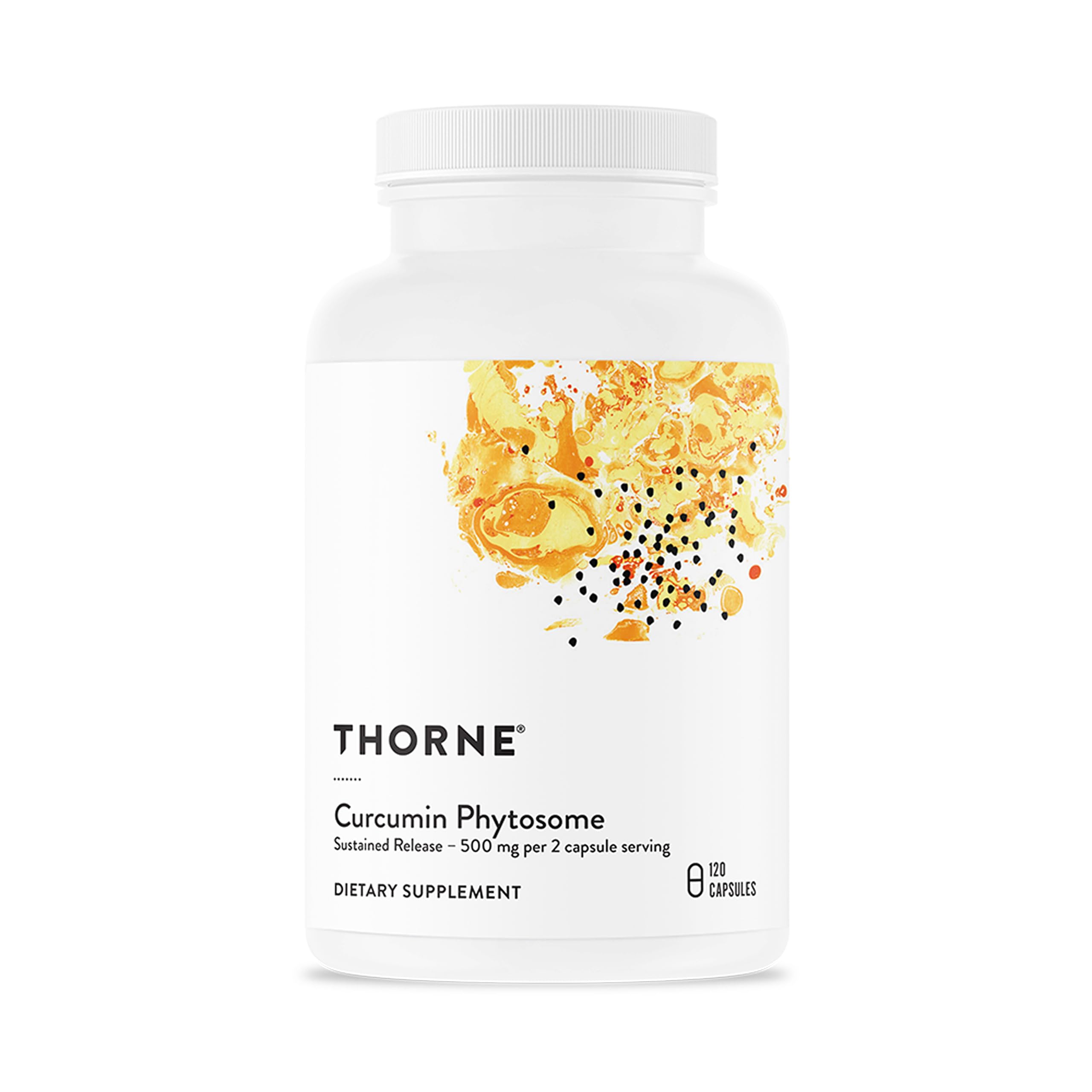
Benefits: Meta‑analyses suggest small–moderate relief in knee OA; curcumin inhibits NF‑κB and COX‑2 pathways. Many people consider a Curcumin Phytosome Supplement for better absorption.
Limitations: Quality and bioavailability vary; effects are typically modest.
Magnesium (citrate or glycinate) (Evidence: moderate for migraine prevention; emerging for muscle tension)
Benefits: May reduce migraine frequency; can aid sleep and muscle relaxation. A Magnesium Glycinate is often chosen for gentle GI tolerance.
Limitations: Can cause loose stools (especially citrate); best benefits when correcting deficiency.
Vitamin D (Evidence: emerging to moderate)
Benefits: May help nonspecific musculoskeletal pain when deficient; correct deficiency per clinician guidance.
Limitations: Mixed results if levels are normal.
CBD/cannabis (Evidence: emerging to moderate, condition‑dependent)
Benefits: Some evidence for neuropathic pain and spasticity; CBD may reduce anxiety that exacerbates pain.
Limitations: Product quality and legal status vary; CBD isolates have limited pain data.
Instead of chasing a perfect pain score, choose goals that matter to daily life: “Walk 20 minutes without resting,” “Garden for 30 minutes,” “Sleep 7 hours.” Functional goals align with how most therapies create benefit—by improving capacity and resilience.
Simple outcome measures to track every 2–4 weeks:
PEG‑3 (0–10 ratings of Pain, interference with Enjoyment of life, and General activity)
PROMIS Pain Interference short form
Condition‑specific metrics: Oswestry (low back), WOMAC (knee/hip OA), monthly headache days, 6‑minute or 2‑minute walk tests, sleep diary
A practical starting “stack” (adjust to your needs)
Daily movement: 20–30 minutes most days (walk, cycling, gentle strength). Add 2 sessions/week of light resistance training.
Mind–body: 10 minutes/day of breathwork or mindfulness; consider CBT/ACT with a trained therapist if pain drives fear or avoidance.
Sleep: Set a regular schedule; consider CBT‑I if insomnia is present.
Weight management, strength training, tai chi/yoga, heat before and ice after activity; consider turmeric and omega‑3s. Topical NSAIDs can be integrated via your clinician.
Fibromyalgia (centralized/sensitized)
Gentle aerobic movement, pacing, mindfulness/MBSR, CBT/ACT, sleep optimization, tai chi/qigong; magnesium and vitamin D if deficient.
Holistic care works best alongside appropriate medical treatment (e.g., NSAIDs for flares, duloxetine or gabapentin for neuropathic features, physical rehabilitation, interventional procedures when indicated). Share your plan and supplements with your clinician to avoid interactions and to time therapies well (e.g., heat before PT, mindfulness before bedtime).
Timelines and cost
Expect early improvements in sleep, stress, and mobility within 2–4 weeks; pain intensity often shifts more gradually (4–12 weeks) as capacity grows.
Low‑cost options: community classes, walking groups, online CBT or mindfulness programs, public libraries for yoga/meditation resources, home heat/cold and TENS.
Insurance may cover PT, behavioral therapy, acupuncture, and chiropractic depending on your plan.
Safety, Interactions, and Choosing Qualified Providers
Red flags requiring prompt medical care
New severe pain after trauma; progressive weakness, numbness, or foot drop
Bowel/bladder changes or saddle anesthesia (possible spinal emergency)
Unexplained weight loss, fever/chills, history of cancer or infection, IV drug use
Chest pain, shortness of breath, severe abdominal pain, or new severe headache
Common medication–supplement cautions
Blood thinners/anticoagulants and antiplatelets: fish oil and turmeric may increase bleeding risk; coordinate with your clinician if you use warfarin, apixaban, clopidogrel, or high‑dose NSAIDs.
Gallbladder disease: turmeric may worsen symptoms.
Magnesium: can cause diarrhea; use caution in significant kidney disease.
Vitamin D: risk of high calcium with excessive dosing; test and tailor.
CBD/cannabis: may interact via liver enzymes (CYP3A4, CYP2C19) with many drugs (e.g., some anticonvulsants, SSRIs); causes sedation in some.
Modality‑specific precautions
TENS: avoid over the front of neck/eyes; caution with pacemakers/ICDs; avoid on abdomen in pregnancy unless cleared by a clinician.
Heat/cold: avoid on areas with reduced sensation or poor circulation; limit heat to 20–30 minutes and protect skin.
Acupuncture/dry needling: use licensed practitioners; caution with bleeding disorders or anticoagulation.
Spinal manipulation: avoid high‑velocity neck manipulation in individuals at risk for vascular issues; discuss risks/benefits with a trained chiropractor or PT.
How to choose providers
Look for licensure and relevant certifications: PT (DPT), licensed acupuncturist (L.Ac./DACM), psychologist/behavioral therapist with pain training, massage therapist (state‑licensed), chiropractor (DC).
Ask about: their experience with your condition, expected timeline, how they measure outcomes, and how they coordinate with your medical team.
Seek shared decision‑making and transparent discussion of benefits and limits of each therapy.
Build a base: daily movement, mind–body practice, sleep hygiene, and anti‑inflammatory eating are foundational.
Layer targeted tools: acupuncture, PT, yoga/tai chi, heat/cold, TENS, and selected supplements can reduce symptoms and improve function.
Track function and interference, not just pain scores, every 2–4 weeks. Adjust based on what measurably helps.
Coordinate with your clinician to integrate holistic and conventional care safely and efficiently.
Disclaimer
This article is for educational purposes and should not replace personalized medical advice. Always consult a qualified healthcare professional before starting new treatments or supplements, especially if you have medical conditions, take prescription medications, are pregnant, or are considering cannabis/CBD.
This content is for informational purposes only and does not constitute medical advice. Always consult a qualified healthcare provider before starting, stopping, or changing any supplement or medication regimen.
Holistic Methods for Pain Relief: An Evidence‑Based Guide to Mind‑Body, Manual, Herbal, and Lifestyle Approaches. If you’re looking for holistic methods for pain relief, you’re likely hoping for options that reduce pain without heavy side effects, help you function better, and respect both body and mind. This guide brings together evidence‑based mind–body practices, movement and manual therapies, acupuncture an
Natural Treatments for Chronic Pain: An Evidence‑Based Guide to Herbs, Supplements, and Integrative Therapies. If you live with persistent pain, you may be searching for natural treatments for chronic pain that actually help without heavy side effects. Research suggests that an integrative plan—combining targeted herbs and supplements, movement, hands‑on therapies, and mind–body strategies—can reduce pain in
Non‑Invasive Treatments for Pain Relief: An Evidence‑Based Guide. If you’re looking for non-invasive treatments for pain relief, you’re not alone. Many people want options that don’t involve surgery or long-term opioid use. This guide bridges western evidence and time‑tested eastern practices to help you understand what works, for which conditions, and how to use
Top Natural Pain Relief Methods: An Evidence‑Based Guide to Herbs, Supplements, and Therapies. If you’re searching for top natural pain relief methods, you’re not alone. Many people want options that reduce discomfort while minimizing side effects from long‑term medication use. This guide blends western research with eastern and traditional practices, clearly noting what’s well‑supported, wha
Holistic Approaches to Stress Relief: Evidence‑Based Mind‑Body Practices, Herbs, and Lifestyle Strategies. If you’re feeling wired, tired, and overwhelmed, you’re not alone. Many people look for holistic approaches to stress relief that work with the whole person—mind, body, and daily environment. Research suggests integrated strategies can calm the stress response, improve mood and sleep, and support lo
Chiropractic for Pain Management: Techniques, Evidence, and Safety. If you’re considering chiropractic care for pain, you may be wondering which pain management techniques in chiropractic actually help, how safe they are, and what to expect. This guide explains core methods chiropractors use, what the research suggests for common conditions, and how to integrate car