

Selective Serotonin Reuptake Inhibitors
Also known as: SSRIs, SSRI, SSRIs (Selective Serotonin Reuptake Inhibitors)
Overview
Selective serotonin reuptake inhibitors (SSRIs) are a class of prescription medications commonly used in mental health care, most notably for major depressive disorder and several anxiety-related conditions. Medications in this category include agents such as fluoxetine, sertraline, citalopram, escitalopram, paroxetine, and fluvoxamine. Their primary pharmacologic action involves increasing the availability of serotonin in the brain by reducing its reuptake at the synapse, although their overall clinical effects likely involve broader downstream changes in neural signaling, stress regulation, and brain plasticity.
SSRIs are among the most widely studied psychiatric medications and are frequently discussed because of their broad use, generally favorable safety profile compared with older antidepressants, and important limitations. Research indicates that SSRIs may help reduce symptoms of depression, panic disorder, generalized anxiety disorder, obsessive-compulsive disorder, post-traumatic stress disorder, social anxiety disorder, and premenstrual dysphoric disorder in some patients. At the same time, response varies considerably between individuals, and benefits often emerge gradually over several weeks rather than immediately.
SSRIs also carry clinically important considerations. Common adverse effects may include nausea, gastrointestinal upset, sleep disturbance, headache, sexual dysfunction, emotional blunting, sweating, and changes in appetite or weight. Depending on the specific drug and the clinical context, there may also be concerns about withdrawal or discontinuation symptoms, drug interactions, serotonin syndrome, and in some age groups a warning regarding increased suicidal thoughts early in treatment. Because these medications influence mood, sleep, and nervous system signaling, decisions around their use are typically individualized and monitored by licensed clinicians.
From a broader health perspective, SSRIs sit at the intersection of psychiatry, primary care, neuroscience, and integrative medicine. They are neither a universal solution nor simply a symptom-suppressing tool; rather, they are one component of a larger conversation about how emotional distress, trauma, stress physiology, social determinants, and mind-body health are understood across medical systems. Consultation with a qualified healthcare professional is important when evaluating their role, benefits, risks, and potential interactions with supplements or traditional therapies.
Medical Perspectives
Two Ways of Seeing Health

Western
scientific · clinical
Western medicine applies science, technology, and clinical experience to treat symptoms through testing, diagnosis, and targeted intervention.

Eastern
traditional · alternative
Eastern medicine focuses on treating the body naturally by applying traditional knowledge practiced for thousands of years, emphasizing balance and whole-person wellness.
Gold Bamboo presents both perspectives side-by-side so you can make informed decisions. We don't advocate for one over the other — your health choices are yours.
Western Medicine Perspective
Western / Conventional Medicine Perspective
In conventional medicine, SSRIs are understood as first-line pharmacologic options for a number of mood and anxiety disorders because they have substantial research support and are generally safer in overdose than older antidepressants such as tricyclic antidepressants or monoamine oxidase inhibitors. Although often described as “serotonin-boosting” medications, modern psychiatry recognizes that their benefits are not explained solely by low-serotonin theories of depression. Current models emphasize more complex mechanisms involving neurocircuit regulation, stress-response pathways, inflammatory signaling, and neuroplastic adaptation over time.
Clinical use is diagnosis-specific and individualized. Evidence from randomized trials and meta-analyses suggests SSRIs can be effective for major depressive disorder, obsessive-compulsive disorder, panic disorder, social anxiety disorder, generalized anxiety disorder, post-traumatic stress disorder, and related conditions, though magnitude of benefit differs by disorder and patient population. In practice, clinicians consider factors such as symptom profile, coexisting medical conditions, age, pregnancy status, side-effect sensitivity, and potential interactions with other medications. Monitoring is especially relevant during initiation, dose changes, switching, and discontinuation.
Conventional medicine also places strong emphasis on safety. Recognized concerns include sexual side effects, sleep changes, gastrointestinal symptoms, hyponatremia in susceptible populations, QT prolongation with certain agents, bleeding risk when combined with NSAIDs or anticoagulants, activation or agitation, and the possibility of manic switching in individuals with bipolar spectrum disorders. Clinical guidance also highlights the FDA boxed warning regarding suicidal thinking and behavior in children, adolescents, and young adults during early treatment. These factors are typically weighed against the risks of untreated depression or anxiety, which can also be substantial.
Within evidence-based care, SSRIs are often discussed alongside psychotherapy, lifestyle factors, sleep regulation, and social support. Research suggests combined approaches may be valuable for some individuals, particularly where symptoms are chronic, recurrent, or linked with trauma or psychosocial stressors. Any medication changes, including tapering, are generally considered matters for clinician supervision because abrupt discontinuation may produce significant symptoms in some patients.
Eastern & Traditional Perspective
Eastern / Traditional Medicine Perspective
In Traditional Chinese Medicine (TCM), the kinds of symptoms for which SSRIs are prescribed are not typically grouped under a single disease label. Instead, emotional distress may be understood through patterns such as Liver qi stagnation, Heart blood deficiency, Spleen qi deficiency, phlegm misting the mind, or disharmony involving the Heart, Liver, Spleen, and Kidney systems. From this perspective, depression, anxiety, agitation, insomnia, or rumination reflect broader imbalances in the movement of qi, nourishment of the shen, and the relationship between emotional strain and organ-system function. An SSRI would be viewed not as correcting a TCM pattern directly, but as a modern pharmaceutical intervention that may alter symptoms while the underlying pattern still warrants individualized assessment.
In Ayurveda, mood and anxiety symptoms may be interpreted through imbalances in doshas—especially aggravated Vata, disturbed Sattva, or states involving Tamas and Rajas—as well as impaired digestion, nervous system depletion, and stress-related disruption of mind-body balance. Ayurvedic frameworks generally approach such conditions holistically, considering sleep, digestion, emotional trauma, sensory overload, constitutional tendencies, and resilience. SSRIs are not part of classical Ayurvedic pharmacopeia, but in integrative settings they may be seen as one element within a broader picture that also includes diet, daily routine, contemplative practices, and traditional herbal or body-based therapies when appropriate.
In naturopathic and integrative medicine, SSRIs are often regarded pragmatically: they may be useful and sometimes necessary within conventional care, while clinicians also explore nutritional status, inflammation, gut-brain interactions, stress burden, hormonal factors, and lifestyle contributors. At the same time, traditional and natural medicine perspectives emphasize caution because certain herbs and supplements sometimes used for mood support—such as St. John’s wort or other serotonergic agents—may interact with SSRIs and raise safety concerns, including serotonin toxicity. For this reason, coordination among prescribing clinicians and complementary medicine practitioners is an important theme in integrative care.
Across eastern and traditional systems, the emphasis is generally less on a single neurotransmitter model and more on whole-person balance, constitution, emotional processing, and long-term regulation. These traditions may offer supportive frameworks for understanding the lived experience of depression or anxiety, but they do not replace the need for careful medical oversight when a person is using prescription psychiatric medication.
Related Topics
Anxiety
Anxiety — condition topic in the Gold Bamboo health ontology.
Monoamine Oxidase Inhibitors
MAOIs — medication topic in the Gold Bamboo health ontology.
Non-Steroidal Anti-Inflammatory Drugs
NSAIDs — medication topic in the Gold Bamboo health ontology.
How They Relate
Anxiety & SSRIs (Selective Serotonin Reuptake Inhibitors)
Anxiety disorders—including generalized anxiety disorder (GAD), panic disorder, social anxiety disorder (SAD), and obsessive-compulsive disorder (OCD)—are common, impairing conditions. Selective se...
SSRIs & MAOIs
Selective serotonin reuptake inhibitors (SSRIs) and monoamine oxidase inhibitors (MAOIs) are antidepressant classes with distinct mechanisms, use patterns, and safety considerations. SSRIs—such as ...
SSRIs & NSAIDs
Selective serotonin reuptake inhibitors (SSRIs) and nonsteroidal anti-inflammatory drugs (NSAIDs) are widely used—SSRIs for depression and anxiety, NSAIDs for pain and inflammation. Understanding h...
Supplements & Products
Recommended Products
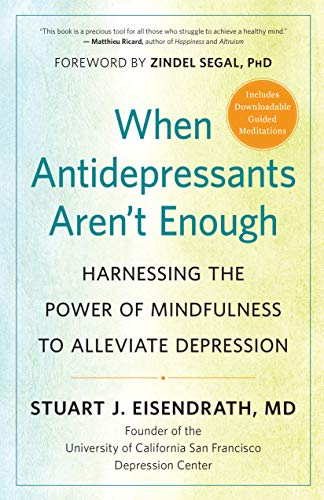
When Antidepressants Aren’t Enough: Harnessing the Power of Mindfulness to Alleviate Depression: Eisendrath MD, Stuart J., Segal PhD, Zindel
His message is realistic and crystal clear, offering new hope to anyone who suffers from this all-too-common condition.” — Christopher Germer, PhD, lecturer on psychiatry at Harvard Medical School, au

Nordic Naturals Ultimate Omega, Lemon Flavor - 90 Soft Gels - 1280 mg Omega-3 - High-Potency Omega-3 Fish Oil Supplement with EPA & DHA - Promotes Brain & Heart Health - Non-GMO - 45 Servings
Buy Nordic Naturals Ultimate Omega, Lemon Flavor - 90 Soft Gels - 1280 mg Omega-3 - High-Potency Omega-3 Fish Oil Supplement with EPA & DHA - Promotes Brain & Heart Health - Non-GMO - 45 Servi

Verilux HappyLight Luxe - Light Therapy Lamp with 10,000 Lux, UV-Free, LED Bright White Light with Adjustable Brightness, Color, Countdown Timer, & Stand - Boost Mood, Sleep, Focus (White)
Verilux HappyLight Lumi Plus - Light Therapy Lamp with 10,000 Lux, <strong>UV-Free, LED Bright White Light with Adjustable Brightness, Countdown Timer, & Detachable Stand - Boost Mood, Sleep, and
Evidence & Sources
Supported by multiple clinical trials and systematic reviews
- U.S. Food and Drug Administration (FDA)
- National Institute for Health and Care Excellence (NICE)
- American Psychiatric Association
- National Institute of Mental Health (NIMH)
- Cochrane Reviews
- The Lancet
- JAMA Psychiatry
- New England Journal of Medicine
- National Center for Complementary and Integrative Health (NCCIH)
- World Health Organization (WHO)
This content is for informational purposes only and does not constitute medical advice. Always consult a qualified healthcare provider before starting, stopping, or changing any supplement or medication regimen.