

Anxiety and SSRIs (Selective Serotonin Reuptake Inhibitors)
Anxiety disorders—including generalized anxiety disorder (GAD), panic disorder, social anxiety disorder (SAD), and obsessive-compulsive disorder (OCD)—are common, impairing conditions. Selective serotonin reuptake inhibitors (SSRIs) are widely used first-line medications for these disorders. SSRIs work by inhibiting the serotonin transporter (SERT), increasing serotonin availability at synapses. Over weeks, this is thought to normalize overactive fear circuitry (amygdala) and strengthen regulatory prefrontal pathways, with downstream effects on 5‑HT1A receptors and neuroplasticity factors like BDNF. Across multiple meta-analyses and guidelines, SSRIs consistently reduce anxiety symptoms versus placebo in GAD, panic disorder, SAD, and OCD. Typical response rates are roughly 50–60%, with remission in about 30–40%. Many people notice initial improvement by 2–4 weeks, with full benefit often taking 6–12 weeks; OCD may require 8–12+ weeks and sometimes higher dosing. Combining SSRIs with cognitive behavioral therapy (CBT) often improves outcomes and helps maintain gains after medication discontinuation. Common SSRI side effects include nausea, headache, insomnia or sleepiness, sweating, tremor, and sexual dysfunction (reduced libido, delayed orgasm). Some people experience early “activation” (jitteriness) that subsides. Less common but important risks include hyponatremia (especially in older adults), increased bleeding risk when combined with NSAIDs/anticoagulants, QT prolongation at higher citalopram/escitalopram doses, and serotonin syndrome when combined with monoamine oxidase inhibitors (MAOIs) or serotonergic herbs such as St. John’s wort. Discontinuation symptoms (dizziness, “electric zaps,” irritability, anxiety) can occur if SSRIs are stopped abruptly, especially with shorter half-life agents. Special populations require individualized decisions: adolescents need close monitoring for mood/behavioral changes; during pregnancy, some SSRIs (e.g., sertraline) are
Updated September 8, 2026This content is for informational purposes only and does not constitute medical advice. Always consult a qualified healthcare provider before starting, stopping, or changing any supplement or medication regimen.
Shared Risk Factors
Serotonin-system genetics (e.g., SLC6A4, HTR1A variants)
Emerging ResearchVariants in serotonin transporter and receptor genes may influence anxiety vulnerability and how individuals respond to or tolerate SSRIs.
Early-life stress/trauma
Moderate EvidenceChildhood adversity elevates lifetime anxiety risk and can blunt antidepressant/SSRI response in some studies.
Sleep disturbance/insomnia
Moderate EvidencePoor sleep can worsen anxiety and complicate SSRI titration due to activation or sedation effects.
Caffeine, nicotine, and substance use
Moderate EvidenceStimulants and substances can heighten arousal/anxiety and interact with SSRI tolerability.
Thyroid dysfunction and medical comorbidity
Moderate EvidenceHyperthyroidism and some systemic illnesses produce anxiety-like symptoms and can affect SSRI response and safety.
Comorbid depression
Strong EvidenceDepression commonly co-occurs with anxiety; it influences baseline severity and medication decisions.
Overlapping Treatments
Cognitive Behavioral Therapy (CBT)
Strong EvidenceRobustly reduces symptoms in GAD, panic, SAD, and OCD; lowers relapse risk.
Combining with SSRIs often yields higher response/remission and supports maintenance and discontinuation planning.
Access and adherence can limit benefit; therapist expertise matters.
Mindfulness-based programs (MBSR/MBCT)
Moderate EvidenceReduces anxiety, worry, and reactivity; improves sleep and stress resilience.
May lessen SSRI-related anxiety/insomnia and aid tapering by improving self-regulation.
Effects can be modest and practice-dependent.
Exercise (aerobic/resistance)
Moderate EvidenceImproves generalized anxiety and panic sensitivity; benefits mood and sleep.
May mitigate SSRI-associated weight changes, fatigue, and sleep issues.
Start gradually; medical clearance may be needed for some individuals.
Buspirone (augmentation)
Moderate EvidenceAnxiolytic benefit in GAD; may help worry and somatic tension.
Can augment partial SSRI response via 5‑HT1A mechanisms.
Dizziness/nausea possible; rare serotonergic interactions—clinical supervision required.
Hydroxyzine (as-needed)
Moderate EvidenceShort-term relief of acute anxiety or insomnia in GAD.
Bridges early SSRI activation period without serotonergic load.
Sedation and anticholinergic effects; caution in older adults.
Beta-blockers (e.g., propranolol for performance anxiety)
Moderate EvidenceReduces autonomic symptoms (tremor, tachycardia) in performance/social situations.
Adjunct to SSRIs for residual performance-related symptoms.
Not for asthma/certain cardiac conditions; monitor blood pressure and glucose in diabetes.
Acupuncture
Emerging ResearchMay reduce generalized anxiety and autonomic arousal in some studies.
Can support relaxation/sleep during SSRI initiation or taper.
Evidence quality variable; select qualified practitioners.
Omega-3 fatty acids (EPA/DHA)
Emerging ResearchModest reduction in anxiety symptoms in some meta-analyses.
Potential anti-inflammatory support; may complement SSRIs but can slightly increase bleeding tendency.
Bleeding risk may rise with SSRIs, especially with NSAIDs/anticoagulants; monitor clinically.
Medical Perspectives
Two Ways of Seeing Health

Western
scientific · clinical
Western medicine applies science, technology, and clinical experience to treat symptoms through testing, diagnosis, and targeted intervention.
Surgeons · Pharmaceuticals · Clinical trials · Diagnostics 
Eastern
traditional · alternative
Eastern medicine focuses on treating the body naturally by applying traditional knowledge practiced for thousands of years, emphasizing balance and whole-person wellness.
Acupuncture · Herbal medicine · Yoga · Meditation
Gold Bamboo presents both perspectives side-by-side so you can make informed decisions. We don't advocate for one over the other — your health choices are yours.
Two Ways of Seeing Health
Western
scientific · clinical
Western medicine applies science, technology, and clinical experience to treat symptoms through testing, diagnosis, and targeted intervention.
Eastern
traditional · alternative
Eastern medicine focuses on treating the body naturally by applying traditional knowledge practiced for thousands of years, emphasizing balance and whole-person wellness.
Gold Bamboo presents both perspectives side-by-side so you can make informed decisions. We don't advocate for one over the other — your health choices are yours.
Western Perspective
Western medicine views SSRIs as first-line pharmacotherapy for several anxiety disorders. By blocking serotonin reuptake, SSRIs gradually recalibrate dysregulated fear and worry circuits. Evidence from randomized trials and meta-analyses supports efficacy across GAD, panic disorder, social anxiety disorder, and OCD, with the strongest guidance favoring a measured trial of 6–12 weeks, continuation after response to prevent relapse, and combined treatment with CBT for many patients.
Key Insights
- SSRIs show clinically meaningful efficacy versus placebo across major anxiety disorders, with response in ~50–60% and remission in ~30–40%.
- Improvement typically begins by weeks 2–4, with full effects over 6–12 weeks; OCD often requires 8–12+ weeks and careful dose optimization.
- Combined CBT+SSRI generally outperforms either alone for panic disorder and social anxiety, and supports maintenance after discontinuation.
- Safety profile is well-characterized: common GI and sexual side effects; rare risks include hyponatremia, QT prolongation (agent-specific), bleeding with NSAIDs/anticoagulants, and serotonin syndrome with MAOIs/serotonergic agents.
- Continuation for 6–12 months after remission (longer for OCD) reduces relapse; discontinuation should be gradual to minimize withdrawal symptoms.
Treatments
- Sertraline, escitalopram, fluoxetine, paroxetine, fluvoxamine, citalopram
- CBT (psychoeducation, exposure-based methods) as core co-treatment
- SNRIs (e.g., venlafaxine, duloxetine) as alternatives or next steps
- Hydroxyzine or beta-blockers for short-term/situational symptoms
- Clomipramine for OCD in selected cases when SSRIs are insufficient
Deep Dive
Anxiety disorders encompass chronic worry and tension (GAD), recurrent unexpected panic attacks (panic disorder), fear and avoidance of social s... Anxiety disorders encompass chronic worry and tension (GAD), recurrent unexpected panic attacks (panic disorder), fear and avoidance of social situations (SAD), and intrusive thoughts with repetitive behaviors (OCD). Across these conditions, dysregulated serotonergic signaling and hyper-reactive threat circuits contribute to persistent anxiety. SSRIs target this biology by blocking the serotonin transporter, increasing synaptic serotonin. With continued dosing, downstream adaptations—desensitization of somatodendritic 5‑HT1A autoreceptors, enhanced prefrontal regulation of the amygdala, and neuroplasticity changes—emerge over weeks. Clinically, this aligns with gradual symptom relief rather than immediate sedation. Large randomized trials and meta-analyses support SSRIs as first-line options for GAD, panic disorder, SAD, and OCD. Expected response rates average near 50–60%, with remission in roughly one-third of patients. Most individuals begin to feel some benefit by weeks 2–4, though full effects typically require 6–12 weeks; OCD may need 8–12+ weeks and careful dose optimization. Combining pharmacotherapy with CBT—particularly exposure-based approaches—often improves outcomes for panic and social anxiety and can reduce relapse after medication discontinuation. Treatment planning commonly includes continuation for 6–12 months after remission (longer for OCD) to consolidate gains. Safety is generally favorable. Common adverse effects include GI upset, sleep changes, sweating, tremor, and sexual dysfunction. Transient early activation can increase jitteriness, especially in panic disorder, and can be mitigated by slower titration and psychosocial support. Serious but less frequent risks include hyponatremia (notably in older adults), QT prolongation with citalopram/escitalopram at higher doses, and increased bleeding risk when combined with NSAIDs or anticoagulants. Pharmacodynamic interactions can precipitate serotonin syndrome if SSRIs are combined with MAOIs, linezolid, or serotonergic supplements (e.g., St. John’s wort). Abrupt discontinuation may cause withdrawal symptoms; gradual tapers reduce this risk. Special populations require tailored risk–benefit discussions: adolescents need close monitoring for mood/behavioral changes; during pregnancy, certain SSRIs (e.g., sertraline) are often preferred with attention to neonatal adaptation symptoms. Measurement-based care (e.g., GAD-7, PDSS, LSAS, Y-BOCS), psychotherapy integration, and lifestyle supports (sleep, exercise, stress management) enhance outcomes and help align expectations during initiation and discontinuation.
Sources
- Bandelow B et al. World J Biol Psychiatry. 2022;23(6):556-620.
- NICE Guideline CG113. Generalised anxiety and panic disorder in adults. Updated 2020.
- Mayo-Wilson E et al. BMJ. 2014;348:g2744.
- Bandelow B et al. Int Clin Psychopharmacol. 2015;30(4):183-192.
- Soomro GM et al. Cochrane Database Syst Rev. 2008;(1):CD004826.
Eastern Perspective
Traditional systems frame anxiety as an imbalance in vital energies and mind–body harmony. Traditional Chinese Medicine (TCM) often interprets anxiety as disturbance of the Shen (mind/spirit) involving Heart, Liver, and Spleen patterns; Ayurveda frequently attributes anxiety to aggravated Vata. Interventions aim to restore balance through herbs, acupuncture, breath, movement, and contemplative practices, which may complement SSRIs by reducing arousal, improving sleep, and supporting resilience.
Key Insights
- Acupuncture and acupressure are used to calm the Shen and modulate autonomic tone; emerging research suggests symptom reductions for generalized anxiety.
- Ayurvedic and naturopathic approaches emphasize nervous-system nourishment (e.g., ashwagandha) and lifestyle routines (sleep, diet, breathwork) to stabilize Vata/qi.
- Lavender essential oil (oral standardized extract) has RCT evidence for GAD-like symptoms and may be used alongside SSRIs with monitoring for sedation.
- Mind–body practices (yoga, tai chi, qi gong, meditation) reduce physiological arousal and worry, complementing pharmacotherapy.
- Herbs with serotonergic properties (e.g., St. John’s wort, 5‑HTP) should generally not be combined with SSRIs due to serotonin syndrome risk.
Treatments
- Acupuncture and auricular acupuncture
- Yoga, meditation, breathwork (pranayama), tai chi/qi gong
- Ashwagandha (Withania somnifera) under professional guidance
- Lavender oil extract (e.g., Silexan) for anxiety symptoms
- Dietary and sleep-ritual optimization to calm Vata/soothe Shen
Deep Dive
Traditional and integrative frameworks approach anxiety as a mind–body dysregulation that benefits from restoring balance and cultivating resili... Traditional and integrative frameworks approach anxiety as a mind–body dysregulation that benefits from restoring balance and cultivating resilience. In Traditional Chinese Medicine (TCM), anxiety is often seen as disturbance of the Shen with patterns such as Heart and Spleen deficiency or Liver qi stagnation; treatment aims to calm the spirit, harmonize qi, and address contributing factors like phlegm-heat or blood deficiency. Acupuncture and acupressure protocols (e.g., points such as HT7, PC6, Yintang) are used to downshift sympathetic arousal and improve sleep. Clinical studies suggest potential reductions in generalized anxiety and somatic tension, although heterogeneity calls for cautious interpretation. Ayurveda frequently attributes anxiety to aggravated Vata—marked by restlessness, fearfulness, and light, mobile qualities—exacerbated by irregular routines, stimulants, or insufficient nourishment. Interventions emphasize daily rhythms (dinacharya), grounding foods, warm oils, and nervous-system–supportive botanicals. Ashwagandha (Withania somnifera), an adaptogen, has randomized trial evidence for reducing stress and anxiety scores, potentially complementing conventional care by improving sleep and stress tolerance. Naturopathic and European herbal traditions often employ standardized lavender oil extracts, which have demonstrated anxiolytic effects in clinical trials with a generally favorable tolerability profile. Mind–body practices bridge traditions and biomedicine. Yoga, meditation, breathwork (pranayama), tai chi, and qi gong reduce autonomic arousal and increase heart-rate variability, supporting the same emotion-regulation circuits that pharmacotherapy seeks to normalize. In practice, these modalities can be layered with SSRIs to ease early activation, improve sleep, and provide tools for tapering and relapse prevention. Safety remains central in integrative care. Herbs or supplements with serotonergic activity—such as St. John’s wort, 5‑HTP, or tryptophan—can interact with SSRIs and increase serotonin syndrome risk. Kava may sedate but brings hepatotoxicity concerns. Collaboration among conventional and traditional practitioners helps personalize plans, align expectations for gradual improvement, and monitor for side effects. In this integrative view, SSRIs may stabilize the biological substrate while traditional therapies address lifestyle, energy balance, and embodied coping—together building durable recovery.
Sources
- Errington-Evans N. CNS Neurosci Ther. 2012;18(4):277-284.
- Ng QX et al. Medicine (Baltimore). 2020;99(40):e21231.
- Kasper S et al. Int J Neuropsychopharmacol. 2014;17(6):859-869.
- Khoury B et al. J Consult Clin Psychol. 2013;81(2):219-229.
- WHO Regional Office for the Western Pacific. WHO Standard Acupuncture Point Locations. 2008.
Evidence Ratings
SSRIs are effective first-line treatments for GAD, panic disorder, social anxiety disorder, and OCD.
Bandelow B et al. World J Biol Psychiatry. 2022;23(6):556-620.
Initial symptom improvement with SSRIs commonly appears by 2–4 weeks, with full effects by 6–12 weeks (OCD often longer).
NICE CG113 (GAD and panic) 2020; Soomro GM et al. Cochrane 2008 (OCD).
Combining CBT with SSRIs improves outcomes over either alone in panic disorder and social anxiety.
Mayo-Wilson E et al. BMJ. 2014;348:g2744; Furukawa TA et al. JAMA Psychiatry. 2014;71(7):711-720.
Sexual dysfunction is a common SSRI adverse effect affecting a substantial proportion of users.
Serretti A, Chiesa A. J Clin Psychopharmacol. 2009;29(3):259-266.
SSRI discontinuation can cause a withdrawal syndrome, especially with short half-life agents, if stopped abruptly.
Fava GA et al. Psychother Psychosom. 2015;84(2):72-81.
SSRIs increase upper GI bleeding risk, particularly when combined with NSAIDs or anticoagulants.
Anglin R et al. Am J Gastroenterol. 2014;109(6):811-819.
Older adults are at higher risk of SSRI-associated hyponatremia (SIADH).
Jacob S, Spinler SA. Ann Pharmacother. 2006;40(9):1618-1622.
Late-pregnancy SSRI exposure is associated with a small increased risk of neonatal adaptation symptoms and possibly PPHN, though absolute risks are low.
Grigoriadis S et al. BMJ. 2014;348:f6932; Huybrechts KF et al. N Engl J Med. 2014;371:2397-2407.
Sources
- Bandelow B, Sher L, Bunevicius R, et al. WFSBP guidelines for the pharmacological treatment of anxiety, OCD and PTSD (update). World J Biol Psychiatry. 2022;23(6):556-620.
- NICE Guideline CG113. Generalised anxiety disorder and panic disorder in adults: management. 2011 (updated 2020).
- Mayo-Wilson E, Dias S, et al. Psychological and pharmacological interventions for social anxiety disorder: a network meta-analysis. BMJ. 2014;348:g2744.
- Bandelow B, Reitt M, et al. Efficacy of treatments for anxiety disorders: meta-analysis. Int Clin Psychopharmacol. 2015;30(4):183-192.
- Soomro GM, Altman D, et al. SSRIs versus placebo for OCD. Cochrane Database Syst Rev. 2008;(1):CD004826.
- Furukawa TA, Watanabe N, et al. Combination therapy vs monotherapy for panic disorder. JAMA Psychiatry. 2014;71(7):711-720.
- Serretti A, Chiesa A. Sexual side effects of antidepressants. J Clin Psychopharmacol. 2009;29(3):259-266.
- Fava GA, Gatti A, et al. Withdrawal symptoms after antidepressants. Psychother Psychosom. 2015;84(2):72-81.
- Anglin R, Yuan Y, et al. Risks of upper GI bleeding with SSRIs. Am J Gastroenterol. 2014;109(6):811-819.
- FDA Drug Safety Communication: Abnormal heart rhythms with high doses of citalopram. 2011/2012.
- Jacob S, Spinler SA. Hyponatremia associated with SSRIs. Ann Pharmacother. 2006;40(9):1618-1622.
- Boyer EW, Shannon M. The serotonin syndrome. N Engl J Med. 2005;352(11):1112-1120.
- Huybrechts KF, Palmsten K, et al. Antidepressant use in pregnancy and risk of cardiac defects. N Engl J Med. 2014;371:2397-2407.
- Grigoriadis S, VonderPorten EH, et al. Antidepressants in pregnancy and PPHN risk. BMJ. 2014;348:f6932.
- Izzo AA, Ernst E. Interactions between herbal medicines and prescribed drugs. Drugs. 2009;69(13):1777-1798.
- Khoury B, Lecomte T, et al. Mindfulness-based therapy for anxiety and depression: meta-analysis. J Consult Clin Psychol. 2013;81(2):219-229.
- Kasper S, Gastpar M, et al. Lavender oil preparation Silexan is effective for anxiety. Int J Neuropsychopharmacol. 2014;17(6):859-869.
- Ng QX, Loke W, et al. A systematic review of ashwagandha for anxiety and stress. Medicine (Baltimore). 2020;99(40):e21231.
- Su K-P et al. Omega-3 polyunsaturated fatty acids and anxiety. JAMA Netw Open. 2018;1(5):e182327.
- Roy-Byrne P, Craske MG, et al. Collaborative care for anxiety (CALM). JAMA. 2010;303(19):1921-1928.
Related Topics
Recommended Products

The Anxiety and Worry Workbook: The Cognitive Behavioral Solution
Aaron T. Beck ... David A. Clark ... This book has been replaced by The Anxiety and Worry Workbook, Second Edition, ISBN 978-1-4625-4616-9. ... Books with Buzz Discover the latest buzz-worthy books, f
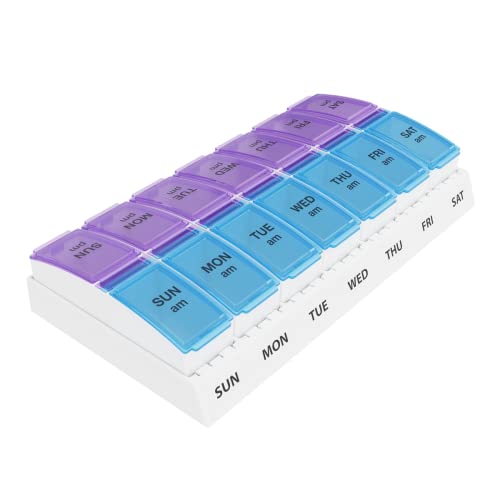
Ezy Dose Weekly (7-Day) AM/PM Pill Organizer, Vitamin and Medicine Box, Small Pop-out Compartments, 2 Times a Day, Blue and Purple Lids
The main features of the 7-Day ... any missed doses Large Compartments - <strong>Each compartment can fit 30 aspirin tablets and has plenty of room for all of your daily medications</strong>....

Jarrow Formulas Extra Strength L Theanine 200mg Dietary Supplement That Promotes Relaxation, Supplement for Relaxation Support, 60 Veggie Capsules, 60 Day Supply : Everything Else
Jarrow Formulas® Regular Strength Theanine 100 mg, Dietary Supplement, 60 Capsules, 60 Day Supply · Life Extension L-Theanine, Amino Acid theanine, Calm, Relaxation, Mood, Gluten-Free, Non-GMO, Vegeta
Health Disclaimer
This content is for informational purposes only and does not constitute medical advice. Always consult a qualified healthcare provider before starting, stopping, or changing any supplement or medication regimen.