

SSRIs and NSAIDs
Selective serotonin reuptake inhibitors (SSRIs) and nonsteroidal anti-inflammatory drugs (NSAIDs) are widely used—SSRIs for depression and anxiety, NSAIDs for pain and inflammation. Understanding how they interact matters because each affects hemostasis (the body’s ability to prevent and stop bleeding) through different mechanisms that can add up. SSRIs block the serotonin transporter on platelets, depleting intraplatelet serotonin that is normally released to help platelets aggregate at sites of vascular injury. NSAIDs, meanwhile, can injure the gastric and duodenal mucosa and, for nonselective agents like ibuprofen and naproxen, inhibit cyclooxygenase-1 (COX-1) in platelets, reducing thromboxane A2 and impairing platelet aggregation. When combined, impaired primary hemostasis from SSRIs and mucosal vulnerability/platelet inhibition from NSAIDs raise bleeding risk, especially in the upper gastrointestinal (GI) tract, but also—though far less commonly—in the brain. Clinical research consistently finds higher rates of upper GI bleeding with SSRI–NSAID co‑use than with either drug alone. Meta‑analyses and large observational studies report roughly two- to fourfold higher relative risk for upper GI bleeding with the combination, with the highest absolute risks in older adults, those with prior ulcer or bleed, chronic or high‑dose NSAID users, people with Helicobacter pylori infection, and those also taking anticoagulants or antiplatelet agents. A small increase in intracranial hemorrhage has been reported in association with SSRIs, and risk may be incrementally higher with concurrent NSAIDs, though the absolute risk remains low. Evidence that NSAIDs blunt antidepressant efficacy is mixed: preclinical work and some observational human data suggest attenuation, while other studies find no meaningful impact. Risk‑management strategies used in clinical practice include: using the lowest effective NSAID dose for the shortest time; considering safer analgesic alternatives,
Updated September 8, 2026This content is for informational purposes only and does not constitute medical advice. Always consult a qualified healthcare provider before starting, stopping, or changing any supplement or medication regimen.
Shared Risk Factors
Age ≥65 years
Strong EvidenceAdvancing age increases baseline risk of NSAID‑related peptic ulcer and bleeding and may magnify SSRI‑related platelet dysfunction, raising absolute bleeding risk with the combination.
History of peptic ulcer disease or prior GI bleed
Strong EvidencePre‑existing ulcer disease markedly increases the chance that NSAID‑related mucosal injury will bleed; SSRI‑related platelet effects can exacerbate bleeding severity.
Concurrent anticoagulants or antiplatelet agents (e.g., warfarin, DOACs, aspirin, clopidogrel)
Strong EvidenceMultiple hits to hemostasis (platelet dysfunction from SSRIs, NSAID effects, and systemic anticoagulation/antiplatelets) synergistically increase bleeding risk.
Chronic or high‑dose NSAID use; nonselective NSAIDs
Strong EvidenceDuration and dose correlate with GI toxicity; nonselective NSAIDs (e.g., ibuprofen, naproxen) have greater platelet and gastric effects than COX‑2–selective agents.
Helicobacter pylori infection
Moderate EvidenceH. pylori independently increases peptic ulcer risk and, when combined with NSAIDs (and SSRI‑related platelet effects), raises the likelihood of clinically significant bleeding.
Alcohol misuse or liver disease
Moderate EvidenceAlcohol and liver dysfunction impair coagulation and damage gastric mucosa, increasing bleeding risk when SSRIs and NSAIDs are used together.
Medical Perspectives
Two Ways of Seeing Health

Western
scientific · clinical
Western medicine applies science, technology, and clinical experience to treat symptoms through testing, diagnosis, and targeted intervention.
Surgeons · Pharmaceuticals · Clinical trials · Diagnostics 
Eastern
traditional · alternative
Eastern medicine focuses on treating the body naturally by applying traditional knowledge practiced for thousands of years, emphasizing balance and whole-person wellness.
Acupuncture · Herbal medicine · Yoga · Meditation
Gold Bamboo presents both perspectives side-by-side so you can make informed decisions. We don't advocate for one over the other — your health choices are yours.
Two Ways of Seeing Health
Western
scientific · clinical
Western medicine applies science, technology, and clinical experience to treat symptoms through testing, diagnosis, and targeted intervention.
Eastern
traditional · alternative
Eastern medicine focuses on treating the body naturally by applying traditional knowledge practiced for thousands of years, emphasizing balance and whole-person wellness.
Gold Bamboo presents both perspectives side-by-side so you can make informed decisions. We don't advocate for one over the other — your health choices are yours.
Western Perspective
Western medicine views SSRI–NSAID co‑use primarily through pharmacodynamic interaction: impaired platelet aggregation from SSRIs plus NSAID‑related gastric injury and platelet inhibition increase bleeding risk, especially upper GI bleeding. Risk is modified by age, ulcer history, H. pylori, dose/duration, and concomitant antithrombotics. Labels for SSRIs warn about bleeding with NSAIDs/aspirin/anticoagulants. Risk‑reduction strategies include gastroprotection, alternative analgesics, and careful monitoring.
Key Insights
- Combination therapy raises upper GI bleeding risk about 2–4× versus either alone; absolute risk depends on patient factors.
- SSRI exposure is linked to small increases in intracranial hemorrhage; absolute excess risk is low but may be higher with additional antithrombotics.
- Proton pump inhibitor (PPI) co‑therapy reduces NSAID‑associated upper GI complications and is often used when risk factors are present.
- COX‑2–selective NSAIDs (e.g., celecoxib) have lower GI bleeding risk than nonselective NSAIDs; pairing with a PPI further reduces GI events in high‑risk patients.
- Evidence that NSAIDs reduce antidepressant efficacy is mixed; preclinical and some observational data suggest attenuation, but clinical significance is uncertain.
Treatments
- Prefer non‑NSAID analgesics (e.g., acetaminophen) when appropriate; use lowest effective NSAID dose for shortest duration if needed.
- Consider COX‑2–selective NSAIDs with PPI co‑therapy for patients at high GI risk who require NSAIDs.
- Assess and address H. pylori in patients with ulcer history or high GI risk; provide gastroprotection when indicated.
- Review and minimize concurrent antithrombotics where clinically feasible; coordinate perioperative planning.
- Educate patients to recognize bleeding signs (melena, hematemesis, easy bruising, severe headache/neurologic deficits) and seek urgent care if they occur.
Deep Dive
From a western clinical viewpoint, the SSRI–NSAID relationship is a classic pharmacodynamic interaction centered on hemostasis. SSRIs down‑regul... From a western clinical viewpoint, the SSRI–NSAID relationship is a classic pharmacodynamic interaction centered on hemostasis. SSRIs down‑regulate the serotonin transporter on platelets, limiting the uptake and storage of serotonin that is normally secreted to amplify platelet aggregation at an injury site. Nonselective NSAIDs, commonly used for pain, simultaneously inhibit cyclooxygenase‑1 in platelets and injure gastric and duodenal mucosa. The former blunts thromboxane‑mediated platelet activation; the latter creates a substrate (erosions/ulcers) that can bleed. When both drug classes are used together, the probability that an erosive lesion will progress to clinically significant bleeding increases. Observational studies and meta‑analyses show that the combination roughly doubles to quadruples the relative risk of upper gastrointestinal bleeding compared with either agent alone, with the greatest absolute risks in older adults, people with a history of peptic ulcer disease or prior GI bleeding, those using high NSAID doses for prolonged periods, and patients taking additional antithrombotic therapy. A small association between SSRIs and intracranial hemorrhage has been reported; while the absolute event rate is low, clinicians consider additive risk when NSAIDs or other antithrombotics are present. Evidence that NSAIDs impair antidepressant efficacy is inconsistent: preclinical models and a reanalysis of clinical data suggest attenuation of SSRI response, whereas other clinical datasets have not confirmed a clinically meaningful effect. Clinical management focuses on risk stratification and mitigation. For analgesia, acetaminophen is often preferred when appropriate. If an NSAID is required, the lowest effective dose for the shortest duration is used; COX‑2–selective agents (e.g., celecoxib) have a more favorable GI profile, and proton pump inhibitor co‑therapy is considered in patients with GI risk factors. Testing and treating Helicobacter pylori may be appropriate in those with ulcer history. Medication reviews look for potentially avoidable combinations with anticoagulants or antiplatelet drugs, and perioperative teams plan around bleeding risk. Patients are counseled on warning signs—black tarry stools, vomiting blood or coffee‑ground material, unusual bruising or nosebleeds, lightheadedness, and severe sudden headaches or neurologic deficits—and advised to seek urgent care if these occur. Labels for SSRIs specifically warn about bleeding risks when combined with NSAIDs, aspirin, or anticoagulants, supporting this cautious approach.
Sources
- Anglin R et al. Selective serotonin reuptake inhibitors and risk of upper gastrointestinal bleeding. Clin Gastroenterol Hepatol. 2014.
- Jiang H‑Y et al. SSRIs and upper gastrointestinal bleeding: meta‑analysis. BMJ Open. 2015;5:e006686.
- de Abajo FJ et al. Association between SSRIs and upper GI bleeding; mitigation by acid‑suppressants. BMJ/Aliment Pharmacol Ther. 1999/2008.
- Hackam DG, Mrkobrada M. SSRIs and brain hemorrhage: meta‑analysis. Neurology. 2012;79:1862‑65.
- Lanza FL, Chan FKL, Quigley EMM. ACG guideline: prevention of NSAID‑related ulcer complications. Am J Gastroenterol. 2009.
- Nissen SE et al. PRECISION trial: celecoxib vs naproxen/ibuprofen safety (GI outcomes). N Engl J Med. 2016.
- FDA antidepressant (e.g., sertraline) labeling: bleeding risk with NSAIDs/aspirin/anticoagulants.
Eastern Perspective
Traditional and integrative medicine focus on minimizing harm by reducing polypharmacy and using non‑pharmacologic pain strategies when feasible. In Traditional Chinese Medicine (TCM) and Ayurveda, patterns involving blood and heat can predispose to bleeding; combining agents that "move the blood" or thin blood with pharmaceutical agents that impair clotting is approached cautiously. Integrative care emphasizes mind–body therapies and physical modalities to reduce NSAID need, alongside awareness that some botanicals and nutraceuticals (e.g., ginkgo, high‑dose fish oil, garlic, turmeric) may also affect bleeding.
Key Insights
- Non‑pharmacologic pain management (acupuncture, tai chi, yoga, mindfulness, heat/manual therapy) may reduce NSAID exposure in chronic pain conditions.
- Some botanicals with anti‑inflammatory or analgesic reputation also have antiplatelet effects; combining them with SSRIs/NSAIDs may further increase bleeding risk.
- Integrative approaches for depression (mindfulness‑based therapies, exercise, acupuncture in some contexts) can complement SSRIs without adding bleeding risk.
- Holistic assessment (sleep, stress, diet, alcohol) may indirectly reduce pain and GI risk.
- Coordination between conventional prescribers and traditional practitioners helps identify and mitigate herb–drug interactions.
Treatments
- Acupuncture for chronic musculoskeletal pain to reduce NSAID requirements; evidence suggests modest benefit.
- Mindfulness‑based stress reduction and gentle movement (tai chi/yoga) for pain and mood support.
- Dietary strategies emphasizing anti‑inflammatory patterns (e.g., Mediterranean‑style) to help pain; avoid excess alcohol to reduce GI risk.
- Herbal caution: avoid or carefully evaluate concurrent use of bleeding‑risk botanicals (e.g., ginkgo, high‑dose fish oil/omega‑3, garlic, ginger, turmeric/curcumin) with SSRIs/NSAIDs.
- Patient education on recognizing bleeding and coordinating care across practitioners.
Deep Dive
Traditional and integrative perspectives approach the SSRI–NSAID combination by reducing cumulative bleeding risk and emphasizing non‑pharmacolo... Traditional and integrative perspectives approach the SSRI–NSAID combination by reducing cumulative bleeding risk and emphasizing non‑pharmacologic strategies to control pain and support mood. In Traditional Chinese Medicine, patterns of heat and blood stasis can predispose to bleeding; practitioners avoid simultaneously using multiple agents—herbal or pharmaceutical—that may disrupt normal blood movement and clotting. Ayurveda similarly recognizes that excess pitta (heat) and rakta (blood) aggravation can manifest as bleeding and gastric irritation. Within these frameworks, therapy often prioritizes gentle modalities that ease pain without adding hemostatic stress while supporting digestive integrity. Acupuncture, tai chi, yoga, and mindfulness‑based stress reduction have evidence for modest improvements in chronic musculoskeletal pain and function. Incorporating such therapies may reduce reliance on NSAIDs, indirectly lowering GI bleeding risk when SSRIs are necessary for mood disorders. For depressive symptoms, mindfulness, exercise, and, in some contexts, acupuncture may complement SSRIs without adding antiplatelet effects. Integrative practitioners also pay close attention to botanicals and nutraceuticals. Several commonly used supplements—ginkgo, high‑dose fish oil (omega‑3), garlic, ginger, and turmeric/curcumin—have antiplatelet properties; when layered on top of SSRIs and NSAIDs, they may incrementally raise bleeding propensity. Consequently, careful history‑taking, interprofessional communication, and shared decision‑making are emphasized. Dietary patterns that reduce gastric irritation and systemic inflammation—such as Mediterranean‑style eating, moderating alcohol, and avoiding tobacco—fit both traditional and biomedical goals: they may improve pain and cardiovascular health while lowering mucosal injury risk. Education is central: patients are taught to recognize bleeding signs and to promptly report them. In integrative care settings, coordination between prescribers and traditional practitioners ensures that all agents, including herbs and over‑the‑counter products, are reconciled. The overarching aim is to achieve symptom control with the least cumulative bleeding risk, respecting both the benefits of SSRIs for mental health and the utility of NSAIDs for pain, while leveraging non‑drug modalities to keep the combination as safe as possible.
Sources
- Vickers AJ et al. Acupuncture for chronic pain: individual patient data meta‑analysis. Arch Intern Med/J Pain. 2012–2018.
- AHRQ. Noninvasive Nonpharmacological Treatments for Chronic Pain. 2018/2020 updates.
- NCCIH. Complementary approaches for chronic pain and for depression: evidence summaries.
- Case reports/reviews of herb–drug bleeding interactions (e.g., ginkgo, garlic).
Evidence Ratings
Combining an SSRI with an NSAID increases the relative risk of upper GI bleeding by about 2–4× compared with either alone.
Anglin R et al., Clin Gastroenterol Hepatol. 2014; Jiang H‑Y et al., BMJ Open. 2015; de Abajo FJ et al., BMJ/Aliment Pharmacol Ther.
Proton pump inhibitor co‑therapy reduces NSAID‑associated upper GI complications and mitigates bleeding risk in patients also taking SSRIs.
Lanza FL et al., Am J Gastroenterol. 2009; Anglin R et al., 2014 (subgroup analyses).
SSRIs impair platelet aggregation by depleting intraplatelet serotonin, increasing bleeding tendency, particularly when combined with other hemostasis‑affecting agents.
Halperin D, Reber G. Influence of antidepressants on hemostasis. CNS Drugs. 2007/2008 (review). FDA SSRI labels.
SSRI exposure is associated with a small increase in intracranial hemorrhage; absolute risk is low but may be higher with concomitant antithrombotics and NSAIDs.
Hackam DG, Mrkobrada M., Neurology. 2012 (meta‑analysis).
COX‑2–selective NSAIDs (e.g., celecoxib) cause fewer upper GI events than nonselective NSAIDs; adding a PPI further lowers GI risk in high‑risk users.
Nissen SE et al., PRECISION, N Engl J Med. 2016; multiple GI safety reviews.
NSAID use may attenuate clinical response to SSRIs, though evidence in humans is mixed and not definitive.
Warner‑Schmidt JL et al., PNAS. 2011 (preclinical + STAR*D analysis); subsequent observational studies with mixed results.
Sources
- Anglin R, Yuan Y, et al. Selective serotonin reuptake inhibitors and risk of upper gastrointestinal bleeding: a systematic review and meta-analysis. Clin Gastroenterol Hepatol. 2014. doi:10.1016/j.cgh.2013.11.034
- Jiang H‑Y, et al. Use of SSRIs and risk of upper gastrointestinal bleeding: a meta-analysis. BMJ Open. 2015;5:e006686. doi:10.1136/bmjopen-2014-006686
- de Abajo FJ, et al. Association between selective serotonin reuptake inhibitors and upper gastrointestinal bleeding: population-based case-control studies; mitigation by acid-suppressing agents. BMJ. 1999; Aliment Pharmacol Ther. 2008.
- Hackam DG, Mrkobrada M. Selective serotonin reuptake inhibitors and brain hemorrhage: a meta-analysis. Neurology. 2012;79:1862-1865.
- Lanza FL, Chan FKL, Quigley EMM. Guidelines for prevention of NSAID-related ulcer complications. Am J Gastroenterol. 2009;104:728-738.
- Nissen SE, et al. Cardiovascular safety of celecoxib, naproxen, or ibuprofen for arthritis (PRECISION). N Engl J Med. 2016;375:2519-2529.
- Auerbach AD, et al. Perioperative use of SSRIs and risks for adverse outcomes. JAMA Intern Med. 2013;173(12):1075-1081.
- Halperin D, Reber G. Influence of antidepressants on hemostasis. CNS Drugs. 2007/2008 (review).
- Warner‑Schmidt JL, et al. Antidepressant actions of SSRIs are counteracted by anti-inflammatory drugs. Proc Natl Acad Sci USA. 2011;108(22):9262-9267.
- FDA. Sertraline (and class SSRIs) Prescribing Information—Section: Abnormal Bleeding with SSRIs and SNRIs. accessdata.fda.gov
- MedlinePlus. SSRIs (Selective Serotonin Reuptake Inhibitors). https://medlineplus.gov/ssriantidepressants.html
- MedlinePlus. Nonsteroidal anti-inflammatory drugs. https://medlineplus.gov/nsaids.html
- American College of Gastroenterology. Patient resources: Peptic Ulcer Disease and Upper GI Bleeding. https://gi.org/
Related Topics
Topics
- Depression
- Anxiety Disorders
- Upper GI Bleeding
- Peptic Ulcer Disease
Recommended Products
Stockley's Drug Interactions: A Source Book of Interactions, Their Mechanisms, Clinical Importance and Management
Based upon thousands of published papers and reports it:* <strong>Covers interactions between therapeutic drugs, proprietary medicines, herbal medicines, foods, drinks, and drugs of abuse</strong> * C
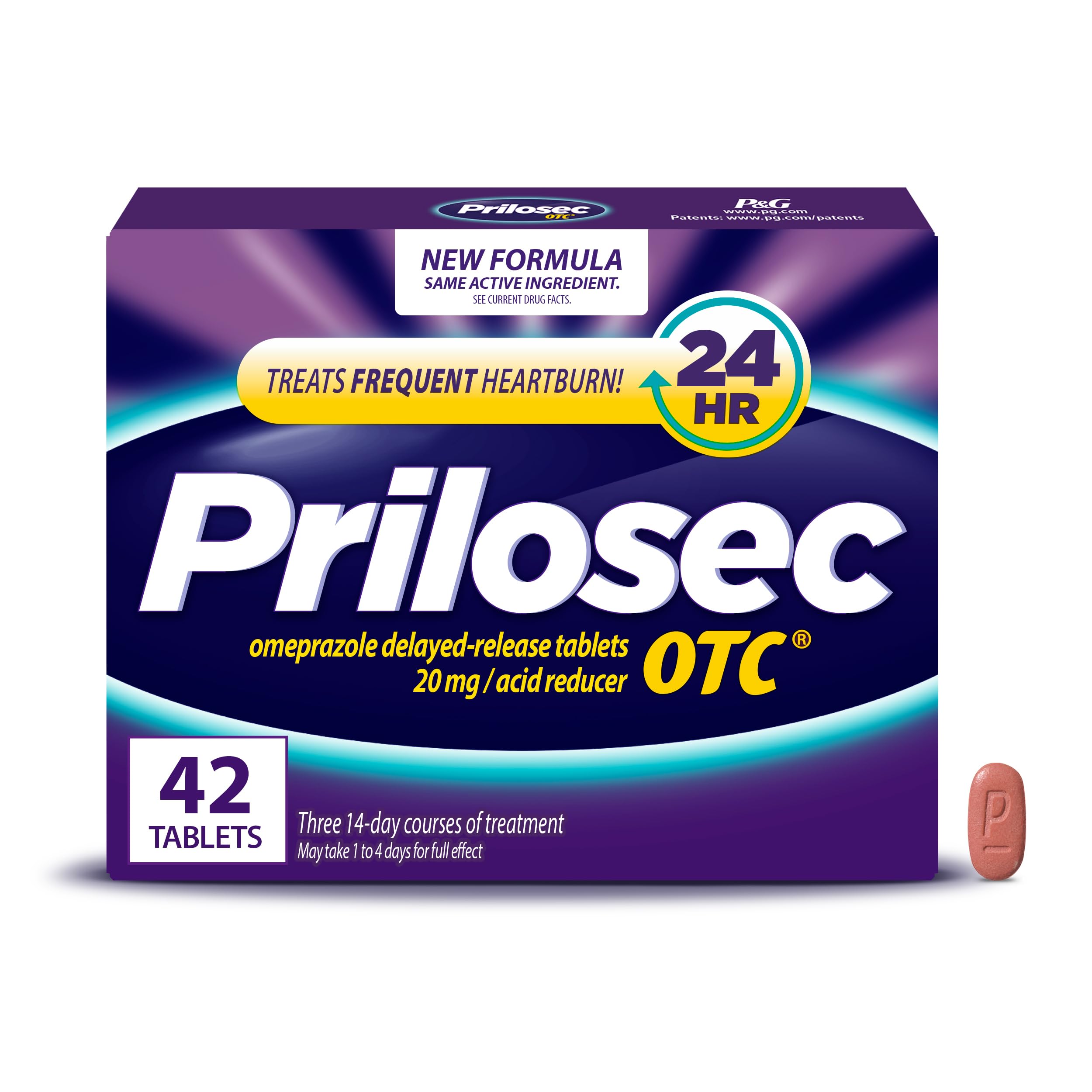
Prilosec OTC, Omeprazole 20mg, Heartburn Medicine, Acid Reflux Medicine, 24 Hour Relief, 42 Tablets
Amazon Basic Care Omeprazole Delayed ... OTC, Omeprazole Delayed Release 20mg, Acid Reducer, <strong>Treats Frequent Heartburn for 24 Hour Relief, All Day, All Night*, Heartburn</strong> ......
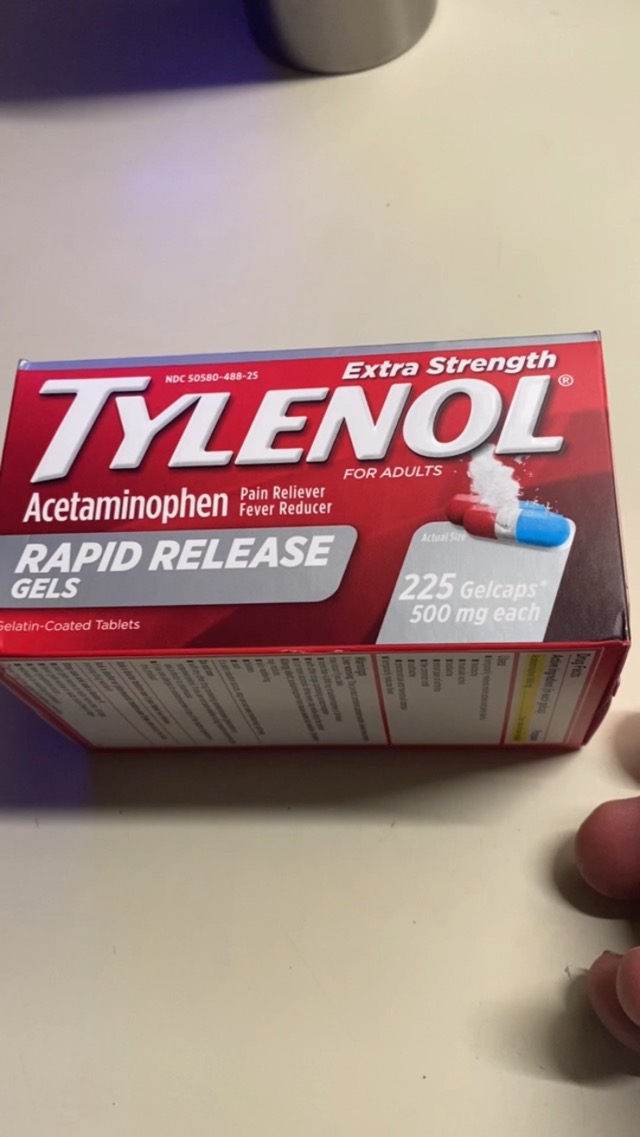
Tylenol Extra Strength Pain Relief Pills, Fast, Strong Pain Relief, Acetaminophen 500 mg Caplets, Pain Reliever & Fever Reducer Medicine for Headache, Backache, Toothache & Minor Arthritis, 100 Count
Tylenol Extra Strength Caplets with 500 mg acetaminophen are <strong>over-the-counter pain relief pills and a fever reducer formulated to provide effective, temporary relief of minor aches and pains</
Health Disclaimer
This content is for informational purposes only and does not constitute medical advice. Always consult a qualified healthcare provider before starting, stopping, or changing any supplement or medication regimen.