

Non-Steroidal Anti-Inflammatory Drugs
Also known as: NSAIDs
Overview
NSAIDs (nonsteroidal anti-inflammatory drugs) are a widely used class of medications that reduce pain, inflammation, and fever. Common examples include ibuprofen, naproxen, diclofenac, indomethacin, celecoxib, and aspirin (though aspirin has some distinct properties and uses). These medicines are central to modern symptom management for conditions such as arthritis, musculoskeletal injuries, menstrual pain, headaches, postoperative pain, and inflammatory disorders. Because they are available in both over-the-counter and prescription forms, NSAIDs are among the most frequently used medications worldwide.
Their main mechanism involves blocking cyclooxygenase (COX) enzymes, which are involved in producing prostaglandins—chemical mediators that contribute to pain, swelling, fever, and protective functions in the stomach, kidneys, and blood vessels. This dual role explains both their usefulness and their risks. While NSAIDs can be highly effective for short-term symptom relief, they are also associated with important safety considerations involving the gastrointestinal tract, cardiovascular system, kidneys, and bleeding risk. The balance between benefit and harm varies depending on the specific NSAID, dose, duration, age of the patient, and underlying health conditions.
From a public health perspective, NSAIDs are significant because they sit at the intersection of self-care, chronic pain management, sports medicine, rheumatology, and cardiovascular medicine. Research has shown that even commonly used medications in this class may have meaningful adverse effects when used frequently or in higher doses, especially in older adults or in those with ulcers, kidney disease, hypertension, heart failure, or concurrent use of anticoagulants. For this reason, clinical use is often individualized, and questions about long-term or repeated use are generally best reviewed with a qualified healthcare professional.
In integrative health discussions, NSAIDs are also notable because they are often used alongside or compared with non-pharmacologic and traditional symptom-management approaches, including topical therapies, physical medicine, acupuncture, herbal traditions, and dietary strategies. A balanced understanding of NSAIDs includes both their established role in conventional care and the ways other healing systems frame pain and inflammation as broader functional imbalances rather than isolated biochemical processes.
Medical Perspectives
Two Ways of Seeing Health

Western
scientific · clinical
Western medicine applies science, technology, and clinical experience to treat symptoms through testing, diagnosis, and targeted intervention.

Eastern
traditional · alternative
Eastern medicine focuses on treating the body naturally by applying traditional knowledge practiced for thousands of years, emphasizing balance and whole-person wellness.
Gold Bamboo presents both perspectives side-by-side so you can make informed decisions. We don't advocate for one over the other — your health choices are yours.
Western Medicine Perspective
Western / Conventional Medicine Perspective
In conventional medicine, NSAIDs are understood primarily as anti-inflammatory analgesics. Most work by inhibiting COX-1 and/or COX-2 enzymes, thereby reducing prostaglandin synthesis. Nonselective NSAIDs such as ibuprofen and naproxen affect both COX-1 and COX-2, while COX-2 selective agents such as celecoxib were developed to reduce gastrointestinal toxicity associated with COX-1 inhibition. Aspirin is often discussed separately because, in addition to pain and inflammation uses, it irreversibly affects platelets and has a distinctive role in cardiovascular medicine.
Conventional medicine uses NSAIDs across a broad range of conditions, especially where inflammation is a major component: osteoarthritis, rheumatoid arthritis, acute sprains and strains, dysmenorrhea, dental pain, gout flares, and postoperative pain. Studies indicate they can be effective for acute pain and many inflammatory conditions, and topical NSAIDs in particular have been supported for some localized musculoskeletal pain with lower systemic exposure than oral forms. However, effectiveness differs by condition and individual response, and clinicians often weigh NSAIDs against alternatives such as acetaminophen, physical therapy, topical agents, or other analgesic strategies.
Safety is a central part of the western perspective. NSAIDs may increase the risk of gastritis, peptic ulcer disease, gastrointestinal bleeding, kidney injury, fluid retention, elevated blood pressure, and cardiovascular events. Some agents appear to carry higher cardiovascular risk than others, and risk tends to rise with higher doses and longer duration of use. NSAIDs can also interact with other medications, including anticoagulants, corticosteroids, certain antihypertensives, lithium, and some antidepressants. Because these risks are well documented, conventional medicine generally emphasizes patient-specific assessment, especially in older adults and those with renal, gastrointestinal, or cardiovascular vulnerability.
Current evidence-based practice also recognizes important distinctions within the class. For example, topical NSAIDs are often considered for localized osteoarthritis or soft-tissue pain, while systemic agents may be used more cautiously in people at higher risk of adverse effects. In many settings, the question is not whether NSAIDs work—they clearly do for many pain and inflammatory conditions—but rather which agent, route, timing, and duration carry the most favorable balance of benefit and risk for a given individual. Consultation with a healthcare provider is important when symptoms are persistent, recurrent, or occurring in the context of chronic disease or multiple medications.
Eastern & Traditional Perspective
Eastern / Traditional Medicine Perspective
Traditional medical systems generally do not classify illness through the biochemical framework of COX inhibition or prostaglandin suppression. Instead, symptoms commonly treated with NSAIDs—such as pain, swelling, stiffness, heat, and restricted movement—are interpreted through broader patterns of imbalance. In Traditional Chinese Medicine (TCM), these symptoms may be associated with patterns such as Qi and Blood stagnation, Wind-Cold-Damp Bi syndrome, or Heat-related obstruction, depending on the nature and location of discomfort. In Ayurveda, comparable symptom clusters may be discussed in terms of disturbances involving Vata (pain, dryness, spasm), Pitta (heat, inflammation), and sometimes Ama (metabolic toxins or undigested residues) contributing to inflammatory states.
From these perspectives, NSAIDs may be viewed as agents that can temporarily reduce manifestations of inflammation and pain without necessarily addressing the underlying constitutional or energetic pattern. Traditional systems often place emphasis on understanding why the body has developed recurring pain or inflammatory symptoms, considering factors such as diet, stress, sleep, digestion, environmental exposure, physical overuse, and circulation. Modalities traditionally used in this context may include acupuncture, moxibustion, manual therapies, herbal formulas, breathing practices, movement therapies such as tai chi or yoga, and individualized dietary frameworks.
Naturopathic and integrative frameworks sometimes discuss NSAIDs in terms of both utility and burden. They may acknowledge that these medications can provide meaningful short-term relief while also raising concern about potential effects on the gut lining, kidney function, cardiovascular health, or inflammatory regulation when used repeatedly. Research on integrative approaches for pain and inflammation is growing, but evidence quality varies widely by modality and condition. Some therapies, such as acupuncture for certain pain conditions, have moderate supportive evidence, whereas many herbal or traditional combinations remain less standardized in the scientific literature.
An integrative perspective typically does not reject NSAIDs outright; rather, it often situates them within a broader conversation about symptom suppression versus root-cause support, functional restoration, and individualized care. Because traditional remedies and supplements may also carry risks or interact with conventional medications, including NSAIDs, coordinated care with qualified healthcare professionals is important when combining approaches.
Related Topics
Selective Serotonin Reuptake Inhibitors
SSRIs — medication topic in the Gold Bamboo health ontology.
Warfarin
Warfarin — medication topic in the Gold Bamboo health ontology.
How They Relate
SSRIs & NSAIDs
Selective serotonin reuptake inhibitors (SSRIs) and nonsteroidal anti-inflammatory drugs (NSAIDs) are widely used—SSRIs for depression and anxiety, NSAIDs for pain and inflammation. Understanding h...
Warfarin & NSAIDs
Warfarin is an oral anticoagulant that prevents blood clots by inhibiting vitamin K–dependent clotting factors. Nonsteroidal anti‑inflammatory drugs (NSAIDs)—including aspirin, ibuprofen, naproxen,...
Supplements & Products
Recommended Products

Goodman and Gilman's The Pharmacological Basis of Therapeutics, 14th Edition
For more than 50 years, Goodman & Gilman’s: The Pharmacological Basis of Therapeutics has <strong>represented the pinnacle of authority and accuracy in describing the actions and uses of therapeut
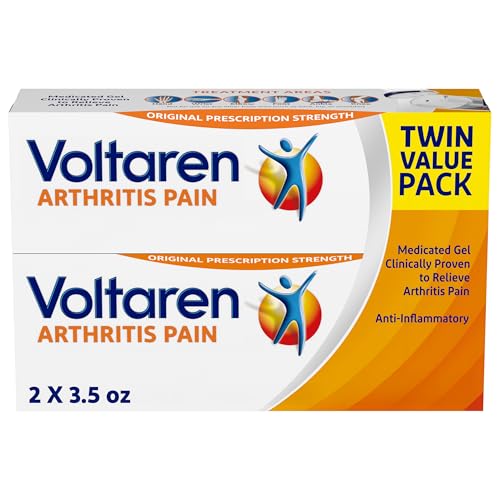
Voltaren Arthritis Pain Gel for Powerful Topical Arthritis Pain Relief with Diclofenac - NEW Easy Open Cap - 100 g x 2
Voltaren Arthritis Pain Relief Gel, Diclofenac Sodium, 1% (NSAID), Clinically Proven Powerful Pain Reliever, No Prescription Needed, 1.7oz ... Voltaren Arthritis Pain Gel for Powerful Topical Arthriti

Advil Pain Reliever and Fever Reducer, Pain Relief Medicine with Ibuprofen 200mg for Headache, Backache, Menstrual Pain and Joint Pain Relief - 300 Coated Tablets
Advil Pain Reliever and Fever Reducer, Ibuprofen 200mg for Pain Relief - 300 Count, Advil PM Pain Reliever and Nighttime Sleep Aid, Ibuprofen for Pain Relief and Diphenhydramine Citrate - 2 Count · Ad
Evidence & Sources
Supported by multiple clinical trials and systematic reviews
- New England Journal of Medicine
- The Lancet
- BMJ
- Cochrane Database of Systematic Reviews
- U.S. Food and Drug Administration (FDA)
- National Institute for Health and Care Excellence (NICE)
- American College of Rheumatology
- National Kidney Foundation
- NCCIH
- World Health Organization (WHO)
This content is for informational purposes only and does not constitute medical advice. Always consult a qualified healthcare provider before starting, stopping, or changing any supplement or medication regimen.