

Warfarin and NSAIDs
Warfarin is an oral anticoagulant that prevents blood clots by inhibiting vitamin K–dependent clotting factors. Nonsteroidal anti‑inflammatory drugs (NSAIDs)—including aspirin, ibuprofen, naproxen, and COX‑2 inhibitors like celecoxib—are commonly used for pain and inflammation. Together, they create one of the most clinically important drug–drug interactions because both affect bleeding risk through different mechanisms. Mechanistically, the interaction is largely pharmacodynamic. Aspirin irreversibly inhibits platelet aggregation, and nonselective NSAIDs transiently impair platelets and can injure the gastrointestinal (GI) mucosa, making bleeding more likely while warfarin reduces clotting capacity. Pharmacokinetic factors can contribute: some NSAIDs are highly protein‑bound and may transiently increase free warfarin; selected agents (for example, celecoxib) have case reports of raising INR, likely via CYP2C9 interactions. Clinically, combinations are associated with higher rates of GI bleeding, mucocutaneous bleeding (bruising, epistaxis, gum bleeding), and, more rarely, intracranial hemorrhage. Risk rises with higher NSAID doses, chronic use, a history of ulcers or GI bleed, advanced age, concomitant antiplatelets or SSRIs/SNRIs, alcohol use disorder, renal or liver impairment, and unstable INR. Not all NSAIDs are equal. Low‑dose aspirin has unique, irreversible antiplatelet effects and is sometimes co‑prescribed with warfarin for specific cardiac indications, but it increases bleeding risk. Nonselective NSAIDs like ibuprofen or naproxen increase GI and overall bleeding risk and can be problematic even for short courses. COX‑2 inhibitors (e.g., celecoxib) cause less platelet inhibition and less GI mucosal injury, so GI bleeding risk is lower than with nonselective NSAIDs; however, INR increases and bleeding have been reported, and cardiovascular safety must be considered. Risk mitigation focuses on avoiding or limiting NSAIDs when possible, considering non‑NSA
Updated September 8, 2026This content is for informational purposes only and does not constitute medical advice. Always consult a qualified healthcare provider before starting, stopping, or changing any supplement or medication regimen.
Shared Risk Factors
Advanced age (≥65–75 years)
Strong EvidenceOlder adults have higher baseline bleeding risk on warfarin due to comorbidities, polypharmacy, and altered pharmacokinetics. NSAIDs further raise GI and intracranial bleeding risk in this group.
History of peptic ulcer disease or prior GI bleeding (including H. pylori)
Strong EvidencePre‑existing mucosal vulnerability magnifies NSAID‑related injury and, combined with anticoagulation, increases the likelihood of upper GI bleeding.
Concomitant antiplatelets, SSRIs/SNRIs, or alcohol use disorder
Strong EvidenceAdditional impairment of hemostasis (platelet function or mucosal integrity) stacks with warfarin’s anticoagulation, amplifying bleeding risk.
High NSAID dose or chronic NSAID use
Moderate EvidenceDose response is observed for NSAID‑related GI injury; longer or higher‑dose exposure increases bleeding risk when combined with warfarin.
Renal or hepatic impairment
Moderate EvidenceOrgan dysfunction alters drug handling and hemostasis, increasing sensitivity to both agents and bleeding risk.
Genetic variants (CYP2C9, VKORC1) and high INR variability
Emerging ResearchGenetic sensitivity to warfarin and labile INRs predispose to bleeding; some NSAIDs may further destabilize INR or add mucosal injury.
Medical Perspectives
Two Ways of Seeing Health

Western
scientific · clinical
Western medicine applies science, technology, and clinical experience to treat symptoms through testing, diagnosis, and targeted intervention.
Surgeons · Pharmaceuticals · Clinical trials · Diagnostics 
Eastern
traditional · alternative
Eastern medicine focuses on treating the body naturally by applying traditional knowledge practiced for thousands of years, emphasizing balance and whole-person wellness.
Acupuncture · Herbal medicine · Yoga · Meditation
Gold Bamboo presents both perspectives side-by-side so you can make informed decisions. We don't advocate for one over the other — your health choices are yours.
Two Ways of Seeing Health
Western
scientific · clinical
Western medicine applies science, technology, and clinical experience to treat symptoms through testing, diagnosis, and targeted intervention.
Eastern
traditional · alternative
Eastern medicine focuses on treating the body naturally by applying traditional knowledge practiced for thousands of years, emphasizing balance and whole-person wellness.
Gold Bamboo presents both perspectives side-by-side so you can make informed decisions. We don't advocate for one over the other — your health choices are yours.
Western Perspective
From a western clinical standpoint, co‑administration of warfarin and NSAIDs substantially increases bleeding risk through additive pharmacodynamic effects (platelet inhibition and GI mucosal injury) with occasional pharmacokinetic contributions. Guidelines generally advise avoiding nonselective NSAIDs in warfarin‑treated patients and using alternatives, gastroprotection, and close INR monitoring when anti‑inflammatory therapy is unavoidable.
Key Insights
- Additive pharmacodynamic effects drive most risk: warfarin reduces clotting factors while NSAIDs impair platelets and injure GI mucosa.
- Evidence shows higher rates of major and GI bleeding with concomitant use versus warfarin alone; risk increases with dose and duration.
- Aspirin’s irreversible antiplatelet effect uniquely raises bleeding risk; use with warfarin is reserved for compelling indications (e.g., certain mechanical valves).
- COX‑2 inhibitors reduce GI mucosal injury and lack meaningful antiplatelet effects, but INR elevations and bleeding have been reported; monitor closely.
- Risk mitigation includes preferring non‑NSAID analgesics, considering topical NSAIDs, using PPIs in high‑risk patients, reviewing interacting drugs/herbals, and increasing INR surveillance when therapy changes occur.
Treatments
- Prefer acetaminophen for analgesia with attention to potential INR elevation at higher/recurring doses.
- Consider topical NSAIDs for localized pain to limit systemic exposure.
- Use proton pump inhibitor co‑therapy in patients at elevated GI risk; evaluate and treat H. pylori when appropriate.
- If anti‑inflammatory therapy is essential, consider a COX‑2 inhibitor at the lowest effective dose with INR monitoring and cardiovascular risk assessment.
- Increase INR monitoring frequency after initiating, changing, or stopping NSAIDs; coordinate with anticoagulation management services.
Deep Dive
Warfarin reduces thrombotic risk by inhibiting vitamin K–dependent clotting factors, lowering the body’s capacity to form stable fibrin clots. N... Warfarin reduces thrombotic risk by inhibiting vitamin K–dependent clotting factors, lowering the body’s capacity to form stable fibrin clots. NSAIDs, used widely for analgesia and inflammation, intersect with hemostasis in two key ways: they impede platelet function (aspirin irreversibly; many nonselective NSAIDs reversibly) and they disrupt gastroduodenal mucosal defenses, predisposing to ulceration and bleeding. When combined, the anticoagulant effect of warfarin and the hemostatic impairment and mucosal injury from NSAIDs create a clinically significant increase in bleeding risk. Large guideline bodies therefore caution against routine co‑use, especially of nonselective NSAIDs, in patients stabilized on warfarin. Evidence from observational cohorts and guideline syntheses indicates that adding an NSAID to warfarin roughly doubles to triples the risk of major bleeding events, with upper gastrointestinal bleeding the most common manifestation. Aspirin is a special case: even at low doses, it irreversibly inhibits platelets for their lifespan, and while it may be indicated for certain cardiovascular conditions, its combination with warfarin consistently raises bleeding risk. COX‑2–selective inhibitors avoid most platelet effects and produce less GI mucosal damage than nonselective agents, and so may carry a lower GI bleeding risk; however, case reports of INR elevation and bleeding exist, likely via CYP2C9‑related interactions, and these drugs require the same vigilance for anticoagulated patients, alongside cardiovascular risk considerations. Clinical management focuses on avoidance and mitigation. For pain, many clinicians prefer acetaminophen over NSAIDs in warfarin users, noting that repeated higher dosing can increase INR and warrants closer monitoring. For localized pain, topical NSAIDs can offer relief with lower systemic exposure. When anti‑inflammatory therapy is unavoidable, the lowest effective dose for the shortest duration, selection of a COX‑2 inhibitor, and the addition of a proton pump inhibitor in patients with GI risk factors can reduce harm. High‑risk scenarios—advanced age, prior peptic ulcer or GI bleeding, concurrent antiplatelets or SSRIs/SNRIs, alcohol use disorder, renal or liver impairment—call for particular caution. Any start, stop, or dose change of NSAIDs should trigger more frequent INR checks until stability is re‑established, and patients should be educated about red‑flag bleeding symptoms that merit urgent evaluation.
Sources
- FDA. Coumadin (warfarin) Prescribing Information.
- Holbrook AM et al. Evidence‑Based Management of Anticoagulant Therapy. Chest. 2012;141(2 Suppl):e152S‑e184S.
- Abraham NS et al. ACG Clinical Guideline: Management of Antithrombotic Agents for Patients With GI Bleeding Risk. Am J Gastroenterol. 2016.
- Derry S, Moore RA. Topical NSAIDs for acute musculoskeletal pain. Cochrane Database Syst Rev. 2015.
- NICE/BNF: Warfarin and NSAID interaction warnings (accessed 2024).
- Thrombosis Canada. Warfarin: Drug Interactions (2021).
Eastern Perspective
Traditional systems emphasize maintaining balance in blood and tissues. From these perspectives, combining a ‘blood‑moving’ agent with another that can ‘thin’ or disturb hemostasis may predispose to excessive bleeding. Integrative practice focuses on minimizing concurrent agents that impair clotting, substituting non‑NSAID pain approaches, and avoiding herbs with antiplatelet or anticoagulant properties when warfarin is used.
Key Insights
- Many botanicals used for pain or circulation—such as willow bark (salicylates), ginkgo, turmeric, dong quai (Angelica sinensis), and danshen (Salvia miltiorrhiza)—are traditionally considered to move blood and may amplify bleeding risk when used with warfarin.
- Ayurveda and TCM often favor nonpharmacologic pain relief (e.g., acupuncture, heat, movement therapies) to reduce reliance on systemic NSAIDs in patients at bleeding risk.
- Individual constitution (prakriti in Ayurveda; pattern differentiation in TCM) and age/frailty influence vulnerability to bleeding, aligning with western recognition of high‑risk groups.
- Topical preparations (liniments, plasters) are traditionally used for localized pain; from an integrative lens, these may be safer than systemic NSAIDs but still warrant caution on large or broken skin areas.
- Co‑management with conventional clinicians is emphasized for INR monitoring when any herb, supplement, or NSAID is started or stopped.
Treatments
- Acupuncture and acupressure for musculoskeletal pain (evidence suggests modest benefit with low systemic risk).
- Topical herbal preparations (e.g., external use only), avoiding agents with salicylates when on warfarin.
- Mind‑body and movement therapies (tai chi, yoga, qigong) to reduce pain and NSAID need.
- Anti‑inflammatory dietary patterns (e.g., increased fruits/vegetables; limit alcohol) to support mucosal and vascular health while on warfarin.
Deep Dive
Traditional medical systems frame this interaction through the lens of blood harmony and tissue integrity. Warfarin’s anticoagulant effect, whil... Traditional medical systems frame this interaction through the lens of blood harmony and tissue integrity. Warfarin’s anticoagulant effect, while life‑preserving for clot‑prone conditions, is understood as dispersing or thinning the blood. NSAIDs, especially those derived from or mimicking salicylate‑containing botanicals, are viewed as agents that move blood or clear heat and stagnation, yet can deplete protective yin or damage the Stomach’s lining (akin to GI mucosal injury). Combining two agents that both reduce hemostatic resilience invites imbalance, particularly in older or frail individuals—a perspective that resonates with western identification of high‑risk patients. Integrative strategies emphasize reducing reliance on systemic NSAIDs in anticoagulated patients by prioritizing non‑drug and local therapies for pain. Acupuncture, manual therapies, heat, and movement practices (tai chi, qigong, yoga) aim to improve circulation, reduce inflammation, and support function without directly impairing coagulation. Traditional external liniments and plasters can be used cautiously for focal pain, avoiding agents with salicylates and application over broken skin to limit systemic exposure. Herbal internal medicines warrant particular caution: formulas containing willow bark, ginkgo, dong quai (Angelica sinensis), danshen (Salvia miltiorrhiza), or high‑dose turmeric/curcumin are classically ‘blood‑moving’ and may potentiate bleeding when combined with warfarin. Conversely, some herbs (e.g., ginseng) have been reported to blunt warfarin’s effect. Because these interactions are individualized and sometimes unpredictable, collaborative care with conventional clinicians—including shared decision‑making and INR monitoring when any herbal or NSAID therapy is initiated, adjusted, or stopped—is essential. Dietary and lifestyle guidance supports mucosal and vascular integrity: moderating alcohol, favoring anti‑inflammatory whole foods, and maintaining regular routines for medication timing. The integrative goal is balance—addressing pain effectively while safeguarding hemostasis—by choosing the least disruptive therapies and monitoring closely when any agent with potential blood‑thinning properties is involved.
Sources
- NCCIH. Warfarin and Herbal Supplements: Safety Information.
- American Herbal Pharmacopoeia and Therapeutic Compendium: Ginkgo, Danshen monographs.
- Vickers AJ et al. Acupuncture for chronic pain: individual patient data meta‑analysis. Arch Intern Med. 2012.
- Zeng X et al. Interactions between warfarin and herbs: a systematic review. Evid Based Complement Alternat Med. 2015.
Evidence Ratings
Concomitant use of warfarin and nonselective NSAIDs increases major and GI bleeding risk compared with warfarin alone.
Holbrook AM et al. Chest. 2012;141(2 Suppl):e152S‑e184S.
Aspirin’s irreversible antiplatelet effect adds to warfarin’s anticoagulation, raising bleeding risk; combination should be reserved for compelling indications.
FDA. Coumadin (warfarin) Prescribing Information; ACC/AHA guideline statements on dual therapy indications.
COX‑2 inhibitors have lower GI bleeding risk than nonselective NSAIDs but have reported cases of INR elevation and bleeding when combined with warfarin.
FDA. Celecoxib Prescribing Information; case reports and observational studies.
Proton pump inhibitor co‑therapy reduces upper GI bleeding in patients at risk who are taking antithrombotic agents.
Abraham NS et al. Am J Gastroenterol. 2016 (ACG guideline).
Acetaminophen is generally preferred to NSAIDs for analgesia in warfarin users but can increase INR with repeated higher dosing.
Holbrook AM et al. Chest. 2012; Thrombosis Canada. Warfarin: Drug Interactions (2021).
Topical NSAIDs provide local pain relief with minimal systemic exposure and a lower risk of systemic bleeding events.
Derry S, Moore RA. Cochrane Database Syst Rev. 2015.
Concomitant SSRIs/SNRIs with warfarin increase bleeding risk due to platelet dysfunction and mucosal effects.
de Abajo FJ et al. BMJ. 1999; and subsequent observational studies summarized in guidelines.
Herbs with antiplatelet/anticoagulant properties (e.g., ginkgo, danshen, dong quai, high‑dose fish oil) may potentiate bleeding when combined with warfarin or NSAIDs.
NCCIH safety advisories; Zeng X et al. 2015 systematic review.
Sources
- FDA. Coumadin (warfarin) Prescribing Information.
- Holbrook AM et al. Evidence‑Based Management of Anticoagulant Therapy. Chest. 2012;141(2 Suppl):e152S‑e184S.
- Abraham NS et al. ACG Clinical Guideline: Management of Antithrombotic Agents for Patients With GI Bleeding Risk. Am J Gastroenterol. 2016.
- Derry S, Moore RA. Topical NSAIDs for acute musculoskeletal pain. Cochrane Database Syst Rev. 2015.
- FDA. Celecoxib (Celebrex) Prescribing Information.
- Thrombosis Canada. Warfarin: Drug Interactions (2021).
- NCCIH. Blood Thinners and Herbal Supplements: What You Need To Know.
- de Abajo FJ et al. Association between selective serotonin reuptake inhibitors and upper GI bleeding. BMJ. 1999.
Related Topics
Recommended Products
Hansten and Horn Managing Clinically Important Drug Interactions: philip-d-hansten-john-r-horn
Quick reference features drug ... and Management. <strong>Emphasizes the management of drug interactions to reduce the likelihood that the patient will suffer an adverse consequence from the interacti

Aspercreme Max Strength Lidocaine Pain Relief Patch (5 Count) for Back Pain, Odor Free Pain Patches
Formulated with 4% lidocaine, the maximum strength available without a prescription, this <strong>maximum strength pain patch penetrates muscles for powerful relief</strong>. Aspercreme Pain Patches w
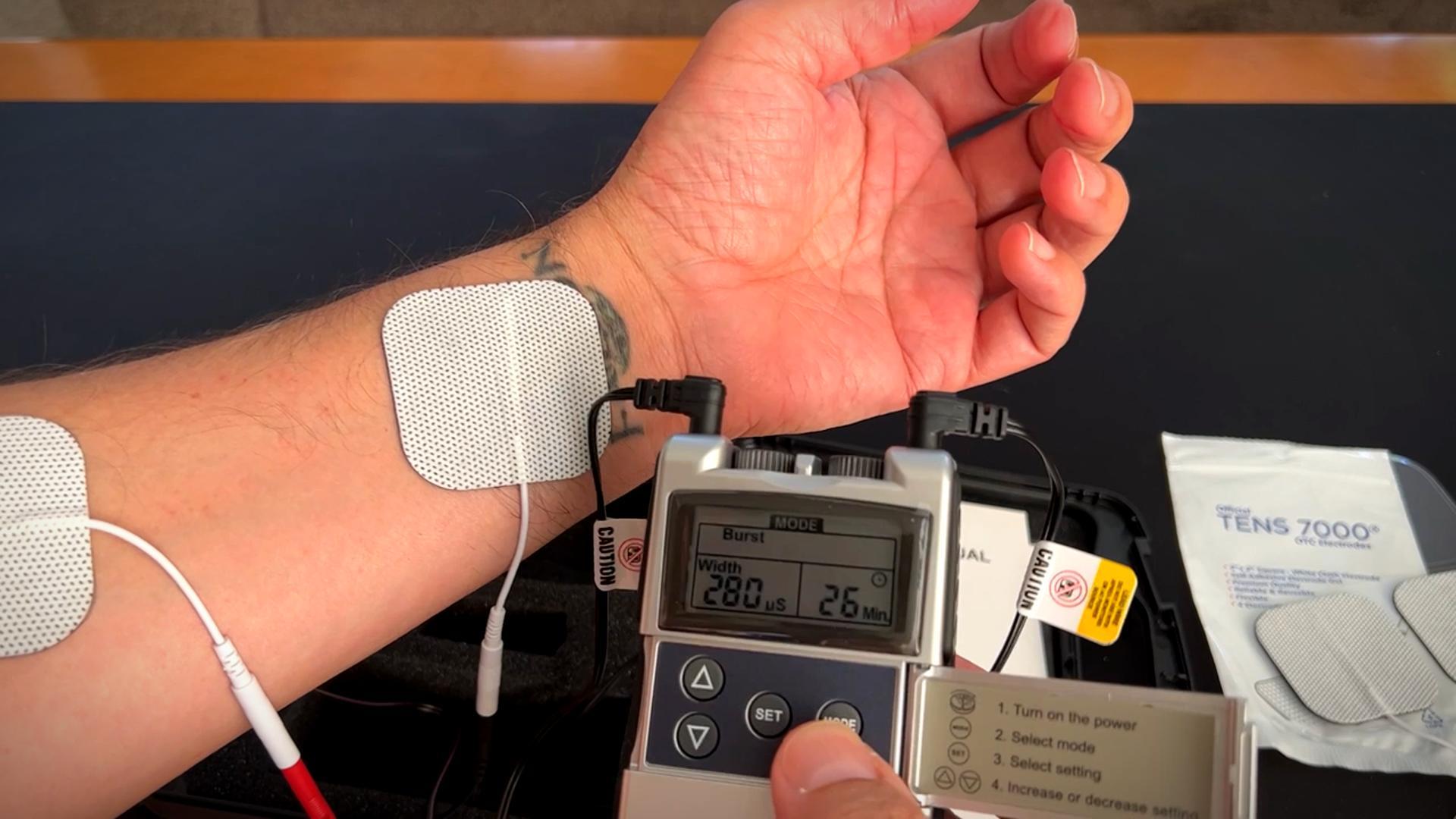
TENS 7000 Digital TENS Unit with Accessories - Muscle ...
Explore a variety of products designed to provide relief from sciatica, back pain, and muscle discomfort, including TENS therapy and ergonomic cushions.
Health Disclaimer
This content is for informational purposes only and does not constitute medical advice. Always consult a qualified healthcare provider before starting, stopping, or changing any supplement or medication regimen.