

SSRIs and MAOIs
Selective serotonin reuptake inhibitors (SSRIs) and monoamine oxidase inhibitors (MAOIs) are antidepressant classes with distinct mechanisms, use patterns, and safety considerations. SSRIs—such as fluoxetine, sertraline, citalopram, escitalopram, paroxetine, and fluvoxamine—primarily block the serotonin transporter (SERT), increasing synaptic serotonin. They are widely used as first‑line therapy for major depressive disorder (MDD) and many anxiety disorders, including OCD and PTSD, with favorable tolerability for most patients. MAOIs—such as phenelzine, tranylcypromine, isocarboxazid, and transdermal selegiline—irreversibly inhibit monoamine oxidase (MAO), the enzyme that degrades serotonin, norepinephrine, and dopamine. While less commonly prescribed today, MAOIs can be highly effective for treatment‑resistant or atypical depression and certain anxiety conditions (e.g., social anxiety), when carefully managed. Because both classes enhance serotonergic transmission, combining them is contraindicated due to the risk of serotonin syndrome—a potentially life‑threatening toxidrome marked by mental‑status changes (agitation, confusion), autonomic instability (fever, diaphoresis, tachycardia), and neuromuscular hyperactivity (tremor, clonus, hyperreflexia). High‑risk overlaps include any SSRI with a nonselective MAOI, and interactions with MAOI‑like agents such as linezolid or methylene blue. Incidence is unknown but considered rare; however, case series and pharmacovigilance reports show a disproportionate risk with SSRI–MAOI exposure. Safe switching requires attention to pharmacokinetics. After stopping an SSRI, most guidelines advise at least 14 days before starting an MAOI; fluoxetine is an exception due to its long half‑life and active metabolite, requiring a 5‑week washout before initiating an MAOI. After stopping an MAOI, wait a minimum of 14 days before starting an SSRI. Cross‑tapers are generally avoided between these classes. MAOI use requires tyramine‑aware,
Updated September 8, 2026This content is for informational purposes only and does not constitute medical advice. Always consult a qualified healthcare provider before starting, stopping, or changing any supplement or medication regimen.
Shared Risk Factors
High total serotonergic burden (polypharmacy)
Strong EvidenceConcurrent serotonergic agents (e.g., SSRIs with MAOIs, or either with linezolid, methylene blue, tramadol, meperidine, dextromethorphan, St. John’s wort) substantially raise serotonin syndrome risk.
Long pharmacologic persistence (half‑life/enzyme irreversibility)
Strong EvidenceFluoxetine’s long half‑life and active metabolite, plus MAOIs’ irreversible enzyme inhibition, prolong interaction risk even after stopping a drug.
CYP‑mediated interactions and metabolic variability
Moderate EvidenceCYP inhibitors/inducers and genetic polymorphisms can raise serotonergic drug levels, increasing adverse event risk.
Recent switch or cross‑taper between classes
Strong EvidenceOverlap during transitions—intentional or inadvertent—raises the likelihood of serotonin toxicity or hypertensive reactions.
Comorbid medical conditions and age
Moderate EvidenceOlder age, hepatic impairment, and autonomic/cardiovascular vulnerability can worsen outcomes from serotonin toxicity or hypertensive crises.
Overlapping Treatments
Discontinuation and supportive care for serotonin syndrome
Strong EvidenceStopping the SSRI and providing IV fluids, cooling, and monitoring may improve autonomic and neuromuscular symptoms.
Stopping the MAOI and supportive measures address the precipitating interaction.
Manage in emergency/ICU settings for moderate–severe cases; avoid physical restraints when possible due to rhabdomyolysis risk.
Benzodiazepines for agitation, tremor, and autonomic symptoms
Strong EvidenceReduce agitation and neuromuscular hyperactivity linked to serotonergic excess.
Help stabilize symptoms while MAO inhibition wanes.
Monitor for oversedation and respiratory depression.
Cyproheptadine (serotonin antagonist) in moderate–severe serotonin toxicity
Moderate EvidenceAntagonizes 5‑HT2A receptors to blunt serotonergic effects from SSRIs.
Counters serotonergic excess potentiated by MAOIs.
Oral only; evidence from case series and observational data.
Short‑acting antihypertensives for MAOI‑related hypertensive crises
Moderate EvidenceAddresses autonomic instability when SSRIs are part of a serotonergic/tyramine interaction scenario.
Mitigates acute blood pressure surges from tyramine or interacting sympathomimetics under MAOI therapy.
Requires emergency evaluation; agents such as phentolamine are used under clinician supervision.
Non‑serotonergic alternatives for resistant depression (ECT, rTMS, ketamine/esketamine)
Moderate EvidenceOffer options when serotonergic stacking must be avoided.
Reduce need for high‑risk SSRI–MAOI combinations in refractory cases.
Each modality has specific eligibility, monitoring, and risk profiles.
Medical Perspectives
Two Ways of Seeing Health

Western
scientific · clinical
Western medicine applies science, technology, and clinical experience to treat symptoms through testing, diagnosis, and targeted intervention.
Surgeons · Pharmaceuticals · Clinical trials · Diagnostics 
Eastern
traditional · alternative
Eastern medicine focuses on treating the body naturally by applying traditional knowledge practiced for thousands of years, emphasizing balance and whole-person wellness.
Acupuncture · Herbal medicine · Yoga · Meditation
Gold Bamboo presents both perspectives side-by-side so you can make informed decisions. We don't advocate for one over the other — your health choices are yours.
Two Ways of Seeing Health
Western
scientific · clinical
Western medicine applies science, technology, and clinical experience to treat symptoms through testing, diagnosis, and targeted intervention.
Eastern
traditional · alternative
Eastern medicine focuses on treating the body naturally by applying traditional knowledge practiced for thousands of years, emphasizing balance and whole-person wellness.
Gold Bamboo presents both perspectives side-by-side so you can make informed decisions. We don't advocate for one over the other — your health choices are yours.
Western Perspective
Western clinical practice treats SSRI–MAOI co‑administration as contraindicated due to well‑documented serotonin syndrome risk. SSRIs are first‑line for depressive and anxiety disorders; MAOIs are reserved for specific phenotypes (e.g., atypical depression) or treatment‑resistant cases with rigorous safety protocols, including diet and drug‑interaction counseling.
Key Insights
- SSRIs selectively inhibit SERT; MAOIs irreversibly inhibit MAO‑A/B, raising serotonin, norepinephrine, and dopamine.
- Co‑use of SSRIs and MAOIs is a high‑risk combination with documented cases of severe serotonin toxicity.
- Washout periods are essential: ≥14 days in most directions; ≥5 weeks after fluoxetine before starting an MAOI.
- Dietary tyramine restrictions apply to oral nonselective MAOIs; low‑dose selegiline transdermal has fewer restrictions.
- Certain antibiotics/dyes (linezolid, methylene blue) function as MAO inhibitors and can precipitate toxicity with SSRIs.
Treatments
- Guideline‑directed switching with appropriate washouts
- Emergency management protocols for serotonin syndrome (supportive care, benzodiazepines, cyproheptadine)
- Dietary counseling and blood‑pressure monitoring for MAOIs
- Use of alternative modalities (ECT, rTMS, esketamine) in refractory depression
Deep Dive
From a western clinical standpoint, SSRIs and MAOIs are mechanistically distinct yet convergent in their net effect on serotonergic signaling. S... From a western clinical standpoint, SSRIs and MAOIs are mechanistically distinct yet convergent in their net effect on serotonergic signaling. SSRIs increase synaptic serotonin by selectively blocking the serotonin transporter, improving depressive and anxiety symptoms with generally favorable tolerability and ease of use. MAOIs, in contrast, irreversibly inhibit monoamine oxidase enzymes responsible for degrading serotonin, norepinephrine, and dopamine; this broader effect can yield robust antidepressant responses in phenotypes like atypical depression or in treatment‑resistant cases. The price of this potency is a tighter therapeutic envelope: dietary tyramine restrictions for oral nonselective MAOIs and a high‑stakes interaction profile. The overlap in serotonergic enhancement creates a critical safety boundary: SSRIs and MAOIs should not be co‑administered. The literature and regulatory guidance document numerous cases of serotonin syndrome arising from such combinations, characterized by agitation, hyperreflexia, clonus, diaphoresis, and hyperthermia. The Hunter criteria aid diagnosis, and management centers on stopping serotonergic agents, supportive care, benzodiazepines for agitation, and sometimes cyproheptadine. Because MAOIs bind irreversibly and fluoxetine has a long half‑life, risk persists beyond discontinuation—guidelines therefore mandate washouts (≥14 days between most SSRIs and MAOIs; ≥5 weeks after fluoxetine before initiating an MAOI). Similar caution applies to agents with MAO‑inhibiting activity such as linezolid and methylene blue. In routine practice, SSRIs remain first‑line for MDD, OCD, panic disorder, PTSD, and social anxiety. MAOIs are reserved for highly selected patients with appropriate education and monitoring. When patients do not respond to multiple adequate SSRI/SNRI trials, clinicians may consider MAOIs or non‑serotonergic alternatives (ECT, rTMS, ketamine/esketamine), thus avoiding dangerous drug stacking. Patient education is pivotal: reading OTC labels for dextromethorphan, avoiding serotonergic supplements such as St. John’s wort, and, for MAOIs, adhering to tyramine‑aware dietary choices. Shared decision‑making and careful transitions help maximize benefit while minimizing risk.
Sources
- Boyer EW, Shannon M. N Engl J Med. 2005;352:1112‑1120.
- Dunkley EJC et al. QJM. 2003;96:635‑642.
- The Maudsley Prescribing Guidelines in Psychiatry, 15th ed. 2021.
- NICE Guideline NG222. Depression in adults. 2022.
- FDA Prozac (fluoxetine) Prescribing Information, 2021.
- FDA Drug Safety Communications: linezolid/methylene blue and serotonergic drugs, 2011.
- Emsam (selegiline transdermal) Prescribing Information, 2016.
Eastern Perspective
Traditional and integrative medicine frameworks emphasize whole‑person care—sleep, diet, movement, and mind–body practices—alongside cautious use of pharmaceuticals. While SSRIs and MAOIs are modern agents, Eastern perspectives stress pattern‑based diagnosis, gradual changes, and avoidance of herb‑drug combinations that could amplify serotonergic or sympathomimetic effects.
Key Insights
- Adjunctive modalities such as acupuncture, mindfulness‑based therapies, and yoga may improve depressive symptoms and anxiety for some individuals.
- Herbal products with serotonergic or MAO‑inhibiting properties (e.g., St. John’s wort; harmala alkaloids in some traditional preparations) may interact dangerously with SSRIs or MAOIs.
- Dietary guidance aligns with MAOI care: avoiding aged/fermented high‑tyramine foods; favoring fresh, balanced meals to reduce autonomic reactivity.
- Integrative care plans prioritize careful coordination among prescribers and traditional practitioners to prevent polypharmacy and interactions.
Treatments
- Acupuncture as an adjunct for depression/anxiety
- Mindfulness‑based cognitive therapy or meditation practices
- Yoga and breathwork to modulate autonomic tone
- Cautious, supervised use of botanicals; avoidance of serotonergic herbs with SSRIs/MAOIs
Deep Dive
Traditional and integrative frameworks focus on restoring balance in mood and autonomic tone by addressing sleep, diet, movement, social connect... Traditional and integrative frameworks focus on restoring balance in mood and autonomic tone by addressing sleep, diet, movement, social connection, and mind–body practices. Although SSRIs and MAOIs are modern pharmaceuticals, their use within an integrative plan emphasizes gradual changes, avoidance of overlapping agents with similar energetic or physiologic effects, and continuous communication among practitioners. From this perspective, sudden increases in stimulatory inputs—whether from multiple serotonergic drugs, high‑tyramine foods, or sympathomimetic herbs—may overwhelm regulatory systems, echoing the biomedical understanding of serotonin toxicity and hypertensive reactions under MAO inhibition. Adjunctive therapies such as acupuncture, mindfulness‑based cognitive therapy, and yoga aim to modulate stress pathways, improve sleep, and reduce autonomic hyperarousal. Evidence suggests these approaches can help some people with depression and anxiety, often as add‑ons rather than replacements for medication. Herbal medicines warrant special caution: St. John’s wort and certain traditional preparations (e.g., those containing harmala alkaloids) may exert serotonergic or MAO‑inhibiting actions. Combining such botanicals with SSRIs or MAOIs risks amplifying adverse effects; coordinated care and full disclosure of all supplements are essential. Nutritional guidance within Eastern traditions often favors fresh, minimally processed foods—closely aligned with tyramine‑aware recommendations for oral MAOIs. In practice, an integrative plan might pair a single, carefully chosen antidepressant with non‑pharmacologic supports (acupuncture, psychotherapy, structured exercise, meditation), regular monitoring for side effects, and transparent communication about any herbs or OTC products. This approach respects the potency of SSRIs and MAOIs while drawing on traditional tools to enhance resilience and reduce the need for risky polypharmacy. Across traditions, the shared goal is symptom relief with maximal safety; respecting contraindicated combinations is central to that goal.
Sources
- Smith CA et al. Cochrane Database Syst Rev. 2018;(3):CD004046.
- Crowe M et al. J Affect Disord. 2020;276:66‑86.
- NCCIH: St. John’s Wort and Depression (updated fact sheet).
- Pilkington K et al. J Affect Disord. 2005;89:13‑24.
Evidence Ratings
Combining an SSRI with a nonselective MAOI is contraindicated due to high serotonin syndrome risk.
Boyer EW, Shannon M. N Engl J Med. 2005;352:1112‑1120; FDA antidepressant labels.
A 5‑week washout after fluoxetine is required before starting an MAOI.
FDA Prozac (fluoxetine) Prescribing Information, 2021; Maudsley Prescribing Guidelines 2021.
At least 14 days should elapse after stopping an MAOI before starting an SSRI, and vice versa (except longer after fluoxetine).
Maudsley Prescribing Guidelines, 15th ed. 2021; NICE NG222 (2022).
Dietary tyramine can cause hypertensive crises with oral nonselective MAOIs; low‑dose selegiline patch has fewer restrictions.
Emsam Prescribing Information, 2016; Yamada M, Yasuhara H. J Clin Pharm Ther. 2004;29:7‑14.
Triptans with SSRIs rarely cause serotonin syndrome, but vigilance is advised.
Evans RW et al. Headache. 2010;50:1089‑1099; FDA 2006 advisory.
Linezolid or methylene blue with SSRIs can precipitate serotonin syndrome and should be avoided or carefully managed.
FDA Drug Safety Communications, 2011; Boyer & Shannon 2005.
Phenelzine and tranylcypromine are effective for atypical or treatment‑resistant depression in selected patients.
Henkel V et al. Pharmacopsychiatry. 2006;39:230‑238; NICE NG222, 2022.
Sources
- Boyer EW, Shannon M. The Serotonin Syndrome. N Engl J Med. 2005;352:1112-1120.
- Dunkley EJC, Isbister GK, Sibbritt D, Dawson AH, Whyte IM. The Hunter Serotonin Toxicity Criteria. QJM. 2003;96:635-642.
- The Maudsley Prescribing Guidelines in Psychiatry. 15th ed. Wiley-Blackwell; 2021.
- National Institute for Health and Care Excellence (NICE). Depression in adults: treatment and management. Guideline NG222; 2022.
- U.S. FDA. Prozac (fluoxetine) Prescribing Information; 2021.
- U.S. FDA Drug Safety Communication: Serious CNS reactions possible when linezolid or methylene blue is given to patients taking serotonergic psychiatric medications; 2011.
- Emsam (selegiline transdermal system) Prescribing Information; 2016.
- Evans RW, Tepper SJ, Shapiro RE, Sun-Edelstein C, Tietjen GE. The FDA alert on serotonin syndrome with SSRIs and triptans: an analysis of 29 cases. Headache. 2010;50:1089-1099.
- Yamada M, Yasuhara H. Clinical pharmacology of MAO inhibitors: safety and dietary restrictions. J Clin Pharm Ther. 2004;29:7-14.
- Henkel V, Seemüller F, Obermeier M, et al. Does early improvement triggered by antidepressants predict response/remission? Pharmacopsychiatry. 2006;39:230-238.
- NCCIH. St. John’s Wort and Depression. Fact Sheet (updated).
Related Topics
Recommended Products
The Maudsley Prescribing Guidelines in Psychiatry
In the newly revised fifteenth edition of The Maudsley Prescribing Guidelines in Psychiatry, you will find <strong>up-to-date and authoritative guidance on prescribing psychotropic medications to pati

Personalized Medical Alert ID Bracelet - Free Custom Engraving - Hypo-allergenic Stainless Steel - Classic Design, 7.5 inch Bracelet with Engraving on The Front, Lobster Clasp
A Free medical wallet card will be included with your order, which will be printed with the same information you're having engraved on your bracelet. You can write additional info onto the back o
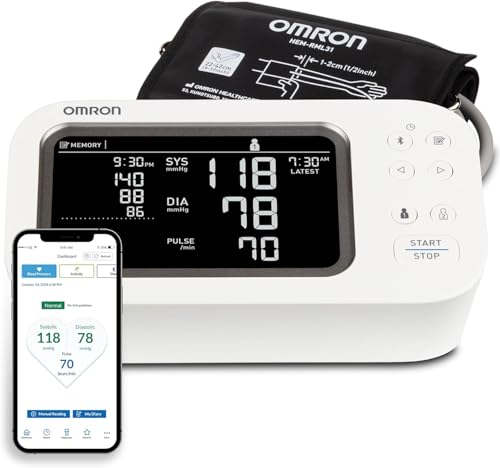
OMRON Platinum Blood Pressure Monitor for Home Use & Upper Arm Blood Pressure Cuff - #1 Doctor & Pharmacist Recommended Brand - Clinically Validated - AFib Detection - Connect App
CONFIDENCE IN EVERY READING: Monitor your heart health with the OMRON Platinum Upper Arm Blood Pressure Monitor's <strong>Advanced Accuracy with AFib Detection Technology</strong>; Store up to 10
Health Disclaimer
This content is for informational purposes only and does not constitute medical advice. Always consult a qualified healthcare provider before starting, stopping, or changing any supplement or medication regimen.