

Anxiety
Overview
Anxiety is a broad term that describes a state of heightened worry, fear, tension, or apprehension. In everyday life, anxiety can be a normal response to stress or uncertainty. As a health condition, however, anxiety becomes more significant when symptoms are persistent, excessive, difficult to control, or disruptive to daily functioning, relationships, sleep, concentration, or physical well-being. Anxiety-related conditions may include generalized anxiety disorder (GAD), panic disorder, social anxiety disorder, specific phobias, separation anxiety, and anxiety that occurs alongside depression, trauma-related conditions, chronic illness, hormonal changes, or substance use.
Anxiety is among the most common mental health concerns worldwide. Public health data from organizations such as the World Health Organization (WHO) and the National Institute of Mental Health (NIMH) indicate that anxiety disorders affect a substantial portion of the population across age groups, with onset often beginning in childhood, adolescence, or early adulthood. Symptoms can vary widely but often include restlessness, excessive worry, racing thoughts, irritability, sleep disturbance, muscle tension, rapid heartbeat, sweating, gastrointestinal upset, shortness of breath, and difficulty concentrating. Because these symptoms can overlap with cardiovascular, endocrine, neurologic, and gastrointestinal conditions, proper clinical evaluation is often important.
Anxiety is now understood as a whole-person condition shaped by interactions among biology, psychology, environment, and lived experience. Research suggests contributions from genetic predisposition, nervous system reactivity, chronic stress exposure, trauma, sleep disruption, inflammation, hormonal factors, social isolation, and learned behavioral patterns. In many people, anxiety exists on a spectrum rather than as a single uniform disorder, and severity may fluctuate over time depending on stress load, health status, and support systems.
A balanced health perspective often considers both symptom relief and deeper contributing factors. Conventional medicine focuses on diagnosis, risk assessment, psychotherapy, and when appropriate, medication. Traditional and integrative systems may frame anxiety in terms of imbalance, depleted resilience, disturbed energy flow, or dysregulation of the mind-body connection. Across frameworks, there is broad agreement that anxiety is real, multifactorial, and deserving of compassionate, individualized care. Anyone experiencing severe distress, panic, functional impairment, or thoughts of self-harm warrants prompt evaluation by a qualified healthcare professional.
Compare Treatment Options
Anxiety is a broad term for persistent worry, fear, physical tension, or heightened nervous system arousal that goes beyond ordinary short-term stress. It can show up as generalized worry, panic symptoms, social anxiety, restlessness, trouble sleeping, racing thoughts, chest tightness, stomach upset, or avoidance behaviors. In clinical settings, anxiety is not one single disorder; it can include generalized anxiety disorder, panic disorder, social anxiety disorder, and anxiety symptoms that overlap with depression, trauma-related conditions, sleep disruption, substance use, thyroid disease, asthma, and other medical issues. Treatment options vary because anxiety itself varies. Some people mainly have cognitive worry and rumination, while others feel anxiety in the body as rapid heartbeat, trembling, nausea, or breathlessness. Some need fast symptom relief during severe periods, while others are looking for steadier long-term improvement with less sedation or fewer side effects. Western approaches often focus on psychotherapy and medications with different onset times and risk profiles, while Eastern and integrative approaches may emphasize regulation of the stress response, sleep, breath, body awareness, and traditional systems such as acupuncture or herbal medicine. A careful evaluation matters because treatment fit often depends on severity, duration, sleep, work demands, panic symptoms, coexisting depression, and how much uncertainty or side-effect risk a person is comfortable with.
View treatment comparison (6 options)Medical Perspectives
Two Ways of Seeing Health

Western
scientific · clinical
Western medicine applies science, technology, and clinical experience to treat symptoms through testing, diagnosis, and targeted intervention.

Eastern
traditional · alternative
Eastern medicine focuses on treating the body naturally by applying traditional knowledge practiced for thousands of years, emphasizing balance and whole-person wellness.
Gold Bamboo presents both perspectives side-by-side so you can make informed decisions. We don't advocate for one over the other — your health choices are yours.
Western Medicine Perspective
Western / Conventional Medicine Perspective
In conventional medicine, anxiety is generally understood as a set of disorders involving dysregulation of fear and stress-response systems. Neurobiological research has focused on brain circuits involving the amygdala, prefrontal cortex, hippocampus, and autonomic nervous system, along with neurotransmitters such as serotonin, norepinephrine, gamma-aminobutyric acid (GABA), dopamine, and stress hormones including cortisol. Studies indicate that anxiety can arise from a combination of inherited vulnerability, adverse life experiences, chronic stress, medical conditions, medication effects, and behavioral reinforcement patterns such as avoidance. Diagnostic assessment typically distinguishes normal stress from clinically significant anxiety based on duration, intensity, triggers, impairment, and associated symptoms.
Conventional evaluation may include screening for coexisting conditions such as depression, substance use, thyroid disorders, arrhythmias, perimenopausal symptoms, sleep disorders, trauma-related conditions, and medication or stimulant effects. Evidence-based management often centers on psychotherapy, especially cognitive behavioral therapy (CBT) and related approaches that target catastrophic thinking, avoidance, physiological arousal, and stress regulation. Other approaches with research support include exposure-based therapies, mindfulness-based interventions, acceptance and commitment therapy, and certain forms of trauma-informed treatment, depending on the diagnosis and clinical context.
Medication may also be part of care in some cases. Clinical guidelines commonly discuss selective serotonin reuptake inhibitors (SSRIs) and serotonin-norepinephrine reuptake inhibitors (SNRIs) as established pharmacologic options for several anxiety disorders, while other agents may be considered based on symptom pattern and medical history. Research also emphasizes nonpharmacologic factors such as sleep quality, physical activity, reduction of excess caffeine or stimulant exposure, social support, and management of chronic stressors. From a conventional perspective, anxiety is treatable, but outcomes often improve when care is individualized and when urgent symptoms—such as chest pain, severe panic, substance withdrawal, or suicidality—are evaluated promptly by a healthcare provider.
Eastern & Traditional Perspective
Eastern / Traditional Medicine Perspective
In Traditional Chinese Medicine (TCM), anxiety is not usually viewed as a single isolated disease entity but as a manifestation of imbalance involving the Heart, Liver, Spleen, and Kidney systems, along with disturbance of Shen (spirit or mind). Traditional pattern descriptions may include Heart and Spleen deficiency, Liver qi stagnation transforming into heat, Heart yin deficiency, or disharmony between the Heart and Kidney. Symptoms such as palpitations, insomnia, overthinking, agitation, digestive changes, and fatigue are interpreted through these broader functional patterns. TCM traditionally uses individualized combinations of acupuncture, herbal formulas, breathing practices, dietary therapy, and lifestyle regulation to calm the mind and restore balance.
In Ayurveda, anxiety may be understood primarily through disturbance of Vata dosha, particularly when there is excess mobility, dryness, irregularity, fearfulness, poor sleep, and mental overactivity. Ayurvedic theory often links anxious states with weakened resilience, sensory overload, poor routine, and impaired digestive or nervous system balance. Traditional approaches may include daily routine practices, meditation, yoga, breath regulation, oiling therapies, and botanicals selected according to the individual constitution and imbalance pattern. Rather than focusing only on symptom suppression, Ayurveda typically emphasizes grounding, steadiness, nourishment, and restoration of systemic harmony.
Other traditional and integrative frameworks, including naturopathic and mind-body medicine, often view anxiety as reflecting dysregulation across the gut-brain axis, stress-response system, inflammation pathways, nutrient status, trauma burden, and lifestyle rhythms. Practices such as meditation, tai chi, qigong, yoga, biofeedback, and relaxation training have been traditionally used or increasingly integrated to support emotional regulation and autonomic balance. While some of these approaches have growing research support, traditional systems generally rely on individualized assessment and longstanding clinical tradition rather than the diagnostic categories used in modern psychiatry.
A balanced interpretation recognizes that traditional systems can offer meaningful frameworks for understanding stress, embodiment, and resilience, while also acknowledging that severe or persistent anxiety may require formal mental health evaluation. Integrative care models often attempt to respect both traditions by combining modern diagnosis and safety screening with nonpharmacologic practices that support the mind-body connection.
Related Topics
Attention Deficit Hyperactivity Disorder
ADHD — condition topic in the Gold Bamboo health ontology.
Essential Oils
Essential Oils — modality topic in the Gold Bamboo health ontology.
Depression
Depression — condition topic in the Gold Bamboo health ontology.
How They Relate
ADHD & Anxiety
Attention-deficit/hyperactivity disorder (ADHD) and anxiety disorders frequently co-occur across the lifespan. In children and adolescents with ADHD, about one-quarter to one-third have a current a...
Anxiety & Essential Oils (Aromatherapy)
Essential oils are highly concentrated plant extracts used in aromatherapy by inhalation or diluted topical application. Interest in their role for anxiety relief has grown, and a number of clinica...
Anxiety & SSRIs (Selective Serotonin Reuptake Inhibitors)
Anxiety disorders—including generalized anxiety disorder (GAD), panic disorder, social anxiety disorder (SAD), and obsessive-compulsive disorder (OCD)—are common, impairing conditions. Selective se...
Depression & Anxiety
Depression and anxiety frequently travel together, share many risk factors, and respond to overlapping treatments. Epidemiologic studies show high bidirectional comorbidity: a large proportion of p...
IBS & Anxiety
IBS and anxiety frequently travel together through a shared gut–brain axis. IBS is a disorder of gut–brain interaction defined by recurrent abdominal pain with altered bowel habits, while anxiety e...
Supplements & Products
Recommended Products
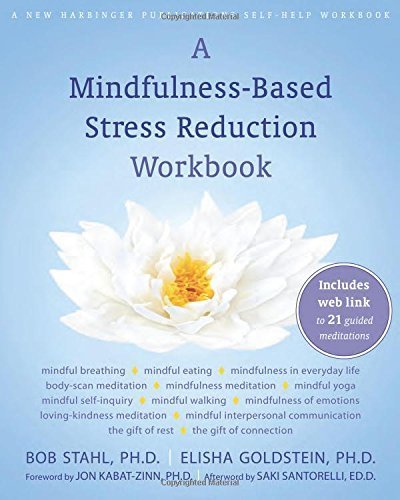
A Mindfulness-Based Stress Reduction Workbook: Bob Stahl, Elisha Goldstein, Saki Santorelli, Jon Kabat-Zinn
The method that ends our madness.” ―Stephen Levine, author of Who Dies?, A Year to Live, and Unattended Sorrow “For anyone drawn to a path of mindfulness, this workbook will provide a clear and access
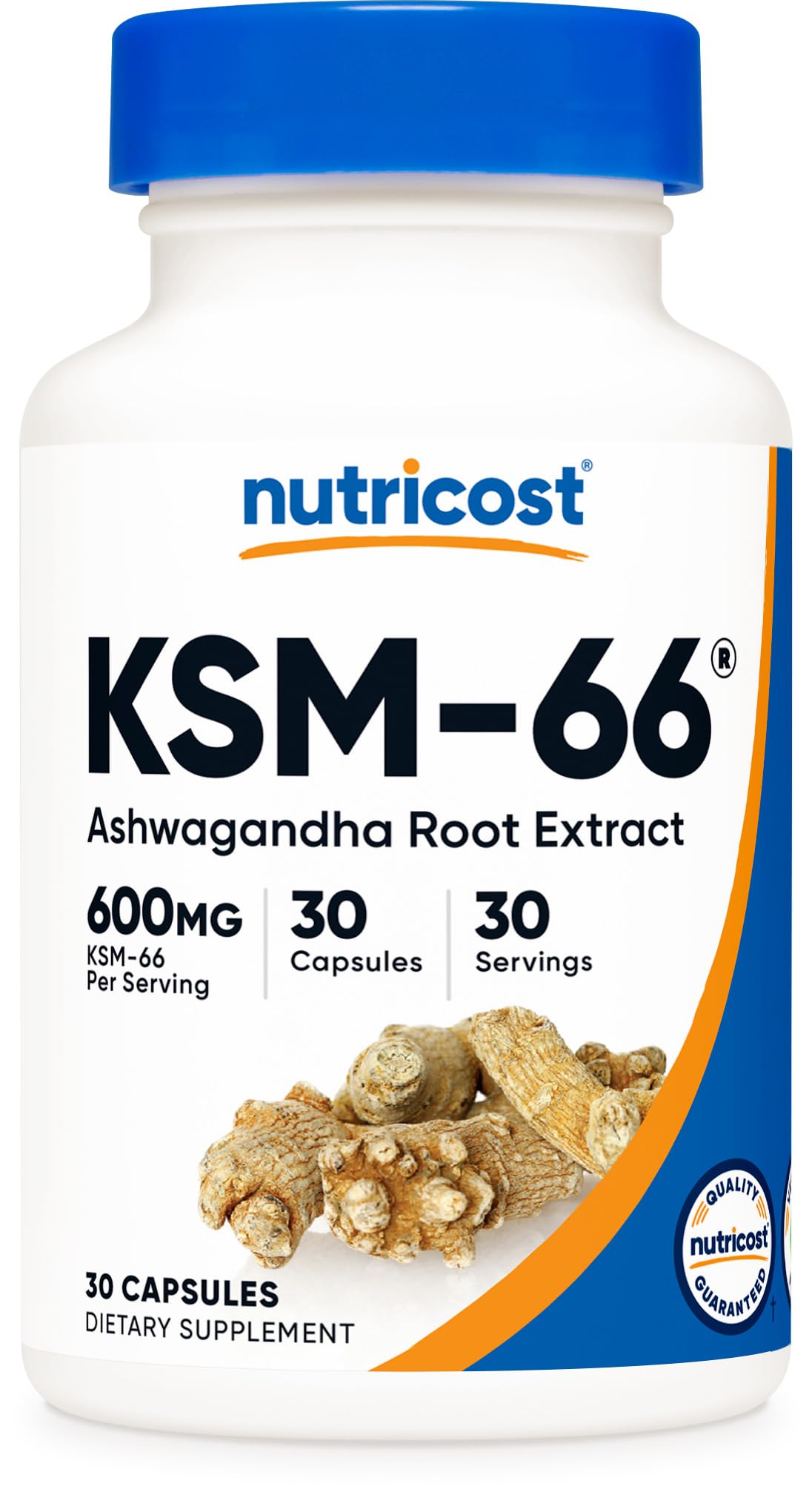
Nutricost KSM-66 Ashwagandha Root Extract 600mg, 60 Veggie Caps - 5% Withanolides - with BioPerine - Full-Spectrum Root Extract
Nutricost Ashwagandha Herbal Supplement 600mg, 120 Capsules - Vegetarian, Non-GMO, Gluten Free, Ashwagandha Root ... THORNE - Ashwagandha - Highly Concentrated Shoden - Calming Stress Support for Wome

NOW FOODS Rhodiola 500MG 3PCT Extract60 VCAP, 60 CT
3% STANDARDIZED EXTRACT: NOW Rhodiola is <strong>standardized to 3% total rosavins and 1% salidroside</strong>
Evidence & Sources
Supported by multiple clinical trials and systematic reviews
- World Health Organization (WHO)
- National Institute of Mental Health (NIMH)
- National Institute for Health and Care Excellence (NICE)
- American Psychiatric Association, Diagnostic and Statistical Manual of Mental Disorders (DSM-5-TR)
- The Lancet Psychiatry
- JAMA Psychiatry
- National Center for Complementary and Integrative Health (NCCIH)
- Cochrane Reviews
This content is for informational purposes only and does not constitute medical advice. Always consult a qualified healthcare provider before starting, stopping, or changing any supplement or medication regimen.