

IBS and Anxiety
IBS and anxiety frequently travel together through a shared gut–brain axis. IBS is a disorder of gut–brain interaction defined by recurrent abdominal pain with altered bowel habits, while anxiety encompasses excessive worry with physiological arousal. Epidemiologically, anxiety is far more common in people with IBS than in the general population, and IBS risk is elevated among those with anxiety, suggesting a bidirectional relationship. Mechanistically, chronic stress and hypothalamic–pituitary–adrenal (HPA) axis dysregulation, autonomic imbalance (reduced vagal tone), low-grade mucosal immune activation, and alterations in microbiota and microbial metabolites can sensitize visceral pain pathways and amplify interoceptive threat appraisal—core drivers of both IBS symptoms and anxiety. Serotonin signaling is central: about 95% of serotonin is produced in the gut, where it modulates motility and sensation; peripheral serotonergic changes may influence central mood circuitry via immune, neural, and metabolic routes. Clinically, the overlap has practical implications. Screening IBS patients for anxiety (and vice versa) improves care planning. Psychological therapies tailored to the gut–brain axis—particularly cognitive behavioral therapy (CBT, including gut-directed variants) and gut-directed hypnotherapy—show meaningful, durable improvements in global IBS symptoms, abdominal pain, and anxiety. Exercise, sleep optimization, and mindfulness-based practices support both conditions through autonomic and stress-coping pathways. Pharmacologically, antidepressants can help IBS even in the absence of major depression or anxiety: low-dose tricyclics reduce pain and slow diarrhea, while SSRIs/SNRIs may help global symptoms and comorbid anxiety, sometimes loosening stools (useful for IBS-C, potentially aggravating for IBS-D). Dietary therapy (especially a structured low-FODMAP approach with reintroduction) has strong evidence for IBS symptom control and may secondarily reduce ar
Updated September 8, 2026This content is for informational purposes only and does not constitute medical advice. Always consult a qualified healthcare provider before starting, stopping, or changing any supplement or medication regimen.
Shared Risk Factors
Chronic stress and HPA-axis dysregulation
Strong EvidencePersistent psychosocial stress elevates CRF and cortisol, heightening visceral sensitivity and motility changes while reinforcing hypervigilance and worry.
Female sex and hormonal fluctuations
Moderate EvidenceIBS and anxiety are both more prevalent in women; perimenstrual hormone shifts can modulate visceral pain and affect.
Early-life adversity (ACEs)
Moderate EvidenceChildhood adversity primes stress circuits and pain amplification, increasing risk for disorders of gut–brain interaction and anxiety.
Sleep disturbance/insomnia
Moderate EvidenceBidirectional links between poor sleep, pain sensitivity, and anxiety; sleep loss amplifies threat processing.
Gut microbiome dysbiosis and antibiotic exposure
Moderate EvidenceMicrobial diversity and metabolite shifts are associated with IBS; emerging psychobiotic research links microbiota to stress reactivity and mood.
Autonomic imbalance (low vagal tone)
Emerging ResearchReduced parasympathetic/vagal activity is observed in both conditions, affecting motility, inflammation, and arousal.
Serotonin signaling variants and tryptophan metabolism
Emerging ResearchPeripheral 5-HT regulates GI motility and pain; polymorphisms and kynurenine pathway shifts may influence central anxiety.
Low-grade mucosal immune activation/mast cells
Moderate EvidenceMast cells near enteric nerves correlate with pain in IBS; inflammatory mediators affect mood circuits.
Diet quality (high-FODMAP/ultra-processed patterns)
Moderate EvidenceFermentable carbohydrates and additives increase luminal distension; diet quality links to mood through metabolic and inflammatory pathways.
Physical inactivity
Moderate EvidenceRegular activity reduces IBS severity and anxiety; sedentariness increases risk for both.
Comorbidity Data
Prevalence
Meta-analyses estimate anxiety in IBS at roughly 30–40% (versus ~7–10% general population). Individuals with anxiety have 2–3× higher odds of IBS compared with controls.
Mechanistic Link
A bidirectional gut–brain axis integrates central stress circuits, autonomic output, enteroendocrine serotonin signaling, mucosal immune activity, and microbial metabolites. Stress and anxiety amplify top‑down threat appraisal of visceral signals, while peripheral sensitization (mast cells, cytokines, bile acids, 5‑HT) increases bottom‑up nociceptive input to the brain.
Clinical Implications
Routinely screen IBS patients for anxiety and address both domains. Consider sequencing: stabilize severe anxiety (sleep, CBT, SSRIs/SNRIs) to improve IBS self‑management, or start gut-focused therapy (CBT‑GI, hypnotherapy, low‑FODMAP) to reduce symptom-driven anxiety. Match antidepressant class to bowel pattern (TCAs often for IBS‑D; SSRIs may suit IBS‑C). Avoid long‑term benzodiazepines. Multidisciplinary care (GI, behavioral health, dietetics) improves outcomes.
Sources (3)
- Zamani M et al. Aliment Pharmacol Ther. 2019;50:132-143. doi:10.1111/apt.15223
- Mayer EA et al. J Clin Invest. 2015;125:926-938. doi:10.1172/JCI76304
- Cryan JF et al. Physiol Rev. 2019;99:1877-2013. doi:10.1152/physrev.00018.2018
Overlapping Treatments
Cognitive behavioral therapy (including gut-directed CBT)
Strong EvidenceImproves global IBS symptoms, pain, and quality of life; durable effects.
Reduces worry, catastrophic thinking, and avoidance; improves coping.
Access and therapist availability can limit uptake; digital/remote programs are alternatives.
Gut-directed hypnotherapy
Moderate EvidenceReduces pain, bloating, and bowel dysfunction via autonomic modulation and expectancy shifts.
Lowers arousal and anxiety, improves interoceptive tolerance.
Requires trained providers; response may take several sessions.
Antidepressants (SSRIs/SNRIs)
Moderate EvidenceMay improve global IBS symptoms and comorbid mood/anxiety via central modulation of pain.
First-line for many anxiety disorders.
SSRIs can loosen stools (helpful in IBS‑C, problematic in IBS‑D); side effects and activation should be monitored.
Low-dose tricyclic antidepressants (e.g., amitriptyline, nortriptyline)
Strong EvidenceAnalgesic effect and anticholinergic slowing benefit pain and diarrhea (IBS‑D).
Anxiolytic/sedating properties in some patients.
May worsen constipation (IBS‑C), cause dry mouth, somnolence; cardiac caution at higher doses.
Mindfulness-based stress reduction/meditation
Moderate EvidenceImproves pain acceptance and symptom-related distress.
Reduces anxiety and reactivity; enhances emotion regulation.
Requires practice consistency; effects build over weeks.
Exercise (aerobic/resistance)
Moderate EvidenceImproves transit and pain thresholds; reduces global severity.
Anxiolytic via HPA-axis and neurotrophic effects; improves sleep.
Start gradually to avoid symptom flares; aim for 150+ minutes/week as tolerated.
Sleep optimization and CBT-I
Moderate EvidenceBetter sleep reduces pain sensitivity and GI symptom flares.
Directly reduces anxiety severity and next-day arousal.
CBT-I access may be limited; digital programs can help.
Dietary therapy (low-FODMAP with structured reintroduction)
Strong EvidenceStrong evidence for reducing pain, bloating, and stool abnormalities.
Improves quality of life; may indirectly reduce anxiety by lowering symptom burden.
Use dietitian guidance; avoid unnecessary long-term restriction to protect microbiome and nutrition.
Probiotics/psychobiotics (strain-specific)
Emerging ResearchSome strains reduce bloating and pain; modest global benefits.
Emerging evidence for reduced stress/anxiety in select strains.
Strain and dose matter; benefits are modest and not universal.
Yoga and diaphragmatic breathing (vagal toning)
Moderate EvidenceMay reduce pain and normalize motility via autonomic balance.
Lowers physiological arousal and anxiety; improves HRV.
Choose gentle forms during flares; consistency is key.
Acupuncture
Emerging ResearchSome trials show improvement in global IBS symptoms and pain.
May reduce anxiety through autonomic and limbic modulation.
Evidence quality mixed; effects may depend on practitioner and protocol.
Medical Perspectives
Two Ways of Seeing Health

Western
scientific · clinical
Western medicine applies science, technology, and clinical experience to treat symptoms through testing, diagnosis, and targeted intervention.
Surgeons · Pharmaceuticals · Clinical trials · Diagnostics 
Eastern
traditional · alternative
Eastern medicine focuses on treating the body naturally by applying traditional knowledge practiced for thousands of years, emphasizing balance and whole-person wellness.
Acupuncture · Herbal medicine · Yoga · Meditation
Gold Bamboo presents both perspectives side-by-side so you can make informed decisions. We don't advocate for one over the other — your health choices are yours.
Two Ways of Seeing Health
Western
scientific · clinical
Western medicine applies science, technology, and clinical experience to treat symptoms through testing, diagnosis, and targeted intervention.
Eastern
traditional · alternative
Eastern medicine focuses on treating the body naturally by applying traditional knowledge practiced for thousands of years, emphasizing balance and whole-person wellness.
Gold Bamboo presents both perspectives side-by-side so you can make informed decisions. We don't advocate for one over the other — your health choices are yours.
Western Perspective
Western medicine frames IBS–anxiety comorbidity within the bidirectional gut–brain axis. Central stress circuits and cognitive–affective processes modulate visceral sensitivity, while peripheral gut factors (5‑HT signaling, immune activity, microbiota) influence brain function. Multimodal care—behavioral, dietary, and when appropriate pharmacologic—yields the best outcomes.
Key Insights
- Anxiety is common in IBS and independently worsens symptom severity and health care use.
- Treatments targeting central processing (CBT, hypnotherapy, antidepressants) can improve IBS even without major psychiatric diagnoses.
- Selecting antidepressants by bowel pattern (SSRIs for IBS‑C, TCAs for IBS‑D) can maximize benefit and minimize side effects.
- Low-FODMAP diet is effective for IBS symptoms; psychological therapies add incremental benefit on anxiety and QoL.
Treatments
- CBT (including GI‑focused variants) and gut-directed hypnotherapy
- Low-FODMAP diet with reintroduction; general diet quality improvement
- Antidepressants (TCAs, SSRIs/SNRIs) matched to bowel pattern
- Exercise, sleep optimization, mindfulness-based interventions
Deep Dive
From a Western viewpoint, IBS–anxiety comorbidity is a prototypical disorder of gut–brain interaction. Stress and anxiety heighten central sensi... From a Western viewpoint, IBS–anxiety comorbidity is a prototypical disorder of gut–brain interaction. Stress and anxiety heighten central sensitivity to visceral inputs, while peripheral changes in the gut—altered serotonin signaling, mast cell–neural crosstalk, bile acids, and microbial metabolites—amplify bottom‑up pain and dysmotility. These loops are maintained by attentional bias to gut sensations, fear‑avoidance behaviors (e.g., food or activity restriction), and poor sleep. Treatment therefore targets multiple nodes: cognitive behavioral therapy breaks catastrophic appraisals and safety behaviors; gut‑directed hypnotherapy normalizes autonomic tone and interoception; diet therapy (notably low‑FODMAP with careful reintroduction) reduces luminal triggers; regular exercise and sleep optimization downshift arousal. When medication is appropriate, low‑dose TCAs attenuate pain and slow diarrhea, while SSRIs/SNRIs treat anxiety and may aid global IBS symptoms—chosen thoughtfully by bowel pattern and side‑effect profile. Probiotics and mind–body practices offer adjunctive benefit for some, though effects are generally modest. The net principle is integrated care: screen for anxiety in IBS clinics, personalize a combined behavioral–dietary plan, and reserve pharmacotherapy strategically. This approach improves symptom burden, resilience, and quality of life more reliably than any single modality.
Sources
- Lacy BE et al. Am J Gastroenterol. 2021;116:17-44. doi:10.14309/ajg.0000000000001036
- Black CJ et al. Gut. 2020;69:1441-1451. doi:10.1136/gutjnl-2019-320041
- Dionne J et al. Neurogastroenterol Motil. 2018;30:e13154
- Ford AC et al. Am J Gastroenterol. 2019;114:1886-1900
Eastern Perspective
Eastern traditions view IBS and anxiety as interwoven disturbances of systemic balance. In Traditional Chinese Medicine (TCM), Liver Qi stagnation ‘overacting’ on Spleen/Stomach with attendant Shen disturbance explains stress-reactive bowels and anxious mood; treatment harmonizes Liver–Spleen, regulates Qi, and calms Shen via acupuncture and classic formulas. Ayurveda frames many IBS phenotypes as Vata‑dominant ‘Grahani’ with disturbed Agni (digestion) and rajas/tamas imbalance affecting mind; therapy pacifies Vata, stabilizes digestion, and soothes the nervous system through diet, herbs, yoga, and pranayama.
Key Insights
- Pattern differentiation (e.g., Liver–Spleen disharmony; Vata aggravation) guides individualized treatment of both gut and mind.
- Acupuncture and mind–body practices modulate autonomic tone, offering a physiological bridge to Western gut–brain models.
- Selected herbal formulas (e.g., Xiao Yao San; Tong Xie Yao Fang) and adaptogens (e.g., ashwagandha) show emerging evidence for mood and IBS symptoms.
Treatments
- Acupuncture protocols often using ST36, ST25, LR3, SP6, PC6, and CV12 to regulate gut and calm Shen
- TCM herbal formulas such as Xiao Yao San (Liver–Spleen disharmony with anxiety) and Tong Xie Yao Fang (painful diarrhea pattern)
- Ayurvedic approaches: Vata‑pacifying diet, regular routine, triphala for bowel regulation, and ashwagandha or brahmi for anxiety
- Yoga (gentle asana), pranayama (e.g., nadi shodhana), and meditation
Deep Dive
Eastern traditions converge on a unifying picture: emotional constraint and erratic routines disturb digestive harmony and mental calm. TCM attr... Eastern traditions converge on a unifying picture: emotional constraint and erratic routines disturb digestive harmony and mental calm. TCM attributes stress‑reactive bowels and anxiety to Liver Qi stagnation disrupting Spleen/Stomach, with resultant Shen unrest; acupuncture harmonizes these systems and calms the mind, while formulas like Xiao Yao San or Tong Xie Yao Fang move Qi, relieve pain, and stabilize stools. Ayurveda similarly locates many IBS patterns in Vata aggravation and impaired Agni, manifesting as variable appetite, bloating, and anxious restlessness. Treatment emphasizes predictability—warm, easily digested foods; regular meals and sleep; gentle asana and pranayama to steady the nervous system—and selected herbs (e.g., ashwagandha for anxiety, triphala for bowel regularity) tailored to the individual constitution. Modern studies suggest these practices influence autonomic balance and inflammatory signaling, paralleling Western gut–brain models. Evidence quality varies, so many clinicians use these modalities as adjuncts to established care, particularly when patients value holistic, lifestyle‑forward approaches. The shared therapeutic north star is regulation: restore rhythmicity in diet, movement, and rest; soothe the stress response; and align mind and gut through attentive, personalized practice.
Sources
- Manheimer E et al. Cochrane Database Syst Rev. 2012;CD005111
- Liu L et al. Neurogastroenterol Motil. 2015;27:1147-1157
- Cramer H et al. Clin Gastroenterol Hepatol. 2015;13:1698-1709
- Pratte MA et al. J Altern Complement Med. 2014;20:901-908
Evidence Ratings
Anxiety is significantly more prevalent in IBS than in the general population.
Zamani M et al. Aliment Pharmacol Ther. 2019;50:132-143.
Psychological therapies (CBT, hypnotherapy) improve global IBS symptoms and reduce anxiety.
Black CJ et al. Gut. 2020;69:1441-1451.
Low-dose TCAs reduce IBS pain and diarrhea; SSRIs/SNRIs help global symptoms and comorbid anxiety.
Ford AC et al. Am J Gastroenterol. 2019;114:1886-1900.
Low-FODMAP diet reduces IBS symptoms; indirect improvements in anxiety occur via symptom relief.
Dionne J et al. Neurogastroenterol Motil. 2018;30:e13154.
Gut microbiota influence brain function and stress responses relevant to IBS and anxiety.
Cryan JF et al. Physiol Rev. 2019;99:1877-2013.
Probiotics can modestly reduce anxiety in some populations; effects are strain-specific and inconsistent.
Ng QX et al. J Affect Disord. 2018;228:13-19.
Acupuncture may improve IBS symptoms and anxiety via autonomic modulation, but evidence quality is mixed.
Manheimer E et al. Cochrane Database Syst Rev. 2012;CD005111.
Sources
- Lacy BE, Pimentel M, Brenner DM, et al. ACG Clinical Guideline: Management of Irritable Bowel Syndrome. Am J Gastroenterol. 2021;116:17-44. doi:10.14309/ajg.0000000000001036
- Zamani M, Alizadeh-Tabari S, Zamani V. Systematic review with meta-analysis: the prevalence of anxiety and depression in irritable bowel syndrome. Aliment Pharmacol Ther. 2019;50(2):132-143. doi:10.1111/apt.15223
- Black CJ, Thakur ER, Houghton LA, Quigley EMM, Moayyedi P, Ford AC. Efficacy of psychological therapies for irritable bowel syndrome: systematic review and network meta-analysis. Gut. 2020;69(8):1441-1451. doi:10.1136/gutjnl-2019-320041
- Ford AC, Lacy BE, Talley NJ. Antidepressants for irritable bowel syndrome and functional dyspepsia: systematic review and meta-analysis. Am J Gastroenterol. 2019;114(12):1886-1900. doi:10.14309/ajg.0000000000000420
- Dionne J, Ford AC, Yuan Y, et al. Efficacy of a low FODMAP diet for IBS: systematic review and meta-analysis. Neurogastroenterol Motil. 2018;30(2):e13154. doi:10.1111/nmo.13154
- Staudacher HM, Whelan K. The low FODMAP diet in the management of IBS. Nutrients. 2017;9(9):936. doi:10.3390/nu9090936
- Peters SL, Yao CK, Philpott H, et al. Randomised clinical trial: hypnotherapy vs low-FODMAP diet for IBS. Aliment Pharmacol Ther. 2016;44(5):447-459. doi:10.1111/apt.13706
- Mayer EA, Tillisch K, Gupta A. Gut/brain axis and the microbiota. J Clin Invest. 2015;125(3):926-938. doi:10.1172/JCI76304
- Cryan JF, O’Riordan KJ, Cowan CSM, et al. The Microbiota–Gut–Brain Axis. Physiol Rev. 2019;99(4):1877-2013. doi:10.1152/physrev.00018.2018
- Ng QX, Peters C, Ho CYX, Lim DY, Yeo WS. A meta-analysis of probiotics for anxiety and depression. J Affect Disord. 2018;228:13-19. doi:10.1016/j.jad.2017.11.063
- Labus JS, Hollister EB, Jacobs J, et al. Microbiome–brain correlations in IBS. Microbiome. 2017;5:49. doi:10.1186/s40168-017-0272-0
- Barbara G, Stanghellini V, De Giorgio R, et al. Mast cell infiltration in IBS. Gut. 2004;53:1492-1498. doi:10.1136/gut.2003.035451
- Cramer H, Klose P, et al. Yoga for IBS: systematic review. Clin Gastroenterol Hepatol. 2015;13(9):1698-1709. doi:10.1016/j.cgh.2015.02.023
- Manheimer E, Cheng K, Wieland LS, et al. Acupuncture for IBS. Cochrane Database Syst Rev. 2012;(5):CD005111. doi:10.1002/14651858.CD005111.pub3
- Pratte MA, Nanavati KB, Young V, Morley CP. Ashwagandha for anxiety: meta-analysis. J Altern Complement Med. 2014;20(12):901-908. doi:10.1089/acm.2014.0177
- Everitt HA, Landau S, O’Reilly G, et al. ACTIB trial—CBT for IBS in primary care. Gut. 2019;68:1613-1623. doi:10.1136/gutjnl-2018-317805
Related Topics
Recommended Products

The Mind-Gut Connection: How the Hidden Conversation Within Our Bodies Impacts Our Mood, Our Choices, and Our Overall Health: Mayer, Emeran
With a simple, practical regimen drawn from the latest research, Dr. Mayer shows us that <strong>paying attention to the mind-gut balance is the key to unlocking vibrant health</strong>. Emeran Mayer,

IBgard Gut Health Supplement, Peppermint Oil Capsules for Abdominal Comfort, 48 Capsules
DAILY GUT-HEALTH GARD (1): IBgard can be taken daily and is clinically shown to help manage a combination of occasional symptoms: cramping, bowel urgency, diarrhea, constipation, bloating, and gas (1)
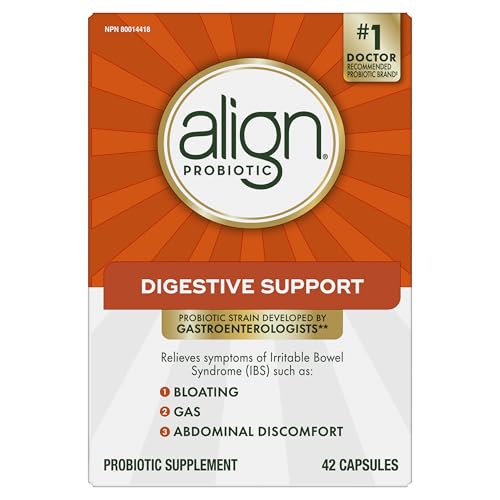
Align Probiotic Supplement 42 Caps
Align <strong>provides good bacteria to your digestive system which helps maintain healthy intestinal flora and relieve symptoms of IBS</strong>. Developed by leading gastroenterologists, this strain
Health Disclaimer
This content is for informational purposes only and does not constitute medical advice. Always consult a qualified healthcare provider before starting, stopping, or changing any supplement or medication regimen.