

Attention Deficit Hyperactivity Disorder
Also known as: ADHD, ADD
Overview
Attention-deficit/hyperactivity disorder (ADHD) is a neurodevelopmental condition characterized by persistent patterns of inattention, hyperactivity, and impulsivity that interfere with functioning or development. Although it is often identified in childhood, ADHD can affect children, adolescents, and adults, and its presentation may change over time. Some people primarily experience difficulties with focus, organization, forgetfulness, and task completion, while others have more prominent restlessness, impulsive behavior, or a combination of both.
ADHD is widely recognized as a common and clinically significant condition. Epidemiologic studies suggest it affects a notable proportion of school-age children worldwide, and many individuals continue to experience symptoms into adulthood. ADHD can influence academic performance, work productivity, relationships, emotional regulation, sleep, and daily functioning. It also commonly occurs alongside other conditions, including anxiety disorders, depression, learning disorders, sleep disturbances, oppositional behaviors, and substance use disorders. This overlap can complicate diagnosis and management.
Current understanding emphasizes that ADHD is not simply a matter of willpower, parenting style, or motivation. Research suggests it involves differences in brain development, executive functioning, attention regulation, reward processing, and self-regulation, with both genetic and environmental factors contributing. Risk influences studied in the literature include family history, prenatal exposures, low birth weight, prematurity, and psychosocial stressors, though no single factor explains all cases.
Because ADHD exists on a spectrum and symptoms can resemble or overlap with other concerns, careful evaluation by qualified healthcare professionals is important. Comprehensive assessment typically considers symptom history across settings, developmental background, educational or occupational impact, and possible coexisting conditions. A balanced discussion of ADHD often includes both conventional medical frameworks and traditional or integrative approaches, especially in areas such as lifestyle, diet, mind-body practices, and individualized supportive care.
Compare Treatment Options
Attention-deficit/hyperactivity disorder (ADHD) is a neurodevelopmental condition involving persistent patterns of inattention, hyperactivity, and/or impulsivity that interfere with daily life. It can affect school performance, work, relationships, emotional regulation, sleep, and self-management. Although often diagnosed in childhood, ADHD also affects many adolescents and adults. Presentation varies widely: some people mainly struggle with distractibility and disorganization, while others are more affected by restlessness, impulsive behavior, or a mix of both. Treatment options vary because ADHD is not a single uniform experience. Symptom severity, age, coexisting anxiety or sleep problems, occupational or school demands, medication preferences, and tolerance for side effects all shape care choices. In Western medicine, the strongest evidence generally supports stimulant medications, several non-stimulant medications, and structured behavioral interventions. In Eastern and integrative traditions, approaches such as acupuncture, mindfulness-based practices, and selected herbal strategies are used to support attention, stress regulation, sleep, and overall balance, though the evidence base is often smaller or more mixed. A balanced decision process usually considers both symptom relief and broader quality-of-life goals.
View treatment comparison (6 options)Medical Perspectives
Two Ways of Seeing Health

Western
scientific · clinical
Western medicine applies science, technology, and clinical experience to treat symptoms through testing, diagnosis, and targeted intervention.

Eastern
traditional · alternative
Eastern medicine focuses on treating the body naturally by applying traditional knowledge practiced for thousands of years, emphasizing balance and whole-person wellness.
Gold Bamboo presents both perspectives side-by-side so you can make informed decisions. We don't advocate for one over the other — your health choices are yours.
Western Medicine Perspective
Western / Conventional Medicine Perspective
In conventional medicine, ADHD is understood as a neurodevelopmental disorder defined by standardized diagnostic criteria, such as those in the DSM-5-TR. Symptoms are grouped into domains of inattention and hyperactivity-impulsivity, and diagnosis generally requires that symptoms begin in childhood, persist over time, occur in more than one setting, and cause meaningful impairment. Clinicians often distinguish between predominantly inattentive, predominantly hyperactive-impulsive, and combined presentations, while recognizing that symptom patterns can shift across the lifespan.
Research from neuroscience, genetics, and behavioral science suggests ADHD is associated with altered functioning in brain networks involved in executive control, working memory, inhibitory control, motivation, and timing. Family and twin studies indicate a substantial heritable component, while environmental and developmental factors may also shape risk and severity. Conventional assessment may include developmental history, behavioral rating scales, school or workplace reports, and screening for overlapping conditions such as anxiety, depression, autism spectrum disorder, sleep disorders, trauma-related symptoms, and learning differences.
Conventional management is typically multimodal. Evidence supports the use of behavioral interventions, psychoeducation, school or workplace accommodations, parent training in children, psychotherapy for coexisting concerns, and prescription medications in appropriate clinical contexts. Stimulant medications are among the most studied treatments, and non-stimulant medications are also used. At the same time, response varies widely, side effects may occur, and treatment planning is usually individualized. Nutritional approaches, sleep optimization, exercise, and digital supports are sometimes incorporated as adjunctive strategies, though evidence quality differs across interventions.
A western medical approach also places strong emphasis on monitoring function and safety over time, rather than focusing only on symptom reduction. Since ADHD may affect driving safety, educational attainment, occupational performance, and mental health, ongoing follow-up is often considered important. Individuals considering evaluation or treatment are generally encouraged to discuss options with licensed healthcare professionals who can assess benefits, limitations, and coexisting conditions.
Eastern & Traditional Perspective
Eastern / Traditional Medicine Perspective
In Traditional Chinese Medicine (TCM), symptoms associated with ADHD are not usually framed as a single disease category identical to modern psychiatric diagnosis. Instead, practitioners traditionally evaluate patterns involving Shen disturbance, imbalance of the Heart, Liver, Spleen, and Kidney systems, and disharmony affecting concentration, emotional regulation, and restlessness. Depending on the pattern, symptoms such as distractibility, agitation, impulsivity, poor memory, and sleep disruption may be interpreted through frameworks like Liver yang rising, phlegm misting the mind, Heart fire, or Spleen qi deficiency. Traditional care may include acupuncture, herbal formulas, dietary patterning, sleep regulation, and calming mind-body practices, with treatment individualized to the person’s overall constitution and presentation.
In Ayurveda, ADHD-like symptoms may be viewed through the lens of doshic imbalance, particularly disturbances involving Vata, which is associated with movement, mental activity, and nervous system regulation. Excess or dysregulated Vata is traditionally linked with restlessness, impulsivity, variable attention, and difficulty settling the mind. Ayurvedic practitioners may also consider the roles of Pitta and Kapha, digestive health, sensory overload, sleep quality, and developmental context. Traditional approaches can include daily routine (dinacharya), meditation, yoga, breathing practices, herbal preparations, oil therapies, and food choices intended to support steadiness and regulation.
From a broader integrative and naturopathic perspective, ADHD is often approached as a condition influenced by sleep, stress physiology, diet quality, movement, gut health, sensory environment, and micronutrient status, while acknowledging the importance of standard medical assessment. Some complementary therapies—such as mindfulness-based practices, yoga, physical activity, omega-3 supplementation, and certain elimination or nutrient-focused dietary strategies—have been studied with mixed but growing evidence. However, the quality of research is variable, and traditional systems generally emphasize that pattern-based care should be delivered by qualified practitioners and coordinated with conventional medical oversight when needed.
Overall, eastern and traditional systems tend to focus less on labeling and more on restoring balance, supporting daily rhythms, calming the mind, and improving resilience. These approaches may be explored as complementary frameworks, but they are not considered substitutes for formal diagnosis or emergency mental health care. Collaboration with appropriately trained healthcare providers is important, especially for children, complex cases, or situations involving significant impairment.
Related Topics
Anxiety
Anxiety — condition topic in the Gold Bamboo health ontology.
How They Relate
ADHD & Anxiety
Attention-deficit/hyperactivity disorder (ADHD) and anxiety disorders frequently co-occur across the lifespan. In children and adolescents with ADHD, about one-quarter to one-third have a current a...
Supplements & Products
Recommended Products

The Mindfulness Prescription for Adult ADHD: An 8-Step Program for Strengthening Attention, Managing Emotions, and Achieving Your Goals: Zylowska MD, Lidia, Siegel M.D., Daniel J.
If so, you may have Attention Deficit ... Dr. Lidia Zylowska has created <strong>an 8-step program for using mindfulness practice (attention and awareness training) to overcome the symptoms of ADHD</s

Carlson - The Very Finest Fish Oil, 1600 mg Omega-3s, Liquid Supplement, Norwegian, Wild-Caught, Sustainably Sourced , Lemon, 16.9 Fl Oz
Full content visible, double tap to read brief content. ... Directions: <strong>Take one teaspoonful one or two times a day AT MEALTIME</strong>. To retain freshness after initially opening the bottle

Doctors Best Bacopa with Synapsa, Supports Cognitive Performance, Non-GMO, Gluten Free, Soy Free, Vegan 60 Veggie Caps
Bacopa monnieri whole plant extract (from Synapsa, standardized to 55% Bacosides) 320 mg, Modified cellulose (vegetarian capsule), microcrystalline cellulose, silicon dioxide, magnesium stearate (vege
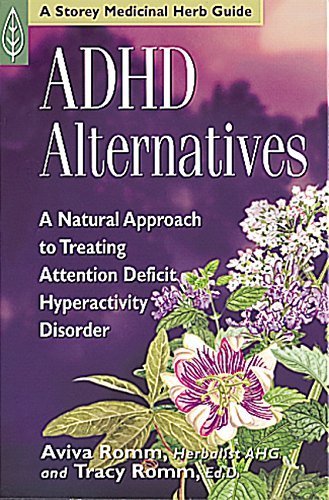
ADHD Alternatives: A Natural Approach to Treating ...
<strong>This guide focuses on the root causes of ADHD and offers a natural and holistic approach to combat the disorder</strong>, encouraging families to find solutions that don’t rely on psychostimul
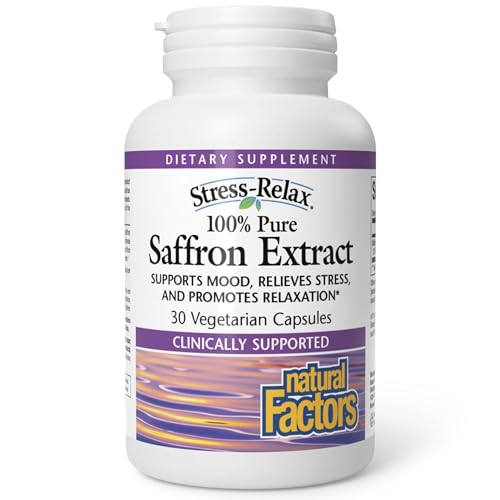
Natural Factors 100% Pure Saffron Extract - Supports Restful Sleep & Calm Outlook - Natural Herbal Supplement for Relaxation Support - 30 Vegetarian Capsules (30 Servings)
Whether you're navigating the ebbs and flows of every day or simply yearning for a moment of tranquility, this supplement is <strong>tailored to support relaxation</strong>. Saffron, long celebra

NOW Foods Supplements, Bacopa Extract (Bacopa monnieri) 450 mg, Promotes Brain Health*, 90 Veg Capsules
Himalaya Organic Bacopa Monnieri ... Organic, Non-GMO, 750 mg, 60 Plant-Based Caplets, 60 Day Supply ... Nutricost Bacopa Monnieri 1,000mg, 120 Capsules (60 Servings) - Non-GMO, Gluten Free, and Veget
Evidence & Sources
Supported by multiple clinical trials and systematic reviews
- American Psychiatric Association (DSM-5-TR)
- National Institute of Mental Health (NIMH)
- Centers for Disease Control and Prevention (CDC)
- American Academy of Pediatrics
- National Institute for Health and Care Excellence (NICE)
- Cochrane Database of Systematic Reviews
- The Lancet Psychiatry
- Journal of Attention Disorders
- NCCIH (National Center for Complementary and Integrative Health)
- World Federation of ADHD International Consensus Statement
This content is for informational purposes only and does not constitute medical advice. Always consult a qualified healthcare provider before starting, stopping, or changing any supplement or medication regimen.