

Depression and Anxiety
Depression and anxiety frequently travel together, share many risk factors, and respond to overlapping treatments. Epidemiologic studies show high bidirectional comorbidity: a large proportion of people with major depressive disorder (MDD) also meet criteria for an anxiety disorder, and vice versa. This pairing is more severe, more chronic, and associated with higher functional impairment and suicide risk than either condition alone. Shared vulnerabilities include genetic predisposition, neuroticism/negative affect, early-life adversity, chronic stress with HPA-axis dysregulation, inflammation, sleep disturbance, pain and other chronic medical illnesses, and substance use. Brain-circuit overlaps involve heightened amygdala salience responses, impaired top-down prefrontal regulation, and alterations in serotonergic, noradrenergic, dopaminergic, GABAergic, and glutamatergic signaling. Cognitively, depression’s rumination and anxiety’s worry are transdiagnostic thinking styles that maintain negative mood and arousal. These common roots explain why first-line treatments often help both. SSRIs and SNRIs improve core symptoms across the spectrum of depressive and anxiety disorders; cognitive-behavioral therapy (CBT), including transdiagnostic protocols like the Unified Protocol, target shared mechanisms (avoidance, cognitive distortions, emotion regulation). Exercise, sleep-focused therapy (CBT-I), and mindfulness-based interventions provide additional benefit. Where indicated, augmentation strategies (e.g., atypical antipsychotics for treatment-resistant depression, buspirone for generalized anxiety) may be used. Benzodiazepines can reduce acute anxiety but are not antidepressants and carry dependence and cognitive risks; they are generally avoided or used short term. An integrative view also recognizes potential roles for light therapy in circadian dysregulation, omega-3 (EPA-predominant) as adjunctive treatment, and, from an Eastern perspective, acupuncture and mind–-–
Updated September 8, 2026This content is for informational purposes only and does not constitute medical advice. Always consult a qualified healthcare provider before starting, stopping, or changing any supplement or medication regimen.
Shared Risk Factors
Genetic predisposition
Strong EvidenceCommon genetic variants contribute to both MDD and anxiety disorders with substantial genetic correlation.
Neuroticism/negative affect
Strong EvidenceA stable personality trait characterized by heightened sensitivity to threat and negative emotion; robustly predicts both conditions.
Childhood adversity/trauma
Strong EvidenceAbuse, neglect, and household dysfunction elevate risk via stress-system sensitization and cognitive/attachment impacts.
Sleep disturbance (insomnia, circadian disruption)
Strong EvidenceInsomnia prospectively increases risk for both; circadian disruption worsens mood/anxiety.
HPA-axis dysregulation/chronic stress
Moderate EvidenceAltered cortisol dynamics and stress reactivity link to symptom severity and persistence.
Inflammation/immune activation
Moderate EvidenceElevated CRP/IL-6/TNF-α associate with symptom severity and future risk; a subset appears inflammation‑high.
Chronic medical illness/pain
Strong EvidenceBidirectional worsening via inflammation, disability, and stress; pain is a strong transdiagnostic driver.
Substance use (alcohol/cannabis/nicotine)
Strong EvidenceBoth a risk factor and consequence; withdrawal and neuroadaptations exacerbate mood/anxiety.
Female sex/hormonal transitions
Moderate EvidencePeripubertal, peripartum, and perimenopausal periods carry higher risk, reflecting hormonal and psychosocial factors.
Low socioeconomic status/chronic life stressors
Strong EvidenceFinancial strain, discrimination, and unstable housing increase cumulative stress burden.
Comorbidity Data
Prevalence
Approximately 40–60% of individuals with MDD meet criteria for an anxiety disorder during their lifetime, and 40–60% of those with an anxiety disorder meet criteria for MDD; rates vary by cohort and disorder subtype.
Mechanistic Link
Shared genetic liability; transdiagnostic negative affect; overlapping neural circuits (amygdala hyperreactivity, impaired prefrontal control), monoaminergic/GABA–glutamate imbalance, HPA-axis and inflammatory dysregulation; cognitive processes of worry and rumination; behavioral avoidance and sleep disruption.
Clinical Implications
Comorbidity predicts greater symptom severity, chronic course, poorer quality of life, higher suicide risk, more medical comorbidity, and reduced treatment response. Screening for both is recommended; transdiagnostic treatments and SSRIs/SNRIs often address both. Monitor suicidality and substance use; consider stepped or combined care and measurement-based adjustments.
Sources (3)
- Kessler RC et al. Comorbidity of DSM-IV disorders in the National Comorbidity Survey Replication. Arch Gen Psychiatry. 2005;62(6):593-602.
- Lamers F et al. Comorbidity patterns of anxiety and depressive disorders: the NESDA study. Psychol Med. 2011;41(10):2041-2053.
- Brown TA et al. Current and lifetime comorbidity of DSM-IV anxiety and mood disorders. J Abnorm Psychol. 2001;110(4):585-599.
Overlapping Treatments
SSRIs (e.g., sertraline, escitalopram)
Strong EvidenceFirst-line efficacy for acute and maintenance treatment of MDD
First-line for multiple anxiety disorders (GAD, panic, social)
Start low–go slow to reduce initial activation; monitor suicidality in youth; sexual and GI side effects.
SNRIs (e.g., venlafaxine, duloxetine)
Strong EvidenceEffective for MDD, including with pain
Effective for GAD, panic; useful with comorbid pain
Can raise BP; discontinuation symptoms if stopped abruptly.
Cognitive-Behavioral Therapy (CBT)
Strong EvidenceComparable efficacy to meds for mild–moderate MDD; durable effects
Gold-standard for GAD, panic, social anxiety; exposure reduces avoidance
Requires engagement; access and cost can be barriers.
Unified Protocol / transdiagnostic CBT
Moderate EvidenceTargets emotion dysregulation and rumination
Addresses worry/avoidance across anxiety disorders
Therapist training availability varies.
Exercise (aerobic/resistance)
Moderate EvidencePrevents and treats depression; moderate-to-large effects
Reduces anxiety and stress reactivity
Dose–response; start gradually, tailor to comorbidities.
Sleep-focused therapy (CBT‑I)
Strong EvidenceImproves depressive symptoms via insomnia reduction
Reduces anxiety and hyperarousal; enhances treatment response
May transiently increase sleep restriction–related fatigue.
Mindfulness-based interventions (e.g., MBCT, MBSR)
Moderate EvidenceReduces relapse risk and residual symptoms
Moderate reductions in anxiety across disorders
Effects build over weeks; instructor quality matters.
Omega‑3 (EPA‑predominant) adjunct
Emerging ResearchAdjunctive benefit in MDD, especially EPA ≥60%
Emerging evidence for anxiety reduction in clinical samples
Modest effects; choose purified products; monitor for bleeding with anticoagulants.
Light therapy / circadian interventions
Moderate EvidenceEffective for seasonal and some nonseasonal depression
Improves sleep–anxiety cycles; reduces physiological arousal
Time of day and dose matter; screen for bipolar risk.
Acupuncture (adjunctive)
Emerging ResearchMay reduce depressive symptoms when added to usual care
May reduce anxiety symptoms and autonomic arousal
Heterogeneous protocols; evidence quality varies.
Yoga/Tai Chi/Qigong
Moderate EvidenceSmall-to-moderate mood benefits and stress reduction
Reduces anxiety and improves autonomic balance
Best as adjuncts; adapt for physical limitations.
GABAergic supports (e.g., magnesium, L‑theanine, PharmaGABA)
Emerging ResearchPossible calming and sleep benefits that can ease depressive symptoms secondary to anxiety/insomnia
May reduce subjective anxiety; mechanisms may be indirect or peripheral
Oral GABA has limited BBB penetration; evidence mixed—see site article on GABA and Natural Calm.
Medical Perspectives
Two Ways of Seeing Health

Western
scientific · clinical
Western medicine applies science, technology, and clinical experience to treat symptoms through testing, diagnosis, and targeted intervention.
Surgeons · Pharmaceuticals · Clinical trials · Diagnostics 
Eastern
traditional · alternative
Eastern medicine focuses on treating the body naturally by applying traditional knowledge practiced for thousands of years, emphasizing balance and whole-person wellness.
Acupuncture · Herbal medicine · Yoga · Meditation
Gold Bamboo presents both perspectives side-by-side so you can make informed decisions. We don't advocate for one over the other — your health choices are yours.
Two Ways of Seeing Health
Western
scientific · clinical
Western medicine applies science, technology, and clinical experience to treat symptoms through testing, diagnosis, and targeted intervention.
Eastern
traditional · alternative
Eastern medicine focuses on treating the body naturally by applying traditional knowledge practiced for thousands of years, emphasizing balance and whole-person wellness.
Gold Bamboo presents both perspectives side-by-side so you can make informed decisions. We don't advocate for one over the other — your health choices are yours.
Western Perspective
Western medicine views depression and anxiety as distinct DSM-5 categories with substantial shared etiology and overlapping pathophysiology. A dimensional, transdiagnostic perspective (e.g., RDoC) emphasizes common mechanisms—negative affect, threat sensitivity, cognitive biases, and arousal—explaining frequent comorbidity and similar treatment response to SSRIs/SNRIs and CBT.
Key Insights
- High lifetime comorbidity and bidirectional risk
- Shared genetic and neurobiological substrates (amygdala–prefrontal circuitry; monoamine/GABA–glutamate; HPA/inflammation)
- Transdiagnostic cognitive/behavioral processes (rumination, worry, avoidance)
- Measurement-based, stepped, and combined care improve outcomes
Treatments
- SSRIs/SNRIs
- CBT and Unified Protocol
- CBT‑I and sleep/circadian interventions
- Exercise and behavioral activation
- Mindfulness-based therapies
- Adjuncts: omega‑3 (EPA), light therapy; carefully selected augmentation
Deep Dive
From a Western biomedical lens, depression and anxiety lie on a spectrum of internalizing psychopathology characterized by heightened negative a... From a Western biomedical lens, depression and anxiety lie on a spectrum of internalizing psychopathology characterized by heightened negative affect, threat sensitivity, and impaired regulation. High comorbidity reflects shared vulnerabilities: genetic correlations, alterations in amygdala–prefrontal circuits, monoaminergic and GABA/glutamate signaling shifts, dysregulated HPA axis, and inflammatory activation. Cognitively, worry and rumination perpetuate symptoms; behaviorally, avoidance and inactivity sustain impairment. Assessment should screen for both conditions, suicidality, substance use, sleep disorders, and medical contributors (e.g., thyroid disease, pain). Measurement-based care (e.g., PHQ‑9, GAD‑7, PHQ‑4) guides stepped or combined treatment. First-line options with cross-diagnostic efficacy include SSRIs/SNRIs and CBT. Transdiagnostic CBT/Unified Protocol targets emotion regulation, cognitive distortions, and avoidance; CBT‑I addresses insomnia, often unlocking improvements in both mood and anxiety. Adjunctive strategies include exercise, mindfulness-based therapies, light/circadian interventions, and omega‑3 (EPA‑predominant). For partial response, consider augmentation (e.g., atypical antipsychotic for resistant depression; buspirone for GAD), ensuring close monitoring. Benzodiazepines may offer short-term anxiolysis but are not antidepressants and carry dependence/cognitive risks; prioritize alternatives. Comorbidity signals a need for longer duration of therapy, relapse prevention planning, and coordinated care with attention to medical comorbidities and psychosocial stressors.
Sources
- Kessler RC et al. Arch Gen Psychiatry. 2005;62:593-602.
- Cuijpers P et al. The effects of cognitive therapy... World Psychiatry. 2021;20(2):275-284.
- Craske MG et al. Anxiety disorders. Nat Rev Dis Primers. 2017;3:17024.
- Wray NR et al. Genome-wide association analyses identify 44 risk variants for MDD. Nat Genet. 2018;50:668-681.
- Anttila V et al. Analysis of shared heritability in common disorders. Science. 2018;360:eaa8757.
- Stetler C, Miller GE. Psychol Bull. 2011;137:4-80.
Eastern Perspective
In Traditional Chinese Medicine (TCM), depression and anxiety reflect disturbances of Shen (mind/spirit) arising from disharmonies such as Liver Qi stagnation, Heart–Spleen deficiency, Phlegm-Heat harassing the Heart, or Kidney Yin deficiency with Heart Fire. Patterns overlap, mirroring clinical comorbidity. Treatment aims to restore flow and balance through acupuncture, herbal formulas, and mind–body practices that calm the Shen and regulate Qi.
Key Insights
- Shared root–branch view: common underlying disharmony with varied presentations
- Acupuncture modulates autonomic tone and stress pathways; potential benefit for both conditions
- Mind–body practices (qigong, tai chi, meditation) cultivate regulation of breath/attention, reducing rumination and worry
- Herbal formulas (e.g., Xiao Yao San, Gan Mai Da Zao Tang) are used pattern‑specifically; evidence is growing but heterogeneous
Treatments
- Acupuncture points often include HT7, PC6, LR3, GV20, ST36, SP6
- Herbal approaches individualized to pattern (e.g., Xiao Yao San for Liver Qi stagnation)
- Qigong, Tai Chi, breathwork/meditation to calm Shen and regulate autonomic function
Deep Dive
Eastern traditions, especially TCM, conceptualize depression and anxiety as manifestations of disturbed Shen due to interrelated pattern imbalan... Eastern traditions, especially TCM, conceptualize depression and anxiety as manifestations of disturbed Shen due to interrelated pattern imbalances (e.g., Liver Qi stagnation constraining emotional flow, Heart–Spleen deficiency depleting qi/blood, Phlegm-Heat clouding the mind, or Kidney Yin deficiency failing to anchor the Heart). This framework naturally accommodates comorbidity: one root disharmony can branch into both low mood and inner agitation. Treatment engages layered strategies to restore harmony. Acupuncture selections such as HT7 (calm Shen), PC6 (regulate Heart, relieve chest tightness), LR3 (soothe Liver), GV20 (lift spirit), ST36 and SP6 (tonify qi/blood) aim to rebalance autonomic tone and stress responsivity. Herbal formulas are individualized (e.g., Xiao Yao San for Liver Qi stagnation; Gan Mai Da Zao Tang for Heart yin deficiency with agitation), with cautious integration alongside conventional medications. Mind–body practices—qigong, tai chi, breathwork, and meditation—cultivate regulated breathing, posture, and attention, reducing somatic tension and the mental loops of worry/rumination. Modern studies suggest these modalities improve anxiety and depressive symptoms, with low adverse-event rates, though heterogeneity and risk of bias temper conclusions. In practice, an integrative plan might pair evidence-based pharmacotherapy and CBT with acupuncture and daily mind–body practice, tailored to the individual’s pattern, preferences, and safety considerations, and coordinated among providers.
Sources
- Smith CA et al. Acupuncture for depression. Cochrane Database Syst Rev. 2018;
- Armour M et al. Acupuncture for generalized anxiety disorder: systematic review. J Affect Disord. 2019;246:434-451.
- Goyal M et al. Meditation programs for psychological stress. JAMA Intern Med. 2014;174(3):357-368.
- Zou L et al. Tai Chi for depression and anxiety: systematic reviews/meta-analyses. Front Psychiatry. 2018;9:91.
Evidence Ratings
Depression and anxiety co-occur in roughly 40–60% of cases across the lifespan.
Kessler RC et al. Arch Gen Psychiatry. 2005;62:593-602; Lamers F et al. Psychol Med. 2011;41:2041-2053.
SSRIs/SNRIs are effective for both MDD and common anxiety disorders.
Craske MG et al. Nat Rev Dis Primers. 2017;3:17024; NICE Guidelines for depression/anxiety.
CBT, including transdiagnostic protocols, treats both conditions by targeting shared mechanisms.
Cuijpers P et al. World Psychiatry. 2021;20:275-284; Barlow DH et al. Unified Protocol trials.
Insomnia is a modifiable shared risk and treating it improves both depression and anxiety outcomes.
Baglioni C et al. Sleep Med Rev. 2011;15:339-345; Wu JQ et al. JAMA Psychiatry. 2015;72:1144-1151.
Inflammatory markers (e.g., IL-6, CRP) are elevated in subsets of both conditions and predict risk/severity.
Khandaker GM et al. JAMA Psychiatry. 2014;71:1121-1128; Valkanova V et al. Psychol Med. 2013;43:1113-1123.
Omega‑3 (EPA‑predominant) provides adjunctive benefit for depression and may reduce anxiety in clinical populations.
Mocking RJT et al. Transl Psychiatry. 2016;6:e756; Su KP et al. J Clin Psychiatry. 2018;79(4):17r11707.
Acupuncture can reduce depressive and anxiety symptoms when added to usual care, though evidence quality varies.
Smith CA et al. Cochrane Database Syst Rev. 2018; Armour M et al. J Affect Disord. 2019;246:434-451.
GABAergic nutritional supports (oral GABA, magnesium, theanine) may ease anxiety but CNS mechanisms are uncertain.
See site article: GABA and Natural Calm… (BBB and GABAergic supports); Abdulhadi B et al. Nutrients. 2023 review.
Sources
- Kessler RC et al. Comorbidity of DSM-IV disorders in the National Comorbidity Survey Replication. Arch Gen Psychiatry. 2005;62(6):593-602.
- Lamers F et al. Comorbidity patterns of anxiety and depressive disorders: the NESDA study. Psychol Med. 2011;41(10):2041-2053.
- Craske MG et al. Anxiety disorders. Nat Rev Dis Primers. 2017;3:17024.
- Cuijpers P et al. The effects of cognitive therapy as an anti-depressive treatment is falling: a meta-analysis. World Psychiatry. 2021;20(2):275-284.
- Wray NR et al. Genome-wide association analyses identify 44 risk variants for major depression. Nat Genet. 2018;50:668-681.
- Anttila V et al. Analysis of shared heritability in common disorders. Science. 2018;360(6395):eaap8757.
- Stetler C, Miller GE. Depression and hypothalamic–pituitary–adrenal activation: a meta-analysis. Psychol Bull. 2011;137:4-80.
- Khandaker GM et al. Association of serum IL-6 and CRP with future risk of depression. JAMA Psychiatry. 2014;71:1121-1128.
- Valkanova V et al. CRP, IL-6 and depression: meta-analysis. Psychol Med. 2013;43:1113-1123.
- Baglioni C et al. Insomnia as a predictor of depression: meta-analysis. Sleep Med Rev. 2011;15:339-345.
- Schuch FB et al. Physical activity protects against incident depression: meta-analysis. Am J Psychiatry. 2018;175(7):631-648.
- Aylett E et al. Exercise in the treatment of clinical anxiety: meta-analysis. BMC Health Serv Res. 2018;18:559.
- Wu JQ et al. CBT for insomnia and depression outcomes: meta-analysis. JAMA Psychiatry. 2015;72:1144-1151.
- Goyal M et al. Meditation programs for psychological stress. JAMA Intern Med. 2014;174:357-368.
- Mocking RJT et al. Meta-analysis and meta-regression of omega-3 for MDD. Transl Psychiatry. 2016;6:e756.
- Su KP et al. Omega-3 PUFAs for anxiety symptoms: meta-analysis. J Clin Psychiatry. 2018;79(4):17r11707.
- Smith CA et al. Acupuncture for depression. Cochrane Database Syst Rev. 2018;
- Armour M et al. Acupuncture for GAD: systematic review and meta-analysis. J Affect Disord. 2019;246:434-451.
- Hofmann SG et al. The effect of mindfulness-based therapy on anxiety and depression: meta-analysis. J Consult Clin Psychol. 2010;78:169-183.
- Barlow DH et al. Unified Protocol for Transdiagnostic Treatment of Emotional Disorders: RCTs and evidence base.
Related Topics
Recommended Products

Mind Over Mood: Change How You Feel by Changing the Way You Think
Greenberger and Padesky show how your thoughts affect your feelings and teach step-by-step skills so you can free yourself from painful moods. The first edition of this book was a classic--the second
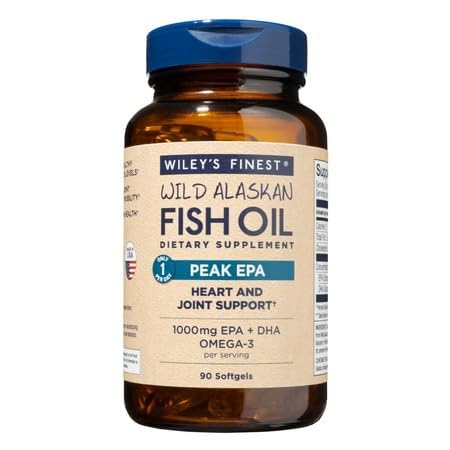
Wiley's Finest Wild Alaskan Fish Oil Peak EPA - Triple Strength Peak EPA & DHA Supplement - 1000mg Fish Oil - Omega-3s for Joint Health Support - 90 Softgels (90 Servings) : Everything Else
Omega-3 Fish Oil Supplement: Wiley’s Finest Peak EPA <strong>delivers 750mg EPA and 250mg DHA for a total of 1,000mg high potency fish oil to support heart and joint health in one daily fish oil pill<

Verilux HappyLight Luxe - Light Therapy Lamp with 10,000 Lux, UV-Free, LED Bright White Light with Adjustable Brightness, Color, Countdown Timer, & Stand - Boost Mood, Sleep, Focus (White)
Verilux HappyLight Lumi Plus - Light Therapy Lamp with 10,000 Lux, <strong>UV-Free, LED Bright White Light with Adjustable Brightness, Countdown Timer, & Detachable Stand - Boost Mood, Sleep, and
Health Disclaimer
This content is for informational purposes only and does not constitute medical advice. Always consult a qualified healthcare provider before starting, stopping, or changing any supplement or medication regimen.