Idiot’s Guide to Peptides: Simple Uses, Benefits & Safety
A plain‑English guide to peptides: what they are, how they work, benefits, safety, and buying tips—plus evidence levels for skin, fitness, and healing.
·12 min read
This content is for informational purposes only and does not constitute medical advice. Always consult a qualified healthcare provider before starting, stopping, or changing any supplement or medication regimen.
If you’ve searched for an “idiots guide to peptides,” you’re probably looking for a plain-English walk-through: what peptides are, what they’re used for, what actually has evidence, and how to stay safe. This guide keeps things simple, honest, and practical—bridging what research suggests with how peptides are traditionally used in food and skincare.
What Are Peptides? A Simple, Non-Technical Explanation
Peptides are short chains of amino acids—the same building blocks that make up proteins. If a protein is a long sentence, a peptide is a short phrase. Your body naturally makes thousands of different peptides that act like messengers, turning cellular processes on and off.
Proteins = long chains of amino acids
Peptides = short chains (usually 2–50 amino acids)
Amino acids = single “letters”
In daily life, “peptides” show up in a few places:
In skincare, topical peptides are added to creams and serums to support the skin’s own repair signals.
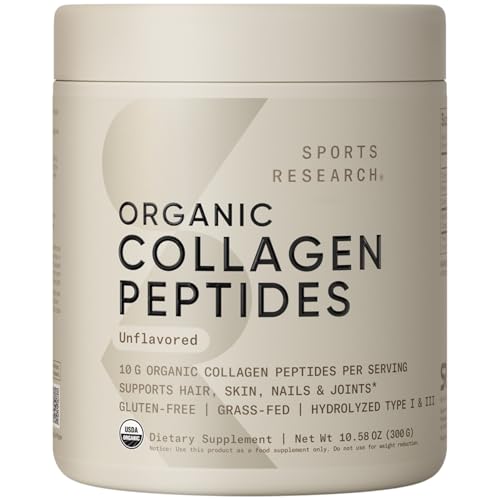
In nutrition, collagen peptides are broken-down pieces of collagen that are easier to absorb.
In medicine, some peptide drugs (like insulin or GLP‑1 analogs) mimic or enhance natural hormones. These are prescription-only and should be used under medical guidance.
How Peptides Work in the Body — Mechanisms Made Easy
Peptides are best understood as gentle “nudges” to the body’s existing systems.
Signaling messengers: Many peptides bind to receptors on cell surfaces—like keys fitting locks—to send messages (for example, “make more collagen,” “reduce inflammation,” or “release insulin”).
Matrikines for skin: Some skincare peptides are fragments of collagen or elastin. When cells detect these fragments, they interpret them as a signal to repair and rebuild.
Enzyme modulation: Certain food-derived peptides can gently influence enzymes that regulate blood pressure or inflammation.
Hormone mimics: Some medical peptides act like natural hormones (e.g., GLP‑1 analogs for blood sugar), but these are regulated medications.
Eastern and Western perspectives both recognize peptide activity—just with different language. In East Asia, foods like fermented dairy or fish have been valued for vitality and vascular health; modern analysis shows they contain bioactive peptides. Western medicine isolates those same molecules, tests them in trials, and sometimes develops them into prescription therapies.
Common Peptides and Their Typical Uses (Skin, Fitness, Healing)
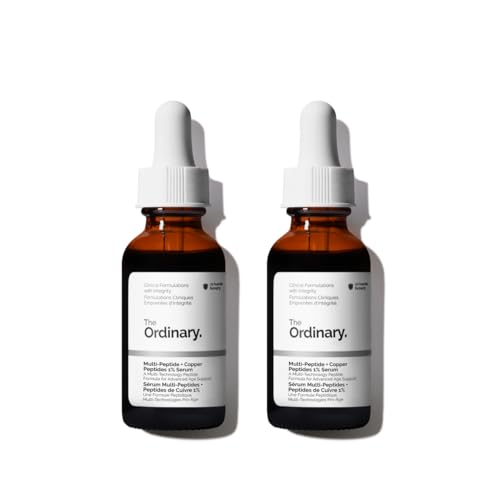
Copper peptide (GHK‑Cu): A small peptide complexed with copper; traditionally used in wound care and widely included in anti‑aging serums.
Palmitoyl peptides (e.g., palmitoyl pentapeptide‑4, “Matrixyl”): Cosmetic peptides designed to promote visible firmness and smoothness.
Acetyl hexapeptide‑8 (“Argireline”): A topical peptide sometimes called “topical botox‑like,” aimed at expression lines (without the injection or paralytic mechanism).
Vitamin C and Collagen Synthesis
“GH secretagogues” (e.g., CJC‑1295, ipamorelin): Marketed in fitness spaces; human evidence is limited and products are often unregulated. Not FDA‑approved for performance enhancement.
Marine and rice peptides: Traditional in East Asian diets; emerging evidence suggests antioxidant and vascular-supportive actions.
Tanning and Sexual Health
Melanotan I/II: Synthetic “tanning” peptides. Not approved for cosmetic tanning; reports of significant side effects and safety concerns. Generally not recommended.
Idiot’s Guide to Peptides: What the Research Says
We classify evidence levels as:
Strong: Multiple randomized controlled trials (RCTs) and meta‑analyses in humans
Moderate: Limited RCTs or consistent observational studies
Emerging: Early human data, small trials, or animal/cell research
Traditional: Historical or culinary use without strong modern clinical trials
Oral collagen peptides for skin hydration/elasticity: Moderate. Multiple RCTs show modest improvements in hydration, elasticity, and fine lines over 8–12 weeks; effects vary by dose and brand.
Copper peptide (GHK‑Cu) topically: Emerging to moderate. Lab and small human studies suggest support for wound healing and skin quality; large independent RCTs are fewer.
Palmitoyl pentapeptides (e.g., Matrixyl): Emerging to moderate. Cosmetic studies show improvements in wrinkle appearance versus placebo over weeks to months; independent replication is variable.
Acetyl hexapeptide‑8: Emerging. Small studies suggest a mild softening of expression lines; results are typically subtle compared to in‑office neuromodulators.
EGF in skincare: Emerging to moderate. Dermatology‑supervised use shows improvements in texture and post‑procedure healing; accessibility and product quality vary.
Fitness, Joints, and Performance
Collagen peptides for joint comfort in active individuals: Moderate. Several RCTs report reduced activity‑related joint discomfort and improved function; best when combined with targeted exercise.
Prescription GLP‑1 analogs for weight and glycemic control: Strong—but medical only. Robust trials show significant benefits under clinician care.
GH secretagogues (CJC‑1295, ipamorelin) for muscle/lean mass: Emerging at best. Limited human data; safety and quality concerns outside medical settings.
Healing and Recovery
BPC‑157, TB‑500: Emerging. Mostly animal and cell studies with promising mechanisms; well‑controlled human trials are scarce. Quality and legality issues are common.
Thymosin alpha‑1: Moderate for select indications outside the U.S.; evidence is mixed and condition‑specific. Medical supervision required.
KPV: Emerging. Early preclinical anti‑inflammatory signals; human data limited.
Metabolic and Cardiovascular Wellness
Lactotripeptides (VPP/IPP) for mild blood pressure support: Moderate. Meta‑analyses of small RCTs suggest modest systolic/diastolic reductions; not a substitute for antihypertensive therapy.
Marine/rice peptides for vascular support: Emerging to moderate depending on product and study; more research needed.
Tanning and Sexual Health
Melanotan I/II for tanning or libido: Not recommended. Safety concerns and regulatory warnings; benefits do not outweigh risks.
Risks, Side Effects, and Safety Precautions
General safety themes
Quality variability: Many non‑prescription peptides are sold as “research chemicals,” which can be contaminated, mislabeled, or incorrectly dosed.
Allergic reactions: Any peptide can provoke irritation or rash topically, or more serious reactions if injected.
Endocrine effects: Hormone‑like peptides may alter insulin, growth hormone, or other axes; unintended consequences are possible.
Skin changes: Tanning peptides have been linked to darkening of moles and other pigment changes; melanoma risk is a concern.
Injection risks: Without medical guidance, injections carry infection and injury risks.
Doping rules: Some peptides are prohibited in sport; athletes should consult anti‑doping guidelines.
Drug interactions and conditions: Blood pressure, glucose, thyroid, and autoimmune conditions can be affected by peptide products.
Regulatory realities
Prescription peptides (e.g., insulin, GLP‑1 analogs) should only be used under clinician supervision and dispensed by licensed pharmacies.
Many “gray market” peptides are not approved for human use. If you see “not for human consumption” or “for research only,” consider that a red flag for personal use.
Who should avoid or seek extra caution
Pregnant or breastfeeding individuals
People with personal or family history of skin cancer (for tanning peptides)
Those on multiple medications or with chronic illnesses—consult a healthcare professional first
How to Choose Products, Verify Quality, and Read Labels
Source transparency: Bovine vs. marine collagen, with heavy metal testing disclosed for marine sources.
Realistic claims: Products should avoid “miracle” promises and instead present measured, time‑bound expectations.
For prescription peptides
Work with licensed clinicians and PCAB‑accredited compounding pharmacies or FDA‑approved products.
Avoid direct‑to‑consumer vials labeled “research only” or “not for human use.”
Label red flags
Vague blends with no amounts listed
Claims to “cure,” “reverse aging,” or “melt fat”
Lack of contact information or testing certificates (COAs)
Affiliate-friendly picks to consider
Many people find Hydrolyzed Collagen Peptides Powder convenient for mixing into coffee or smoothies; choose one with third‑party testing and transparent sourcing.
If you’re exploring peptide serums, a simple Peptide-Friendly Moisturizer can help minimize irritation by keeping your routine gentle and consistent.
Daily sun protection pairs well with any anti‑aging routine; a broad‑spectrum Sunscreen SPF 50 helps protect skin while your peptide products do their quiet work overnight.
Note: These are not medical endorsements, and results vary. Choose products that align with your goals and discuss changes with a qualified professional if you have medical conditions.
Practical Dosing, Administration Routes, and a Short FAQ
Important: For prescription or injectable peptides, dosing and administration should be individualized by a licensed clinician. The notes below focus on common, over‑the‑counter approaches and general principles.
Common routes
Topical: Creams and serums applied to clean skin, usually once or twice daily.
Oral: Powders or capsules (e.g., collagen peptides, fermented-food peptides).
Injectable or intranasal: Prescription-only or research contexts—use only under medical supervision.
Reasonable, research-consistent patterns
Collagen peptides (oral): Studies often use about 2.5–10 g daily for 8–12 weeks for skin and joint endpoints. Take at a time you’ll remember; pairing with a source of vitamin C may support collagen synthesis.
Topical peptide serums: Apply a pea‑sized amount to face/neck after cleansing. Layer under a moisturizer. Introduce slowly (e.g., once daily for a week) to assess tolerance.
Storage and handling
Follow the label. Some peptide cosmetics require cool, dark storage; prescription peptides may require refrigeration.
Watch expiration dates and discard products that change color, smell, or texture.
Smart use principles
Change one variable at a time so you can attribute effects accurately.
Give it time: Many trials show changes after 8–12 weeks.
Keep expectations measured: Peptides are nudges, not magic.
Short FAQ
Are peptides steroids? No. Steroids are a different class of molecules. Some peptides influence hormones, but they are not steroids.
Can peptides show up on a drug test? Some performance‑related peptides are banned in sport testing. Standard employment drug screens usually don’t check for them, but athletes should verify with anti‑doping authorities.
Can I combine peptides with retinoids or acids? Often yes, but introduce gradually to avoid irritation and consider alternating days.
Vegan or pescatarian options? Marine collagen is pescatarian; strictly vegan “collagen” is actually collagen‑supportive nutrients or plant peptides, not true collagen. Fermented‑food peptides (e.g., lactotripeptides) can be dairy‑derived; check labels or look for plant‑based peptide blends.
How long until I see results? Cosmetic and collagen studies often report changes in 8–12 weeks; joint comfort and skin hydration may be noticed sooner in some individuals.
Are food-based peptides enough? Traditional diets rich in fermented foods and fish provide bioactive peptides, which can complement lifestyle changes. Supplements can be convenient but aren’t mandatory for everyone.
Is Melanotan safe? It is not approved for cosmetic tanning, and safety concerns are substantial. Most people should avoid it.
Practical Takeaways
If you wanted the quickest “idiots guide to peptides”: they’re short proteins that nudge your body’s signals. Some have promising, measured benefits; others are overhyped.
Where research is strongest for everyday use: oral collagen for skin/joints (moderate evidence) and clinician‑prescribed peptide medications for medical conditions (strong evidence, but not DIY).
Skincare peptides can help appearance modestly over months; packaging, concentrations, and formulation quality matter.
Be choosy with products: third‑party testing for supplements, reputable brands for skincare, and licensed medical channels for prescriptions.
Safety first: avoid gray‑market injections, question miracle claims, and talk to a professional if you have conditions or take medications.
Disclaimer
This guide is for educational purposes and does not replace personalized medical advice. Peptide therapies—especially injections and hormone‑like agents—should be used only under the care of a qualified healthcare professional. If you have health conditions, are pregnant or breastfeeding, or take medications, consult your clinician before starting any peptide-containing product.
This content is for informational purposes only and does not constitute medical advice. Always consult a qualified healthcare provider before starting, stopping, or changing any supplement or medication regimen.
## What Are Peptides?
Peptides are short chains of amino acids — typically between 2 and 50 — linked by peptide bonds. They're smaller than proteins but biologically active in ways that have drawn in
How to Choose Quality Supplements: A Practical, Evidence‑Based Checklist. If you’ve ever stood in a supplement aisle wondering how to choose quality supplements, you’re not alone. With thousands of brands and bold promises, it’s hard to know what’s safe, effective, and worth your money. This guide offers a practical, evidence‑based checklist you can use today—blending wes
If you’re exploring herbal supplements, you’re likely asking two big questions: Do they work, and how do I choose safe, high-quality options? This guide explains what herbal supplements are, what the
Collagen Supplement Side Effects: Risks, Who's at Risk, and Safety Tips. If you’re curious about collagen supplement side effects, you’re not alone. Collagen powders and capsules are everywhere, and while most people tolerate them well, some do experience digestive symptoms, headaches, or allergic reactions. This guide reviews what collagen is, why people take it, the mo
Supplements to Boost Athletic Performance: Evidence‑Based Guide for Athletes. If you train hard, you’ve likely wondered which supplements to boost athletic performance actually work—and which are just hype. This guide bridges western sports nutrition research with time‑tested traditional options so you can choose strategically, dose correctly, and stay safe.
We group ergogen
Cordyceps Benefits: Evidence, Uses, Dosage & Safety. If you’ve heard about cordyceps benefits for energy, immunity, and lung health, you may be wondering what’s real, what’s hype, and how to use it safely. This guide blends Western research with Eastern tradition, outlines the quality of evidence behind each claim, and offers practical advice on choos