A balanced, evidence-forward guide to cordyceps benefits: energy, immunity, respiratory support, mechanisms, dosage, safety, and how to choose a quality supplement.
·10 min read
This content is for informational purposes only and does not constitute medical advice. Always consult a qualified healthcare provider before starting, stopping, or changing any supplement or medication regimen.
If you’ve heard about cordyceps benefits for energy, immunity, and lung health, you may be wondering what’s real, what’s hype, and how to use it safely. This guide blends Western research with Eastern tradition, outlines the quality of evidence behind each claim, and offers practical advice on choosing and using cordyceps.
What are cordyceps? Types (C. sinensis vs C. militaris) and traditional use
Cordyceps are medicinal fungi long used in Traditional Chinese Medicine (TCM) to “tonify the Lung and Kidney,” a concept often applied to fatigue, low libido, and chronic respiratory issues. Two species dominate modern use:
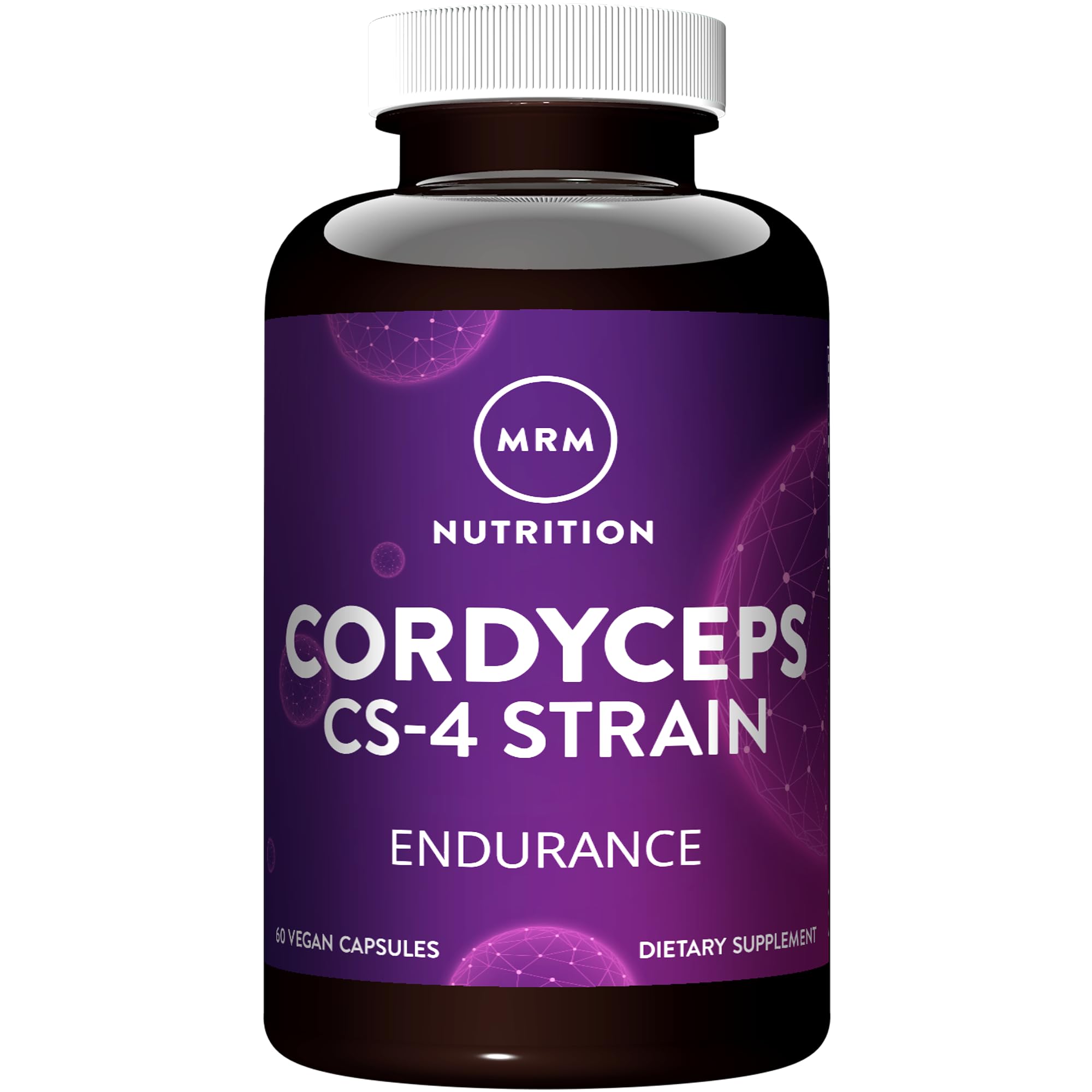
Ophiocordyceps sinensis (formerly Cordyceps sinensis): The famed wild “caterpillar fungus” from the Tibetan Plateau. Wild-harvested sinensis is scarce, expensive, and at risk for contamination and adulteration. Most research in China used a cultured mycelial product known as CS-4 rather than wild fruiting bodies.
Cordyceps militaris: An orange club-shaped mushroom that’s readily cultivated. It naturally concentrates cordycepin (3′-deoxyadenosine), a key active compound that is present only in low amounts in many sinensis mycelial products.
Traditionally used for:
Persistent fatigue and low vitality
Cough, wheeze, and shortness of breath
Sexual function and “essence” (jing)
From a modern perspective, cordyceps is explored for endurance, immune modulation, respiratory support, and metabolic health. Importantly, not all cordyceps are the same—species, part of the fungus (fruiting body vs mycelium), and extraction method influence effects.
Cordyceps benefits: What the research says
Below, we classify evidence as strong (multiple RCTs/meta-analyses), moderate (limited RCTs/observational human studies), emerging (pilot trials/preclinical), or traditional (historical use without modern clinical evidence).
Energy and endurance (moderate for older or untrained adults; emerging for athletes)
What studies indicate: Several small randomized trials in older or untrained adults report modest improvements in VO2 max, ventilatory threshold, or time-to-exhaustion after 3–8 weeks of CS-4 or C. militaris extracts. In trained athletes, results are mixed, with many studies showing no significant performance gains.
Practical meaning: If you’re deconditioned or returning to exercise, cordyceps may help nudge aerobic capacity. If you’re already well-trained, benefits are less predictable.
What research suggests: Cordyceps polysaccharides (including beta-glucans) appear to modulate innate and adaptive immunity in lab and animal studies—enhancing surveillance while tempering excessive inflammation. Early human data suggest shifts in natural killer (NK) cell activity and inflammatory markers, but trials are small and heterogeneous.
Respiratory health (emerging to moderate as adjunctive support)
Traditionally used for coughs and breathlessness. Modern pilot studies in people with chronic obstructive pulmonary disease (COPD) report small improvements in 6‑minute walk distance, FEV1, and symptom scores when cordyceps mycelium is added to standard therapy. Trials tend to be short and limited in size. Evidence in asthma is preliminary.
Practical meaning: Cordyceps may be a reasonable adjunct for respiratory wellness under clinical guidance, not a replacement for prescribed medications.
Libido and sexual health (traditional with emerging preclinical support)
TCM historically used cordyceps to support libido and reproductive vitality. Animal studies find increases in testosterone and improvements in sperm parameters with cordyceps extracts. Human evidence is sparse and generally low quality. Treat this as traditional use supported by preliminary mechanistic hints.
Metabolic effects (emerging)
Early human studies and a larger body of animal research suggest cordyceps may influence glucose and lipid metabolism—improving insulin sensitivity, fasting glucose, or triglycerides in some contexts. Human trials are small and require replication. People with diabetes should use caution and monitor glucose closely.
How cordyceps may work: proposed mechanisms and active compounds
Cordyceps contains multiple bioactive molecules; effects likely arise from their combined action.
Cordycepin (3′-deoxyadenosine) and adenosine: These nucleoside analogs can influence cellular energy signaling. Laboratory studies suggest cordycepin may activate AMPK (an energy sensor), downshift overactive mTOR signaling, and inhibit NF‑κB, a transcription factor involved in inflammatory pathways. Adenosine receptor activity may contribute to vasodilation and bronchodilation, potentially supporting oxygen delivery and respiratory comfort.
Polysaccharides and beta‑glucans: These large molecules engage pattern-recognition receptors such as Dectin‑1 and complement receptor 3 (CR3) on immune cells. The effect is immunomodulatory—“training” innate immunity to respond more efficiently while dampening excessive inflammatory noise. See our deeper dive on mushroom beta‑glucans in the linked immunology article above.
Antioxidant and cytoprotective effects: Cordyceps extracts can upregulate Nrf2 and endogenous antioxidant enzymes in preclinical models, potentially protecting mitochondria and supporting ATP production efficiency.
Nitric oxide and endothelial function: Some studies indicate increased nitric oxide bioavailability, which may improve blood flow to working muscles—one rationale for endurance claims (evidence remains preliminary).
Erythropoiesis and oxygen utilization: Animal data suggest possible effects on red blood cell parameters and 2,3‑BPG, theoretically aiding oxygen release to tissues. Human confirmation is limited.
HPA axis and “adaptogenic” context: Traditional framing as an adaptogen aligns with early findings of stress-modulating effects, but robust human data are still emerging.
Summary of human studies and evidence quality (what’s proven vs preliminary)
Energy/endurance: Moderate evidence for small improvements in aerobic capacity in older or untrained adults. Mixed/limited benefits in trained athletes. Study durations are short, typically 3–8 weeks, using 1–3 g/day of extract.
Immune modulation: Emerging evidence with promising mechanistic rationale; small trials show changes in immune markers but not definitive clinical outcomes.
Respiratory support: Emerging to moderate as an adjunct—some improvements in functional capacity and symptoms in COPD when combined with standard care, based on small RCTs and pilot studies.
Libido/sexual health: Traditional use with largely preclinical support; high‑quality human trials are lacking.
Metabolic health: Emerging; small human trials suggest modest improvements in glycemic or lipid measures in some participants, needing replication and larger, longer RCTs.
Overall evidence grade for cordyceps benefits: moderate-to-emerging depending on outcome, with the most consistent signal in endurance among less-trained adults and adjunctive respiratory support. Quality varies by species and extract.
Dosage, forms, and how to choose a quality supplement
Dosing in research varies by species, extract strength, and whether fruiting bodies or mycelium are used.
Typical adult ranges used in studies and practice:
CS‑4 (cultured Ophiocordyceps sinensis mycelium): 1,000–3,000 mg per day
Cordyceps militaris fruiting body extract: 500–1,500 mg once or twice daily (standardized extracts may require lower doses)
Tinctures (alcohol or dual extract): commonly 1–3 mL, one to three times daily (potency varies—follow label and consult a clinician)
Tea/decoction: 1–2 g dried material simmered; effects depend on raw material quality
What to look for in a supplement:
Species and part specified: Prefer C. militaris fruiting body or a clearly identified CS‑4 mycelial product from a reputable producer.
Extraction method: Dual extracts (hot water + alcohol) concentrate both polysaccharides/beta‑glucans and lipophilic compounds like cordycepin and sterols.
Standardization: Cordycepin content (often 1–2% in C. militaris extracts) and beta‑glucans (not “total polysaccharides” alone, which can be inflated by grain from mycelium‑on‑grain products). Look for beta‑glucan testing by specific assays, and cordycepin quantified by HPLC/UPLC.
Third‑party testing: Certificates of Analysis (COAs) for identity, potency, heavy metals, pesticides, and microbes. Trusted marks include NSF, USP, or ISO‑accredited lab reports. For athletes, “NSF Certified for Sport” or “Informed Choice” adds assurance.
Sourcing and sustainability: Avoid wild O. sinensis due to sustainability and contamination risks; cultivated options are more consistent and ethical.
If you prefer smoothies or coffee, a Mushroom Blend Powder can simplify daily use without making health claims.
How to take it:
Timing: Morning or early afternoon works well for most; a minority report mild stimulation, so avoid late evening.
With food: Can reduce the chance of stomach upset.
Start low, go slow: Begin at the low end of the range for 3–7 days and gauge response.
Safety, side effects, and interactions (who should avoid cordyceps)
Cordyceps is generally well tolerated in studies.
Common, usually mild effects:
Digestive upset (nausea, loose stools), dry mouth
Headache or restlessness in sensitive individuals
Use caution and consult a clinician if you:
Take blood thinners or have bleeding disorders: Cordyceps may have mild antiplatelet effects; monitor closely if using anticoagulants/antiplatelets.
Take diabetes medications: Emerging evidence for glucose effects means hypoglycemia is possible; monitor sugars and adjust therapy with your clinician.
Are on immunosuppressive therapy or post‑transplant: Immunomodulatory effects could conflict with treatment goals.
Have autoimmune conditions: Effects may vary—discuss with a specialist.
Are pregnant or breastfeeding: Safety data are insufficient—generally avoid.
Have mushroom/mold allergies: Risk of hypersensitivity.
Have surgery scheduled: Discontinue 1–2 weeks prior, given theoretical bleeding and immune considerations.
Product quality matters. Choose reputable brands with COAs to reduce contamination risk. For ongoing tracking (e.g., if you have diabetes), many people find a Bluetooth Glucose Meter useful for spotting trends and discussing adjustments with their clinician.
Practical usage tips and FAQs
How long until I notice effects?
Energy/endurance: 2–4 weeks is common in studies; combine with progressive training for the best chance of benefit.
Immune support: Subtle shifts may take weeks; focus on overall lifestyle (sleep, nutrition) alongside cordyceps.
Respiratory comfort: Adjunct benefits may be noticed within weeks when used with standard care.
Should I cycle cordyceps?
Many adopt a pragmatic approach—such as 5 days on/2 off, or 8–12 weeks on followed by a 2–4 week break—to assess sustained need and minimize tolerance. Evidence for cycling is mostly experiential.
Energy and stress: Rhodiola is another adaptogenic option that some combine with cordyceps; see our monograph: Rhodiola Rosea.
Focus and cognition: Many people combine cordyceps with lion’s mane for daytime productivity; evidence for each is distinct and still developing.
Any tips for powders vs capsules?
Capsules are simple and standardized. Powders are flexible for smoothies/coffee; a small Kitchen Scale and scoop help with consistent dosing. A Pill Organizer can improve adherence if you take multiple supplements.
When should I talk to a clinician?
If you have a chronic condition, take prescription medications, are pregnant/breastfeeding, or plan surgery
If you experience side effects or plan to use cordyceps as an adjunct for COPD, asthma, or diabetes
If you’re an athlete subject to drug testing—choose third‑party certified products
What the Research Says (quick reference)
Most consistent human signal: modest endurance support in older/untrained adults (moderate evidence)
Traditional with limited human data: libido/sexual function (traditional/emerging)
This information is for educational purposes and should not replace individualized medical advice. Work with a qualified clinician to tailor decisions to your health context.
This content is for informational purposes only and does not constitute medical advice. Always consult a qualified healthcare provider before starting, stopping, or changing any supplement or medication regimen.
Cordyceps. Cordyceps Sinensis. ## Overview
**Cordyceps** refers to a group of fungi used in traditional medicine and modern supplement products, most commonly **Cordyceps sinensis** (now often classified as *Ophiocordyceps sinensis*) and **Cordyceps militaris**. Historically, wild cordyceps was rare and highly valued, while most
Reishi Mushroom Benefits: Evidence-Based Uses, Dosage & Safety. If you’re curious about reishi mushroom benefits, you’re not alone. Reishi (Ganoderma lucidum) has been revered in East Asian medicine for centuries as a “mushroom of immortality.” Modern research suggests it may support immune balance, stress resilience, sleep quality, and more—but the strength of
Best Mushroom Supplements 2026 — Top Lion’s Mane, Reishi & Cordyceps. If you’re shopping for the best mushroom supplements, you’ve likely noticed big differences in extraction methods, “fruiting body” vs. “mycelium,” and claims about beta‑glucans. This guide cuts through the noise with evidence‑aware picks, clear label criteria, and practical dosing and safety tips.
Supplements for Energy Boost: Evidence‑Based Options, Dosage, and Safety. Feeling drained and wondering which supplements for energy boost actually work? Before reaching for a pill or powder, it helps to understand why energy dips happen and when supplements may help versus when a medical evaluation is the smarter first step. This guide bridges western research and time‑t
Sea Moss Benefits: Nutrition, Uses, Dosage & Safety. If you’ve heard buzz about sea moss benefits and are wondering what’s real versus hype, you’re not alone. This red seaweed—often called Irish moss—has been traditionally used in the Caribbean and along the Atlantic coasts of Europe for soups, beverages, and skin soothers. Modern interest centers on
If you’re curious whether turmeric benefits live up to the hype, you’re not alone. This bright golden spice has deep roots in Ayurveda and Traditional Chinese Medicine and is now one of the most-studi