

Cordyceps
Also known as: Cordyceps Sinensis
Overview
Cordyceps refers to a group of fungi used in traditional medicine and modern supplement products, most commonly Cordyceps sinensis (now often classified as Ophiocordyceps sinensis) and Cordyceps militaris. Historically, wild cordyceps was rare and highly valued, while most contemporary supplements use cultivated mycelium, fermented biomass, or C. militaris extracts rather than wild-harvested material. Interest in cordyceps has expanded globally because it is associated with energy support, exercise performance, immune modulation, and resilience to fatigue.
In supplement marketing and research, cordyceps is often discussed for its content of bioactive compounds such as cordycepin, polysaccharides, sterols, and nucleosides, which may influence cellular energy pathways, inflammation, and oxidative stress. Research suggests these compounds may affect ATP production, oxygen utilization, and immune signaling, helping explain why cordyceps is frequently studied in the context of athletic performance and general vitality. However, the composition of products can vary substantially depending on species, growing method, extraction process, and whether the supplement contains fruiting body, mycelium, or mixed material.
Cordyceps occupies an unusual position between traditional use and modern commercialization. In traditional East Asian medicine, it has long been used as a tonic for stamina, respiratory strength, recovery, and aging-related weakness. In contemporary wellness culture, it is often categorized as an “adaptogenic” mushroom, though that term is broader than any single formal medical definition. Human research remains mixed: some studies indicate possible benefits for exercise capacity, fatigue, and certain metabolic or immune markers, while others find limited or inconsistent effects.
A key issue in evaluating cordyceps is product standardization. Different studies have used different species and preparations, making results difficult to compare directly. For this reason, cordyceps is best understood as a promising but heterogeneous supplement category rather than a single uniform substance. As with many botanicals and fungi, people with chronic illness, autoimmune conditions, bleeding risk, or those using prescription medications are generally advised to discuss supplement use with a qualified healthcare professional.
Medical Perspectives
Two Ways of Seeing Health

Western
scientific · clinical
Western medicine applies science, technology, and clinical experience to treat symptoms through testing, diagnosis, and targeted intervention.

Eastern
traditional · alternative
Eastern medicine focuses on treating the body naturally by applying traditional knowledge practiced for thousands of years, emphasizing balance and whole-person wellness.
Gold Bamboo presents both perspectives side-by-side so you can make informed decisions. We don't advocate for one over the other — your health choices are yours.
Western Medicine Perspective
Western / Conventional Medicine Perspective
From a conventional medicine standpoint, cordyceps is viewed as a bioactive fungal supplement with potential pharmacologic effects, but not as a replacement for established medical care. Research has explored its impact on exercise performance, fatigue, respiratory function, glucose metabolism, kidney health, inflammation, and immune activity. Among these, the most publicly recognized area is athletic performance. Some small clinical studies suggest cordyceps-containing products may modestly improve measures such as VO2 max, time to exhaustion, or perceived energy, especially in older adults or untrained individuals. However, results are inconsistent, and benefits have not been uniformly demonstrated in trained athletes.
Laboratory and animal studies provide several plausible mechanisms. These include effects on mitochondrial energy metabolism, antioxidant activity, nitric oxide pathways, and immunomodulation. Compounds such as cordycepin and polysaccharides have also been studied for anti-inflammatory and metabolic effects. That said, mechanistic promise does not always translate into clinically meaningful outcomes. Conventional reviewers often note that many studies are small, short-term, or use proprietary formulations that differ from products available on the retail market.
Safety data suggest cordyceps is generally well tolerated in short-term use, but robust long-term safety evidence is limited. Reported concerns include possible interactions related to blood sugar regulation, immune activity, and anticoagulant or antiplatelet effects. Product quality is another major issue in conventional evaluation, since fungal supplements may vary in purity, active compound levels, and authentication of species. For clinicians and researchers, cordyceps is therefore considered a supplement with interesting preliminary evidence but with ongoing need for larger, better-standardized human trials.
Eastern & Traditional Perspective
Eastern / Traditional Medicine Perspective
In Traditional Chinese Medicine (TCM), cordyceps—traditionally called Dong Chong Xia Cao—has been used as a valued tonic for centuries. It is commonly associated with supporting the Kidney and Lung systems, which in TCM are linked not only to respiration and fluid balance but also to vitality, endurance, reproductive essence, and recovery from depletion. Traditional texts and clinical practice often describe cordyceps as being used for patterns involving fatigue, weakness, shortness of breath, chronic cough, reduced stamina, and convalescence.
Unlike a single-target pharmaceutical framework, TCM typically interprets cordyceps through a pattern-based lens. It is often regarded as both tonifying and relatively gentle, making it notable in traditional use for supporting people with deficiency-related presentations without being considered overly harsh. In this context, its reputation for promoting energy and athletic endurance aligns with the broader traditional idea of restoring qi, essence, and lung capacity, rather than simply stimulating the body.
In other traditional and integrative systems, including some forms of naturopathy and functional herbalism, cordyceps is often discussed as a restorative or adaptogenic substance used to support stress resilience, respiratory function, and physical performance. These frameworks generally emphasize whole-organism balance, recovery, and constitutional support. At the same time, modern practitioners working within traditional systems often acknowledge the importance of sourcing, species identification, and collaboration with conventional healthcare providers, particularly for individuals with complex medical conditions or those using multiple therapies.
Supplements & Products
Recommended Products
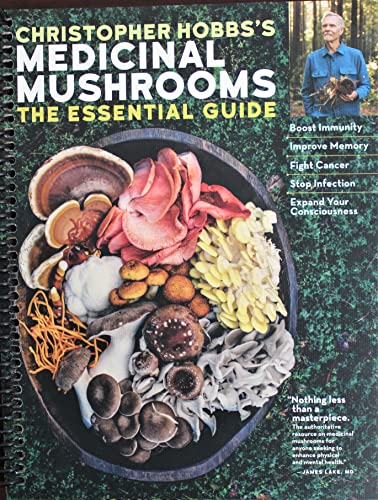
Christopher Hobbs's Medicinal Mushrooms: The Essential Guide: Boost Immunity, Improve Memory, Fight Cancer, Stop Infection, and Expand Your Consciousness: Hobbs L.Ac. AHG, Christopher
Christopher Hobbs, a mycologist and herbalist at the forefront of contemporary research, <strong>profiles the most powerful medicinal mushrooms and explains the nutritional and medicinal compounds in

Real Mushrooms Supplement Capsules - Cordyceps Mushroom Powder Rich in Beta Glucans - Mushroom Pills Cordyceps for Energy and Performance - Vegan, Non-GMO, No Grain Fillers, 120 ct
Made with 100% Cordyceps Militaris Extract: Features hand-harvested cordyceps mushroom powder from fruiting bodies only—no mycelium, no grain, no additives. Pure Mushroom Capsules with No Fillers: Thi

NOW Foods Supplements, Cordyceps (Cordyceps sinensis)750 mg, Healthy Immune Support*, 90 Veg Capsules
Buy NOW Foods Supplements, Cordyceps (Cordyceps sinensis)750 mg, Healthy Immune Support*, 90 Veg Capsules on Amazon.com ✓ FREE SHIPPING on qualified orders
Evidence & Sources
Promising research with growing clinical support from multiple studies
- National Center for Complementary and Integrative Health (NCCIH)
- Memorial Sloan Kettering Cancer Center, About Herbs
- Journal of Dietary Supplements
- Phytotherapy Research
- Journal of Alternative and Complementary Medicine
- Frontiers in Pharmacology
- Molecules
- Chinese Medicine
- WHO Traditional Medicine resources
This content is for informational purposes only and does not constitute medical advice. Always consult a qualified healthcare provider before starting, stopping, or changing any supplement or medication regimen.