Best Mushroom Supplements 2026 — Top Lion’s Mane, Reishi & Cordyceps
The best mushroom supplements of 2026: evidence‑aware picks for lion’s mane, reishi, cordyceps, label tips, dosing, and safety—without the hype.
·14 min read
This content is for informational purposes only and does not constitute medical advice. Always consult a qualified healthcare provider before starting, stopping, or changing any supplement or medication regimen.
If you’re shopping for the best mushroom supplements, you’ve likely noticed big differences in extraction methods, “fruiting body” vs. “mycelium,” and claims about beta‑glucans. This guide cuts through the noise with evidence‑aware picks, clear label criteria, and practical dosing and safety tips.
We respect both modern research and centuries of traditional use. Where possible, we grade the evidence for each benefit and explain how these fungi are thought to work.
Quick take: Best mushroom supplements at a glance
Best overall: Dual‑extracted blend of lion’s mane, reishi, cordyceps, and turkey tail with ≥20% beta‑glucans (by assay), measurable triterpenes for reishi (≥2%), and cordycepin for cordyceps (≥1%), third‑party tested for purity and heavy metals
Best budget: Single‑species hot‑water extract powders (1:1) of fruiting bodies, standardized to ≥20% beta‑glucans, in bulk pouches; mix and match per goal
Best for focus: Lion’s mane (Hericium erinaceus) fruiting‑body extract 8:1 or similar, ≥20% beta‑glucans; optional erinacine‑enriched mycelium for advanced users
Best for immunity: Turkey tail (Trametes versicolor) hot‑water extract standardized to polysaccharides/beta‑glucans; blends with reishi are common
Best for sleep: Reishi (Ganoderma lucidum) dual‑extract with quantified triterpenes (ganoderic acids) and ≥20% beta‑glucans, taken in the evening
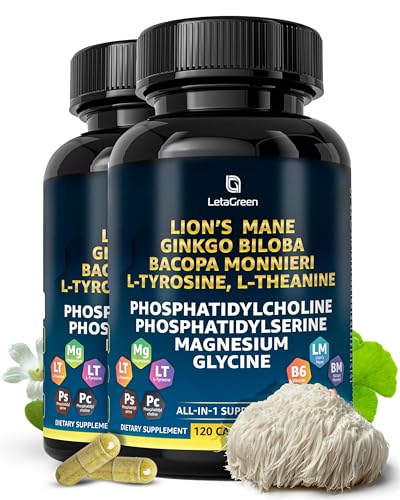
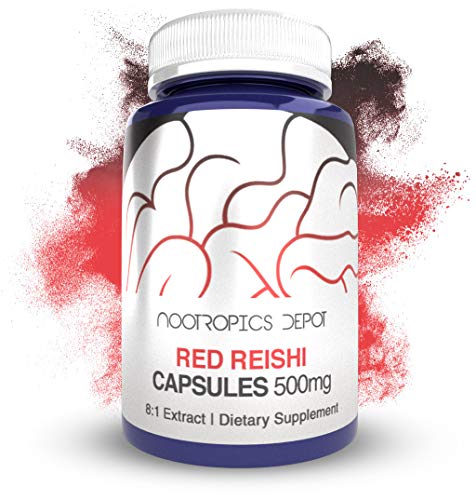
Note: Many people find a high‑potency lion’s mane capsule convenient for daytime focus, while a reishi tincture or capsule in the evening pairs well with wind‑down routines. If you prefer a done‑for‑you option, many people find Lion’s Mane 8:1 Fruiting‑Body Extract or a dual‑extracted Reishi Capsule with 2–4% Triterpenes align with these specs. Evidence for benefits varies by goal (see “What the Research Says”).
How we chose and evaluated supplements (extracts, potency, testing)
We applied standards that reflect both traditional preparation and modern quality control:
Extract type and tradition: Hot‑water extracts preserve water‑soluble beta‑glucans, aligning with traditional decoctions. Dual extracts (water + alcohol) concentrate both beta‑glucans and alcohol‑soluble triterpenes (especially useful for reishi and chaga). We favor dual extraction when triterpenes matter.
Fruiting body vs. mycelium: Research and traditional use emphasize fruiting bodies. Mycelium can be valuable (e.g., erinacine‑enriched lion’s mane mycelium), but mycelium grown on grain can dilute active compounds with starch. We prioritize fruiting‑body extracts and consider mycelium only when it’s fully disclosed and assayed.
Measurable potency: We look for standardized beta‑glucans (ideally ≥20% by validated assay), plus species‑specific markers (e.g., triterpenes for reishi, cordycepin for cordyceps). “Extract ratio” (e.g., 8:1) is less meaningful without marker standardization.
Third‑party testing: Preference for brands with ISO‑accredited lab testing/COAs verifying identity, potency, heavy metals, pesticides, and microbes. NSF/USP/ConsumerLab certifications are a plus.
Species ID and parts used: Clear Latin binomial (e.g., Ganoderma lucidum), country of origin/cultivation method, and part used (fruiting body vs. mycelium).
Realistic dosing and form: Capsules and powders that deliver clinically relevant amounts without requiring impractical serving sizes.
Value and transparency: Fair cost per mg of beta‑glucans or other key actives; full label disclosure.
Top picks: Best overall, budget, focus, immunity, sleep
Best overall: Dual‑extracted multi‑mushroom blend with standardized markers
What to look for:
Species: Lion’s mane, reishi, cordyceps (preferably C. militaris with cordycepin), and turkey tail
Extraction: Dual extracts for reishi and chaga; hot‑water extracts acceptable for lion’s mane/turkey tail
Standardization: ≥20% beta‑glucans across the blend; reishi triterpenes ≥2%; cordyceps cordycepin ≥1%
Testing: COA verifying identity, beta‑glucans (not just “polysaccharides”), triterpenes, heavy metals
Why this earns “best overall”: Blends cover complementary mechanisms—lion’s mane for neuro‑support (emerging to moderate evidence), reishi for stress/sleep and immune modulation (traditional with emerging clinical support), cordyceps for energy/endurance (moderate evidence), and turkey tail for immune tone (moderate evidence). Many people find a well‑assayed blend simplifies routines.
A product that fits these specs can be convenient; many readers like a once‑daily blend such as Multi‑Mushroom Dual Extract Capsules. As always, match the formula to your goals and verify the COA.
Best budget: Single‑species 1:1 hot‑water extract powders (fruiting body)
Bulk pouches for better cost per serving; add to tea/coffee/smoothies
Why it works: This mirrors traditional decoctions, keeps costs low, and lets you titrate per goal. Powders are versatile but require attention to taste (reishi is bitter) and accurate scooping.
Best for focus: Lion’s mane fruiting‑body extract (8:1 or similar)
What to look for:
Fruiting‑body extract standardized to ≥20% beta‑glucans
Optional mycelium component specifically enriched for erinacines (disclosed and assayed)
Why it works: Preclinical data suggest hericenones and erinacines may promote nerve growth factor (NGF) signaling; small human studies indicate benefits for mild cognitive support and mood. See our detailed overview: Lions Mane Mushroom.
Best for immunity: Turkey tail hot‑water extract; optional reishi pairing
What to look for:
Trametes versicolor hot‑water extract standardized to beta‑glucans/polysaccharopeptides
Clear dose per serving (mg) and beta‑glucan content
Why it works: Turkey tail’s PSK/PSP fractions have been used as adjuncts in clinical settings (especially in East Asia). For general wellness, standardized beta‑glucan content is the key label item to check.
Best for sleep: Reishi dual extract with quantified triterpenes
What to look for:
Ganoderma lucidum dual extract (water + alcohol)
≥20% beta‑glucans and 2–4% triterpenes (ganoderic acids)
Why it works: Reishi (Lingzhi) is traditionally used for calm spirit (Shen) and longevity; triterpenes may modulate GABAergic and inflammatory pathways. Modern trials are small but suggest sleep‑quality benefits. Learn more: Reishi Mushroom.
Best by goal: focus & cognition, immunity, energy & endurance, sleep & stress
Focus and cognition (lion’s mane‑forward)
Evidence level: Moderate for mild cognitive support; emerging for neurotrophic effects in humans
Mechanisms: Hericenones (fruiting body) and erinacines (mycelium) may influence NGF and nerve plasticity; beta‑glucans support systemic immune balance that can indirectly affect neuroinflammation
Practical stack: Lion’s mane 500–1,000 mg/day of a concentrated extract (or 1.5–3 g/day of 1:1 powder), morning or midday. Some users add a small erinacine‑enriched mycelium dose alongside a fruiting‑body extract. Cycle 5 days on/2 off if sensitive.
Immunity (turkey tail ± reishi)
Evidence level: Moderate for general immune modulation; stronger historical/clinical adjunct use (PSK/PSP) in specific settings under medical supervision
Mechanisms: Beta‑glucans bind pattern‑recognition receptors (e.g., Dectin‑1), training innate immunity and supporting balanced responses
Practical stack: Turkey tail 1–3 g/day of hot‑water extract; consider adding reishi 500–1,000 mg/day of dual extract during higher‑stress or winter months. See the immunology deep dives: Mushroom Beta‑Glucans and Immune Function and Mushroom Immunology.
Energy and endurance (cordyceps‑forward)
Evidence level: Moderate for exercise performance in recreational athletes; emerging for mitochondrial support
Mechanisms: Cordyceps militaris provides cordycepin (3’‑deoxyadenosine), which may influence ATP turnover and nitric oxide pathways; polysaccharides may support antioxidant defenses
Practical stack: Cordyceps (preferably C. militaris) 1–2 g/day of extract or 500–1,000 mg/day of a 10:1 extract with ≥1% cordycepin; dose 30–60 minutes pre‑workout. Combine with adequate carbohydrates and hydration.
Sleep and stress (reishi‑forward, optional adaptogen pairing)
Evidence level: Emerging to moderate for sleep quality and perceived stress
Mechanisms: Triterpenes may modulate GABA and 5‑HT pathways; beta‑glucans support inflammatory balance related to sleep architecture
Practical stack: Reishi dual extract 500–1,500 mg in the evening. Consider magnesium glycinate or a calming tea ritual. Many users prefer capsules; a bitter tincture can also cue “sleep mode.”
Single‑species vs. blends: pros, cons, and when to choose each
Single‑species
Pros: Precision dosing and clearer feedback; easier to match to goals (e.g., lion’s mane for focus)
Cons: Narrower coverage; you may need to build your own stack
Best for: Targeted goals, budget shoppers using 1:1 powders
Blends
Pros: Convenience and synergy; covers multiple pathways (neuro, immune, energy)
Cons: Lower dose per mushroom; quality can vary widely; label may be less transparent
Best for: General wellness, new users, or those who value simplicity and are willing to pay for a well‑assayed formula
Tip: If a blend doesn’t list beta‑glucans per serving (or only lists “polysaccharides”), transparency may be lacking. Seek COAs.
What to look for on the label
Extract ratio vs. standardization
Extract ratios (e.g., 8:1) alone don’t prove potency. Look for standardized beta‑glucans (≥20%) and, when relevant, reishi triterpenes (≥2–4%) or cordycepin (≥1%).
Beta‑glucans, not just “polysaccharides”
Polysaccharides can include inactive starches (alpha‑glucans) from grains. Beta‑glucans are the immunologically active fraction in mushrooms. Reputable brands specify beta‑glucans by assay.
Fruiting body vs. mycelium
Fruiting bodies generally contain higher beta‑glucans and align with traditional use. Mycelium can be useful when specially cultivated (e.g., erinacine‑enriched), but mycelium on grain can inflate polysaccharide content with starch.
Third‑party testing
Look for ISO‑accredited lab testing and published COAs verifying identity, potency, heavy metals (As, Cd, Pb, Hg), pesticides, and microbes. NSF/USP/ConsumerLab seals are a bonus.
CFUs vs. mg
CFUs are for probiotics, not mushrooms. Quality mushroom labels state mg per serving and standardized actives.
Dosing clarity
Labels should show serving size, extract type, and standardized actives. Vague “proprietary blends” make informed dosing difficult.
What the Research Says: an evidence‑aware snapshot
Lion’s mane (Hericium erinaceus)
Evidence: Moderate for mild cognitive support and mood in small RCTs; emerging for neurotrophic effects in humans
Mechanisms: Hericenones/erinacines may influence NGF; beta‑glucans modulate inflammation
Traditional lens: Used in East Asia for digestive and nerve support
Reishi (Ganoderma lucidum)
Evidence: Emerging to moderate for sleep quality, fatigue, and immune modulation
Mechanisms: Triterpenes may affect GABAergic signaling; beta‑glucans engage pattern‑recognition receptors
Traditional lens: TCM “lingzhi” as a Shen‑calming, longevity tonic
Cordyceps (C. militaris > C. sinensis‑style cultures)
Evidence: Moderate for endurance and perceived energy in recreational athletes; effects are modest
Mechanisms: Cordycepin may support mitochondrial efficiency and NO pathways
Traditional lens: TCM for lung/kidney yang, vitality
Turkey tail (Trametes versicolor)
Evidence: Moderate for immune tone; PSK/PSP have clinical use as adjuncts in some countries
Mechanisms: Polysaccharopeptides and beta‑glucans train innate immunity
Chaga (Inonotus obliquus)
Evidence: Emerging for antioxidant and inflammatory pathways; human data limited
Overall assessment: The evidence supporting mushrooms varies by species and outcome. Beta‑glucan‑driven immune modulation is the most consistent theme (moderate evidence), while cognitive, sleep, and performance effects are promising but generally modest and more variable across studies.
Safety, interactions, dosing guidance, and who should consult a clinician
General dosing ranges (adults):
Lion’s mane: 500–1,000 mg/day of a concentrated extract (≥20% beta‑glucans) or 1.5–3 g/day of a 1:1 powder; morning or midday
Reishi: 500–1,500 mg/day of a dual extract (≥20% beta‑glucans, 2–4% triterpenes); evening for sleep support
Cordyceps (militaris): 1–2 g/day extract or 500–1,000 mg/day of a 10:1 extract with ≥1% cordycepin; pre‑exercise or morning
Turkey tail: 1–3 g/day of hot‑water extract standardized to beta‑glucans
Chaga: 500–1,000 mg/day of dual or hot‑water extract; avoid excessive long‑term dosing due to oxalate content
Maitake: 500–1,500 mg/day of hot‑water extract; follow label if using standardized D‑fraction
Who should talk to a clinician first:
People on anticoagulants/antiplatelets (reishi may have antiplatelet effects)
Those on immunosuppressants or with autoimmune conditions (immune‑modulating beta‑glucans may be contraindicated)
Individuals with diabetes or hypoglycemia on medication (maitake and others may affect glucose)
People with kidney issues or a history of kidney stones (chaga contains oxalates)
Anyone with mushroom allergies or mast‑cell activation
Pre‑operative patients (potential bleeding/immune effects)—stop at least 1–2 weeks before surgery unless told otherwise
Pregnancy/breastfeeding: limited safety data—avoid or use only with medical guidance
Oncology patients: Never self‑prescribe; discuss PSK/PSP or any mushroom use with your oncology team
Side effects: Generally mild—GI upset, loose stools, or rash in sensitive individuals. Start low and increase gradually.
Quality and contamination: Mushrooms can bioaccumulate heavy metals. Choose brands with transparent COAs. If you prefer a vetted option, many readers consider Multi‑Mushroom Dual Extract Capsules for convenience, provided potency and purity are verified.
FAQs
Are mycelium‑on‑grain products bad?
Not necessarily, but they can be high in starch (alpha‑glucans) and low in beta‑glucans. Look for assays specifying beta‑glucans and disclosure of grain content. For most goals, fruiting‑body extracts with standardized beta‑glucans are a safer bet.
How long until I notice effects?
Energy or focus effects (cordyceps, lion’s mane) may be felt within 1–2 weeks; sleep/stress benefits (reishi) may take 1–3 weeks. Immune benefits are preventive and subtle. Consistency matters.
Can I stack multiple mushrooms?
Yes, but keep total beta‑glucans in a reasonable range (e.g., 250–1,000 mg/day depending on body size and tolerance) and avoid excessive overlapping sedatives at night.
When should I take them?
Morning: lion’s mane, cordyceps. Evening: reishi. Turkey tail can be taken any time with food. Follow label guidance.
Are mushrooms vegan and gluten‑free?
Mushrooms are fungi and typically vegan. Mycelium grown on grain may introduce gluten; check labels if gluten‑sensitive.
Capsules vs. powders vs. tinctures?
Capsules are convenient and precise. Powders are cost‑effective for 1:1 extracts. Tinctures can deliver alcohol‑soluble triterpenes, but potency should still be quantified.
Practical takeaways: How to use this information
If you want a single, do‑it‑all formula, choose a dual‑extracted blend standardized to ≥20% beta‑glucans with species‑specific markers (reishi triterpenes ≥2%, cordycepin ≥1%) and a public COA.
If you’re on a budget or testing personal response, start with single‑species 1:1 hot‑water extracts of fruiting bodies (e.g., lion’s mane for focus; turkey tail for immune tone).
Dose consistently for 2–4 weeks before deciding if the product helps.
Prioritize brands that quantify beta‑glucans—not just “polysaccharides”—and publish third‑party test results.
Match timing to goals: lion’s mane/cordyceps earlier in the day; reishi in the evening.
Disclaimer
This article is for educational purposes only and does not replace personalized medical advice. Supplements can interact with medications and health conditions—consult a qualified clinician before starting or changing any supplement, especially if you are pregnant, breastfeeding, immunocompromised, preparing for surgery, or managing chronic illness.
This content is for informational purposes only and does not constitute medical advice. Always consult a qualified healthcare provider before starting, stopping, or changing any supplement or medication regimen.
Reishi Mushroom Benefits: Evidence-Based Uses, Dosage & Safety. If you’re curious about reishi mushroom benefits, you’re not alone. Reishi (Ganoderma lucidum) has been revered in East Asian medicine for centuries as a “mushroom of immortality.” Modern research suggests it may support immune balance, stress resilience, sleep quality, and more—but the strength of
Reishi Mushroom. . ## Reishi Mushroom Overview
**Reishi mushroom** refers primarily to species in the *Ganoderma* genus, especially *Ganoderma lucidum* and closely related species used in supplements, teas, tinctures, powders, and traditional herbal preparations. In East Asian traditions, reishi has long been regarde
Lion's Mane. . ## Overview
**Lion’s mane** refers to *Hericium erinaceus*, an edible and medicinal mushroom used as both a food and a dietary supplement. It is recognized by its shaggy, white appearance and has a long history of use in East Asian culinary and traditional health practices. In modern supplement mar
Mushroom Immunology: Beta‑Glucans and the Innate Immune System
Medicinal mushrooms are often described as “immune-supportive,” but the most studied reason why comes down to one family of complex suga
Cordyceps Benefits: Evidence, Uses, Dosage & Safety. If you’ve heard about cordyceps benefits for energy, immunity, and lung health, you may be wondering what’s real, what’s hype, and how to use it safely. This guide blends Western research with Eastern tradition, outlines the quality of evidence behind each claim, and offers practical advice on choos
Introduction
Medicinal mushrooms have occupied a unique space in traditional medicine, especially in East Asia, for centuries. Today, modern immunology is catching up with aspects of that wisdom. Rese