

Lion's Mane
Overview
Lion’s mane refers to Hericium erinaceus, an edible and medicinal mushroom used as both a food and a dietary supplement. It is recognized by its shaggy, white appearance and has a long history of use in East Asian culinary and traditional health practices. In modern supplement markets, lion’s mane is commonly sold as powders, capsules, tinctures, and extracts made from the fruiting body, mycelium, or both. Interest in lion’s mane has grown largely because of research exploring its potential effects on cognitive function, nerve health, mood, and immune activity.
The mushroom contains several bioactive compounds, including hericenones and erinacines, which have attracted scientific attention for their possible role in stimulating nerve growth factor (NGF)-related pathways and other neurobiological processes. Preclinical studies have also examined antioxidant, anti-inflammatory, antimicrobial, and gut-supportive properties. Because of these broad mechanisms, lion’s mane is often discussed in connection with healthy aging, memory support, focus, and general resilience, although the strength of evidence varies substantially depending on the outcome being considered.
From a public health perspective, lion’s mane occupies an increasingly visible place in the broader category of functional mushrooms. This category includes products marketed for brain health, immune support, stress adaptation, and vitality. However, supplement quality can differ meaningfully across products. Extract ratio, growing substrate, whether the product contains fruiting body or mycelium, and standardization of active constituents may all influence composition. These differences make it difficult to compare products directly or generalize findings from one preparation to another.
Current evidence is best described as promising but still developing. Early human studies suggest possible benefits in areas such as mild cognitive impairment, mood, and subjective well-being, but most trials have been relatively small and short in duration. Lion’s mane is generally described as well tolerated in available studies, though allergic reactions and gastrointestinal side effects have been reported, and individuals with mushroom allergies or complex medical conditions may require added caution. As with many supplements, lion’s mane is best understood as a topic for informed discussion with a qualified healthcare professional rather than a substitute for diagnosis or standard medical care.
Medical Perspectives
Two Ways of Seeing Health

Western
scientific · clinical
Western medicine applies science, technology, and clinical experience to treat symptoms through testing, diagnosis, and targeted intervention.

Eastern
traditional · alternative
Eastern medicine focuses on treating the body naturally by applying traditional knowledge practiced for thousands of years, emphasizing balance and whole-person wellness.
Gold Bamboo presents both perspectives side-by-side so you can make informed decisions. We don't advocate for one over the other — your health choices are yours.
Western Medicine Perspective
Western / Conventional Medicine Perspective
In conventional biomedical research, lion’s mane is studied primarily as a bioactive mushroom supplement with potential neurotrophic, anti-inflammatory, and immunomodulatory properties. Laboratory and animal studies suggest that compounds in lion’s mane may influence nerve growth factor synthesis, neuroplasticity, myelination, oxidative stress pathways, and inflammatory signaling. These findings have led researchers to investigate lion’s mane in relation to cognitive aging, neuropathy, depression and anxiety symptoms, gastrointestinal mucosal protection, and metabolic health.
Human evidence remains limited but noteworthy. Small clinical studies have reported improvements in some measures of mild cognitive impairment, mood symptoms, and sleep-related or quality-of-life outcomes, though results are not uniform and often depend on the specific extract used. Conventional medicine generally views these findings as preliminary rather than definitive, in part because many studies involve small sample sizes, short treatment periods, and limited replication. There is also no universally accepted clinical standard for lion’s mane dosing, formulation, or biomarker-based standardization.
From a safety perspective, lion’s mane is often considered relatively low risk for many adults, especially when consumed as a food. Still, the supplement form raises the usual concerns seen with botanical and fungal products: variable potency, contamination risk, labeling inconsistencies, and uncertain interactions with medications or underlying conditions. Conventional clinicians may also note that evidence for long-term use, use in pregnancy or lactation, and use alongside complex neurological or immunological conditions remains insufficient. In this framework, lion’s mane is typically regarded as a supplement of interest with emerging clinical relevance, but not as an established therapy.
Eastern & Traditional Perspective
Eastern / Traditional Medicine Perspective
In Traditional Chinese Medicine (TCM) and related East Asian traditions, lion’s mane has historically been valued as both a nourishing food and tonic substance. Rather than being defined by isolated compounds alone, it is traditionally understood through broader functional patterns such as supporting the Spleen and Stomach, nourishing vitality, and contributing to overall weakness, digestive fragility, or recovery. In this context, mushrooms are often appreciated for helping maintain balance, resilience, and constitutional strength over time.
Traditional use has also associated lion’s mane with support for the digestive system and the shen—a concept often translated loosely as spirit, mind, or mental-emotional vitality. This helps explain why modern integrative discussions frequently connect lion’s mane with clarity, calmness, and cognitive steadiness. While these ideas do not map directly onto biomedical disease categories, they reflect a longstanding framework in which mind, digestion, and vitality are deeply interconnected.
In broader integrative and natural medicine traditions, including aspects of naturopathy and some contemporary herbalism, lion’s mane is often grouped with other medicinal mushrooms used to support adaptive capacity, mucosal health, and healthy aging. Practitioners in these systems may place emphasis on the quality of cultivation, whether the preparation uses fruiting body or mycelium, and the role of lion’s mane within a larger dietary and constitutional pattern rather than as a stand-alone intervention. As with other traditional substances, modern responsible use is generally framed as complementary and best considered alongside professional guidance, especially for individuals with active medical conditions.
Supplements & Products
Recommended Products
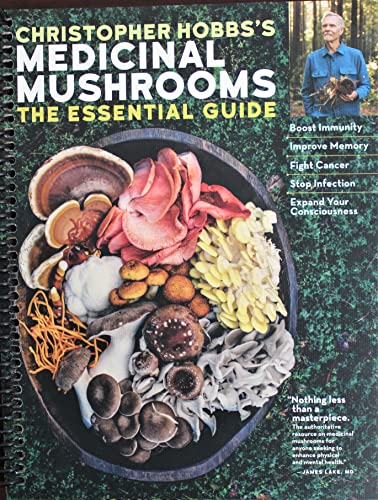
Christopher Hobbs's Medicinal Mushrooms: The Essential Guide: Boost Immunity, Improve Memory, Fight Cancer, Stop Infection, and Expand Your Consciousness: Hobbs L.Ac. AHG, Christopher
Christopher Hobbs, a mycologist and herbalist at the forefront of contemporary research, <strong>profiles the most powerful medicinal mushrooms and explains the nutritional and medicinal compounds in

Host Defense Mushrooms Lion's Mane - Supplement Capsules for Brain Health Support - Mushroom Support for Focus & Memory Function - Immune & Nervous System Supplement - 60 Capsules
About Host Defense: Host Defense Mushrooms was <strong>founded by renowned mycologist Paul Stamets</strong>; our mushroom mycelium is certified organic, non-GMO, gluten-free, and grown in the USA* Pow
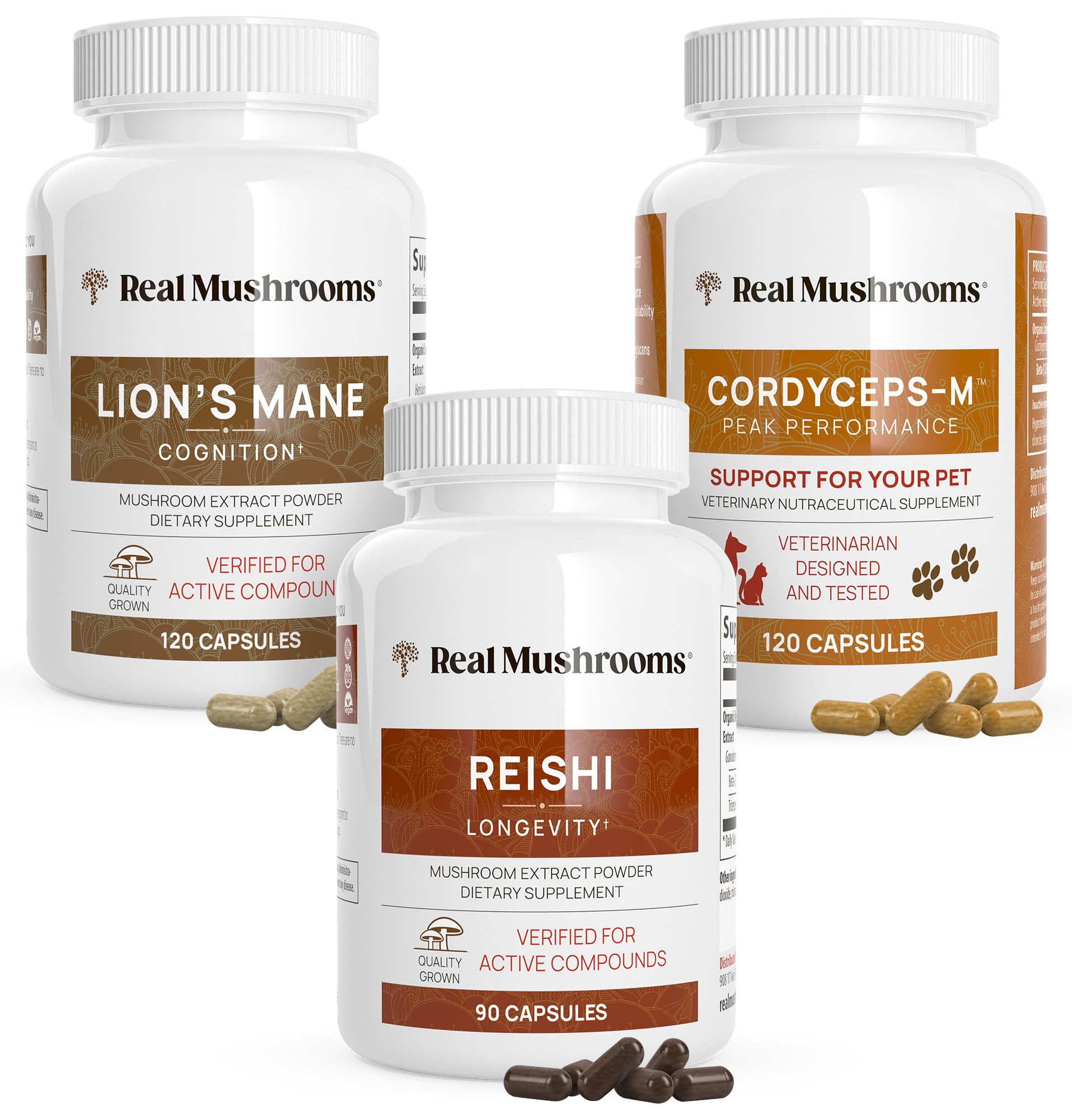
Real Mushrooms Lions Mane Mushroom Cognition (120 Capsules) Lions Mane Mushroom Powder Extract Capsules | Brain Supplement, Brain Vitamins, Focus Supplement
Lion’s Mane Capsules for Brain & Immune Support: Made using hand-picked Lion’s Mane mushroom extract, our supplement <strong>provides impressive benefits to support cognitive function and overall
Evidence & Sources
Early-stage research, mostly preclinical or preliminary human studies
- National Center for Complementary and Integrative Health (NCCIH)
- Memorial Sloan Kettering Cancer Center: About Herbs
- Journal of Agricultural and Food Chemistry
- International Journal of Medicinal Mushrooms
- Phytotherapy Research
- Biomedical Research
- Frontiers in Aging Neuroscience
- Molecules
This content is for informational purposes only and does not constitute medical advice. Always consult a qualified healthcare provider before starting, stopping, or changing any supplement or medication regimen.