Cold Exposure for Recovery: Sorting Hype from Evidence on Ice Baths, Cryotherapy, and Contrast Therapy
Cold plunges are popular, but what do they really do for recovery? This evidence-based guide parses the research on ice baths, cryotherapy, and contrast therapy—covering soreness, performance, cold shock proteins, brown fat, and when cold may blunt training adaptations—alongside Nordic traditions and the Wim Hof Method.
·10 min read
This content is for informational purposes only and does not constitute medical advice. Always consult a qualified healthcare provider before starting, stopping, or changing any supplement or medication regimen.
Cold Exposure for Recovery: Sorting Hype from Evidence on Ice Baths, Cryotherapy, and Contrast Therapy
Cold plunges and ice baths have surged from locker-room rituals to living-room tubs, thanks in part to high-profile voices like neuroscientist Andrew Huberman and the viral appeal of the Wim Hof Method. The promise is enticing: reduce soreness, bounce back faster, and maybe even turbocharge metabolism. But what does research really suggest about cold exposure for recovery, performance, and long-term training gains?
This article reviews the science on ice baths (cold water immersion), whole-body cryotherapy, and contrast water therapy, and places it alongside time-tested Nordic traditions and modern mind–body practices.
How Cold Exposure Affects the Body
Rapid vasoconstriction and tissue cooling may limit secondary tissue damage and reduce nerve conduction, which can blunt pain perception. (Evidence: moderate)
Catecholamines (notably norepinephrine) rise during cold exposure, which may contribute to alertness and short-term analgesia. Human studies consistently show norepinephrine increases; dopamine data are mixed. (Evidence: moderate)
Inflammation signaling may be transiently modulated. Some studies report reduced circulating inflammatory markers after cold exposure, but findings vary by protocol and timing. (Evidence: emerging)
Cold-inducible proteins (for example, RBM3 and CIRP) are known from animal and cellular models and may protect or remodel tissues during stress; their role in human exercise recovery is not yet established. (Evidence: emerging)
Brown adipose tissue (BAT) is activated by cold in adults, increasing thermogenesis and glucose uptake; this may support metabolic health but is not directly proven to accelerate post-exercise muscle recovery. (Evidence: strong for BAT activation; emerging for recovery relevance)
Soreness (DOMS) and Perceived Recovery
A consistent takeaway from systematic reviews is that cold water immersion (CWI) can reduce delayed-onset muscle soreness (DOMS) and perceived fatigue compared with passive rest, particularly within the first 24–72 hours after strenuous exercise.
Cochrane review and multiple meta-analyses report small-to-moderate reductions in DOMS after CWI. Effects on objective markers (strength, power) are smaller or inconsistent. (Evidence: moderate) [Cochrane 2012; Hohenauer 2015; Machado 2016]
Placebo-controlled trials show reductions in soreness even when performance is unchanged, suggesting analgesia and perception are key drivers. (Evidence: moderate) [Broatch 2014]
What this means: athletes may feel better after cold exposure and rate recovery higher, but measurable restoration of muscle function is less reliable in the short term.
Performance Between Sessions: Does Cold Help You Bounce Back?
Short-term performance in repeated-sprint or intermittent efforts within 24–48 hours may recover slightly better with CWI versus passive rest, likely via pain reduction and perceived freshness. Effects are sport- and context-dependent. (Evidence: moderate) [Dupuy 2018]
Immediately after cooling, muscle temperature and nerve conduction drop, which can acutely impair power, speed, and maximal strength for a period of time. Using intense cold just before or right before subsequent high-power efforts may therefore hinder performance. (Evidence: strong) [Versey 2013]
Net effect: if the goal is to feel less sore for a near-term session, cold may help, but timing relative to the next high-output effort matters.
Contrast Water Therapy vs. Ice Baths Alone
Contrast water therapy (CWT)—alternating cold and warm water—aims to promote a pumping action in blood vessels, potentially aiding circulation and metabolite clearance.
Meta-analyses indicate CWT reduces DOMS and perceived fatigue more than passive rest, with effects comparable to or slightly better than CWI in some comparisons. Objective performance benefits remain small and inconsistent. (Evidence: moderate) [Dupuy 2018; Versey 2013]
The alternating warm exposure may lessen the immediate power-suppressing effect of sustained cold by rewarming tissues, though comparative head-to-head trials are limited. (Evidence: emerging)
When Cold May Blunt Training Adaptations
Perhaps the most important nuance: the same processes that tamp down inflammation and soreness may also dampen the cellular signals needed for adaptation.
Resistance training: Randomized trials show that routine post-exercise CWI across weeks can attenuate muscle hypertrophy and strength gains, likely by suppressing mTOR signaling, satellite cell activity, and local inflammation necessary for remodeling. (Evidence: strong) [Roberts 2015; Yamane 2015]
Endurance and metabolic adaptations: Some studies suggest post-exercise cold may blunt mitochondrial biogenesis signals (for example, PGC-1α activation) and interfere with endurance adaptations when used habitually immediately after training. Findings are less consistent than for hypertrophy but point in a similar direction. (Evidence: moderate) [Fyfe 2019 review]
Implication: frequent, immediate cold exposure after training sessions that target muscle or aerobic adaptation may reduce long-term gains. Many athletes reserve intense cold for competition periods, injury pain, or heavy tournament schedules where rapid freshness outweighs maximal adaptation. (Informational; not medical advice)
Whole-Body Cryotherapy: Similar Promise, Thinner Evidence
Whole-body cryotherapy (WBC) exposes the body to very cold, dry air. It cools the skin rapidly but less deeply than water, which has higher thermal conductivity.
Systematic reviews report small reductions in self-reported soreness and fatigue compared with passive recovery, but study quality is variable and results are inconsistent across performance measures. (Evidence: emerging) [Costello 2015; Bouzigon 2016; Dupuy 2018]
Because WBC cools tissues differently from water immersion, findings from CWI do not translate directly. More high-quality RCTs are needed. (Evidence: emerging)
Cold Shock Proteins and Brown Fat: Intriguing, Not a Recovery Panacea
Cold shock proteins such as RBM3 and CIRP rise with cooling in model systems and may protect neurons or help cellular stress responses, but direct links to improved post-exercise muscle recovery in humans have not been shown. (Evidence: emerging)
Adult human BAT is robustly activated by cold, increasing energy expenditure and glucose uptake; short-term cold acclimation may improve insulin sensitivity in some studies. These metabolic benefits are promising for overall health yet remain tangential to acute exercise recovery outcomes. (Evidence: strong for BAT activation; moderate for insulin sensitivity; emerging for recovery relevance) [van Marken Lichtenbelt 2009; Cypess 2009; Hanssen 2015; Blondin 2015]
Traditions and Mind–Body Perspectives: Nordic Baths and the Wim Hof Method
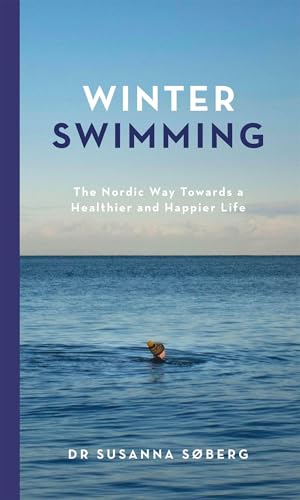
Nordic hydrothermal practices—alternating sauna heat and cold plunges—are longstanding in Scandinavian cultures. Traditional aims include resilience, mental clarity, and community bonding. Modern data on combined sauna–cold recovery are limited, but the practice aligns with the contrast therapy rationale. (Evidence: traditional for practice; emerging for sport-specific outcomes)
The Wim Hof Method combines breathing techniques, focused attention, and cold exposure. A controlled trial reported that trained practitioners mounted a higher epinephrine response and showed attenuated inflammatory symptoms after an endotoxin challenge, suggesting voluntary modulation of autonomic and immune responses. These results are striking but involve a specific training context and do not directly prove superior sports recovery. (Evidence: moderate for autonomic/immune modulation in a model; emerging for exercise recovery) [Kox 2014]
If the priority is feeling less sore or appearing fresher within 1–3 days, research suggests cold exposure (CWI or CWT) may help reduce perceived soreness and fatigue compared with passive rest. (Evidence: moderate)
If the priority is maximizing long-term muscle growth or aerobic adaptations, frequent, immediate post-exercise cold may blunt training signals. Separating intense cold from key adaptation-focused sessions may help preserve gains. (Evidence: strong for hypertrophy; moderate for endurance)
For pain flares, tournament congestion, or injury contexts, cold’s analgesic effects and subjective recovery benefits may be useful tools. (Evidence: moderate)
Whole-body cryotherapy offers convenience but currently has weaker and more inconsistent support than water immersion. (Evidence: emerging)
This information is educational and not a substitute for personalized medical guidance.
Bottom Line
Cold water immersion and contrast therapy reliably reduce perceived soreness after hard exercise; objective performance recovery gains are smaller and inconsistent. (Evidence: moderate)
Habitual, immediate cold after training may blunt hypertrophy and, to a lesser extent, endurance adaptations. Use-cases that favor short-term freshness over long-term gains may benefit most. (Evidence: strong for blunting hypertrophy; moderate for endurance)
Whole-body cryotherapy shows promise but lacks the depth of evidence seen with water immersion. (Evidence: emerging)
Mechanistic ideas like cold shock proteins and brown fat activation are intriguing, but their direct roles in exercise recovery remain to be clarified. (Evidence: emerging)
Traditional Nordic heat–cold cycles and mind–body methods like the Wim Hof Method add cultural depth and may influence stress and perception, though sports-specific benefits require more study. (Evidence: traditional to emerging)
References
Bleakley CM et al. Cold-water immersion for preventing and treating muscle soreness after exercise. Cochrane Review, 2012.
Hohenauer E et al. The effect of post-exercise cryotherapy on recovery characteristics: a systematic review and meta-analysis. Sports Medicine, 2015.
Machado AF et al. Can water temperature and immersion time influence the effect of cold water immersion on recovery? A systematic review and meta-analysis. Sports Medicine, 2016.
Broatch JR et al. Post-exercise cold water immersion benefits are placebo mediated in trained athletes. Medicine & Science in Sports & Exercise, 2014.
Dupuy O et al. An evidence-based approach for choosing post-exercise recovery techniques. Frontiers in Physiology, 2018.
Versey NG, Halson SL, Dawson BT. Water immersion recovery for athletes: a review. Sports Medicine, 2013.
Roberts LA et al. Post-exercise cold water immersion attenuates anabolic signaling and long-term adaptations to strength training. The Journal of Physiology, 2015.
Yamane M et al. Post-exercise leg cooling impairs training-induced adaptations in muscle. European Journal of Applied Physiology, 2015.
Fyfe JJ et al. Influence of cryotherapy on skeletal muscle adaptations to exercise. Review, 2019.
Costello JT et al. Whole-body cryotherapy for preventing and treating muscle soreness: a systematic review. CryoLetters/Sports Medicine, 2015.
Bouzigon R et al. Whole-body cryotherapy as recovery technique: a review of physiological effects and performance outcomes. Journal of Strength and Conditioning Research, 2016.
van Marken Lichtenbelt WD et al. Cold-activated brown adipose tissue in healthy men. New England Journal of Medicine, 2009.
Cypess AM et al. Identification and importance of brown adipose tissue in adult humans. New England Journal of Medicine, 2009.
Hanssen MJW et al. Short-term cold acclimation improves insulin sensitivity in type 2 diabetes. Diabetes, 2015.
Blondin DP et al. Human brown adipose tissue thermogenesis and metabolic substrate preference during cold exposure. Journal of Physiology, 2015.
Kox M et al. Voluntary activation of the sympathetic nervous system and attenuation of the innate immune response in humans. PNAS, 2014.
This content is for informational purposes only and does not constitute medical advice. Always consult a qualified healthcare provider before starting, stopping, or changing any supplement or medication regimen.
Overview
[Cold exposure practices—ice baths, cold plunges, and cryotherapy](/articles/cold-exposure-recovery-evidence-ice-baths-cryotherapy-contrast-therapy)—have surged in popularity, boosted by high
Contrast Therapy. Hot Cold Therapy, Contrast Hydrotherapy. ## Contrast Therapy Overview
**Contrast therapy** is a recovery and conditioning modality that alternates **heat and cold exposure** over a defined period of time. It may involve switching between hot and cold water immersion, alternating hot and cold packs, moving between a sauna and a cold plunge
Cryotherapy. Cryo Therapy, Cryotherpy, Cryotherapy Treatment. ## Overview
**Cryotherapy** refers to the therapeutic use of cold exposure for health-related purposes. The term covers a broad range of approaches, from **localized ice application**, cold water immersion, and contrast therapy to **whole-body cryotherapy (WBC)** chambers that expose the body to ver
Wim Hof Method. Wim Hof breathing, Hof method. ## Overview
The **Wim Hof Method (WHM)** is a structured practice that combines **specialized breathing exercises, gradual cold exposure, and focused mental training**. Popularized by Dutch athlete Wim Hof, the method is often described as a way to improve **stress resilience, perceived energy, moo
Hydrotherapy. Water Therapy, Hydroterapy, Hydrotherap. ## Overview
**Hydrotherapy** is the therapeutic use of water in different forms, temperatures, pressures, and delivery methods to support comfort, recovery, and general well-being. The term can include a wide range of practices, such as **warm baths, contrast bathing, whirlpool therapy, aquatic exe
Steam Therapy. Steam Bath Therapy, Steam Inhalation, Vapor Therapy. ## Overview
**Steam therapy** refers to the use of **warm, moist heat**—typically from steam rooms, facial steaming, inhalation over a bowl of hot water, or humidified air—to promote comfort and relaxation. It is commonly associated with **respiratory soothing, temporary relief of nasal congestion,