

Contrast Therapy
Also known as: Hot Cold Therapy, Contrast Hydrotherapy
Contrast Therapy Overview
Contrast therapy is a recovery and conditioning modality that alternates heat and cold exposure over a defined period of time. It may involve switching between hot and cold water immersion, alternating hot and cold packs, moving between a sauna and a cold plunge, or using showers that cycle between warm and cool temperatures. The underlying idea is that repeated changes in temperature may influence blood flow, tissue sensation, perceived soreness, and autonomic nervous system responses. For that reason, people often explore contrast therapy in the context of exercise recovery, musculoskeletal discomfort, injury rehabilitation, and resilience or stress-adaptation training.
From a broad health perspective, contrast therapy sits at the intersection of sports medicine, hydrotherapy, rehabilitation, and traditional healing practices. Heat is commonly associated with muscle relaxation, comfort, and increased local circulation, while cold is often used to reduce pain perception, limit swelling, or create a temporary anti-inflammatory and numbing effect. Alternating the two is sometimes described as creating a “vascular pumping” effect, although the degree to which this mechanism occurs in a clinically meaningful way remains an area of ongoing research. What is clearer is that many people report subjective benefits such as feeling less stiff, more refreshed, or better recovered after strenuous activity.
Interest in contrast therapy has grown alongside the popularity of cold plunges, saunas, athletic recovery protocols, and wellness routines. In elite sport, combinations of hot and cold exposure have been studied for delayed-onset muscle soreness, fatigue, and return-to-training readiness. In rehabilitation settings, localized contrast applications have historically been used after some soft tissue injuries or for hand and foot swelling, though modern practice varies depending on the condition and stage of healing. Safety considerations are important, especially for people with cardiovascular disease, peripheral vascular disease, neuropathy, Raynaud phenomenon, uncontrolled hypertension, impaired temperature sensation, or open wounds, as rapid temperature shifts may not be appropriate in all cases.
Overall, contrast therapy is best understood as a supportive modality rather than a standalone treatment. Research suggests potential benefits for perceived recovery and soreness, while effects on objective performance, long-term adaptation, and specific medical conditions are more mixed. As with many recovery practices, response appears to depend on the method used, the timing relative to exercise or injury, the individual’s health status, and the outcome being measured. Consultation with a qualified healthcare professional is appropriate when contrast therapy is being considered in the setting of injury, chronic illness, or cardiovascular concerns.
Medical Perspectives
Two Ways of Seeing Health

Western
scientific · clinical
Western medicine applies science, technology, and clinical experience to treat symptoms through testing, diagnosis, and targeted intervention.

Eastern
traditional · alternative
Eastern medicine focuses on treating the body naturally by applying traditional knowledge practiced for thousands of years, emphasizing balance and whole-person wellness.
Gold Bamboo presents both perspectives side-by-side so you can make informed decisions. We don't advocate for one over the other — your health choices are yours.
Western Medicine Perspective
Western / Conventional Medicine Perspective
In conventional medicine, contrast therapy is generally understood through the physiology of thermoregulation, circulation, pain modulation, and recovery science. Heat exposure tends to promote vasodilation, relaxation, and a sense of reduced stiffness, while cold exposure tends to cause vasoconstriction, reduce nerve conduction velocity, and temporarily diminish pain perception. Alternating these exposures has been theorized to influence edema, tissue metabolism, and post-exercise recovery. In practice, western clinicians may discuss contrast therapy within the broader categories of cryotherapy, thermotherapy, hydrotherapy, and sports recovery interventions.
The strongest research base relates to athletic recovery, particularly after intense exercise. Systematic reviews and meta-analyses have found that contrast water therapy may help reduce subjective muscle soreness and perceived fatigue compared with passive rest in some settings. However, the findings are not uniform, and the size of the benefit varies across studies depending on water temperatures, duration, training status, and the outcomes assessed. Evidence for improving objective performance measures such as strength, power, or endurance recovery is more inconsistent. There is also ongoing discussion about whether frequent post-exercise cold exposure might blunt some aspects of long-term training adaptation, particularly muscle hypertrophy signaling, although this concern is not specific to contrast therapy alone.
In rehabilitation and general medical practice, contrast therapy is more selectively considered. It has been used historically for subacute soft tissue injury, swelling in distal extremities, and symptom relief, but modern evidence is limited for many of these applications. Conventional clinicians also emphasize contraindications and precautions: people with heart disease, unstable blood pressure, circulatory disorders, diabetes-related neuropathy, sensory impairment, or skin compromise may face higher risk from extreme temperatures. As a result, from a western perspective, contrast therapy is typically viewed as an adjunctive recovery modality with modest evidence, rather than a primary medical intervention.
Eastern & Traditional Perspective
Eastern / Traditional Medicine Perspective
In traditional and integrative healing systems, contrast therapy is often interpreted less as a narrow recovery tool and more as a way of influencing the body’s vital balance, flow, and adaptive capacity. In Traditional Chinese Medicine (TCM), hot and cold are foundational concepts linked to patterns of imbalance. Warmth is traditionally associated with moving qi and blood, dispersing cold, and easing stagnation, while cold is associated with clearing excess heat, calming inflammation-like states, and conserving energy. Alternating temperatures may be viewed as a way to dynamically regulate circulation and restore balance, particularly where there is a traditional pattern of stagnation, obstruction, or poor flow.
In Ayurveda, thermal therapies are often understood through the lens of dosha balance, digestive fire, tissue nourishment, and the body’s ability to adapt to environmental stressors. Heat may be associated with softening, opening channels, and reducing certain forms of stiffness, while cold may be used more cautiously depending on constitution and imbalance pattern. Rather than applying a one-size-fits-all approach, traditional systems typically emphasize individual constitution, current symptoms, season, age, and overall vitality when interpreting whether alternating hot and cold would be supportive.
In naturopathy and traditional hydrotherapy, contrast bathing has a long history as a method intended to stimulate circulation, support immune resilience, and encourage the body’s self-regulatory processes. Practitioners have historically used alternating hot and cold water on the limbs or whole body to promote a sense of invigoration and recovery. While many of these traditional frameworks are based on long-standing clinical observation rather than modern randomized trials, they remain influential in spa medicine, integrative rehabilitation, and wellness culture. Within these traditions, contrast therapy is generally regarded as a constitutional and restorative modality, though contemporary practitioners typically note the importance of screening for cardiovascular and neurological risk factors and coordinating with conventional care when injuries or chronic conditions are present.
Supplements & Products
Recommended Products
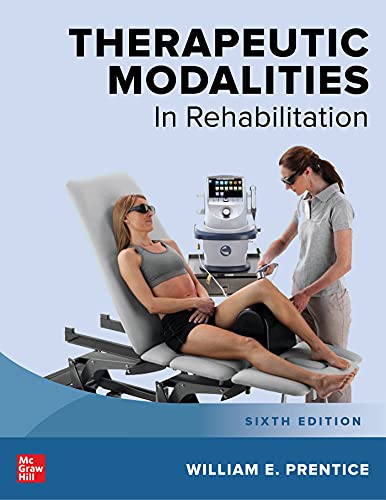
Therapeutic Modalities in Rehabilitation, Sixth Edition
William E. Prentice ... The most comprehensive textbook available on therapeutic modalities in rehabilitation―enhanced by a full-color presentation and numerous case studies
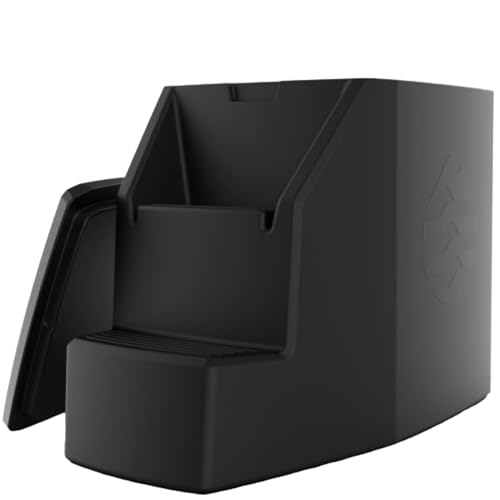
Ice Barrel Portable Ice Bath Bathtub (500 Model) - Freestanding Cold Therapy, Ice Bath for Athletes - Portable Bath Tub for Ice Plunge & Recovery - Cold Plunge Tub (Charcoal Black) - Amazon.com
This durable, portable bath tub ... or a stylish ice plunge tub, the Ice Barrel delivers with its <strong>105-gallon capacity, sturdy build, and sleek design</strong>....

TheraPearl Reusable Hot Cold Pack with Strap, Sports Size Ice Pack with Gel Beads for Athletes, Flexible Hot & Cold Compress for Arthritis Pain Relief, Swelling, Sports Injuries, Cooling & Heating Pad
<strong>Non-toxic gel beads made from a BPA-free, latex-free, and phthalate-free polymer</strong>. Freeze for at least 2 hours for cold use or microwave for 25–40 seconds for heat; apply to the affect
Evidence & Sources
Promising research with growing clinical support from multiple studies
- Cochrane Database of Systematic Reviews
- British Journal of Sports Medicine
- Journal of Strength and Conditioning Research
- International Journal of Sports Medicine
- National Center for Complementary and Integrative Health (NCCIH)
- American College of Sports Medicine
- Physiotherapy Theory and Practice
- Journal of Athletic Training
This content is for informational purposes only and does not constitute medical advice. Always consult a qualified healthcare provider before starting, stopping, or changing any supplement or medication regimen.