

Wim Hof Method
Also known as: Wim Hof breathing, Hof method
Overview
The Wim Hof Method (WHM) is a structured practice that combines specialized breathing exercises, gradual cold exposure, and focused mental training. Popularized by Dutch athlete Wim Hof, the method is often described as a way to improve stress resilience, perceived energy, mood regulation, and tolerance to cold. In wellness settings, it is frequently discussed as a mind-body practice rather than a single therapy, because its effects appear to involve interactions among the autonomic nervous system, immune signaling, cardiovascular responses, and psychological stress processing.
Interest in the Wim Hof Method has grown alongside broader public interest in breathwork, hormesis, cold immersion, and nervous system regulation. Supporters often associate the method with benefits such as enhanced alertness, improved emotional steadiness, and better adaptation to physical stress. Early research has also examined whether trained practitioners may influence physiological processes once thought to be largely automatic, including inflammatory responses and sympathetic activation. At the same time, the method remains an area where enthusiasm has outpaced the size of the evidence base, and many claims circulating online are broader than current research can support.
From a health perspective, the WHM is most commonly framed around three potential domains: stress adaptation, immune and inflammatory modulation, and subjective well-being. Small controlled studies suggest the breathing component may temporarily alter blood gases and autonomic activity, while cold exposure may act as a controlled stressor that promotes adaptation in some individuals. However, these effects can vary widely depending on the person, the exact protocol, and underlying health status. Important safety concerns are also part of the discussion, particularly because intense breathing practices and cold exposure can carry risks in certain settings.
Because the Wim Hof Method sits at the intersection of self-regulation practices and physiological conditioning, it is viewed differently across medical systems. Conventional medicine tends to evaluate it through measurable outcomes such as inflammatory markers, heart rate variability, stress hormones, and adverse events. Traditional and integrative systems often interpret it through broader concepts such as vital energy, constitutional resilience, circulation, and mind-body balance. A balanced review therefore considers both the promising early findings and the practical limitations of the current evidence, while recognizing that individuals considering any intensive breathing or cold practice benefit from discussing it with a qualified healthcare professional.
Medical Perspectives
Two Ways of Seeing Health

Western
scientific · clinical
Western medicine applies science, technology, and clinical experience to treat symptoms through testing, diagnosis, and targeted intervention.

Eastern
traditional · alternative
Eastern medicine focuses on treating the body naturally by applying traditional knowledge practiced for thousands of years, emphasizing balance and whole-person wellness.
Gold Bamboo presents both perspectives side-by-side so you can make informed decisions. We don't advocate for one over the other — your health choices are yours.
Western Medicine Perspective
Western Medicine Perspective
In conventional medicine, the Wim Hof Method is typically examined as a combination of hyperventilation-style breathing, intermittent breath retention, and controlled cold exposure. Researchers have been especially interested in whether this combination can influence the autonomic nervous system and the innate immune response. A widely cited experimental study found that trained participants exposed to experimental endotoxin showed increased epinephrine levels and lower levels of certain pro-inflammatory cytokines compared with controls, suggesting that voluntary practices may affect short-term immune and stress pathways under laboratory conditions. This finding drew attention because it challenged the older assumption that these systems are largely beyond conscious influence.
Subsequent studies and reviews have explored additional outcomes including stress response, mood, energy, and cardiovascular adaptation, but the evidence remains mixed and relatively limited. Research suggests the breathing component can rapidly change oxygen and carbon dioxide balance, often producing temporary respiratory alkalosis, tingling, lightheadedness, and heightened sympathetic activation. Cold exposure may contribute to adaptation through mechanisms related to thermogenesis, vascular responses, and stress conditioning, but it can also impose significant cardiovascular strain. For these reasons, conventional medicine generally views WHM as an interesting but still incompletely studied intervention, with promising mechanistic signals but a need for larger, more rigorous trials.
Safety is a major part of the western medical discussion. Breath retention and forceful breathing can lead to dizziness, fainting, or loss of consciousness, especially if practiced in water, while driving, or in other hazardous settings. Cold exposure may pose risks for people with certain cardiovascular, respiratory, neurologic, or other chronic conditions. Conventional clinicians therefore tend to emphasize screening, context, and supervision rather than broad claims. Overall, western medicine sees the Wim Hof Method as a plausible stress-modulation practice with early supportive findings, but not as a replacement for established medical care, and consultation with a healthcare provider is important before beginning intensive forms of the practice.
Eastern & Traditional Perspective
Eastern/Traditional Medicine Perspective
From an eastern and traditional medicine perspective, the Wim Hof Method can be understood as a modern system that resembles older practices involving breath regulation, disciplined exposure to the elements, and mental focus. In Traditional Chinese Medicine (TCM), breath practices are often discussed in relation to the movement of qi, the regulation of the Lung system, and the harmonizing of the connection between breath, circulation, and emotional state. Cold exposure would typically be viewed more cautiously and in a highly individualized way, because traditional frameworks often distinguish between beneficial strengthening stimuli and excessive exposure that may aggravate patterns associated with cold, deficiency, or constrained circulation.
In Ayurvedic interpretation, the breathing component may be compared loosely to forms of pranayama, which are traditionally used to influence prana, mental steadiness, and autonomic balance. However, classical pranayama systems are usually embedded in a broader therapeutic context that takes constitution, vitality, season, digestion, and nervous system sensitivity into account. Intense cold exposure may be seen as stimulating for some constitutions and destabilizing for others, particularly if it aggravates tendencies associated with depletion or irregularity. This means traditional practitioners often emphasize that the same practice may not be equally balancing for every individual.
In naturopathic and integrative medicine, the method is often interpreted through the lens of hormesis—the idea that carefully dosed stressors can encourage adaptive resilience. Breathwork may be seen as supporting mind-body awareness and stress regulation, while cold exposure may be viewed as a conditioning stimulus. Even within these systems, however, practitioners generally recognize that stronger stimulation is not automatically better, and that context, constitution, and underlying illness matter. Across eastern and traditional perspectives, the Wim Hof Method is usually regarded as a potentially valuable resilience-building practice, but one that benefits from personalization and professional guidance rather than one-size-fits-all use.
Supplements & Products
Recommended Products

The Wim Hof Method: Activate Your Full Human Potential: Hof, Wim
In his gripping and passionate style, Wim shares his method and his story, including: • Breath―Wim’s unique practices to change your body chemistry, infuse yourself with energy, and focus your mind •
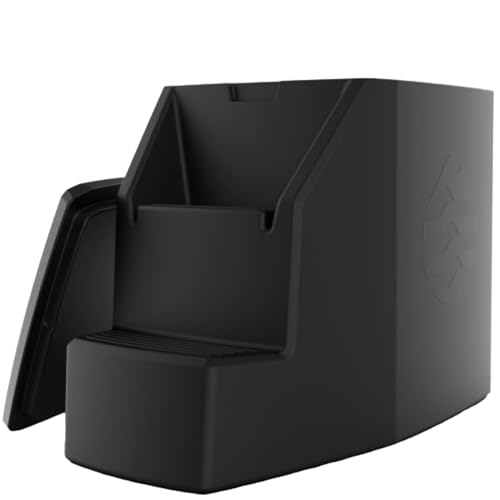
Ice Barrel Portable Ice Bath Bathtub (500 Model) - Freestanding Cold Therapy, Ice Bath for Athletes - Portable Bath Tub for Ice Plunge & Recovery - Cold Plunge Tub (Charcoal Black) - Amazon.com
This durable, portable bath tub ... or a stylish ice plunge tub, the Ice Barrel delivers with its <strong>105-gallon capacity, sturdy build, and sleek design</strong>....

GoveeLife Smart Pool Thermometer Wireless App Easy Read, WiFi Digital Pool Thermometer Floating with IPX7 Waterproof, Notification Alert, Water Temperature Monitor for Hot Tub, Bath, Swimming, Pond : Patio, Lawn & Garden
More Accurate: The pool thermometer ... Protection: The GoveeLife Pool Thermometer is <strong>waterproof and can accurately measure and read temperature even when entering the water</strong>.You needn
Evidence & Sources
Promising research with growing clinical support from multiple studies
- Proceedings of the National Academy of Sciences (PNAS)
- Psychosomatic Medicine
- European Journal of Applied Physiology
- Frontiers in Physiology
- National Center for Complementary and Integrative Health (NCCIH)
- National Institutes of Health (NIH)
- World Health Organization (WHO)
This content is for informational purposes only and does not constitute medical advice. Always consult a qualified healthcare provider before starting, stopping, or changing any supplement or medication regimen.