

Steam Therapy
Also known as: Steam Bath Therapy, Steam Inhalation, Vapor Therapy
Overview
Steam therapy refers to the use of warm, moist heat—typically from steam rooms, facial steaming, inhalation over a bowl of hot water, or humidified air—to promote comfort and relaxation. It is commonly associated with respiratory soothing, temporary relief of nasal congestion, skin cleansing, muscle relaxation, and stress reduction. Across home care, spa settings, and traditional healing systems, steam has long been used as a simple, sensory-based modality intended to open airways, soften surface secretions, and create a calming heat exposure.
From a modern health perspective, steam therapy is often discussed in the context of upper respiratory symptoms, such as a stuffy nose during colds, sinus irritation, or dry air discomfort. Warm humid air may help some people feel that breathing is easier, particularly when mucus feels thick or airways feel irritated. Steam is also used in wellness settings for heat exposure and relaxation, where it may support a temporary sense of loosening in muscles and connective tissues, similar to other heat-based practices.
Steam therapy also holds a place in skin care and self-care rituals. Facial steaming is commonly used before cleansing or other cosmetic treatments because moisture and heat can soften the outer skin layer and increase the sensation of pore cleansing, although claims about “detoxification” are often broader than the evidence supports. In spa culture and popular wellness language, steam is frequently linked with sweating and elimination, but in medical terms, the body’s primary detoxification systems remain the liver, kidneys, lungs, and gastrointestinal tract.
Overall, steam therapy is best understood as a supportive comfort modality rather than a stand-alone treatment. Research suggests it may provide short-term symptom relief and relaxation benefits for some individuals, especially in dry or congested states, but outcomes vary and it is not considered a cure for infections, chronic sinus disease, asthma, or other underlying conditions. Safety also matters: burns, overheating, dizziness, and symptom aggravation can occur in some settings, so professional guidance is appropriate for people with respiratory disease, cardiovascular concerns, pregnancy-related questions, or heat sensitivity.
Medical Perspectives
Two Ways of Seeing Health

Western
scientific · clinical
Western medicine applies science, technology, and clinical experience to treat symptoms through testing, diagnosis, and targeted intervention.

Eastern
traditional · alternative
Eastern medicine focuses on treating the body naturally by applying traditional knowledge practiced for thousands of years, emphasizing balance and whole-person wellness.
Gold Bamboo presents both perspectives side-by-side so you can make informed decisions. We don't advocate for one over the other — your health choices are yours.
Western Medicine Perspective
Western Medicine Perspective
In conventional medicine, steam therapy is generally viewed as a form of symptomatic support rather than a disease-specific intervention. Warm humid air may help relieve the subjective feeling of nasal stuffiness, throat dryness, and irritation of the upper airways, particularly during viral upper respiratory infections or environmental dryness. Some studies and clinical guidance suggest that humidification can improve comfort by moistening mucous membranes and helping secretions feel less tenacious, though evidence for major clinical improvement is mixed.
For sinus and cold symptoms, western medicine more often emphasizes approaches such as hydration, saline irrigation, rest, and condition-specific medical evaluation when needed. Steam inhalation has been studied for common colds and rhinosinusitis, but findings have been inconsistent: some people report temporary relief, while controlled evidence has not consistently shown robust changes in illness duration or objective outcomes. In respiratory medicine, humidified air may feel soothing, but it is not considered a replacement for established treatment in asthma, COPD, bacterial sinusitis, influenza, or lower respiratory infections.
In dermatology and spa medicine, steam is recognized mainly for its hydrating and softening effects on the skin surface and its role in relaxation-oriented care. Heat and humidity can increase sweating and soften keratin, which may complement cleansing routines, but claims that steam removes systemic toxins are not supported by mainstream physiology. Western clinicians also note risks: scald injuries from hot water or vapor, dehydration in prolonged heat settings, lightheadedness, and potential worsening of rosacea, eczema, or heat-sensitive cardiovascular symptoms. Because of these considerations, steam therapy is usually framed as a comfort measure with context-dependent benefit rather than a primary medical therapy.
Eastern & Traditional Perspective
Eastern/Traditional Medicine Perspective
In Traditional Chinese Medicine (TCM), steam and warm vapor practices are often understood through the lens of warming, dispersing cold, promoting circulation of qi, and opening the surface and passages, especially the nose, throat, and skin. Steam may be viewed as helping to release external pathogenic influences such as wind-cold or to support the Lung system’s diffusing function when there is a sensation of congestion or constraint. Herbal steam preparations have also appeared in various traditional practices, where aromatic plants are used to create a warming, penetrating vapor.
In Ayurveda, steam-based practices are related to swedana—therapies that encourage sweating and warmth. Traditionally, swedana is used to help loosen heaviness, support comfort in stiffness, and prepare the body for other therapies. Depending on the practitioner’s framework, steam may be interpreted as helping reduce kapha-type stagnation such as heaviness, dampness, mucus, or sluggishness, while also requiring caution in people with excess heat, irritation, or depletion. As in many traditional systems, the emphasis is often on balance, constitution, season, and the pattern of symptoms rather than one-size-fits-all use.
In naturopathic and integrative traditions, steam is often discussed as a hydrotherapy or thermotherapy method that supports circulation, relaxation, sinus comfort, and the body’s natural eliminative processes through sweating. These systems may use steam in broader self-care rituals that include rest, hydration, aromatics, and temperature-based contrast methods. At the same time, responsible traditional and integrative practitioners generally distinguish between historical use and modern evidence, recognizing that steam may enhance comfort and ritualized relaxation while not necessarily altering the course of underlying disease.
Across eastern and traditional frameworks, steam therapy is often valued not only for physical effects but also for its sensory and ritual dimensions—warmth, stillness, breath awareness, and release of tension. These traditions typically place steam within a broader assessment of the individual and encourage consultation with qualified practitioners when symptoms are persistent, severe, or medically complex.
Supplements & Products
Recommended Products
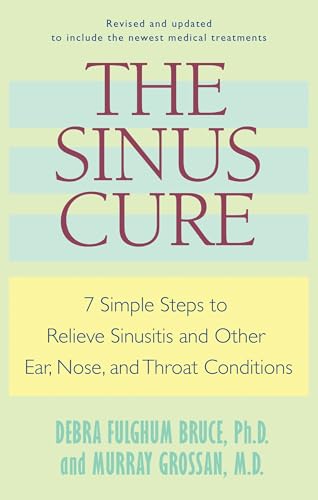
The Sinus Cure: 7 Simple Steps to Relieve Sinusitis and Other Ear, Nose, and Throat Conditions: Bruce, Debra Fulghum, Grossan, Murray
Murray Grossan, MD, board certified in Otolaryngology and Head and Neck Surgery, is the <strong>inventor of the Pulsatile Irrigator, a safe, simple, and drug-free method to keep sinuses clear of mucus

Mypurmist Free Ultrapure Cordless Steam Inhaler - Handheld Personal & Battery-Powered Steamer, Vaporizer & Humidifier for Sinus Relief, Nasal Congestion, Cold & Cough, Vocal Care
Buy Mypurmist Free Ultrapure Cordless Steam Inhaler - Handheld Personal & Battery-Powered Steamer, Vaporizer & Humidifier for Sinus Relief, Nasal Congestion, Cold & Cough, Vocal Care on Am
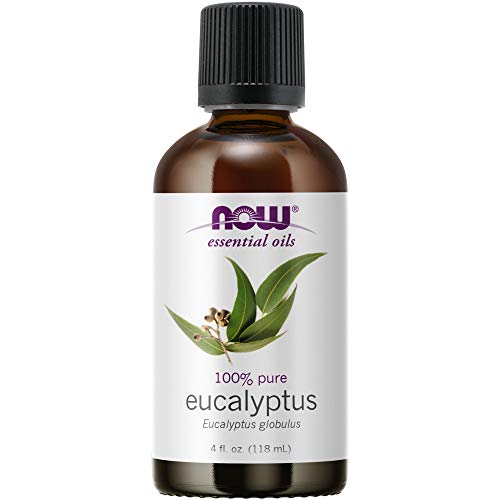
NOW Foods Eucalyptus Globulus Oil, 4 Fluid Ounce
100% PURE/UNDILUTED - Our essential oils are <strong>highly concentrated and 100% pure and free of synthetic ingredients</strong>, delivering the very best benefit of the source of the plants, fruits,
Evidence & Sources
Promising research with growing clinical support from multiple studies
- Cochrane Database of Systematic Reviews
- National Center for Complementary and Integrative Health (NCCIH)
- National Institutes of Health (NIH)
- American Academy of Otolaryngology–Head and Neck Surgery
- American Lung Association
- Mayo Clinic Proceedings
- BMJ Clinical Evidence
- World Health Organization (WHO)
This content is for informational purposes only and does not constitute medical advice. Always consult a qualified healthcare provider before starting, stopping, or changing any supplement or medication regimen.