

Cryotherapy
Also known as: Cryo Therapy, Cryotherpy, Cryotherapy Treatment
Overview
Cryotherapy refers to the therapeutic use of cold exposure for health-related purposes. The term covers a broad range of approaches, from localized ice application, cold water immersion, and contrast therapy to whole-body cryotherapy (WBC) chambers that expose the body to very cold air for brief periods. In conventional rehabilitation and sports settings, cold has long been used to help manage pain, swelling, and short-term inflammation after injury or strenuous exercise. More recently, commercial wellness use has expanded claims around recovery, mood, metabolism, and general vitality, though the strength of evidence varies considerably by application.
At a basic physiological level, cold exposure can affect the body through vasoconstriction, changes in nerve conduction, altered inflammatory signaling, and shifts in perceived pain. These effects help explain why cryotherapy is often discussed in the context of acute musculoskeletal injuries, post-exercise soreness, recovery protocols, and some dermatologic or medical procedures. In medical practice, forms of cryotherapy also include highly targeted techniques such as cryosurgery or cryoablation, which use extreme cold to destroy abnormal tissue. These procedures are distinct from wellness-oriented cold exposure and are supported by different bodies of evidence.
Public interest in cryotherapy has grown rapidly, especially among athletes and wellness consumers. However, cryotherapy is not a single standardized intervention. Outcomes may differ depending on the temperature used, duration of exposure, treatment frequency, body area treated, and the condition being addressed. Research suggests that some forms of cold therapy may help with short-term pain relief and perceived recovery, but findings are often mixed, and benefits are not uniform across all populations or goals.
Safety is an important part of the discussion. Cold exposure can carry risks, including frostbite, skin injury, nerve irritation, worsening of certain circulatory conditions, and, in rare cases, serious adverse events when protocols are poorly supervised. For that reason, cryotherapy is generally best understood as a modality with specific potential uses, meaningful limitations, and a need for context-sensitive evaluation by qualified healthcare professionals.
Medical Perspectives
Two Ways of Seeing Health

Western
scientific · clinical
Western medicine applies science, technology, and clinical experience to treat symptoms through testing, diagnosis, and targeted intervention.

Eastern
traditional · alternative
Eastern medicine focuses on treating the body naturally by applying traditional knowledge practiced for thousands of years, emphasizing balance and whole-person wellness.
Gold Bamboo presents both perspectives side-by-side so you can make informed decisions. We don't advocate for one over the other — your health choices are yours.
Western Medicine Perspective
Western Medicine Perspective
In Western/conventional medicine, cryotherapy is understood primarily as a physical modality that may reduce pain, limit local swelling, and temporarily alter tissue physiology. Local cold application has been widely used in sports medicine and rehabilitation for acute soft-tissue injury and symptom relief. Studies indicate that cooling can reduce tissue temperature, slow nerve conduction velocity, and produce an analgesic effect. Cold water immersion has also been studied for delayed onset muscle soreness (DOMS) and post-exercise recovery, with some evidence suggesting modest short-term benefits for soreness and perceived recovery, though effects on performance restoration and long-term adaptation remain debated.
Whole-body cryotherapy has received substantial media attention, but the evidence base is less robust than public marketing often implies. Research suggests possible short-term effects on pain perception, subjective recovery, and inflammatory markers, especially in athletic contexts, yet many studies are small, heterogeneous, or limited by methodological issues. Conventional medicine therefore tends to view WBC as an adjunctive, still-evolving recovery modality rather than a broadly established treatment. Regulatory and professional bodies have also emphasized that claims related to weight loss, immune enhancement, or treatment of multiple chronic diseases are not strongly supported by high-quality clinical evidence.
In standard medical care, more specialized cryotherapy techniques such as cryosurgery and cryoablation are well established for selected indications, including certain skin lesions, cervical abnormalities, and some tumors or arrhythmia-related procedures. These uses differ significantly from spa-style cryotherapy because they involve targeted tissue destruction, trained clinicians, and specific procedural indications. Overall, from a conventional standpoint, the role of cryotherapy depends heavily on which form is being used, for what purpose, and under what clinical supervision.
Eastern & Traditional Perspective
Eastern/Traditional Medicine Perspective
In many traditional and East Asian healing systems, health is often framed in terms of balance, circulation, and the body’s adaptive capacity rather than isolated symptom targets alone. While extreme cold exposure is not universally emphasized in the same way across these traditions, the therapeutic qualities of temperature have long been recognized. In Traditional Chinese Medicine (TCM), cold and heat are understood as important influences on the body. Cold may be associated with contraction, slowing, and stagnation, so the use of externally applied cold is generally interpreted cautiously and contextually. It may be seen as more appropriate for certain acute “heat” or swelling presentations, while excessive or prolonged cold is traditionally thought to risk impairing circulation or aggravating patterns associated with cold stagnation.
Traditional systems often place greater emphasis on constitution and pattern differentiation than on a single modality applied the same way to everyone. A person with signs traditionally interpreted as deficiency, poor circulation, or internal cold might be approached differently from someone with acute redness, swelling, or heat. For this reason, the Eastern perspective tends to regard cold-based therapies as situational tools rather than universally restorative practices. Related hydrotherapy traditions in naturopathy and European natural medicine have also used cold water exposure to stimulate resilience, tone vascular responses, and support recovery, usually within broader lifestyle frameworks involving rest, movement, and circulation-focused practices.
In Ayurveda, temperature-based therapies are often considered through the lens of individual constitution and the qualities of imbalance. Cooling approaches may be seen as relevant where excess heat or inflammation predominates, while strong cold exposure may be viewed as potentially aggravating for individuals with constitutions or patterns characterized by coldness, dryness, or reduced vitality. Across these traditions, the broader principle is that the effects of cryotherapy are not inherently good or bad, but depend on timing, the person’s overall condition, and the therapeutic goal. This individualized perspective differs from the more protocol-driven approach commonly seen in commercial cryotherapy settings.
Supplements & Products
Recommended Products

The Wim Hof Method: Activate Your Full Human Potential: Hof, Wim
In his gripping and passionate style, Wim shares his method and his story, including: • Breath―Wim’s unique practices to change your body chemistry, infuse yourself with energy, and focus your mind •

NatraCure Universal Large Gel Cold Pack Ice Wrap - 717-RET - Reusable Ice Compress with Straps for Shoulder, Back, Knee, Hip, Elbow, Ankle - Pain Relief of Injuries, Swelling, Aches, Bruises, Sprains
Amazon.com: NatraCure Universal Large Gel Cold Pack Ice Wrap - 717-RET - <strong>Reusable Ice Compress with Straps for Shoulder, Back, Knee, Hip, Elbow, Ankle - Pain Relief of Injuries, Swelling, Ache
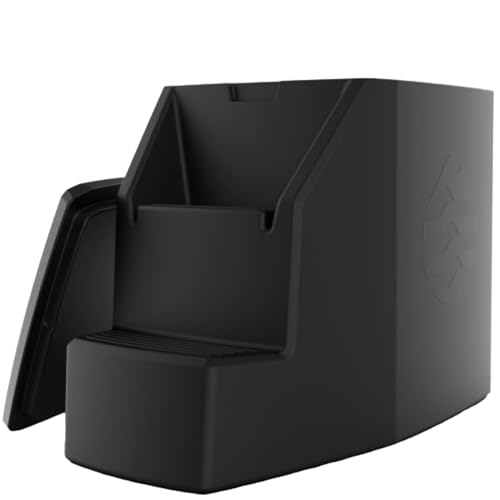
Ice Barrel Portable Ice Bath Bathtub (500 Model) - Freestanding Cold Therapy, Ice Bath for Athletes - Portable Bath Tub for Ice Plunge & Recovery - Cold Plunge Tub (Charcoal Black) - Amazon.com
This durable, portable bath tub ... or a stylish ice plunge tub, the Ice Barrel delivers with its <strong>105-gallon capacity, sturdy build, and sleek design</strong>....
Evidence & Sources
Promising research with growing clinical support from multiple studies
- Cochrane Database of Systematic Reviews
- British Journal of Sports Medicine
- Journal of Athletic Training
- American Journal of Sports Medicine
- U.S. Food and Drug Administration (FDA)
- National Center for Complementary and Integrative Health (NCCIH)
- Sports Medicine
- Mayo Clinic Proceedings
This content is for informational purposes only and does not constitute medical advice. Always consult a qualified healthcare provider before starting, stopping, or changing any supplement or medication regimen.