

Hydrotherapy
Also known as: Water Therapy, Hydroterapy, Hydrotherap
Overview
Hydrotherapy is the therapeutic use of water in different forms, temperatures, pressures, and delivery methods to support comfort, recovery, and general well-being. The term can include a wide range of practices, such as warm baths, contrast bathing, whirlpool therapy, aquatic exercise, mineral baths, steam applications, compresses, and water-based rehabilitation. In modern health contexts, hydrotherapy may be used in clinical rehabilitation settings, wellness programs, sports recovery, and traditional healing systems.
Water has several properties that make it medically and therapeutically interesting. Buoyancy can reduce weight-bearing stress on joints, hydrostatic pressure may influence circulation and swelling, and temperature can affect muscle tone, pain perception, and relaxation. These effects help explain why water-based therapies are commonly discussed in relation to musculoskeletal pain, arthritis, recovery after injury, neurologic rehabilitation, stress reduction, and mobility limitations. Research suggests that some hydrotherapy approaches, especially aquatic exercise and supervised rehabilitation in water, may improve function and quality of life in selected populations.
At the same time, hydrotherapy is not a single standardized treatment. Its benefits can vary significantly depending on the condition being addressed, the type of water intervention used, treatment intensity, supervision, and the individual’s health status. Conventional medicine often distinguishes between evidence-supported aquatic therapy and broader wellness practices whose claims are less rigorously studied. Traditional medicine systems, by contrast, have long viewed water as a medium for restoring balance, easing stagnation, and supporting the body’s natural healing processes.
Because hydrotherapy spans both clinical rehabilitation and traditional wellness practice, it is best understood as a broad therapeutic category rather than one uniform intervention. People with cardiovascular disease, impaired sensation, open wounds, infection risk, or certain neurologic or mobility conditions may require individualized medical guidance before participating in water-based therapies. As with many complementary modalities, the strongest role for hydrotherapy appears to be supportive and integrative, especially when matched appropriately to the person and context.
Medical Perspectives
Two Ways of Seeing Health

Western
scientific · clinical
Western medicine applies science, technology, and clinical experience to treat symptoms through testing, diagnosis, and targeted intervention.

Eastern
traditional · alternative
Eastern medicine focuses on treating the body naturally by applying traditional knowledge practiced for thousands of years, emphasizing balance and whole-person wellness.
Gold Bamboo presents both perspectives side-by-side so you can make informed decisions. We don't advocate for one over the other — your health choices are yours.
Western Medicine Perspective
Western / Conventional Medicine Perspective
From a conventional medical standpoint, hydrotherapy is typically understood through the physical and physiologic effects of water. Warm water immersion may promote muscle relaxation, reduce the sensation of pain, and improve short-term mobility. Cold water applications are often discussed in sports medicine and recovery contexts for their effects on soreness, inflammation-related symptoms, and circulation changes, although study findings are mixed and highly dependent on timing and protocol. Aquatic therapy or pool-based rehabilitation is among the most established forms of hydrotherapy in mainstream care, particularly in physical medicine, orthopedics, rheumatology, and geriatric rehabilitation.
Studies indicate that aquatic exercise can be beneficial for some people with osteoarthritis, chronic low back pain, fibromyalgia, and certain neurologic or post-surgical functional limitations, largely by allowing movement with less joint loading. In rehabilitation medicine, clinicians may use water-based therapy to help patients practice strength, balance, gait, and range-of-motion activities in a lower-impact environment. Systematic reviews generally find modest improvements in pain, physical function, and quality of life for selected conditions, though results vary and many studies are limited by small sample sizes, heterogeneous treatment methods, and difficulty blinding participants.
Conventional medicine also recognizes important limitations and safety considerations. Hydrotherapy is not regarded as a universal remedy, and evidence is stronger for structured aquatic exercise programs than for many spa, whirlpool, or contrast-water claims made in popular wellness settings. Potential concerns may include falls, overheating, cardiovascular strain, infection exposure, and complications related to open skin lesions or poor temperature sensation. For this reason, hydrotherapy in clinical settings is usually considered an adjunctive modality rather than a stand-alone treatment, with appropriateness depending on diagnosis, functional goals, and overall medical status.
Eastern & Traditional Perspective
Eastern / Traditional Medicine Perspective
In many traditional healing systems, water is viewed as more than a physical substance; it is considered a regulating, purifying, and balancing medium. Within Traditional Chinese Medicine (TCM), warm water applications, baths, and steam are traditionally associated with supporting circulation of qi and blood, relaxing muscles and channels, and helping disperse patterns described as cold, dampness, or stagnation. External heat and water therapies are often understood as helping the body restore flow and reduce discomfort, particularly when symptoms are perceived to worsen with cold or immobility.
In Ayurveda, water-based therapies may be interpreted through the balance of the doshas and the qualities of heat, cold, heaviness, and dryness. Warm bathing and steam therapies have traditionally been used in contexts involving stiffness, heaviness, and accumulated toxins, while cooling water applications may be discussed in relation to excess heat or irritation. Hydrotherapy-related practices may also overlap with cleansing rituals, oil-and-steam therapies, and seasonal routines intended to support resilience and homeostasis.
Naturopathic and European traditional medicine have long incorporated constitutional hydrotherapy, contrast bathing, sitz baths, compresses, and mineral water bathing as methods intended to stimulate circulation, support relaxation, and encourage the body’s self-regulatory capacity. These systems often emphasize the body’s response to alternating hot and cold exposures, although modern evidence for these traditional techniques is variable. Overall, eastern and traditional perspectives tend to frame hydrotherapy as a whole-person supportive modality, valued not only for symptom relief but also for its role in restoration, ritual, and preventive health maintenance.
Supplements & Products
Recommended Products
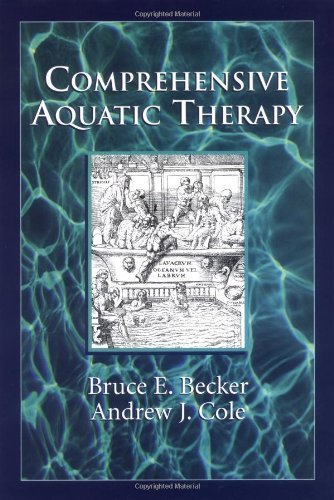
Comprehensive Aquatic Therapy: Bruce E. Becker, MD
Comprehensive Aquatic Therapy [Bruce E. Becker, MD] on Amazon.com. *FREE* shipping on qualifying offers. Comprehensive Aquatic Therapy
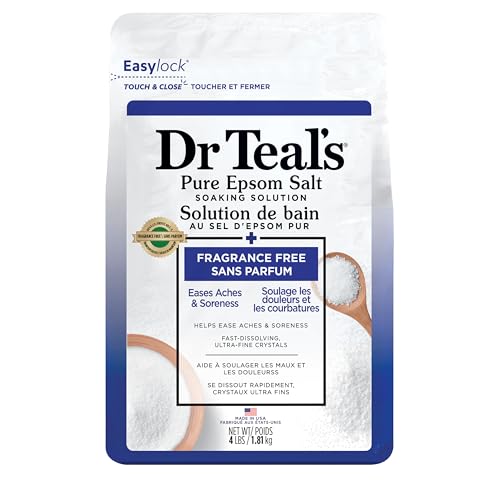
Dr Teal's Epsom Salt Magnesium Soak, Fragrance Free, 4 lbs
All Beauty Premium Beauty Makeup Skin Care Hair Care Fragrance Tools & Accessories Personal Care Oral Care Men's Grooming Professional Beauty Best Sellers New Arrivals FSA Eligible Items Sale

The Cold Pod Ice Bath Tub for Athletes with Cover: 88 Gallons Cold Plunge Tub for Recovery, Multiple Layered Portable Ice Bath Plunge Pool - Amazon.com
Designed to fit most body types ... BENEFITS - This ice bath tub for athletes is <strong>a form of cryotherapy - in which the individual sits in ice water following physical exertion</strong>....
Evidence & Sources
Promising research with growing clinical support from multiple studies
- Cochrane Library
- National Center for Complementary and Integrative Health (NCCIH)
- World Health Organization (WHO)
- Archives of Physical Medicine and Rehabilitation
- Clinical Rehabilitation
- Physical Therapy
- Journal of Rheumatology
- Osteoarthritis and Cartilage
This content is for informational purposes only and does not constitute medical advice. Always consult a qualified healthcare provider before starting, stopping, or changing any supplement or medication regimen.