If you’re trying to choose the best fish oil supplement, you’re probably wading through labels that shout “triple strength,” “burp‑less,” and “purified.” This guide cuts through the noise with research‑aware picks, clear criteria, and plain‑English advice so you can match an omega‑3 to your goals.
Note on evidence: Research on omega‑3s is strong for lowering triglycerides and modest for joint comfort and pregnancy support; effects on heart attacks and stroke vary by dose and formulation. Where relevant, we label the strength of evidence.
Quick picks: best fish oil supplements at a glance
- Best overall: OceanPure Triple‑Strength rTG Fish Oil — high EPA+DHA per serving, re‑esterified triglyceride (rTG) form, IFOS 5‑Star, good value
- Best budget: ValueOmega 1000 Fish Oil — standard concentration, meets label claims, third‑party tested, wallet‑friendly
- Best high‑EPA: EPA Max 90/10 — concentrated EPA‑forward ratio for inflammation‑focused goals; IFOS tested
- Best for vegans (algae): AlgaeDHA+EPA 600 — algal oil with meaningful DHA plus added EPA; USP or NSF certified
- Best purity‑certified: UltraPure IFOS Elite — small‑fish sourced, 5‑Star IFOS with excellent oxidation scores and sustainability seal
These are representative examples of what “best” looks like; always verify current labels and certifications.
How we chose these supplements
We applied criteria that matter for efficacy, safety, and sustainability:
- Potency and ratio: Clear EPA and DHA amounts per serving, ideally ≥1,000 mg combined EPA+DHA for most goals
- Form: Re‑esterified triglyceride (rTG) or natural TG favored for absorption; ethyl ester (EE) acceptable when value is excellent; algae oil for vegan options
- Independent testing: IFOS, USP, NSF, or published third‑party results to confirm purity, potency, and oxidation limits
- Purity: Low heavy metals (mercury), PCBs, dioxins; transparent TOTOX/peroxide values where available
- Sustainability: Sourcing from anchovy/sardine/pollock with MSC/Friend of the Sea/GOED alignment or algae fermentation
- Price and capsule count: Real‑world cost per 1,000 mg EPA+DHA, plus capsule size and swallowability
- User experience: Fewer “fish burps,” enteric coating or freshness, neutral taste, and clear dosing instructions
Fish oil basics & evidence: what omega‑3s do
Omega‑3s are a family of fats. Fish oil mainly provides EPA (eicosapentaenoic acid) and DHA (docosahexaenoic acid). Algae oil naturally provides DHA and often EPA. Mechanistically, EPA and DHA:
- Integrate into cell membranes, affecting fluidity and signaling
- Compete with arachidonic acid, shifting the body toward anti‑inflammatory mediators (resolvins, protectins, maresins)
- Lower liver production of triglyceride‑rich particles (VLDL)
What the research says
- Triglycerides and cardiometabolic health — Evidence: strong
- Multiple randomized trials and meta‑analyses show EPA+DHA consistently lower triglycerides, typically by 15–30% at 2–4 g/day. Prescription‑strength doses yield the largest effects; supplements can help at higher intakes but should be clinician‑guided for high triglycerides.
- Cardiovascular outcomes are mixed and dose/form dependent. A purified EPA prescription (icosapent ethyl, 4 g/day) reduced certain cardiovascular events in high‑risk patients, while some mixed EPA+DHA trials at similar doses were neutral. Supplements aren’t substitutes for prescription therapy when indicated. See our overview of heart‑focused options in Supplements for Heart Health: Evidence‑Based Options, Dosage & Safety.
- Joint comfort and inflammation — Evidence: moderate
- Brain and mood — Evidence: moderate to emerging
- DHA is a structural brain fat; observational research links higher omega‑3 status with healthy aging. Trials on cognitive decline prevention are mixed; some subgroups may benefit. For mood, EPA‑rich formulas have shown modest benefits for depressive symptoms in some studies, especially as an add‑on.
- Eye surface and dry eye — Evidence: moderate
- Some trials suggest symptom relief, though findings are mixed; formulation and dose matter. See Dry Eye and Omega‑3 for context.
- Pregnancy and early life — Evidence: moderate
- DHA supports fetal brain and eye development; several guidelines suggest DHA intake during pregnancy. Avoid fish liver oils (excess vitamin A).
Realistic framing: For most people, an omega‑3 supplement is a supportive tool, not a cure‑all. Diet (fish intake), exercise, sleep, and medical care remain foundational.
For deeper background on omega‑3 sources and comparisons, see our Omega‑3 Deep Dive: Fish Oil, Krill Oil & Algae Compared and the supplement primer Fish Oil (Omega‑3).
Types, potency & dosing: how to read a label
- Forms you’ll see
- Triglyceride (TG) or re‑esterified triglyceride (rTG): Often better absorbed, especially on an empty stomach; with a fat‑containing meal, differences narrow.
- Ethyl ester (EE): Common in concentrated oils; typically best absorbed with a meal. Good value when well‑made.
- Phospholipid (krill): Comparable absorption at lower doses; often pricier with lower absolute EPA+DHA per serving.
- Algae oil: Plant‑free of marine contaminants; naturally high in DHA, with some products adding EPA.
- Concentrated vs standard
- Standard fish oil 1,000 mg softgel usually contains ~300 mg combined EPA+DHA.
- Concentrated oils can provide 700–1,200+ mg EPA+DHA per softgel, reducing pill burden.
- Decoding potency
- Ignore “1,000 mg fish oil” and find “EPA” and “DHA” per serving. Add them to get total omega‑3s.
- Typical daily intakes (consult your clinician for personal guidance)
- General maintenance/low fish intake: 250–500 mg EPA+DHA
- Pregnancy/lactation: 200–300 mg DHA (often within 500–1,000 mg EPA+DHA)
- Joint support: 1.5–3 g/day EPA+DHA, divided with meals (monitor with a clinician)
- Triglyceride lowering: often 2–4 g/day under medical supervision; prescription therapies may be preferred for high triglycerides.
- Timing and absorption
- Take with a meal that contains fat to enhance absorption and reduce aftertaste.
Purity, testing & sustainability
- Contaminants and oxidation
- Look for third‑party testing of mercury, PCBs, and dioxins. Freshness matters: high oxidation (measured by peroxide, anisidine, TOTOX) can worsen taste and may degrade quality. IFOS 5‑Star products typically meet stringent limits (often TOTOX <20).
- Certifications to know
- IFOS (International Fish Oil Standards): Batch‑level potency, purity, and freshness testing with published results for participating brands.
- USP Verified or NSF Contents Certified: Confirms what’s on the label is in the bottle and checks for key contaminants.
- GOED membership: Industry quality code of practice.
- Sustainability: MSC (Marine Stewardship Council) or Friend of the Sea indicate responsible sourcing. Algae fermentation bypasses wild fisheries entirely.
- Storage
- Keep bottles cool, dark, and tightly sealed. Refrigerate liquids after opening. Discard if you notice strong fishy/rancid odor.
Top product reviews: our 2026 picks
Affiliate disclosure: We may earn a commission if you buy through links marked “Buy.” We only recommend options that meet our criteria. Product examples and specs below are representative; always verify the current label and certifications.
- OceanPure Triple‑Strength rTG Fish Oil
- Form: Re‑esterified triglyceride (rTG)
- Omega‑3s: ~1,200 mg EPA+DHA per 2 softgels (EPA‑forward)
- Testing/certs: IFOS 5‑Star; Friend of the Sea
- Capsule size: Standard large softgel; lemon‑flavored
- Pros: High potency per serving; strong third‑party testing; fewer capsules
- Cons: Larger capsules; premium price vs standard oils
- Best for: People wanting a potent, well‑absorbed option with sustainability credentials
- Price range: $$
- Buy: OceanPure Triple‑Strength rTG Fish Oil
- ValueOmega 1000 Fish Oil
- Form: Ethyl ester (EE) or natural TG (varies; check label)
- Omega‑3s: ~600 mg EPA+DHA per 2 softgels
- Testing/certs: Third‑party potency/purity testing; GOED member supplier
- Capsule size: Standard 1,000 mg softgel
- Pros: Budget‑friendly; meets label claims; widely available
- Cons: More capsules to hit higher intakes; fewer published oxidation metrics
- Best for: Cost‑conscious buyers aiming for 250–500 mg/day
- Price range: $
- Buy: ValueOmega 1000 Fish Oil
- EPA Max 90/10 Concentrate
- Form: rTG or EE (EPA‑dominant)
- Omega‑3s: ~1,000–1,200 mg EPA+DHA per 2 softgels (≥80–90% EPA)
- Testing/certs: IFOS 5‑Star
- Capsule size: Large softgel
- Pros: EPA‑forward ratio can align with inflammation‑focused protocols; high potency
- Cons: Not ideal if you specifically want more DHA (e.g., pregnancy)
- Best for: Users prioritizing EPA‑rich profiles for joint or mood support (evidence: moderate)
- Price range: $$–$$$
- Buy: EPA Max 90/10
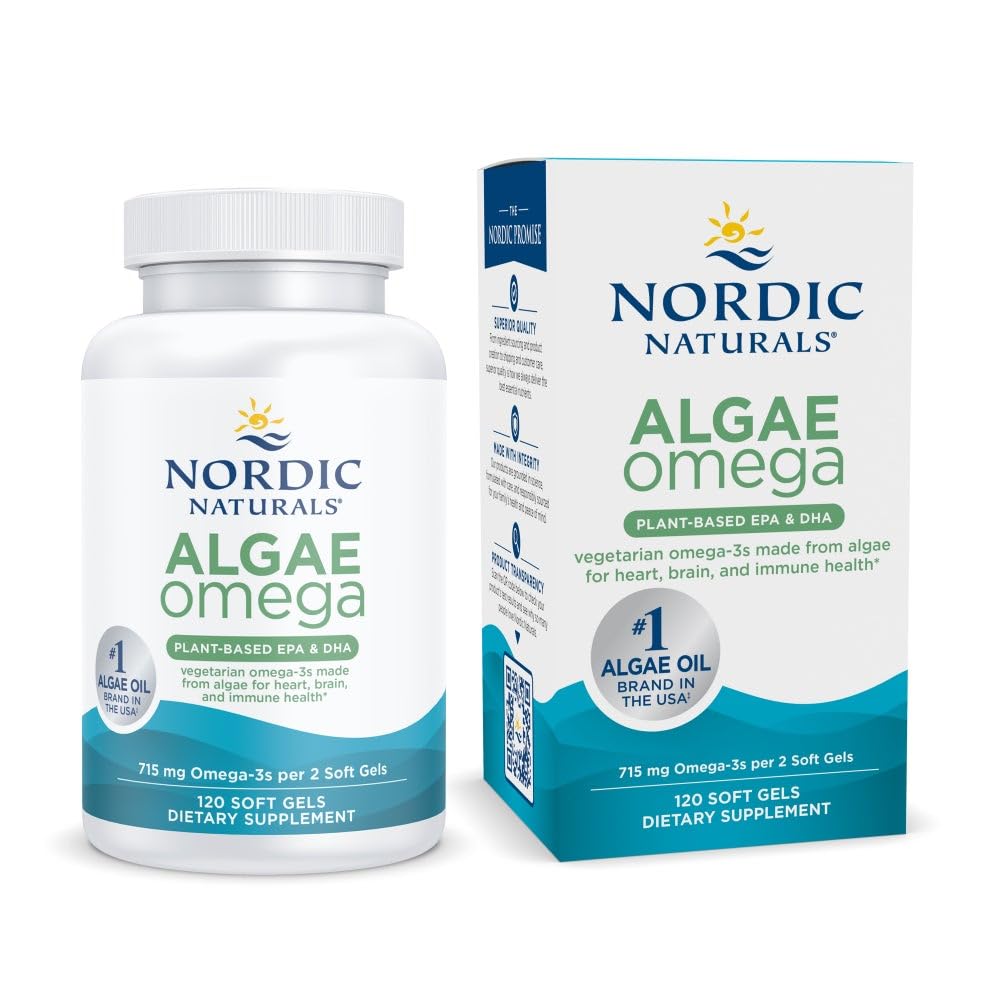
- AlgaeDHA+EPA 600 (Vegan)
- Form: Algal oil (microalgae fermentation)
- Omega‑3s: ~600 mg per 2 softgels (DHA‑forward with added EPA)
- Testing/certs: USP Verified or NSF Contents Certified; vegan certified
- Capsule size: Medium softgel
- Pros: Fish‑free, sustainable, low contaminants; strong DHA per serving
- Cons: Cost per mg is higher than fish oil; total EPA may be modest
- Best for: Vegetarians/vegans, or anyone avoiding fish allergens; pregnancy‑friendly DHA levels (confirm with clinician)
- Price range: $$–$$$
- Buy: AlgaeDHA+EPA 600
- UltraPure IFOS Elite
- Form: Re‑esterified triglyceride (rTG)
- Omega‑3s: ~1,400 mg EPA+DHA per 2 softgels
- Testing/certs: IFOS 5‑Star with excellent oxidation scores; MSC or Friend of the Sea
- Capsule size: Large; enteric‑coated option
- Pros: Top‑tier purity/freshness data; high potency; sustainability seals
- Cons: Premium price
- Best for: Shoppers who prioritize independent test transparency and freshness
- Price range: $$$
- Buy: UltraPure IFOS Elite
- MiniCaps Omega‑3 Easy‑Swallow
- Form: Concentrated TG or EE
- Omega‑3s: ~500–600 mg EPA+DHA per 2 mini‑softgels
- Testing/certs: Third‑party tested; GOED supplier
- Capsule size: Small/mini
- Pros: Easier to swallow; gentle lemon flavor; good for split dosing
- Cons: More capsules to reach higher intakes
- Best for: People who struggle with large softgels or prefer multiple small doses with meals
- Price range: $$
- Buy: MiniCaps Omega‑3 Easy‑Swallow
- Liquid Omega‑3 Lemon (Family‑Size)
- Form: TG or rTG liquid
- Omega‑3s: ~1,600–2,000 mg EPA+DHA per teaspoon (check label)
- Testing/certs: IFOS lot‑tested; oxidation data often posted
- Capsule size: N/A (liquid)
- Pros: Very high potency; flexible dosing for adults/kids (per clinician guidance)
- Cons: Must refrigerate; flavor sensitivity varies
- Best for: Households sharing one bottle, or anyone wanting high dose in fewer servings
- Price range: $$
- Buy: Liquid Omega‑3 Lemon
- Odor‑Control Enteric Omega‑3
- Form: EE with enteric coating
- Omega‑3s: ~600–800 mg EPA+DHA per 2 softgels
- Testing/certs: Third‑party tested; USP or NSF where available
- Capsule size: Standard
- Pros: Reduced aftertaste for sensitive users; good mid‑range potency
- Cons: Enteric coatings can vary; take as directed for best effect
- Best for: People prone to “fish burps” who still want a solid daily dose
- Price range: $$
- Buy: Odor‑Control Enteric Omega‑3
Many people also find tools like an Omega‑3 Index Test helpful to personalize their dose, and a simple Weekly Pill Case to stay consistent. For minimizing aftertaste, some prefer a small Supplement Freezer Sleeve to chill capsules before swallowing.
How to choose the best fish oil supplement (by goal)
- Heart and triglycerides
- Aim for reliable testing (IFOS/USP/NSF) and sufficient potency. For significant triglyceride reduction, talk to your clinician; prescription therapy may be appropriate. See our guide to Supplements for Heart Health.
- Brain and pregnancy
- Favor DHA‑forward products (including algae oil). Typical supplemental DHA is 200–300 mg/day within 500–1,000 mg EPA+DHA. Avoid fish liver oils (vitamin A excess risk) in pregnancy.
- Joints and inflammation
- Eye comfort
- Look for consistent daily intake and verified freshness; some users report better tolerance with TG/rTG or phospholipid forms. Read more in Dry Eye and Omega‑3.
Safety, side effects & interactions
- Common effects: Mild GI upset, aftertaste, or “fish burps.” Strategies: take with meals, try enteric‑coated or flavored options, start low and increase slowly, or switch forms.
- Bleeding and procedure considerations: High intakes may prolong bleeding time. Use caution with anticoagulants/antiplatelets (warfarin, apixaban, clopidogrel, aspirin) and before surgery; consult your clinician.
- Heart rhythm: High‑dose omega‑3s (especially EPA at prescription levels) have been linked to a small increase in atrial fibrillation risk in some trials. If you have arrhythmias, discuss dosing with your cardiologist.
- Glucose and blood pressure: Modest effects possible; monitor if you have diabetes or hypotension and are on medication.
- Allergies: Fish oil usually has minimal protein, but people with fish/shellfish allergy should use caution or choose algae oil.
- Pregnancy/children: Generally considered safe at typical doses; DHA is often emphasized during pregnancy. Dose for children should be guided by a pediatric clinician. Avoid fish liver oils in pregnancy due to vitamin A.
- Upper limits: Many authorities consider up to ~3 g/day EPA+DHA from supplements safe for most adults; intakes up to ~5 g/day have been reported as generally safe under supervision. Higher doses require medical oversight.
Buying tips & FAQs
- Quick checklist
- EPA+DHA per serving clearly stated (not just “1,000 mg fish oil”)
- Form you tolerate (rTG/TG, EE, algae); take with food
- Independent testing (IFOS/USP/NSF) and freshness data when possible
- Sustainable sourcing (MSC/Friend of the Sea) or algae fermentation
- Reasonable cost per 1,000 mg EPA+DHA, and a capsule size you can swallow
- Storage and expiration
- Keep cool and dark; refrigerate liquids after opening. Discard if it smells strongly fishy or paint‑like (oxidation).
- Algae vs fish oil
- Algae offers DHA (often with added EPA), is vegan, and avoids marine contaminants; fish oil typically provides more EPA per dollar.
- Krill vs fish oil
- Krill carries omega‑3s in phospholipids and includes astaxanthin; it’s often pricier and lower in total EPA+DHA per serving. Some prefer it for tolerance; evidence for outcomes is similar when matched for dose.
- Enteric‑coated “burp‑less” claims
- Helpful for some, but freshness and taking with food matter more than coatings alone.
- Can I just eat fish?
- Many dietary guidelines suggest 2 servings/week of oily fish. If you don’t eat fish, a supplement can help fill the gap.
What the Research Says (quick reference)
- Triglyceride lowering: strong evidence (multiple RCTs/meta‑analyses). Largest effects at 2–4 g/day under medical care.
- Cardiovascular events: mixed; benefit shown with purified EPA in select high‑risk patients at prescription doses; general supplement doses show modest or neutral effects.
- Joint comfort in RA: moderate evidence for symptom improvement as adjunctive therapy with higher EPA+DHA intakes.
- Cognitive aging and mood: moderate to emerging; some subgroup benefits, overall mixed results.
- Dry eye symptoms: moderate but mixed; individual response varies.
Practical takeaways
- If you want one simple pick: choose a third‑party tested fish oil delivering ~1,000–1,200 mg EPA+DHA per serving in TG/rTG form, taken with meals.
- If you’re vegan or pregnant: pick a verified algae DHA (with some EPA if possible) and confirm dose with your clinician.
- If your goal is triglycerides or you have heart disease: talk to your healthcare professional; prescription omega‑3 therapy may be more appropriate than supplements.
- If you struggle with aftertaste: try mini softgels, enteric‑coated options, or a lemon‑flavored liquid kept cold.
For help evaluating any supplement label and brand quality beyond fish oil, see our checklist: How to Choose Quality Supplements: A Practical, Evidence‑Based Checklist.
Disclaimer
This article is for educational purposes and does not replace professional medical advice. Always consult your healthcare professional before starting, changing, or stopping any supplement, especially if you are pregnant, nursing, have a medical condition, or take medications.