

Dry Eye and Omega-3
Omega-3 fatty acids (notably EPA and DHA from marine sources) have been studied for dry eye disease (DED), a multifactorial condition characterized by ocular surface inflammation, instability of the tear film, and symptoms such as burning, grittiness, and fluctuating vision. Understanding how omega-3s might influence DED matters because many people seek nutrition-based approaches alongside standard eye care. Mechanistically, omega-3s are precursors to specialized pro‑resolving mediators (SPMs) like resolvins and protectins that temper inflammatory signaling. By shifting the balance away from arachidonic acid–derived eicosanoids, EPA/DHA may reduce ocular surface inflammation, lower MMP‑9 activity, and improve meibomian gland secretion quality, helping stabilize the tear film’s lipid layer and reduce evaporative loss. Animal and in vitro studies support these pathways, and some human trials show improvements in tear break‑up time and symptoms, especially in meibomian gland dysfunction (MGD). Clinical evidence is mixed. The large, well‑designed DREAM trial (NEJM 2018) found no significant benefit of 3 g/day fish‑derived omega‑3s over an olive‑oil placebo after 12 months. In contrast, several randomized trials (e.g., Epitropoulos 2016; Kangari 2013) and multiple meta‑analyses report modest improvements in symptom scores (OSDI), tear stability (TBUT), and tear osmolarity, with considerable heterogeneity and risk of bias. Guidelines (TFOS DEWS II; AAO PPP) interpret the totality of evidence as uncertain to modest, with a possibility that omega‑3s may be more helpful in evaporative DED/MGD than in aqueous‑deficient or autoimmune subtypes. Practical, evidence‑grounded considerations include prioritizing dietary sources (fatty fish such as salmon and sardines) for overall health, knowing that plant ALA conversion to EPA/DHA is limited. Clinical trials have studied combined EPA/DHA in the low‑to‑high gram-per‑day range over 8–12 weeks or longer; some benefits—when present
Updated September 8, 2026This content is for informational purposes only and does not constitute medical advice. Always consult a qualified healthcare provider before starting, stopping, or changing any supplement or medication regimen.
Medical Perspectives
Two Ways of Seeing Health

Western
scientific · clinical
Western medicine applies science, technology, and clinical experience to treat symptoms through testing, diagnosis, and targeted intervention.
Surgeons · Pharmaceuticals · Clinical trials · Diagnostics 
Eastern
traditional · alternative
Eastern medicine focuses on treating the body naturally by applying traditional knowledge practiced for thousands of years, emphasizing balance and whole-person wellness.
Acupuncture · Herbal medicine · Yoga · Meditation
Gold Bamboo presents both perspectives side-by-side so you can make informed decisions. We don't advocate for one over the other — your health choices are yours.
Two Ways of Seeing Health
Western
scientific · clinical
Western medicine applies science, technology, and clinical experience to treat symptoms through testing, diagnosis, and targeted intervention.
Eastern
traditional · alternative
Eastern medicine focuses on treating the body naturally by applying traditional knowledge practiced for thousands of years, emphasizing balance and whole-person wellness.
Gold Bamboo presents both perspectives side-by-side so you can make informed decisions. We don't advocate for one over the other — your health choices are yours.
Western Perspective
Western medicine views omega‑3s as anti‑inflammatory lipids that could reduce ocular surface inflammation and improve the tear film’s lipid layer, especially in evaporative dry eye due to meibomian gland dysfunction. Evidence includes large randomized trials, smaller RCTs, and systematic reviews with conflicting results.
Key Insights
- DREAM (NEJM 2018) found no superiority of fish‑derived omega‑3s over an olive‑oil placebo for symptomatic DED at 12 months (strong evidence).
- Multiple smaller RCTs (e.g., Epitropoulos 2016; Kangari 2013) report improvements in OSDI, TBUT, and tear osmolarity, particularly in MGD‑predominant dry eye (moderate evidence).
- Meta‑analyses generally show symptom and TBUT improvements but highlight heterogeneity, variable dosing/formulations, and risk of bias (moderate evidence).
- Mechanistic data: EPA/DHA give rise to resolvins/protectins that help resolve inflammation; human ocular biomarkers (e.g., MMP‑9) may improve in some trials (emerging to moderate evidence).
Treatments
- Dietary omega‑3 intake from fish
- Fish‑ or algae‑derived EPA/DHA supplements (variable evidence)
- Conventional DED care: artificial tears, lid hygiene, warm compresses, thermal pulsation for MGD
- Prescription anti‑inflammatories (cyclosporine, lifitegrast), punctal occlusion when appropriate
Deep Dive
From a western clinical standpoint, interest in omega‑3 fatty acids for dry eye disease (DED) stems from their anti‑inflammatory properties and ... From a western clinical standpoint, interest in omega‑3 fatty acids for dry eye disease (DED) stems from their anti‑inflammatory properties and potential to improve the tear film’s lipid layer. EPA and DHA, the long‑chain omega‑3s found in marine sources, are precursors to resolvins and protectins—lipid mediators that actively resolve inflammation. In DED, where cytokine activity, matrix metalloproteinases, and meibomian gland dysfunction (MGD) contribute to symptoms and ocular surface damage, these mechanisms are biologically plausible. Smaller randomized trials have reported improvements in dry eye symptoms (OSDI), tear break‑up time, and tear osmolarity after several weeks to months of supplementation, with some studies noting better meibum quality—suggesting benefit may be greatest in evaporative DED linked to MGD. However, the evidence is not uniform. The large, rigorously conducted DREAM trial found no superiority of fish‑derived omega‑3s over an olive‑oil placebo at 12 months. Several factors complicate interpretation: choice of placebo (olive oil may itself have mild anti‑inflammatory effects), variability in formulations (ethyl ester vs triglyceride vs re‑esterified triglyceride), wide dosing ranges, adherence, baseline diet, and heterogeneity of DED phenotypes. Systematic reviews and meta‑analyses generally show modest improvements but consistently highlight these methodological issues and the risk of bias in smaller studies. Expert guidelines (TFOS DEWS II; AAO) therefore categorize omega‑3s as a possible adjunct, with the caveat that expectations should be modest and that benefits may be more likely in evaporative/MGD cases than in aqueous‑deficient or autoimmune forms (e.g., Sjögren’s). In practice, clinicians emphasize comprehensive care: eyelid hygiene and warm compresses for MGD, preservative‑free lubricants, environmental and screen‑time modifications, management of comorbid blepharitis/rosacea, and when needed, prescription anti‑inflammatories (cyclosporine, lifitegrast) or device‑based therapies (thermal pulsation). Within this framework, discussing dietary patterns rich in omega‑3s is reasonable for general health, and supplements may be considered on a case‑by‑case basis. Markers of benefit, when observed, typically appear within 8–12 weeks and include improved OSDI scores, increased TBUT, reduced tear osmolarity, and fewer MMP‑9–positive results. Safety considerations include gastrointestinal upset, fishy aftertaste, potential interaction with anticoagulants and antiplatelets, and a small signal for atrial fibrillation at higher doses in cardiovascular trials. Shared decision‑making, phenotype‑guided therapy, and monitoring remain central.
Sources
- Asbell PA et al. N Engl J Med. 2018;378:1681-1690.
- Epitropoulos AT et al. Cornea. 2016;35(9):1185-1191.
- Kangari H et al. Cornea. 2013;32(12):1541-1545.
- Cochrane Review: Omega‑3/6 PUFAs for Dry Eye Disease. Cochrane Database Syst Rev. 2019.
- TFOS DEWS II Management and Therapy Report. Ocul Surf. 2017;15(3):575-628.
- American Academy of Ophthalmology. Dry Eye PPP. 2023.
Eastern Perspective
Traditional systems interpret dry eye largely as a manifestation of internal imbalance—often dryness/heat with deficiency of yin or body fluids (TCM) or vata/pitta aggravation (Ayurveda). Nutrient‑dense, unctuous foods and oils are emphasized to nourish and cool, aligning conceptually with increasing healthy fats such as omega‑3s. Acupuncture and herbal strategies aim to restore systemic balance and support the eyes.
Key Insights
- In TCM, dry eye can reflect Liver/Kidney yin deficiency and wind‑heat; nourishing yin and clearing heat are central (traditional evidence).
- Ayurveda frames dry eye within vata (dry, mobile) and pitta (hot) imbalance; therapies emphasize oleation and cooling routines (traditional evidence).
- Small RCTs and reviews suggest acupuncture may improve DED symptoms and TBUT vs artificial tears (emerging evidence).
- Dietary inclusion of oily fish, seeds, and nuts is consistent with traditional ‘unctuous’ nourishment; direct evidence linking TCM/Ayurvedic prescriptions of omega‑3‑rich foods to DED outcomes is limited (emerging/traditional).
Treatments
- Dietary strategies emphasizing nourishing oils/fats (contextual to tradition)
- Acupuncture for ocular surface symptoms
- Herbal supports (e.g., goji berry, chrysanthemum in TCM; ghee‑based eye therapies in Ayurveda under supervision)
- Mind‑body and sleep practices to reduce systemic heat and dryness
Deep Dive
Traditional and integrative frameworks approach dry eye through the lens of systemic balance. In Traditional Chinese Medicine (TCM), dry eye is ... Traditional and integrative frameworks approach dry eye through the lens of systemic balance. In Traditional Chinese Medicine (TCM), dry eye is often attributed to yin deficiency of the Liver and Kidney with superimposed wind‑heat drying the ocular surface. Treatment principles include nourishing yin, enriching fluids, and clearing heat. Diets that incorporate nourishing, unctuous foods—conceptually aligned with omega‑3–rich fish and seeds—fit this framework, though classical texts do not specify EPA/DHA per se. Acupuncture at ocular and systemic points aims to modulate qi and blood flow, supporting lacrimal and meibomian function. Emerging clinical studies suggest acupuncture can improve symptoms and tear stability compared with artificial tears in some patients, though methodological quality varies. Ayurveda similarly interprets dry eye as a predominance of vata (dry, light, mobile) and pitta (hot, sharp) qualities. Interventions favor internal and external oleation (snehana) to counter dryness and calm heat. Ghee‑based therapies and dietary guidance to include healthy oils are cornerstones, implemented under trained supervision. Within this paradigm, omega‑3–containing foods are consonant with building ojas (vitality) and soothing inflamed tissues. Naturopathic and integrative clinicians often synthesize these views with modern nutrition science, emphasizing whole‑food sources of omega‑3s, attention to sleep and stress (which can exacerbate ocular surface inflammation), and gentle eyelid self‑care. While direct evidence tying traditional diets or herbal formulas that are rich in omega‑3s to measured improvements in DED is limited, the philosophical alignment is notable: reduce internal heat/inflammation, nourish fluids, and protect surface barriers. This harmonizes with western mechanistic data on resolvins and meibum quality. Clinically, integrative care pairs nonpharmacologic measures—blink training, humidification, mindful screen habits, acupuncture—with nutrition tailored to the individual’s constitution, medical history, and preferences (including algae‑based omega‑3s for those avoiding fish). Safety is emphasized: sourcing high‑quality oils, avoiding rancidity, and coordinating with medical providers when anticoagulants, arrhythmias, pregnancy, or upcoming surgery are present. The shared goal across traditions is durable symptom relief by restoring a stable, well‑nourished ocular surface.
Sources
- Wang Y et al. Medicine (Baltimore). 2017;96(17):e6756 (acupuncture for DED).
- Xiang A et al. Trials. 2021;22:566 (acupuncture protocol/summary).
- WHO International Standard Terminologies of Traditional Medicine (context).
- TFOS DEWS II Lifestyle section (dietary context).
Evidence Ratings
Omega‑3 supplementation did not outperform olive‑oil placebo for symptomatic dry eye at 12 months in the DREAM trial.
Asbell PA et al. N Engl J Med. 2018;378:1681-1690.
Smaller RCTs show improvements in OSDI and TBUT with omega‑3s, especially in MGD‑predominant dry eye.
Epitropoulos AT et al. Cornea. 2016;35(9):1185-1191; Kangari H et al. Cornea. 2013;32(12):1541-1545.
Meta‑analyses generally report modest symptom and TBUT benefits but with substantial heterogeneity and potential bias.
Cochrane Database Syst Rev. 2019: Omega‑3/6 PUFAs for Dry Eye Disease.
EPA/DHA can generate resolvins/protectins that actively resolve inflammation, a plausible mechanism for ocular benefit.
Serhan CN. Nat Rev Immunol. 2014;14:447-465.
Omega‑3 intake from fish has been associated with lower risk of clinically significant dry eye in observational cohorts.
Miljanovic B et al. Am J Clin Nutr. 2005;82(4):887-893.
High‑dose omega‑3s in cardiovascular trials have been associated with a small increase in atrial fibrillation incidence.
Bhatt DL et al. N Engl J Med. 2019;380:11-22; Nicholls SJ et al. JAMA. 2020;324(22):2268-2280.
At commonly studied intakes, omega‑3s have not been shown to meaningfully increase clinically significant bleeding in most settings.
Alexander DD et al. J Nutr. 2017;147(5):895-906.
Sources
- Asbell PA, Maguire MG, et al. N-3 Fatty Acid Supplementation for the Treatment of Dry Eye Disease. N Engl J Med. 2018;378:1681-1690. doi:10.1056/NEJMoa1709691
- Epitropoulos AT, Donnenfeld ED, et al. Effect of Oral Re-esterified Omega-3 Fatty Acids on Dry Eye. Cornea. 2016;35(9):1185-1191. doi:10.1097/ICO.0000000000000909
- Kangari H, Eftekhari MH, et al. Short-term consumption of oral omega-3s improves dry eye. Cornea. 2013;32(12):1541-1545. doi:10.1097/ICO.0b013e3182a7f3ff
- Cochrane Database Syst Rev. 2019. Omega-3 and omega-6 polyunsaturated fatty acids for dry eye disease. CD011016.
- TFOS DEWS II Management and Therapy Report. Ocul Surf. 2017;15(3):575-628. doi:10.1016/j.jtos.2017.05.006
- American Academy of Ophthalmology. Dry Eye Disease Preferred Practice Pattern. 2023.
- Serhan CN. Pro-resolving lipid mediators in inflammation. Nat Rev Immunol. 2014;14:447-465. doi:10.1038/nri3462
- Miljanovic B, Trivedi KA, Dana MR, Sullivan DA, Schaumberg DA. Relation between dietary n-3 PUFAs and dry eye syndrome. Am J Clin Nutr. 2005;82(4):887-893.
- Alexander DD, Miller PE, Van Elswyk ME, Kuratko CN, Bylsma LC. n‑3 polyunsaturated fatty acids and risk of bleeding: a meta-analysis. J Nutr. 2017;147(5):895-906.
- Bhatt DL et al. Cardiovascular Risk Reduction with Icosapent Ethyl. N Engl J Med. 2019;380:11-22.
- Nicholls SJ et al. STRENGTH trial. JAMA. 2020;324(22):2268-2280.
- NIH Office of Dietary Supplements. Omega‑3 Fatty Acids Fact Sheet for Health Professionals. https://ods.od.nih.gov/factsheets/Omega3FattyAcids-HealthProfessional/
- Schuchardt JP, Hahn A. Bioavailability of long-chain omega‑3 fatty acids. Prostaglandins Leukot Essent Fatty Acids. 2013;89(1):1-8.
- Wang Y et al. Acupuncture for Dry Eye: Systematic Review. Medicine (Baltimore). 2017;96(17):e6756.
Related Topics
Recommended Products
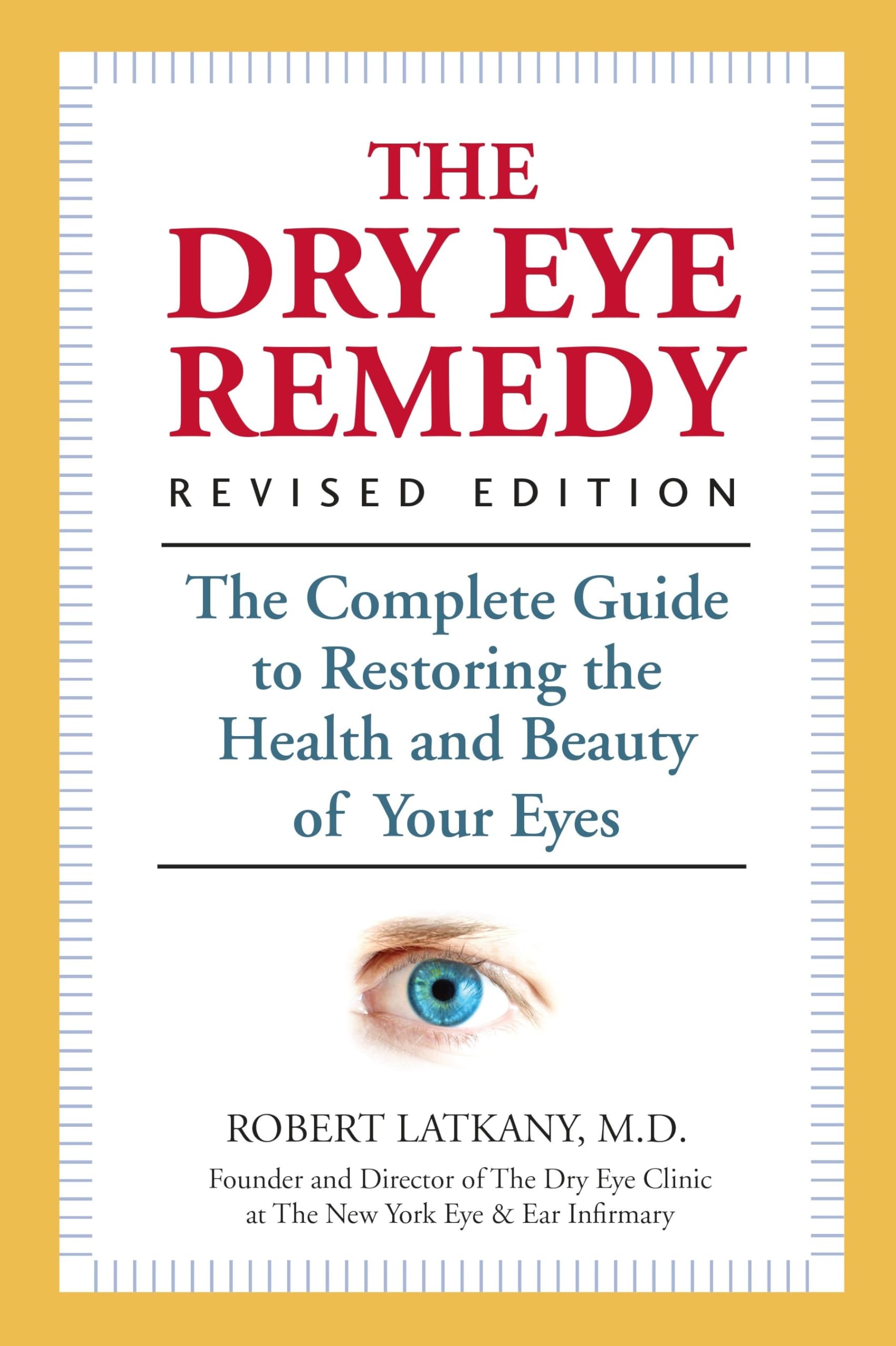
The Dry Eye Remedy: The Complete Guide to Restoring the Health and Beauty of Your Eyes: Latkany, Robert
The Dry Eye Remedy is <strong>the first book to give dry eye sufferers simple and practical ways to restore eye health and appearance without surgery</strong>. Robert Latkany, M.D., offers: • an innov
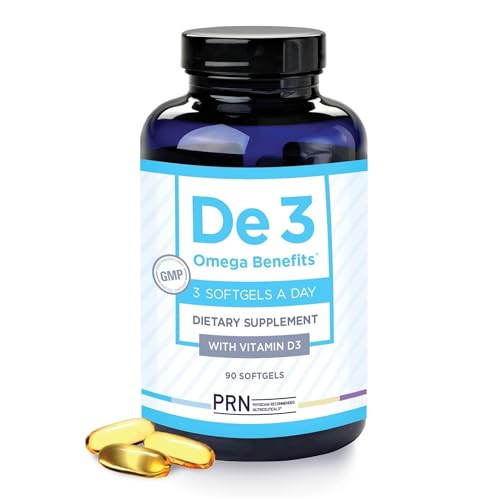
De3 Dry Eye Ultra Pure rTG Omega 3 – Support for Dry Eyes - 2400 mg EPA & DHA – New & Improved-Burpless-3 per day serving, 1-month supply
Refresh dry, irritated eyes: Our fish oil omega-3 supplements <strong>help rejuvenate the eyes and ease grittiness, dryness and burning without the fishy aftertaste</strong>; high DHA/EPA concentratio
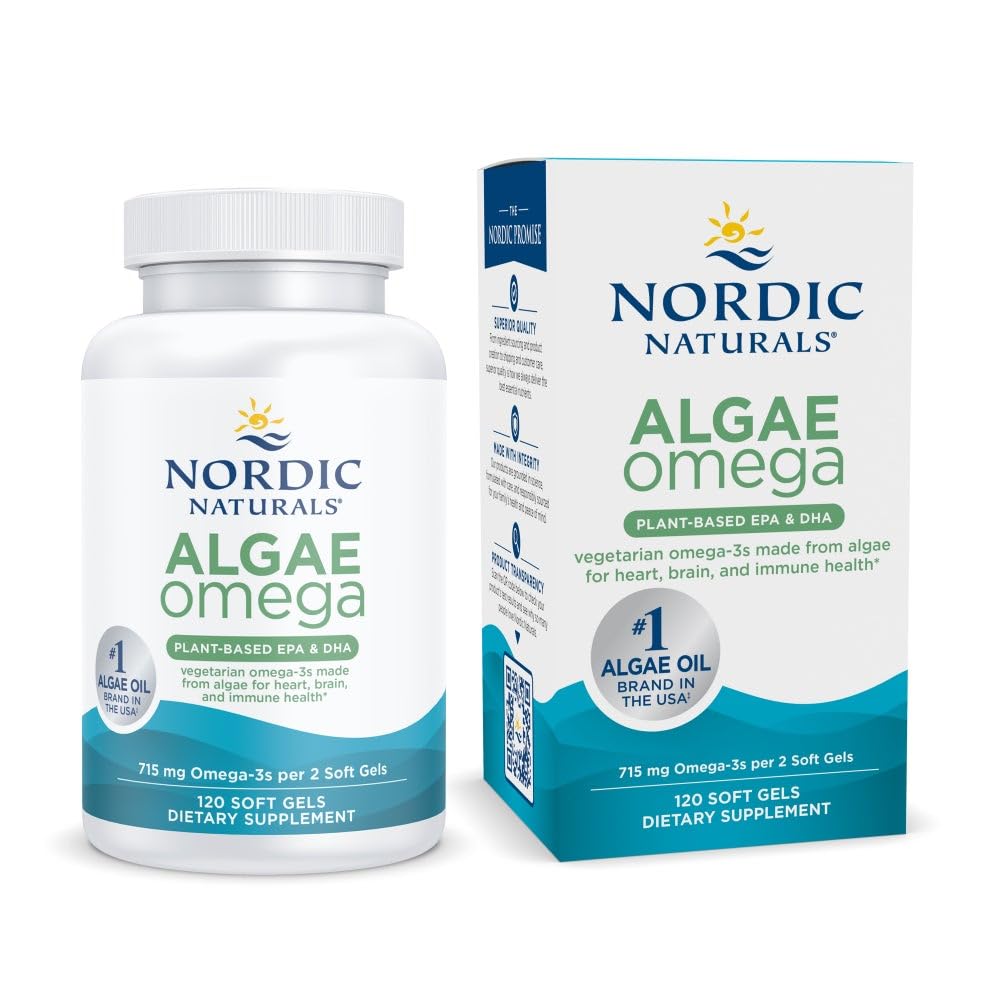
Nordic Naturals Algae Omega - 120 Soft Gels - 715 mg Omega-3 - Certified Vegan Algae Oil - Plant-Based EPA & DHA - Heart, Eye, Immune & Brain Health - Non-GMO - 60 Servings
Nordic Naturals Plant Based Ultimate Omega, Lemon Flavor - 60 Vegetarian Soft Gels - 1210 mg Omega-3 - Vegan EPA and DHA - Supplement Made from Algae - Brain & Heart Support - Non-GMO - 30 Serving
Health Disclaimer
This content is for informational purposes only and does not constitute medical advice. Always consult a qualified healthcare provider before starting, stopping, or changing any supplement or medication regimen.